Rogaine for Men: A Complete Medical Overview

Rogaine for men contains minoxidil, a topical medicine commonly used for male pattern hair loss. It works best for hereditary hair thinning and is less helpful for sudden or patchy hair loss from other causes.
Key Takeaways
- Rogaine for men contains minoxidil, a topical medicine commonly used for male pattern hair loss.
- It works best for hereditary hair thinning and is less helpful for sudden or patchy hair loss from other causes.
- Visible improvement often takes several months, and continued use is usually needed to maintain results.
- Scalp irritation, dryness, and early temporary shedding can occur, especially in the first weeks.
- A medical evaluation is important if hair loss is sudden, painful, scar-related, or associated with other symptoms.
Rogaine for men is a brand of topical minoxidil used to treat common hereditary hair loss in men. It can help slow shedding and improve hair growth for some users, but results usually take time and depend on regular, ongoing use.
Overview: what Rogaine for men is and what it does
Rogaine for men is an over-the-counter hair loss treatment that contains minoxidil. It is applied directly to the scalp and is mainly used for androgenetic alopecia, also called male pattern hair loss. In many men, it can help slow the progression of thinning and support some degree of regrowth, especially when treatment begins earlier in the course of hair loss.
Minoxidil does not cure baldness or permanently change the underlying genetic tendency to lose hair. Instead, it helps create conditions that may allow certain hair follicles to stay active longer. Because of this, the treatment is usually most effective when used consistently over time rather than as a short-term solution.
Patient expectations are important. Some men notice reduced shedding first, while others mainly see thicker-looking hair or better coverage in thinning areas. Results vary from person to person, and not every man responds in the same way. A clinician can help determine whether this treatment matches the type of hair loss present.
Who may benefit most from Rogaine for men
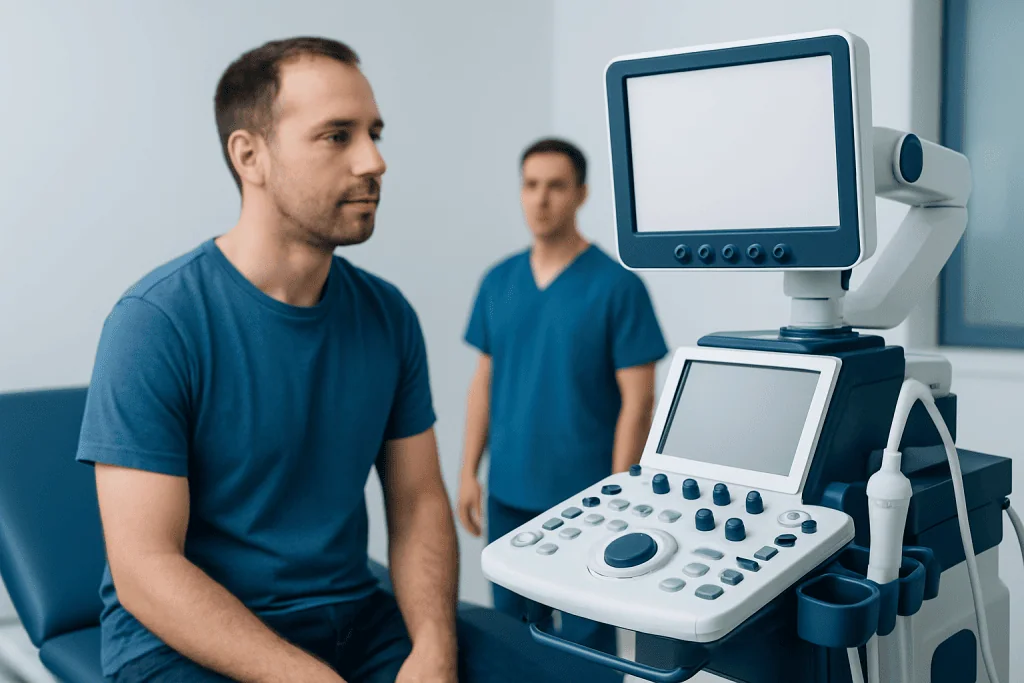
Rogaine for men is generally intended for men with gradual thinning related to male pattern hair loss. This type of hair loss often affects the crown, top of the scalp, or hairline over time. Men who still have active follicles in thinning areas are more likely to benefit than those with long-standing complete baldness in a given area.
It may be less suitable when hair loss is sudden, sharply patchy, linked to significant scalp inflammation, or associated with recent illness, severe stress, rapid weight change, nutritional deficiency, or medication side effects. In these situations, the underlying cause should be evaluated first. For example, some forms of loss such as alopecia areata are managed differently from male pattern hair loss.
Men sometimes begin treatment without a diagnosis because hereditary thinning is so common. However, a professional assessment can be especially useful if the pattern is unusual, the scalp feels sore or itchy, or body hair and eyebrows are also affected. This helps avoid delays in treating a potentially reversible cause.
How minoxidil works on the scalp
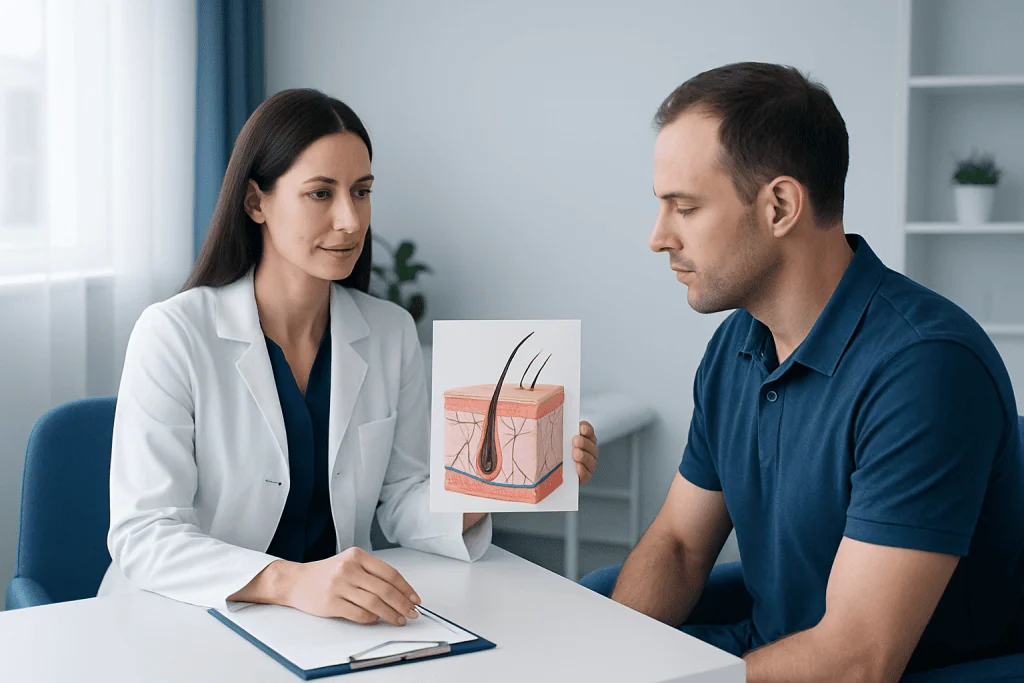
Minoxidil is thought to help by improving the environment around hair follicles and prolonging the growth phase of the hair cycle. Hair normally moves through phases of growth, transition, and rest. In male pattern hair loss, genetically sensitive follicles gradually shrink, producing finer and shorter hairs over time. Minoxidil may help some follicles remain active longer and produce thicker hairs.
The exact way minoxidil stimulates hair growth is not fully understood, but its effect is local to the treated area of the scalp. This is why it needs to be applied regularly and why stopping treatment often leads to renewed thinning. The medicine does not change hormone levels and is not the same as oral medicines that affect testosterone metabolism.
Many men wonder whether increased shedding after starting treatment means it is not working. In some cases, early temporary shedding may happen as older hairs shift out and new growth cycles begin. This can be unsettling, but it does not always mean treatment failure. Persistent worsening should be reviewed by a doctor.
How to use it safely and what results to expect
Rogaine for men should be used exactly as directed on its label or as advised by a doctor. It is typically applied to a dry scalp in the thinning areas rather than to the hair itself. Hands should be washed after application, and the medicine should not be applied to broken, inflamed, sunburned, or infected skin unless a clinician specifically recommends it.
Hair growth is gradual, so visible change usually takes time. Many men need several months of steady use before they can judge whether it is helping. Taking periodic photos in the same lighting can make small changes easier to notice. If treatment is stopped, any benefit gained is usually lost over time because the underlying tendency for hair loss remains.
Combining medical assessment with treatment often gives a clearer plan. In selected cases, doctors may discuss other options such as hair transplant procedures or supportive dermatologic care, depending on the pattern and severity of loss. Men who are unsure whether they have hereditary thinning may benefit from an evaluation before committing to long-term use.
Side effects, precautions, and common concerns
The most common side effects of topical minoxidil involve the scalp. These can include itching, dryness, flaking, redness, or irritation. Some men tolerate one formulation better than another, but any persistent discomfort should be discussed with a healthcare professional. Applying more than recommended does not usually improve results and may increase irritation.
Less commonly, unwanted hair growth can occur in areas where the product repeatedly contacts the skin, such as the forehead or face. Careful application can help reduce this risk. Rarely, some users may develop symptoms that suggest the medicine is being absorbed more than expected, such as dizziness, fast heartbeat, chest discomfort, swelling, or shortness of breath. These symptoms require prompt medical attention.
Men with certain heart conditions, scalp disorders, or unexplained hair loss should speak with a doctor before starting treatment. It is also important to check other hair products and routines. Frequent harsh styling, bleaching, or traction from tight hairstyles may worsen breakage and make true treatment response harder to judge.
Diagnosis and other treatment options
Although male pattern hair loss is often recognized by its typical pattern, diagnosis should still consider other causes. A doctor may ask about family history, recent illnesses, medications, diet, stress, and grooming habits. Examination of the scalp and hair shafts may be enough in many cases, while some patients need blood tests or further dermatologic evaluation.
Treatment is not one-size-fits-all. Some men use topical minoxidil alone, while others may be advised to consider additional options such as prescription medicines or procedural treatments. For patients with more advanced loss or those seeking denser coverage, hair loss treatment plans may include a combination of medical therapy, scalp care, and restoration techniques.
When hair loss is severe, longstanding, or unresponsive to standard therapies, options such as hair transplantation may be discussed. If the diagnosis is uncertain, referral for a dermatology assessment can help distinguish hereditary thinning from inflammatory or autoimmune causes. In complex cases, a multidisciplinary team can be helpful; Acibadem International’s specialists in JCI-accredited hospitals evaluate and treat hair loss for international patients.
Self-care and when to seek medical care
Supportive self-care can help men manage hair loss more confidently. Gentle scalp care, avoiding very tight hairstyles, reducing heat and chemical damage, and maintaining a balanced diet all support overall hair and scalp health. Self-care does not replace medical treatment for hereditary hair loss, but it may reduce additional breakage and make results easier to assess.
Men should seek medical care if hair loss begins suddenly, occurs in round or patchy areas, is accompanied by pain, scaling, pus, or scarring, or follows a major illness or medication change. Evaluation is also important if there are symptoms such as fatigue, weight change, or signs of hormonal or nutritional problems. These patterns can suggest a cause other than routine male pattern thinning.
A medical review is also sensible if Rogaine for men causes significant irritation, if there is no improvement after an adequate trial, or if concerning symptoms such as chest pain, faintness, swelling, or rapid heartbeat occur. A qualified doctor can confirm the diagnosis, explain realistic expectations, and recommend safer next steps if topical minoxidil is not the right fit.
Frequently asked questions
Does Rogaine for men really work?
It can work for some men with male pattern hair loss, especially when thinning is still in earlier stages. Benefits may include slower hair loss, less shedding, and modest regrowth or thickening. Results vary, and continued use is usually needed to maintain them.
How long does it take to see results from Rogaine for men?
Hair growth changes usually take time, and many men need several months of regular use before they notice improvement. Some may first see reduced shedding, while others notice gradual thickening. Because hair grows slowly, patience and consistent use are important.
Can Rogaine for men make hair loss worse at first?
A temporary increase in shedding can happen early in treatment for some users. This may reflect changes in the hair cycle rather than permanent worsening. If shedding is severe, prolonged, or accompanied by scalp symptoms, a doctor should review it.
Is Rogaine for men only for the crown of the scalp?
It is commonly used for thinning on the top and crown, where evidence has traditionally been strongest. Some men also use it in other areas under medical guidance, but response can differ by location. A clinician can advise whether it is appropriate for a receding hairline or more diffuse thinning.
What happens if a man stops using Rogaine?
If treatment is stopped, the benefit usually fades over time because the underlying tendency for male pattern hair loss continues. Hair that was maintained or regrown with treatment may gradually be lost. This is why minoxidil is generally considered an ongoing treatment rather than a one-time fix.
Who should talk to a doctor before using Rogaine for men?
Men with sudden, patchy, painful, or scar-related hair loss should be evaluated before starting it. Medical advice is also important for those with scalp disease, heart conditions, or unexplained symptoms such as fatigue or weight changes. A proper diagnosis helps ensure the treatment matches the cause of hair loss.
This article is for general information only and is not a substitute for professional medical advice. Please consult a qualified doctor about your individual situation.
Hair transplant in Turkey — costs, graft counts & a free assessment
JCI-accredited · board-certified surgeons · reply within 24h
Add us as a Preferred Source to see more of our trusted health content across Google Search, AI Overviews and Discover.

More from the Health Library

J Pouch: A Complete Medical Overview

Patella Bands — Explained by Medical Evidence, Not Myths

Ayurveda — Explained by Medical Evidence, Not Myths

Spasm of the Neck: What Patients Need to Know

Triptans — Explained by Medical Evidence, Not Myths