Understanding Acrocyanosis: A Complete Patient Guide

Acrocyanosis commonly causes persistent blue or purple color in the hands or feet, often with cool skin and sweating. Primary acrocyanosis is usually harmless and is often triggered by cold temperatures or emotional stress.
Key Takeaways
- Acrocyanosis commonly causes persistent blue or purple color in the hands or feet, often with cool skin and sweating.
- Primary acrocyanosis is usually harmless and is often triggered by cold temperatures or emotional stress.
- Secondary acrocyanosis can be linked to an underlying medical condition, medication, or vascular problem and needs closer evaluation.
- Diagnosis is based on symptoms, physical examination, and sometimes tests to rule out other causes of poor circulation or cyanosis.
- Treatment focuses on keeping warm, protecting the skin, and addressing any underlying condition when present.
- Prompt medical review is important for pain, ulcers, sudden changes, asymmetry, or symptoms such as shortness of breath.
Acrocyanosis is a bluish or purple discoloration of the hands, feet, or sometimes the face that usually happens when small blood vessels narrow, especially in response to cold. In many people it is benign, but a medical evaluation is important if symptoms are new, painful, one-sided, or associated with other circulation problems.
Overview: what acrocyanosis is
Acrocyanosis is a condition that causes a persistent bluish, purple, or dusky color in the extremities, most often the hands and feet. The color change happens because the tiny blood vessels near the skin surface constrict and the tissues receive less oxygen-rich blood for a time. It is often most noticeable in cold weather and may improve somewhat with warmth.
In its primary form, acrocyanosis is usually benign. That means it can look striking but does not generally damage tissue or threaten health. Many people have cold, clammy hands or feet along with the color change, and the symptoms may be symmetrical, affecting both sides in a similar way.
Doctors also distinguish acrocyanosis from other causes of blue fingers or toes. This matters because some circulation conditions are more serious and may need prompt care. For example, acrocyanosis is different from Raynaud’s disease, which typically causes episodes of color change with clear phases and may be painful.
Although acrocyanosis is often harmless, it should not be self-diagnosed without context. If the color change is new, occurs only on one side, causes pain, or is associated with skin breakdown, a clinician may need to look for a vascular, blood, connective tissue, or heart-lung cause.
Common symptoms and how it may feel
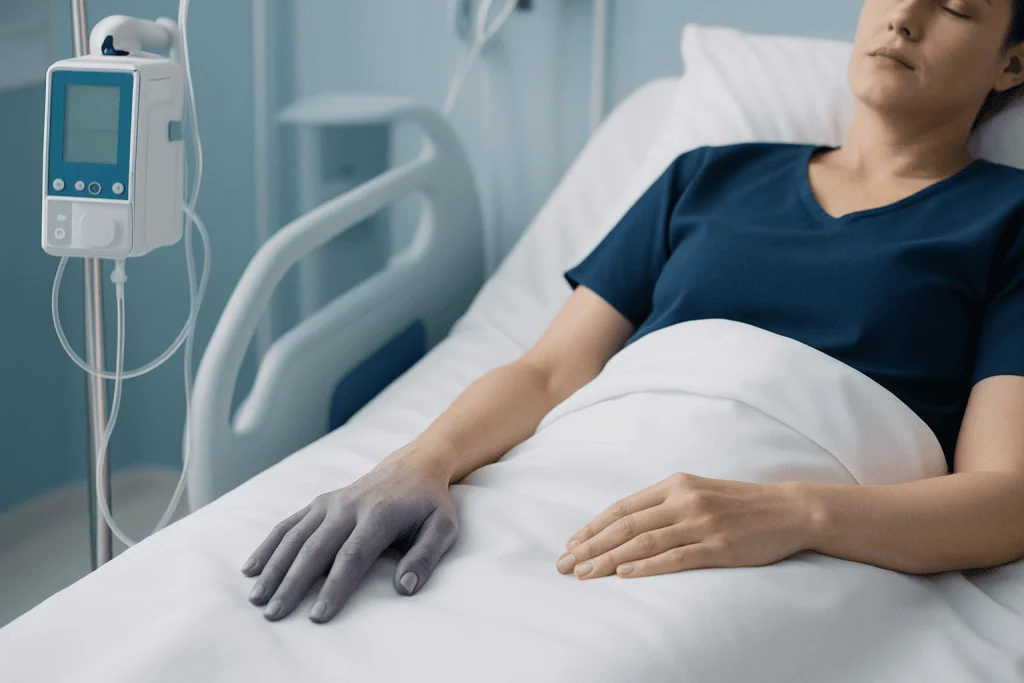
The hallmark symptom of acrocyanosis is a blue or purple discoloration of the fingers, hands, toes, or feet. In some cases, the nose, ears, or lips may also appear dusky, particularly in cold environments. The skin is often cool to the touch, and some people notice excessive sweating of the hands or feet.
Unlike some other circulation disorders, primary acrocyanosis is usually not painful. The color tends to be persistent rather than coming and going in sharp attacks, though it can become more obvious when a person is cold or stressed. Warming the area may help, but the color may not disappear immediately.
Symptoms that make doctors think beyond primary acrocyanosis include numbness that is pronounced or worsening, burning pain, ulcers, sores, swelling, or color change affecting only one hand or foot. White or red phases before or after the blue discoloration may suggest a different problem such as vasospasm.
- Blue or purple fingers and toes
- Cold hands or feet
- Clammy or sweaty skin
- Usually symmetrical involvement
- Usually little or no pain in primary acrocyanosis
Why acrocyanosis happens: causes and risk factors
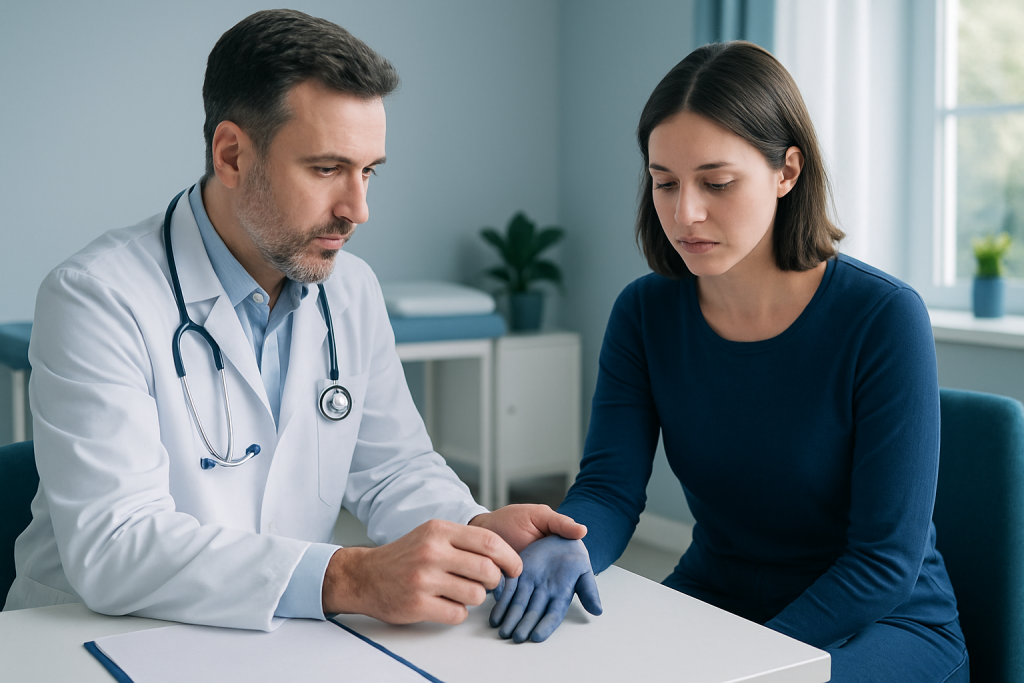
Acrocyanosis happens when small blood vessels in the skin narrow and reduce circulation near the surface. This can slow the flow of oxygenated blood through the area, creating the bluish appearance. Cold exposure is the classic trigger, and emotional stress can also contribute because it affects blood vessel tone.
Primary acrocyanosis develops without another disease causing it. It is more often seen in adolescents and young adults, and it may be more noticeable in people with a lean body type or those who live in colder climates. In these cases, the condition may remain stable for years without leading to complications.
Secondary acrocyanosis means there is an underlying cause. These can include connective tissue diseases, blood disorders, eating disorders, nerve-related conditions, medication effects, smoking-related vascular changes, and disorders that impair circulation. Sometimes doctors may also evaluate for peripheral artery disease or other vascular conditions if the symptoms are atypical.
Because the same appearance can result from different mechanisms, the pattern matters. Sudden onset, severe discomfort, tissue injury, or symptoms beyond the hands and feet may point to a cause other than primary acrocyanosis and deserve more detailed assessment.
How doctors diagnose acrocyanosis
Diagnosis starts with a detailed history and physical examination. A doctor will ask when the color change began, whether it is constant or episodic, what triggers it, and whether there is pain, numbness, ulcers, shortness of breath, weight loss, or joint symptoms. They will also look at symmetry, skin temperature, pulse quality, and whether warming changes the appearance.
Often, the diagnosis of primary acrocyanosis can be made clinically when the pattern is typical: painless, symmetrical, persistent bluish discoloration with cool extremities and no signs of tissue damage. The main goal is to distinguish it from conditions such as Raynaud phenomenon, blood vessel blockage, infection, or heart and lung disorders that can also cause cyanosis.
When symptoms are unusual or there are red flags, tests may be recommended. These can include blood tests, oxygen level assessment, vascular studies, or imaging depending on the suspected cause. In some cases, assessment by specialists in cardiology evaluation or vascular surgery may help clarify whether there is an underlying circulation problem.
A careful diagnosis is especially important in children, older adults, and people with known autoimmune disease or clotting risk. Rather than focusing only on the color change, doctors consider the whole clinical picture to decide whether the finding is benign or a sign of another condition.
Treatment options and everyday management
Treatment depends on whether acrocyanosis is primary or secondary. Primary acrocyanosis often does not require medication. The main approach is practical symptom control: avoiding cold, dressing warmly, using gloves and insulated socks, and reducing sudden temperature changes when possible.
Lifestyle measures can be very effective. Smoking cessation is important because nicotine narrows blood vessels and can worsen discoloration. Gentle movement, regular physical activity, and keeping the whole body warm rather than only the hands or feet may improve comfort. Skin should also be protected from dryness and friction, especially in winter.
If doctors suspect secondary acrocyanosis, the underlying problem should be treated. That may involve managing an autoimmune disorder, reviewing medications, or addressing a vascular issue. In selected cases, referral for rheumatology care may be appropriate when symptoms suggest connective tissue disease.
Medication is not routinely needed for primary acrocyanosis, but a clinician may sometimes consider treatment if symptoms are especially troublesome or if another vascular disorder coexists. Any treatment plan should be individualized and guided by a qualified doctor rather than self-treatment.
Self-care, prevention, and living with acrocyanosis
Many people manage acrocyanosis successfully with daily habits. Warm layers, gloves, thick socks, and avoiding prolonged exposure to cold are the most important steps. It can also help to warm up gradually after coming in from cold weather instead of placing hands or feet directly into very hot water, which may irritate the skin.
Stress management may be useful because emotional stress can influence vessel constriction. Regular sleep, physical activity, and balanced nutrition support overall circulation and skin health. People who notice their symptoms worsen with caffeine, nicotine, or certain medicines should discuss this with their doctor before making changes.
Skin care matters because cool, sweaty skin may become irritated more easily. Moisturizers can help protect the skin barrier, and well-fitting shoes reduce friction on the feet. Any cracks, sores, or signs of infection should be checked promptly, especially in people who also have diabetes or poor circulation.
For international patients who need further evaluation, Acibadem International’s multidisciplinary specialists and JCI-accredited hospitals diagnose and treat circulation-related conditions using coordinated care across relevant specialties.
When to seek medical care
Medical review is advisable if acrocyanosis-like symptoms are new, worsening, or difficult to explain. A doctor should assess blue or purple hands or feet that are painful, swollen, numb, ulcerated, or affecting only one side. These features are less typical of primary acrocyanosis and may suggest another circulation disorder.
Urgent medical attention is important if the color change occurs with chest pain, trouble breathing, fainting, fever, severe leg pain, or sudden coldness of a limb. Blue discoloration involving the lips or tongue can point to low oxygen levels and should not be ignored.
People with autoimmune disease, clotting disorders, heart disease, lung disease, diabetes, or a history of smoking-related vascular problems may need a lower threshold for evaluation. In some cases, further assessment with check-up and screening can help rule out associated conditions and guide next steps.
Even when the diagnosis turns out to be primary acrocyanosis, a professional opinion can be reassuring. It also helps ensure that a more serious cause of cyanosis or poor circulation is not being missed.
Frequently asked questions
Is acrocyanosis dangerous?
Primary acrocyanosis is usually not dangerous and often reflects a harmless response of small blood vessels to cold. However, similar-looking color changes can sometimes be caused by more serious circulation or oxygen-related problems, so atypical symptoms should be evaluated.
What is the difference between acrocyanosis and Raynaud’s?
Acrocyanosis usually causes a more persistent blue or purple discoloration, often without significant pain. Raynaud’s tends to happen in attacks, often triggered by cold or stress, and may cause white, blue, and then red color changes along with tingling or pain.
Can acrocyanosis go away on its own?
Primary acrocyanosis may improve with warmth and careful self-care, though some people notice it for many years. If it is secondary to another condition, improvement depends on identifying and treating the underlying cause.
Who gets acrocyanosis most often?
It is often seen in younger people and may be more noticeable in cold environments. Still, anyone with reduced small-vessel circulation or an underlying vascular, autoimmune, or blood-related condition can develop acrocyanosis-like symptoms.
How is acrocyanosis treated?
For primary acrocyanosis, treatment usually focuses on avoiding cold exposure, keeping the body warm, protecting the skin, and not smoking. If a doctor finds a secondary cause, treatment is directed at that underlying problem.
Should blue hands or feet always be checked by a doctor?
Not every case is an emergency, but blue or purple discoloration should be assessed if it is new, one-sided, painful, associated with sores, or accompanied by symptoms like shortness of breath. A doctor can determine whether it is benign acrocyanosis or another condition that needs treatment.
References
- American Academy of Dermatology
- National Organization for Rare Disorders
- Merck Manual Professional Edition
- NHS
- Mayo Clinic
This article is for general information only and is not a substitute for professional medical advice. Please consult a qualified doctor about your individual situation.
Explore treatments in Turkey — costs, top hospitals & a free quote
JCI-accredited · board-certified surgeons · reply within 24h
Add us as a Preferred Source to see more of our trusted health content across Google Search, AI Overviews and Discover.