Heat Stroke Sun Stroke — Explained by Medical Evidence, Not Myths

Heat stroke sun stroke is a medical emergency, not simply feeling very hot or dehydrated. A core body temperature of about 104°F (40°C) or higher with nervous system symptoms is a key feature.
Key Takeaways
- Heat stroke sun stroke is a medical emergency, not simply feeling very hot or dehydrated.
- A core body temperature of about 104°F (40°C) or higher with nervous system symptoms is a key feature.
- Confusion, fainting, seizures, trouble speaking, or collapse during heat exposure require urgent medical attention.
- Heat stroke can happen in direct sun, indoors, during exercise, or in hot, poorly ventilated spaces.
- Early cooling, moving to a cooler place, and calling emergency services can be lifesaving.
- Older adults, infants, outdoor workers, athletes, and people with chronic illness are at higher risk.
Heat stroke, sometimes called sun stroke, is a life-threatening heat-related illness in which the body can no longer control its temperature. It needs urgent medical care because rapid cooling and prompt treatment can help prevent brain, heart, kidney, and muscle damage.
What heat stroke sun stroke means
Heat stroke sun stroke refers to the same serious condition: dangerous overheating that overwhelms the body’s ability to regulate temperature. Although many people use “sun stroke” to mean illness from being in direct sunlight, heat stroke can also develop without direct sun exposure, such as in a hot room, a poorly ventilated vehicle, or during intense physical activity in warm weather.
Medical evidence distinguishes heat stroke from milder heat-related illness. In heat stroke, body temperature typically rises to around 104°F (40°C) or higher, and the brain and other organs begin to malfunction. This is why symptoms such as confusion, unusual behavior, loss of consciousness, or seizures are especially concerning.
Heat stroke is usually divided into two broad patterns. Classic heat stroke often affects older adults, very young children, or people with chronic illnesses during heat waves. Exertional heat stroke tends to affect athletes, military personnel, outdoor workers, and others doing intense activity in the heat.
Because complications can develop quickly, heat stroke should be treated as an emergency. It is more severe than heat exhaustion, which may cause heavy sweating, weakness, nausea, and dizziness but usually does not involve severe nervous system changes.
How heat stroke develops in the body
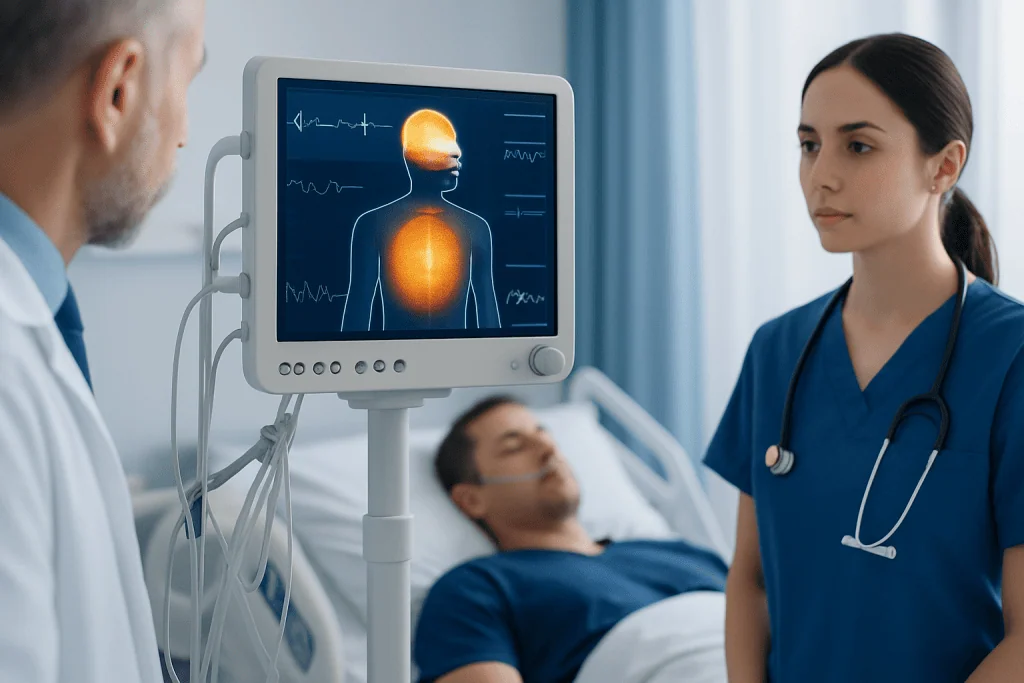
The human body normally cools itself through sweating and increased blood flow to the skin. In very hot, humid, or physically demanding conditions, these cooling systems may stop keeping up. Humidity is important because sweat cools the body best when it can evaporate. When the air is already very moist, evaporation becomes less effective.
As internal temperature climbs, proteins and cells begin to function poorly. This can affect the brain, heart, kidneys, liver, muscles, and blood-clotting system. The result may be confusion, rapid breathing, low blood pressure, muscle breakdown, or signs of organ injury on blood tests.
Heat stroke is not always predictable from how much someone is sweating. Some people with classic heat stroke have hot, dry skin, but others still sweat. In exertional heat stroke, heavy sweating is common. This is one reason myths can be misleading; the diagnosis depends more on the overall pattern of overheating and changes in mental status than on one single sign.
Doctors also consider related conditions that may need similar urgent attention, including severe dehydration, low sodium from overhydration during endurance events, infection, drug effects, or neurological emergencies such as stroke. A careful medical assessment helps distinguish these possibilities.
Symptoms and warning signs

The clearest warning signs of heat stroke sun stroke are very high body temperature and changes in the nervous system. A person may become confused, agitated, disoriented, unusually irritable, faint, unable to walk steadily, or less responsive. Speech may become slurred, and seizures can occur in severe cases.
Other common symptoms include a strong headache, nausea, vomiting, rapid pulse, fast breathing, weakness, and skin that feels hot to the touch. The skin may look flushed. Sweating may be present or absent, so it should not be used as the only way to judge severity.
Symptoms often develop after prolonged exposure to heat, after exercise in hot weather, or when someone cannot cool down adequately overnight during a heat wave. In children and older adults, the condition may appear more gradually, with increasing tiredness, confusion, poor fluid intake, or collapse.
- Body temperature around 104°F (40°C) or higher
- Confusion, delirium, unusual behavior, or fainting
- Seizures or loss of consciousness
- Hot, flushed skin with or without sweating
- Rapid pulse, fast breathing, severe weakness, or vomiting
Causes, risk factors, and common myths
Heat stroke is caused by heat gain exceeding heat loss. This may happen during heat waves, strenuous exercise, work in hot environments, poor access to shade or fluids, or staying in enclosed spaces that trap heat. Alcohol, certain recreational drugs, and some prescription medicines can also interfere with temperature control, sweating, hydration, or alertness.
People at higher risk include older adults, infants and young children, pregnant individuals, athletes, outdoor workers, people with obesity, and people with heart, lung, kidney, neurological, or psychiatric conditions. Limited mobility, social isolation, and lack of air conditioning can add risk during prolonged hot weather.
Several myths deserve correction. First, heat stroke does not require direct sun exposure; it can happen indoors or on cloudy days if the environment is hot enough. Second, drinking water alone does not fully prevent heat stroke if the person continues overheating or cannot rest and cool down. Third, being physically fit does not make someone immune, especially during intense exercise or high humidity.
Another myth is that only elderly people are affected. In reality, exertional heat stroke can occur in healthy younger adults, including runners, football players, cyclists, and laborers. Risk also rises when someone is not acclimatized to heat, wears heavy protective clothing, or pushes through early symptoms instead of stopping activity.
Diagnosis and emergency treatment
Doctors diagnose heat stroke based on the history of heat exposure or exertion, elevated body temperature, and signs of central nervous system dysfunction. In emergency settings, rectal temperature is considered the most reliable measurement for severe heat illness. Blood and urine tests may be used to check kidney function, electrolytes, muscle breakdown, clotting, and liver injury.
Treatment starts immediately and should not wait for all test results. The priority is rapid cooling and support of breathing, circulation, and organ function. Hospital teams may use cooled IV fluids, oxygen, heart monitoring, and treatment for complications such as seizures or electrolyte problems. Depending on severity, some patients need intensive care.
Rapid external cooling is often the most important early intervention. This may include ice-water or cold-water immersion for exertional heat stroke, misting and fanning, ice packs at the neck, armpits, and groin, and removing excess clothing. In a hospital, specialists may also evaluate whether kidney injury, heart strain, or neurological effects are present, with testing such as MRI scans when clinically needed.
If a person collapses, seems confused, or stops responding in the heat, emergency services should be called right away. While waiting, move the person to shade or an air-conditioned space, loosen clothing, and begin active cooling if possible. Do not force fluids into someone who is confused, vomiting, or unconscious because of the risk of choking.
Prevention and self-care in hot weather
Prevention is usually more effective than treatment. The safest approach is to reduce heat exposure, pace physical activity, and allow time for acclimatization when temperatures rise. People exercising or working outdoors should plan breaks, use shade, and schedule demanding tasks for cooler times of day when possible.
Hydration matters, but it is only one part of prevention. People should drink fluids regularly according to thirst and activity level, and replace electrolytes when heat exposure or exercise is prolonged. Light, loose-fitting clothing, hats, fans, cool showers, and air-conditioned spaces can help the body release heat more effectively.
Extra care is needed for those at higher risk. Family members and caregivers should check on older adults, infants, and people with chronic illness during heat waves. Cars should never be used as waiting areas, even for a short time, because temperatures can rise quickly to dangerous levels.
- Limit strenuous activity during peak heat
- Rest often in shaded or cooled spaces
- Wear lightweight, breathable clothing
- Drink fluids regularly and avoid excess alcohol
- Increase heat exposure gradually over several days when starting outdoor work or training
- Know the early signs of dehydration and heat illness
When to seek medical care
Emergency medical care is needed immediately if someone in the heat becomes confused, collapses, has a seizure, cannot drink, or has trouble staying awake. Very high temperature, persistent vomiting, severe headache, breathing difficulty, or abnormal behavior are also urgent warning signs. These symptoms suggest possible heat stroke rather than a mild heat-related problem.
Medical assessment is also important if symptoms of heat illness do not improve quickly after rest, cooling, and fluids, or if the person has a heart condition, kidney disease, diabetes, neurological disease, or takes medicines that affect sweating or hydration. Children, older adults, and pregnant individuals should be evaluated promptly if there is any concern about worsening symptoms.
After recovery, some people need follow-up before returning to intense work or sports. Doctors may review organ function, hydration status, and safe return to exercise. When complications are suspected, care may involve a medical check-up and other tests tailored to the person’s symptoms and risks.
For international patients who need specialist assessment, Acibadem International’s multidisciplinary teams in JCI-accredited hospitals diagnose and treat heat-related emergencies and their complications, including supportive emergency medicine when urgent care is required.
Frequently asked questions
Is heat stroke the same as sun stroke?
Yes. “Sun stroke” is a common nonmedical term that usually refers to heat stroke. The condition can happen in direct sunlight, but it can also develop indoors or during exercise without direct sun exposure.
What is the difference between heat exhaustion and heat stroke?
Heat exhaustion is usually a milder heat-related illness that can cause heavy sweating, weakness, dizziness, nausea, and headache. Heat stroke is more severe and involves dangerous overheating with confusion, collapse, seizures, or other nervous system symptoms, requiring urgent medical care.
Can someone have heat stroke if they are still sweating?
Yes. Sweating does not rule out heat stroke. Many people with exertional heat stroke continue to sweat heavily, so doctors look at the full picture, especially high temperature and changes in mental status.
What should bystanders do first for suspected heat stroke?
Call emergency services right away, move the person to a cooler place, and begin active cooling if possible. Remove excess clothing, use cool water, fans, or ice packs, and do not give oral fluids to someone who is confused, vomiting, or unconscious.
How long does it take to recover from heat stroke?
Recovery varies depending on how high the body temperature became, how quickly cooling started, and whether organs were affected. Some people recover within days, while others need longer monitoring and a gradual return to normal activity under medical guidance.
Who is most at risk for heat stroke?
Higher-risk groups include older adults, infants, athletes, outdoor workers, pregnant individuals, and people with chronic medical conditions. Risk also increases during heat waves, in humid weather, and when medications or alcohol affect hydration or temperature control.
References
- World Health Organization
- Centers for Disease Control and Prevention
- National Institute for Occupational Safety and Health
- American College of Sports Medicine
- Merck Manual Professional Edition
This article is for general information only and is not a substitute for professional medical advice. Please consult a qualified doctor about your individual situation.
Explore treatments in Turkey — costs, top hospitals & a free quote
JCI-accredited · board-certified surgeons · reply within 24h
Add us as a Preferred Source to see more of our trusted health content across Google Search, AI Overviews and Discover.
Check your numbers in seconds
BMI, calories, due date, blood pressure and 30+ more clinical calculators — free, instant, doctor-reviewed ranges.

More from the Health Library

Brain Stem: A Complete Medical Overview

Green Lipped Mussel: What Patients Need to Know

Calcitonin: An Evidence-Based Guide for Patients

Green Soap: What Patients Need to Know

One Eye Bigger Than the Other: A Complete Medical Overview