Gummy Bear Implants: Benefits, Risks, and Recovery — A Complete Guide
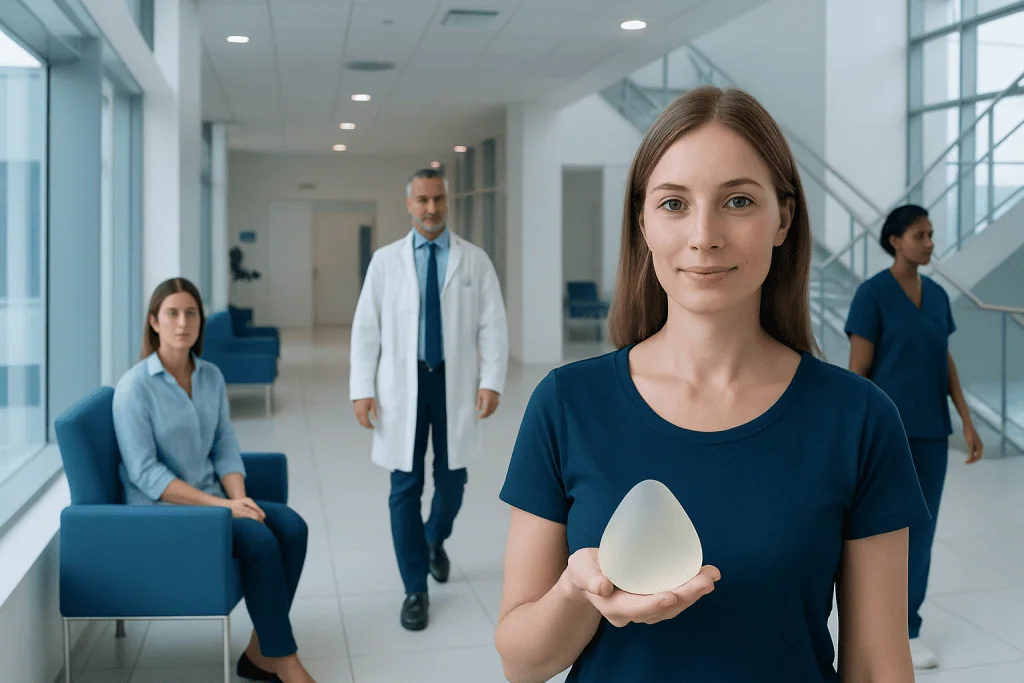
Gummy bear implants are cohesive gel silicone implants that keep their shape better than traditional round implants. They may offer a natural contour and lower risk of visible rippling in some patients.
Key Takeaways
- Gummy bear implants are cohesive gel silicone implants that keep their shape better than traditional round implants.
- They may offer a natural contour and lower risk of visible rippling in some patients.
- The procedure requires careful planning, precise implant positioning, and follow-up after surgery.
- Recovery usually takes several weeks, with activity restrictions early on.
- Possible risks include capsular contracture, implant rotation, rupture, infection, and the need for future surgery.
Gummy bear implants are form-stable silicone breast implants designed to hold their shape even if the shell is damaged. They can provide a firm, shaped result for breast augmentation or reconstruction, but they also involve surgery, recovery time, and potential complications that should be discussed with a qualified plastic surgeon.
Overview: What gummy bear implants are
Gummy bear implants are a type of silicone breast implant filled with a highly cohesive gel. Because the gel is thicker and more form-stable than in older silicone implants, the implant tends to keep its shape even when cut or damaged. This is why they are commonly described as “gummy bear” implants.
These implants are often used in breast augmentation and may also be considered in reconstructive surgery after breast procedures. Many are shaped rather than perfectly round, which can help create a gradual slope in the upper breast and fuller projection in the lower part of the breast.
Compared with saline implants or less cohesive silicone implants, gummy bear implants are generally firmer. Some people prefer this because it can support shape well, especially in thin tissues or when a defined contour is desired. Others may prefer a softer feel, so implant choice is individualized.
Like all breast implants, gummy bear implants are medical devices rather than lifetime devices. They can be a suitable option for selected patients, but they require a detailed discussion about benefits, limitations, and long-term follow-up with a board-certified or otherwise appropriately qualified plastic surgeon.
How gummy bear implants work and who may be a candidate
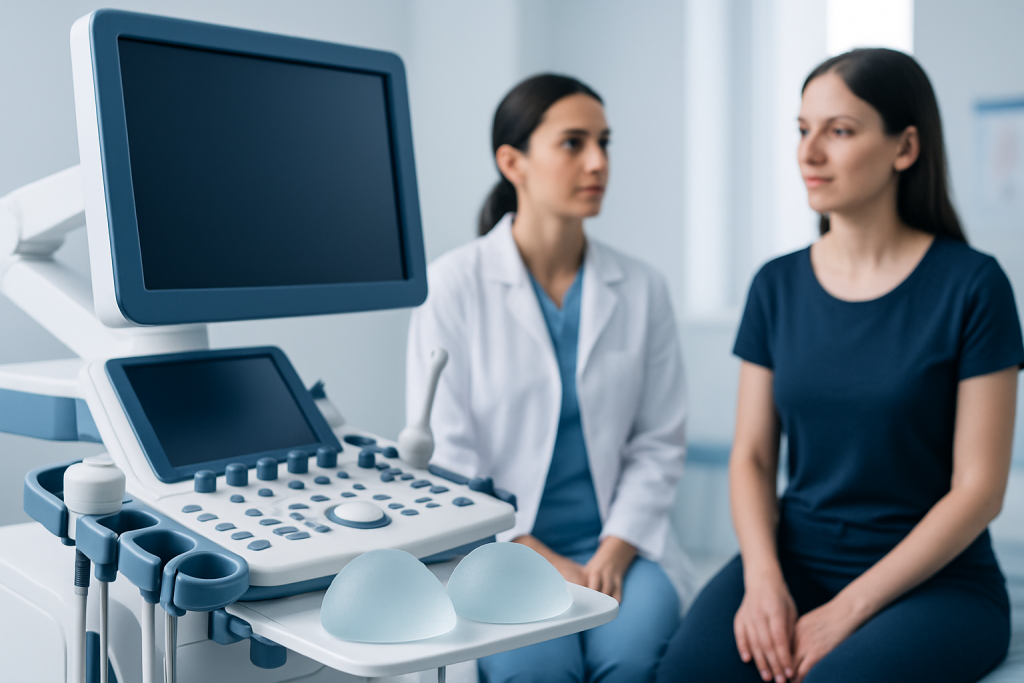
The main feature of gummy bear implants is their cohesive silicone gel. The gel is designed to stay together, helping the implant maintain a stable shape. This can reduce folding and may lower the chance of noticeable wrinkling or rippling compared with some other implant types, although no implant completely removes these possibilities.
These implants may be suitable for adults seeking breast enhancement, correction of asymmetry, or restoration of breast volume after pregnancy, weight change, or surgery. They can also be used in selected reconstructive situations. A surgeon will consider the person’s body frame, skin elasticity, existing breast tissue, chest wall shape, and cosmetic goals.
Good candidates are generally people in overall good health, at a stable weight, and with realistic expectations about what surgery can and cannot achieve. They should understand that implants may not last for life and that additional procedures may be needed in the future. Smoking, uncontrolled medical conditions, and active infections can increase surgical risks and may need to be addressed before surgery.
People exploring options for breast shape or breast changes may also discuss related concerns such as breast asymmetry with their surgeon. An individualized consultation is important because the same implant can look and feel different depending on anatomy and implant placement.
Benefits and possible drawbacks
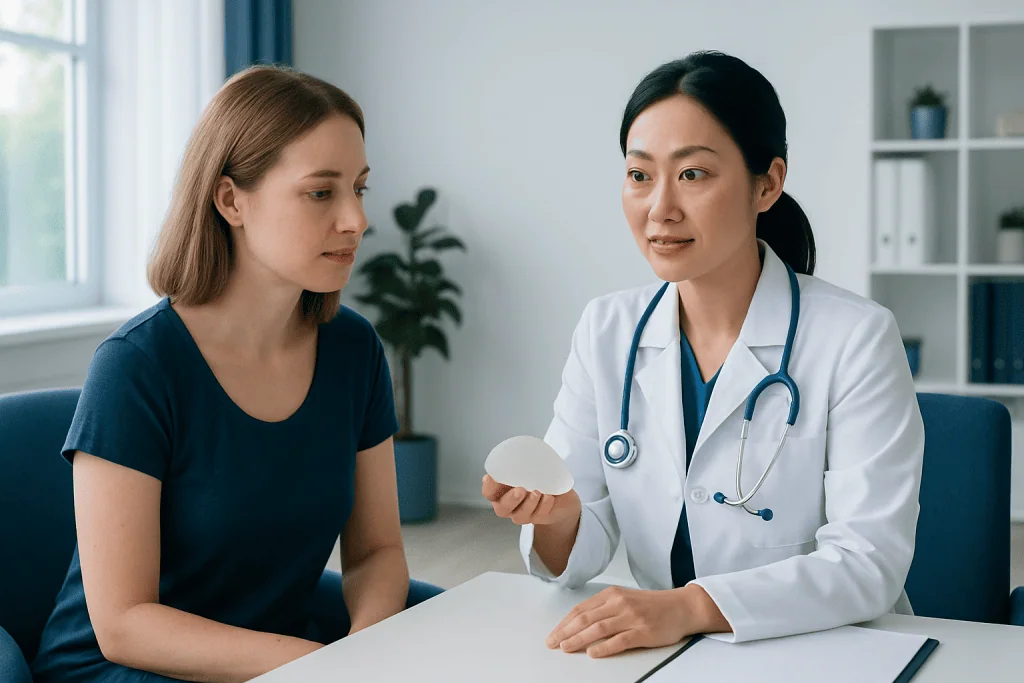
One of the main benefits of gummy bear implants is shape retention. Because they are form-stable, they can keep a consistent contour that may look natural in selected patients, particularly when an anatomical or teardrop shape is preferred. They may also produce less visible rippling than some saline implants, especially in people with thinner breast tissue.
Another advantage is that the cohesive gel tends to remain together if the implant shell ruptures. This does not mean rupture is harmless or impossible, but it can mean the silicone is less likely to spread in the same way as less cohesive material. For this reason, rupture may be less obvious on physical exam and may require imaging for detection.
Possible drawbacks should also be weighed carefully. Gummy bear implants can feel firmer than other implant types, and shaped implants can rotate. If a shaped implant turns out of position, it can change the breast contour and may require another procedure to correct it.
They may also need a slightly longer incision for placement, depending on implant size and surgical technique. As with any implant, future surgery can be needed for replacement, repositioning, scar tissue treatment, or removal. A balanced decision should consider appearance goals, touch, recovery, and long-term maintenance.
What happens during the procedure
Before surgery, the plastic surgeon reviews medical history, examines the breasts and chest wall, and discusses size, shape, incision location, and implant placement. Surgical planning is detailed because gummy bear implants are often shaped, so precise positioning matters. Patients may also receive instructions about medications, smoking cessation, fasting, and postoperative care.
The procedure is usually performed under general anesthesia. The surgeon makes an incision, creates a pocket either under the breast tissue or beneath the chest muscle, and inserts the implant. In some cases, implant placement is combined with other procedures such as breast lift if there is significant sagging that implants alone would not correct.
Once the implant is positioned, the surgeon checks symmetry and contour, then closes the incision in layers. Dressings or a surgical bra may be applied to support healing. The exact surgical approach depends on anatomy, skin quality, implant dimensions, and whether the goal is cosmetic augmentation or reconstruction.
After the operation, patients are monitored in recovery and usually go home the same day unless a longer stay is recommended. Clear discharge instructions help guide pain control, incision care, sleeping position, arm movement, and follow-up visits.
Recovery timeline and aftercare
Recovery from gummy bear implant surgery is gradual. During the first few days, swelling, tightness, soreness, and fatigue are common. Many people can walk and perform light self-care quickly, but they usually need to avoid lifting, overhead reaching, strenuous exercise, and sleeping on the stomach while early healing takes place.
In the first one to two weeks, bruising and swelling generally begin to improve. A surgeon may recommend a supportive bra, careful wound care, and short walks to support circulation. Many patients return to desk-based work within about a week, but this depends on the extent of surgery, the person’s comfort, and job demands.
Over the next several weeks, the implants gradually settle and the chest may feel less tight. Exercise and heavier activity are usually resumed in stages once the surgeon confirms that healing is progressing well. Final shape can take longer to appreciate because tissues continue to relax and swelling resolves gradually.
Long-term follow-up is an important part of implant care. Patients may need clinical checkups and, for silicone implants, imaging at intervals recommended by their surgeon or local guidance to look for silent rupture. Some individuals also undergo revision procedures later on, or discuss options such as breast implant removal if goals or medical needs change.
Risks, complications, and long-term considerations
All breast implant procedures carry risks. Short-term surgical complications can include bleeding, infection, delayed wound healing, fluid collection, anesthesia-related problems, and temporary changes in sensation. Most patients recover without major issues, but it is important to understand these possibilities before surgery.
Longer-term implant-related complications include capsular contracture, where scar tissue around the implant becomes firm or tight; implant rupture; asymmetry; visible edges; implant malposition; and rotation, which is particularly relevant for shaped implants. Some of these issues can affect comfort or appearance and may require further surgery.
Patients should also know that a rupture in a silicone implant may not always cause obvious symptoms. Because of this, follow-up and imaging may be advised. Rare but important concerns linked to breast implants more broadly include breast implant-associated anaplastic large cell lymphoma and, in selected cases, systemic symptoms that some patients associate with implants. These topics should be discussed carefully and individually with the surgeon.
Breast implants can also affect future breast imaging or breastfeeding in some people, although many individuals can still breastfeed and undergo appropriate screening. For anyone who later develops significant firmness, shape change, swelling, pain, or concern about implant integrity, a prompt medical review is advisable.
How doctors evaluate implant concerns
Evaluation starts with a clinical examination and a discussion of symptoms, timing, and prior surgeries. A doctor may ask about pain, changes in shape, tightness, swelling, skin changes, or fever. They will also assess whether symptoms suggest a routine postoperative issue, a scar tissue problem, implant malposition, or another breast condition.
Imaging may be recommended when the physical exam is unclear or when rupture is suspected. Ultrasound or MRI can help assess silicone implants, while mammography may still be needed for age-appropriate breast screening. If there is a fluid collection or unusual swelling, the care team may recommend additional tests to identify the cause.
Treatment depends on the underlying issue. Some concerns improve with observation and follow-up, while others may need medication, drainage, or surgery. Revision procedures can address contracture, asymmetry, implant rotation, or dissatisfaction with size or shape.
Patients who are deciding whether to keep, exchange, or remove implants benefit from clear counseling about expected outcomes. In experienced centers, decisions are often made with input from plastic surgeons, radiologists, and other specialists when needed.
When to seek medical care
It is sensible to contact a doctor if recovery seems to be getting worse instead of better. Increasing redness, fever, severe pain, persistent swelling on one side, wound drainage, or sudden breast enlargement can be signs that need medical attention.
Medical review is also important if there is a noticeable change in breast shape, new firmness, a breast that appears to have shifted position, or symptoms that develop months or years after surgery. These changes do not always mean a serious problem, but they should be checked.
Anyone considering breast implant surgery should also seek care from a qualified plastic surgeon for a full preoperative assessment rather than relying only on online information. Near the end of the care journey, some international patients choose Acibadem International, where multidisciplinary specialists in JCI-accredited hospitals evaluate and treat breast implant concerns with individualized planning.
Prompt assessment is especially helpful when symptoms are new, one-sided, or associated with general illness. Early evaluation can clarify whether simple reassurance, imaging, or treatment is the best next step.
Frequently asked questions
Are gummy bear implants safer than other breast implants?
Gummy bear implants are not risk-free, but their cohesive gel is designed to hold together better than older silicone gels. This may change how rupture behaves, but surgery-related and long-term implant risks still apply. A surgeon can explain which implant type best matches a person's anatomy and goals.
Do gummy bear implants feel natural?
Many patients feel they provide a natural shape, especially in the lower breast. However, they are often firmer than some other implant types, so the feel can differ from natural breast tissue. The final result depends on body type, implant size, and placement.
How long do gummy bear implants last?
They are durable, but they are not considered lifetime devices. Some people keep them for many years without problems, while others need revision or removal sooner. Regular follow-up helps identify changes such as rupture, malposition, or capsular contracture.
Can gummy bear implants rupture?
Yes, they can rupture, although the cohesive gel tends to stay in place better than less cohesive silicone. A rupture may not always cause obvious symptoms, which is why imaging may be recommended in some cases. If breast shape or comfort changes, a medical review is appropriate.
Is recovery from gummy bear implants painful?
Some discomfort, tightness, and swelling are expected in the early recovery period. Pain usually improves over days to weeks and is managed with the surgeon's postoperative plan. Most people can return to light activities fairly soon, but strenuous exercise should wait until cleared.
Who should avoid gummy bear implants?
People with uncontrolled medical problems, active infection, or unrealistic expectations may need to postpone or avoid surgery. Smoking can also raise the risk of complications and may need to be addressed before the procedure. Suitability is best decided after an in-person consultation with a qualified surgeon.
References
- U.S. Food and Drug Administration
- American Society of Plastic Surgeons
- National Health Service
- Mayo Clinic
- International Society of Aesthetic Plastic Surgery
This article is for general information only and is not a substitute for professional medical advice. Please consult a qualified doctor about your individual situation.
Explore treatments in Turkey — costs, top hospitals & a free quote
JCI-accredited · board-certified surgeons · reply within 24h
Add us as a Preferred Source to see more of our trusted health content across Google Search, AI Overviews and Discover.