Seasonal Depression: A Complete Medical Overview

Seasonal depression is a real medical condition, not simply a dislike of winter. It usually begins in late fall or winter and improves in spring, though summer-pattern cases can also occur.
Key Takeaways
- Seasonal depression is a real medical condition, not simply a dislike of winter.
- It usually begins in late fall or winter and improves in spring, though summer-pattern cases can also occur.
- Common symptoms include low mood, fatigue, oversleeping, appetite changes, and loss of interest in usual activities.
- Diagnosis is based on symptoms, timing, recurrence, and evaluation for other medical or mental health causes.
- Treatment may include light therapy, psychotherapy, medication, and lifestyle measures tailored to the individual.
- Medical care is important if symptoms interfere with daily life or include hopelessness or thoughts of self-harm.
Seasonal depression is a pattern of depression that returns at certain times of year, usually during fall and winter when daylight is shorter. It can affect mood, energy, sleep, and daily functioning, but effective treatment and support are available.
Overview
Seasonal depression is a type of depression that follows a seasonal pattern. In most people, symptoms begin in the fall or winter and improve in the spring when daylight hours increase. This condition is often called seasonal affective disorder, or SAD, and it is recognized as a form of major depression with a recurring seasonal pattern.
It is more than feeling less motivated on dark or cold days. Seasonal depression can affect mood, sleep, appetite, concentration, and the ability to work, study, or enjoy daily life. Some people have mild symptoms, while others experience episodes that are significant enough to disrupt relationships and routine activities.
Although winter-pattern seasonal depression is most common, some people develop symptoms in spring or summer. The exact reasons are still being studied, but the condition appears to be related to how the brain and body respond to changing light exposure, internal body clock shifts, and mood-regulating chemicals.
How Seasonal Depression Can Feel
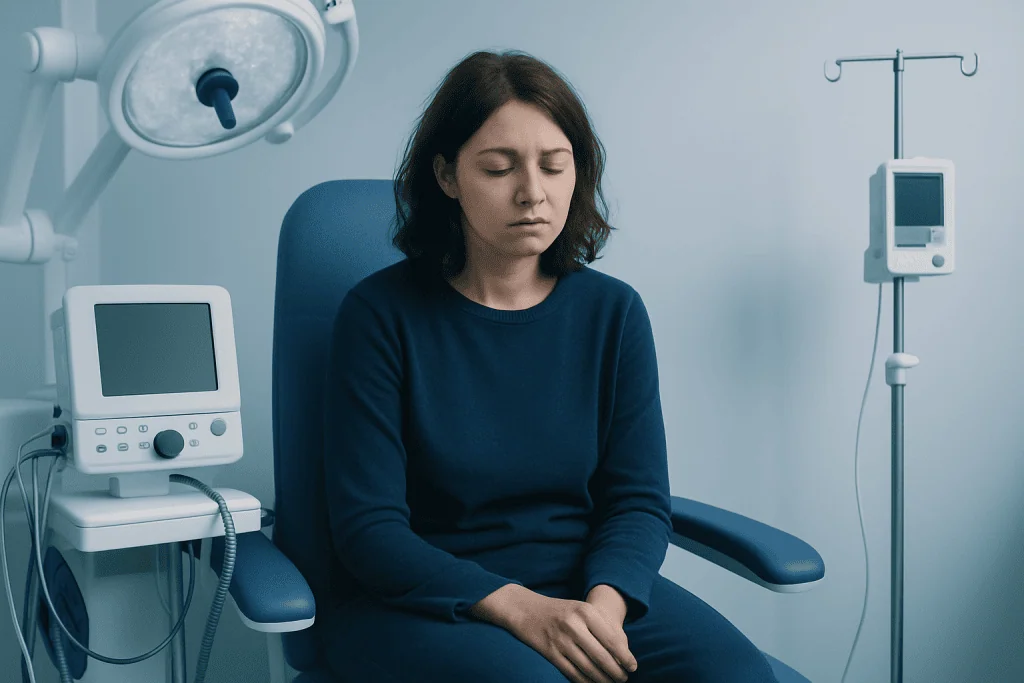
Seasonal depression often develops gradually. A person may first notice lower energy, difficulty getting out of bed, or less interest in social plans. Over time, mood may become persistently low, activities may feel harder to manage, and concentration may decline. Because these changes can emerge during busy months, they are sometimes mistaken for stress, burnout, or simply “winter blues.”
What makes seasonal depression different is the pattern. Symptoms tend to return at a similar time each year and improve when the season changes. This repeated timing can help distinguish it from other forms of depression that do not follow a predictable seasonal course.
People may also notice physical changes alongside emotional symptoms. Cravings for carbohydrates, weight gain, oversleeping, and feeling slowed down are often reported in winter-pattern seasonal depression. In summer-pattern cases, reduced appetite, insomnia, restlessness, or increased anxiety may be more noticeable.
Symptoms

The symptoms of seasonal depression overlap with those of other depressive disorders, but they recur in a seasonal pattern. Symptoms can range from mild to severe and may affect emotional well-being, thinking, behavior, and physical energy.
Common symptoms include:
- Persistent low mood or sadness
- Loss of interest or pleasure in usual activities
- Low energy, fatigue, or feeling slowed down
- Sleeping more than usual or difficulty waking up
- Changes in appetite, especially increased cravings for starchy or sweet foods
- Weight gain or, less commonly, weight loss
- Difficulty concentrating or making decisions
- Irritability, social withdrawal, or feeling emotionally numb
- Feelings of hopelessness, guilt, or worthlessness
Some people mainly experience low energy and reduced motivation, while others have more prominent sadness or anxiety. Children and teenagers can also be affected, though symptoms may be harder to recognize because they can overlap with school stress, changing sleep habits, or ordinary mood variation.
Causes and Risk Factors
There is no single cause of seasonal depression. Specialists believe it develops through a combination of biological vulnerability and environmental change. Shorter daylight hours may affect the body’s circadian rhythm, which helps regulate sleep, alertness, and hormone release. Changes in light exposure may also influence brain chemicals involved in mood regulation, including serotonin, as well as melatonin, which helps control sleep-wake timing.
Family history can play a role. A person may be more likely to develop seasonal depression if they or close relatives have a history of depression, bipolar disorder, or other mood conditions. It is also seen more often in people who live farther from the equator, where winter daylight is more limited, though it can occur in many climates and locations.
Other factors may increase risk or make symptoms more noticeable, including previous episodes of depression, chronic stress, social isolation, poor sleep quality, and coexisting mental health conditions such as anxiety. Importantly, seasonal depression should be assessed carefully because symptoms can overlap with thyroid disorders, sleep disorders, and other health conditions.
Diagnosis and Evaluation
Diagnosis starts with a clinical assessment rather than a single laboratory test or scan. A doctor or mental health professional asks about current symptoms, when they began, how long they last, and whether they return at the same time each year. The effect on work, family life, school performance, and daily functioning is also important.
To diagnose seasonal depression, clinicians look for depressive episodes that recur during a particular season for at least a pattern over time, with improvement during other parts of the year. They also consider whether the person has experienced nonseasonal depressive episodes, and whether another mental health condition better explains the symptoms.
Because physical problems can contribute to fatigue, sleep changes, or low mood, the evaluation may include a general medical review and selected tests when appropriate. For some patients, especially when sleep disruption is prominent, a clinician may also consider whether an underlying sleep disorder is contributing. The goal is to identify the most likely cause and build a treatment plan that matches the person’s symptoms and overall health.
Treatment Options
Seasonal depression is treatable, and many people improve with one or more evidence-based approaches. Treatment depends on symptom severity, prior episodes, other health conditions, and personal preference. The main options include light therapy, psychotherapy, medication, or a combination of these.
Light therapy uses a specially designed bright light box, typically used in the morning for a set period as advised by a clinician. This approach aims to mimic natural outdoor light and help regulate circadian rhythm and mood. It is not the same as ordinary household lighting, and it should be used correctly because some people, especially those with certain eye conditions or bipolar disorder, need medical guidance before starting light therapy.
Psychotherapy can also be effective, particularly forms that help people identify unhelpful thought patterns, improve routine, and plan coping strategies for seasonal changes. In some cases, doctors may recommend psychotherapy alone or alongside antidepressant medication. If symptoms are moderate to severe, recurrent, or not improving with other measures, a clinician may discuss treatment for depression that includes medication and regular follow-up.
Care is most effective when it is individualized. Near the end of the year, some people benefit from starting treatment before symptoms become severe. At Acibadem International, multidisciplinary specialists in JCI-accredited hospitals evaluate mood symptoms and create treatment plans for international patients when seasonal depression or related conditions are suspected.
Prevention and Self-care
Self-care cannot replace professional treatment when symptoms are significant, but it can support recovery and may help reduce recurrence. Regular sleep and wake times are especially important because seasonal depression is closely linked to the body’s internal clock. Morning daylight exposure, even on cloudy days, may be helpful for some people when it is safe and practical.
Other helpful habits may include:
- Keeping a consistent daily routine
- Staying physically active most days of the week
- Planning social contact rather than withdrawing
- Eating regular, balanced meals
- Limiting excess alcohol use
- Tracking mood changes across seasons
Some people who have recurring winter episodes work with their doctor to begin preventive treatment before symptoms typically start. This may involve earlier use of light therapy, counseling strategies, or medication based on past response. Preventive planning can be useful because symptoms often develop gradually and may be harder to recognize in the moment.
When to Seek Medical Care
Medical care is appropriate when low mood, fatigue, sleep changes, or loss of interest last more than a couple of weeks, return each year, or begin to affect work, school, relationships, or self-care. It is also important to seek help if symptoms seem to be getting worse rather than improving as the season changes.
Urgent support is needed if a person has thoughts of self-harm, feels hopeless, cannot function day to day, or shows signs of severe depression. In these situations, they should contact a doctor, emergency service, or local crisis resource without delay.
It is also wise to consult a healthcare professional if symptoms are mixed with periods of unusually high energy, decreased need for sleep, impulsive behavior, or marked agitation, because these may point to another mood disorder that needs a different treatment approach. Early evaluation usually makes treatment more effective and more manageable.
Frequently asked questions
Is seasonal depression the same as the winter blues?
No. The winter blues usually describe mild, temporary changes in mood or energy during colder months, while seasonal depression is a depressive disorder that can significantly affect daily functioning. A clinician considers severity, duration, and the repeated seasonal pattern when making the diagnosis.
Can seasonal depression happen in summer?
Yes, although it is less common. Summer-pattern seasonal depression may be linked with symptoms such as insomnia, reduced appetite, restlessness, or anxiety rather than oversleeping and increased appetite.
How is seasonal depression diagnosed?
Diagnosis is based on medical and mental health evaluation, not a single test. A clinician reviews symptoms, their timing across seasons, impact on daily life, and whether another condition might explain the changes.
Does light therapy work for everyone?
Light therapy helps many people, but not everyone responds the same way. It should be used as directed, and people with certain eye conditions, bipolar disorder, or other medical concerns should speak with a doctor before starting it.
Can lifestyle changes alone treat seasonal depression?
Lifestyle measures can be helpful, especially for mild symptoms or alongside formal treatment. However, if symptoms are moderate, severe, or recurring, professional treatment such as psychotherapy, light therapy, or medication may be needed.
When should someone seek urgent help?
Urgent help is needed if there are thoughts of self-harm, inability to manage daily responsibilities, severe hopelessness, or rapid worsening of symptoms. In those situations, the person should contact emergency services, a doctor, or a local crisis resource immediately.
This article is for general information only and is not a substitute for professional medical advice. Please consult a qualified doctor about your individual situation.
Depression in Turkey — costs, top hospitals & a free quote
JCI-accredited · board-certified surgeons · reply within 24h
Add us as a Preferred Source to see more of our trusted health content across Google Search, AI Overviews and Discover.

More from the Health Library

Senna Laxative: What Patients Need to Know

Infected Piercing Belly: What Patients Need to Know

C E P H a L E X — Explained by Medical Evidence, Not Myths

Kidney Stent: What Patients Need to Know

Types of Psoriasis Pictures: An Evidence-Based Guide for Patients