Uvelby: What Patients Need to Know

Uvelby is not a widely recognized medical term and may be a misspelling or informal reference. A doctor should confirm what condition is meant, especially if eye pain, redness, light sensitivity, or blurred vision is present.
Key Takeaways
- Uvelby is not a widely recognized medical term and may be a misspelling or informal reference.
- A doctor should confirm what condition is meant, especially if eye pain, redness, light sensitivity, or blurred vision is present.
- If uvelby refers to uveitis, early diagnosis and treatment are important to reduce the risk of vision problems.
- Assessment may include an eye exam, imaging, and blood tests depending on the suspected cause.
- Treatment depends on the underlying diagnosis and may involve eye drops, tablets, injections, or specialist care.
Uvelby is not a standard medical diagnosis, so patients who encounter this term should have it clarified by a qualified clinician. In many cases, people may be referring to uveitis, a form of eye inflammation that needs proper assessment to protect vision and guide treatment.
What does uvelby mean?
Uvelby is not a standard medical term used in major clinical guidelines or routine diagnosis. When patients search for it, they are often trying to understand a word they saw or heard in a note, message, or online discussion. Because spelling can vary, the safest first step is to confirm the exact term with a doctor, pharmacist, or clinic.
In eye care, one likely possibility is that uvelby is being used in place of uveitis, which means inflammation inside the eye. Uveitis can affect the middle layer of the eye and nearby structures. It may come on suddenly or develop gradually, and it can range from mild to severe.
Another possibility is that the term refers to a medicine brand, a transcription error, or a non-English spelling. For this reason, patients should avoid self-diagnosing based on the word alone. A clinician can explain what the term was intended to mean and whether it relates to an eye condition, a treatment, or something else entirely.
Why the term matters: possible link to uveitis
If uvelby was intended to mean uveitis, the distinction is important because uveitis is a real inflammatory eye condition that may need prompt treatment. Uveitis can involve the front of the eye, the middle structures, or the back of the eye. Doctors may describe it as anterior, intermediate, posterior, or panuveitis depending on which areas are affected.
The causes of uveitis are varied. It can occur on its own, follow an infection, develop after injury, or be associated with an autoimmune or inflammatory disease elsewhere in the body. Sometimes no clear cause is found even after a full workup.
Because symptoms of uveitis can overlap with other eye problems, such as conjunctivitis or glaucoma, patients should not assume all redness or discomfort means the same thing. A careful eye examination is needed to tell these conditions apart. For background on eye inflammation, a clinician may discuss related conditions such as uveitis.
Possible symptoms patients should watch for

If uvelby refers to uveitis or another inflammatory eye disorder, symptoms can vary by the part of the eye involved. Some people notice sudden discomfort, while others have milder symptoms that slowly become more troublesome. Any unexplained change in vision deserves attention.
Common symptoms may include:
- Eye redness
- Eye pain or aching
- Sensitivity to light
- Blurred or reduced vision
- Floaters, which can look like spots or cobwebs
- Headache around the eye in some cases
Not everyone has all of these symptoms. Inflammation at the back of the eye may cause fewer obvious surface changes, so redness may be minimal or absent. This is one reason it is important to seek a professional assessment rather than relying only on visible signs.
Children may have more subtle symptoms and may not describe visual changes clearly. In older adults, symptoms can overlap with other eye conditions, so timely examination is especially helpful.
Causes and risk factors
If the intended diagnosis is uveitis, there are several possible causes. The immune system may trigger inflammation without a clear external cause, or the inflammation may be linked to an autoimmune condition. Examples include certain forms of arthritis, inflammatory bowel disease, and other systemic inflammatory disorders.
Infections are another important cause. Viral, bacterial, fungal, or parasitic infections can lead to inflammation inside the eye. A history of recent illness, travel, immune suppression, or exposure risks can help guide testing.
Eye injury, recent eye surgery, and some medications can also contribute in selected cases. In addition, a person may have a related eye disorder that needs specialist evaluation, including diseases involving the retina or optic nerve. Depending on the situation, doctors may also evaluate for retinal detachment or other structural causes of visual symptoms.
Risk is not the same for everyone. People with known autoimmune disease, recurring eye inflammation, or reduced immunity may need closer follow-up. However, uveitis can also happen in otherwise healthy individuals.
How doctors diagnose the problem
Because uvelby is not a precise diagnosis, the first goal is to identify the correct condition. A doctor will begin by asking when symptoms started, whether one or both eyes are affected, whether there is pain or light sensitivity, and whether there are any related health conditions such as joint pain, skin changes, bowel symptoms, or recent infection.
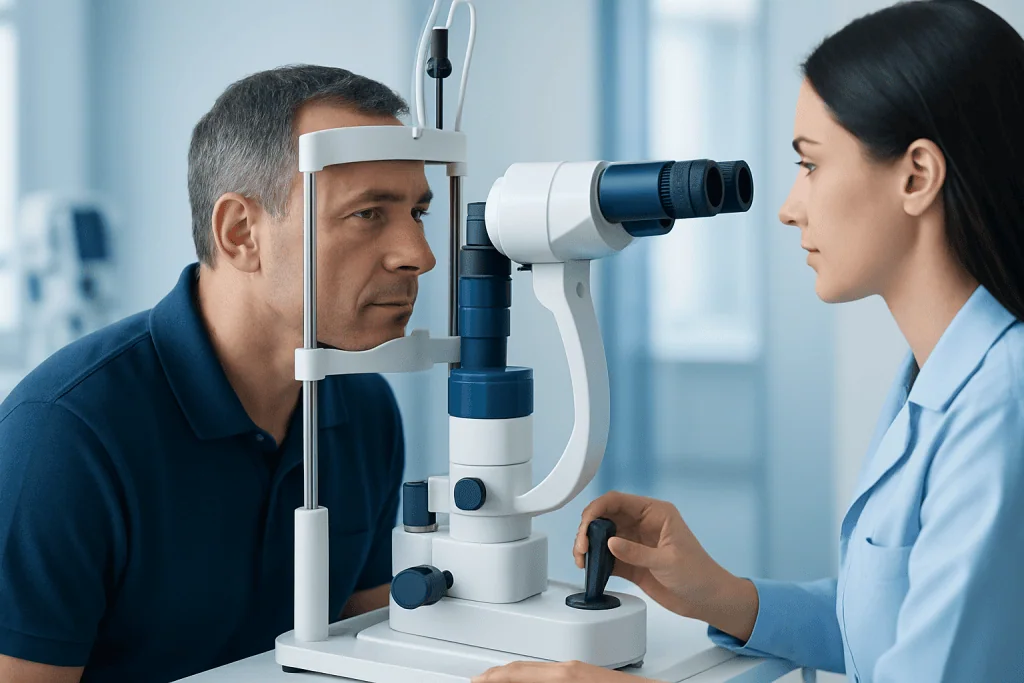
The eye examination may include checking visual acuity, eye pressure, pupil responses, and the front and back of the eye using specialized instruments. Dilating the pupils helps the doctor examine structures that cannot be seen clearly otherwise. In some cases, imaging tests or photographs of the retina are useful.
Blood tests or other investigations may be recommended if an infection, autoimmune disease, or systemic inflammatory condition is suspected. The exact workup depends on the pattern of inflammation and the person’s medical history. When detailed retinal evaluation is needed, ophthalmologists may use optical coherence tomography (OCT) to assess swelling or structural changes.
Treatment options depend on the diagnosis
Treatment is based on what uvelby actually refers to. If the diagnosis is uveitis, the aim is to control inflammation, relieve symptoms, treat any underlying cause, and protect vision. Many people improve well with the right treatment plan, especially when care begins early.
Common treatments for uveitis may include anti-inflammatory eye drops, pupil-dilating drops, tablets, or injections around or inside the eye. If an infection is the cause, the treatment focuses on the specific organism. If a systemic inflammatory condition is involved, care may include medicines prescribed with support from rheumatology, internal medicine, or infectious disease specialists.
Some patients need closer monitoring for complications such as raised eye pressure, cataract, retinal swelling, or persistent inflammation. Depending on the findings, doctors may recommend additional procedures or surgery. If treatment of the back of the eye is required, the care team may discuss vitrectomy in selected cases or retina treatment when retinal complications are present.
People should not start or stop steroid-based eye medicines without medical guidance. Although these drugs can be very effective, they must be used correctly and monitored carefully.
Self-care and preventing flare-ups
There is no single way to prevent every case of uveitis, because the causes differ. Still, good follow-up and early action can reduce the chance of avoidable complications. Patients who have had prior inflammation should attend scheduled appointments even if symptoms improve.
Helpful self-care steps include taking medicines exactly as prescribed, avoiding contact lens use unless the clinician says it is safe, and protecting the eyes from injury. Sunglasses may ease light sensitivity, but they do not replace treatment. Patients should also tell their doctor about any new systemic symptoms such as joint swelling, skin rash, mouth ulcers, or bowel changes.
For people with an autoimmune or infectious cause, managing the underlying condition is an important part of prevention. This may involve collaboration between ophthalmology and other specialties. Near the end of the care pathway, some international patients may choose centers such as Acibadem International, where multidisciplinary specialists in JCI-accredited hospitals diagnose and treat complex eye inflammatory conditions.
When to seek medical care
Patients should seek medical care promptly if they have a red eye with pain, sensitivity to light, blurred vision, new floaters, or a sudden change in sight. These symptoms do not always mean uveitis, but they should be assessed by an eye specialist or an urgent care service that can arrange ophthalmology review.
Urgent attention is especially important if symptoms start suddenly, affect only one eye severely, follow trauma, or occur with nausea, vomiting, severe headache, or marked vision loss. People with a history of recurrent eye inflammation, recent eye surgery, or reduced immunity should also contact a doctor sooner rather than later.
If the term uvelby came from a prescription, medical record, or message, bringing that document to the appointment can help clarify the intended meaning. Clear communication often speeds diagnosis and avoids confusion.
Frequently asked questions
Is uvelby a real medical diagnosis?
Uvelby is not a standard diagnosis recognized in common medical references. It may be a misspelling, shorthand, or a term that was heard incorrectly. A doctor or pharmacist can help confirm the exact word and what it means in the patient’s case.
Could uvelby mean uveitis?
Yes, that is one reasonable possibility, especially if the discussion involves eye inflammation. Uveitis is inflammation inside the eye and can affect vision if not treated appropriately. Because several eye conditions can cause similar symptoms, only an eye examination can confirm the diagnosis.
What are the first signs that need attention?
Painful red eye, light sensitivity, blurred vision, and new floaters are important warning signs. Some people also notice reduced vision without much redness. Any sudden or unexplained visual change should be checked promptly.
Can uveitis go away on its own?
Some mild cases may improve, but it is not safe to assume the inflammation will resolve without care. Untreated uveitis can sometimes lead to complications that affect vision. Medical assessment helps determine the cause and whether treatment is needed.
How is uveitis treated?
Treatment depends on which part of the eye is inflamed and what caused it. Doctors may use anti-inflammatory drops, tablets, injections, or medicines that target infection or immune-related disease. Follow-up is important because treatment often needs adjustment over time.
Should patients go to the emergency room for these symptoms?
Urgent care is appropriate if there is severe pain, sudden vision loss, major light sensitivity, or symptoms after an eye injury or surgery. The same is true if symptoms come with severe headache, nausea, or vomiting. If symptoms are milder, a same-day or next-day eye appointment is still wise.
This article is for general information only and is not a substitute for professional medical advice. Please consult a qualified doctor about your individual situation.
Explore treatments in Turkey — costs, top hospitals & a free quote
JCI-accredited · board-certified surgeons · reply within 24h
Add us as a Preferred Source to see more of our trusted health content across Google Search, AI Overviews and Discover.

More from the Health Library

Skin Tag on Scrotum: An Evidence-Based Guide for Patients

Puberty Blockers — Explained by Medical Evidence, Not Myths

Parosmia — Explained by Medical Evidence, Not Myths

Best Rice for Diabetics: A Complete Medical Overview

Black Licorice: An Evidence-Based Guide for Patients