High Estrogen Symptoms: Common Causes, Related Conditions, and When to See a Doctor

High estrogen symptoms can overlap with many common hormone-related complaints, so symptoms alone cannot confirm a diagnosis. Causes may include normal menstrual changes, medicines, weight changes, liver problems, ovarian conditions, or hormone-producing tumors.
Key Takeaways
- High estrogen symptoms can overlap with many common hormone-related complaints, so symptoms alone cannot confirm a diagnosis.
- Causes may include normal menstrual changes, medicines, weight changes, liver problems, ovarian conditions, or hormone-producing tumors.
- Evaluation usually combines medical history, physical examination, and selected blood tests or imaging when needed.
- Treatment depends on the cause and may involve lifestyle changes, adjusting medications, or treating an underlying gynecologic or endocrine disorder.
- Heavy bleeding, severe pain, rapidly worsening symptoms, or symptoms after menopause should be assessed promptly.
High estrogen symptoms often include bloating, breast tenderness, heavier or irregular periods, headaches, mood changes, and weight fluctuation. These symptoms do not always mean estrogen is truly too high, but they can signal a hormone imbalance, a medication effect, or an underlying condition worth discussing with a doctor.
Overview: what high estrogen symptoms can mean
High estrogen symptoms are the physical and emotional changes that may happen when estrogen levels are higher than expected for a person’s age, sex, and stage of life, or when estrogen is relatively higher than progesterone or testosterone. Common examples include breast tenderness, bloating, headaches, irregular or heavy periods, mood changes, and weight fluctuation. In men, symptoms may include breast tissue enlargement, lower libido, or fertility concerns.
It is important to understand that these symptoms are not specific to one diagnosis. A person may feel they have “high estrogen” even when hormone levels are normal, because similar symptoms can happen with premenstrual changes, perimenopause, thyroid disorders, stress, some medicines, or conditions affecting the ovaries, testes, liver, or adrenal glands. That is why doctors look at the whole clinical picture rather than one symptom in isolation.
Estrogen itself is not harmful. It is an essential hormone involved in menstrual cycles, bone health, fertility, sexual development, and many body functions. Problems arise when hormone balance shifts in a way that causes symptoms or points to an underlying condition. A careful evaluation can help distinguish normal hormone variation from a medical issue that needs treatment.
Common symptoms in women and men

In women, high estrogen symptoms commonly involve the menstrual cycle and breast tissue. A person may notice breast swelling or tenderness, heavier menstrual bleeding, more frequent periods, spotting between periods, worsening premenstrual symptoms, bloating, headaches, fluid retention, and fatigue. Some also report mood changes such as irritability, anxiety, or low mood, although these symptoms can have many causes.
Weight changes may also occur, especially increased fat storage around the hips and thighs, but body weight is influenced by many factors beyond hormones. Some women experience lower libido, difficulty sleeping, or a feeling that symptoms are stronger around ovulation or before a period. During perimenopause, hormone fluctuations can be significant, and symptoms may reflect changing estrogen patterns rather than persistently high levels.
In men, signs linked to estrogen excess or a higher estrogen-to-testosterone balance may include gynecomastia, which is enlargement of breast tissue, breast tenderness, reduced sexual desire, erectile difficulties, and fertility problems. Men may also notice changes in body composition or mood. Because these symptoms may overlap with low testosterone or other endocrine disorders, proper assessment is important.
- Breast tenderness or swelling
- Bloating and fluid retention
- Heavy, irregular, or more painful periods
- Headaches or migraines
- Mood changes and fatigue
- Gynecomastia or reduced libido in men
Why symptoms happen: common causes and risk factors
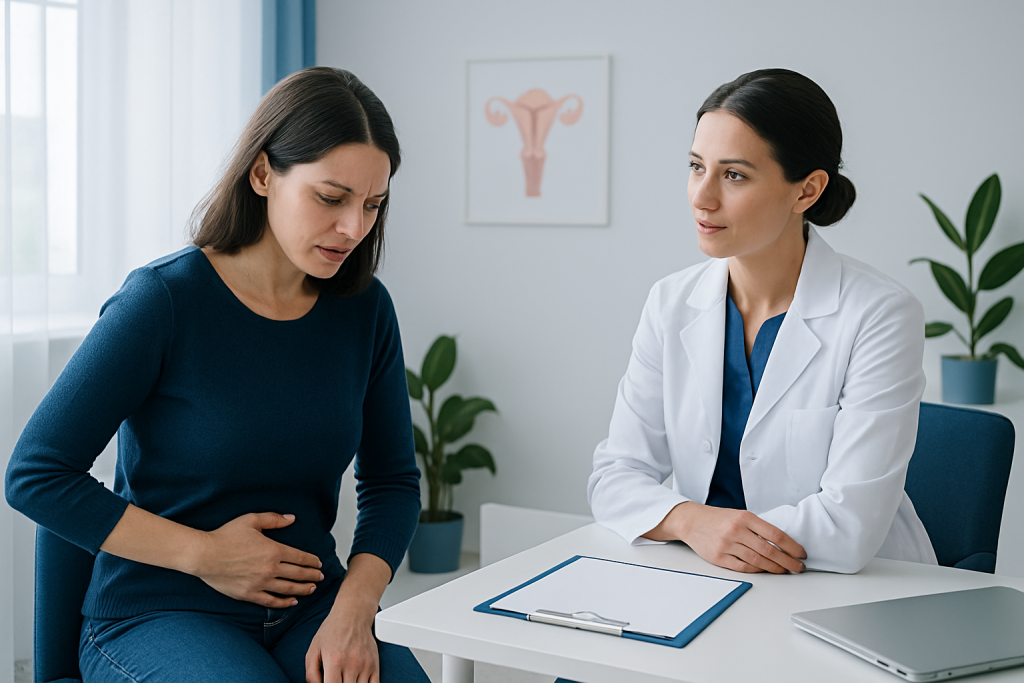
Symptoms suggestive of high estrogen can happen for several reasons. In women of reproductive age, normal cycle-related hormone shifts are one of the most common explanations. Estrogen rises before ovulation and interacts closely with progesterone afterward, so some symptoms reflect relative imbalance rather than a continuously elevated estrogen level. Pregnancy, perimenopause, and some forms of hormonal contraception can also change estrogen exposure.
Body fat can influence estrogen because adipose tissue helps convert other hormones into estrogen. For this reason, overweight and obesity may contribute to higher estrogen activity in both women and men. Certain medicines, including some hormone therapies, fertility medications, and drugs that affect liver metabolism, may also play a role. Liver disease matters because the liver helps process hormones, and reduced liver function can affect hormone balance.
Underlying medical conditions are another important consideration. These may include ovarian cysts, hormone-producing ovarian tumors, polycystic ovary syndrome, testicular disorders, thyroid disease, and rare adrenal disorders. Some people with fibroids or ovarian cysts may first seek care because of bleeding, pelvic pressure, or cycle changes that seem related to estrogen. Rarely, estrogen-sensitive cancers or other endocrine conditions are involved, which is why persistent or unusual symptoms should not be self-diagnosed.
Related conditions that may be confused with high estrogen
Many symptoms associated with high estrogen overlap with common gynecologic and endocrine conditions. Heavy or prolonged periods may be due to uterine fibroids, adenomyosis, endometrial polyps, thyroid disorders, bleeding disorders, or perimenopause. Pelvic pain and bloating may also occur with endometriosis, irritable bowel symptoms, or benign ovarian cysts. A symptom pattern alone cannot confirm the cause.
Some people use the phrase “estrogen dominance” to describe symptoms that are thought to reflect too much estrogen relative to progesterone. While this term is widely used online, it is not a single formal diagnosis and can oversimplify complex hormone patterns. Clinicians usually focus instead on measurable hormone levels, menstrual history, age, medication use, and whether there is evidence of conditions such as endometriosis or fibroids.
In men, gynecomastia can be related to obesity, puberty, medicines, liver disease, low testosterone, or rarely a hormone-producing tumor. Because breast enlargement in men can also occasionally reflect a breast mass or other disorder, a doctor may recommend examination and testing if the change is new, one-sided, painful, or progressive.
How doctors diagnose the cause
Diagnosis starts with a detailed history. A doctor will usually ask about the timing of symptoms, menstrual pattern, medications and supplements, pregnancies, contraception, weight changes, headaches, breast symptoms, sexual health, and family history. In men, questions may include puberty history, fertility concerns, testicular symptoms, and use of anabolic steroids or other hormones. A physical exam may include the breasts, abdomen, pelvis, or testes, depending on the symptoms.
Blood tests may be helpful, but they are selected carefully because hormone levels change over time and can be difficult to interpret without context. Depending on the situation, tests may include estradiol, progesterone, testosterone, luteinizing hormone, follicle-stimulating hormone, thyroid function, prolactin, and liver function tests. A pregnancy test may be needed in women of reproductive age with cycle changes or abnormal bleeding.
Imaging is sometimes part of the evaluation. Pelvic ultrasound can help assess ovarian cysts, fibroids, endometrial thickness, or other structural causes of symptoms. Mammography or breast ultrasound may be recommended when breast changes need closer review. In selected cases, doctors may suggest MRI or additional endocrine testing to clarify a suspected tumor or another less common cause. The aim is not only to measure hormones but to identify why symptoms are happening.
Treatment options depend on the cause
There is no single treatment for high estrogen symptoms because care depends on the underlying reason. If symptoms are related to a medicine or hormone therapy, a doctor may adjust the type, timing, or dose. If weight gain, alcohol use, or liver health is contributing, lifestyle changes and treatment of associated conditions can help restore balance over time. For some people, watchful follow-up is appropriate when symptoms are mild and linked to a normal life stage such as perimenopause.
When heavy bleeding, pelvic pain, or cycle irregularity is caused by a gynecologic problem, treatment may target that specific condition. This may include hormonal medicines, procedures to remove polyps or fibroids, or surgery when needed. For example, some patients with persistent structural causes of bleeding may be evaluated for hysterectomy or other gynecologic procedures, depending on age, fertility plans, and overall health.
In men, treatment may involve reviewing medications, addressing obesity or liver disease, or investigating low testosterone and testicular conditions. Gynecomastia that persists or causes discomfort may need specialist evaluation. If a hormone-producing growth is suspected, treatment focuses on removing or treating the source. In more complex cases, care may involve endocrinology, gynecology, breast health, radiology, and sometimes surgery such as ovarian surgery when an ovarian mass requires specialist management.
Self-care and hormone-supporting habits
Self-care cannot treat every cause, but it can support overall hormone health and help some symptoms feel more manageable. Maintaining a healthy weight, staying physically active, limiting alcohol, and sleeping regularly may improve well-being and reduce factors that can worsen hormone imbalance. A balanced eating pattern that supports metabolic and liver health is often part of long-term care.
It is also helpful to track symptoms over time. Recording menstrual dates, bleeding pattern, headaches, breast tenderness, bloating, mood changes, and medication use can give a doctor valuable clues. This is especially useful when symptoms vary across the menstrual cycle or appear after starting a new medicine. People should avoid starting over-the-counter hormone products or supplements without medical advice, because these can interfere with symptoms and test results.
Regular preventive care matters as well. Routine gynecologic checkups, breast awareness, and age-appropriate screening tests can help identify related issues early. If symptoms are affecting daily life, it is reasonable to ask for a structured evaluation rather than assuming they are “just hormones.”
When to seek medical care
A medical review is appropriate if high estrogen symptoms are persistent, recurring, or interfering with daily life. A person should make an appointment if they develop heavy or irregular periods, new breast changes, pelvic pain, unexplained weight change, fertility concerns, or gynecomastia. Symptoms after menopause, especially vaginal bleeding, should always be assessed promptly because they are not considered normal.
Urgent care is needed for very heavy bleeding, severe pelvic or abdominal pain, fainting, shortness of breath, chest pain, or a rapidly enlarging breast or pelvic mass. These symptoms can have causes beyond hormone imbalance and should not be managed at home. Men should also seek prompt care for a new one-sided breast lump or testicular change.
For patients who need multidisciplinary evaluation, Acibadem International’s specialists in endocrinology, gynecology, breast health, imaging, and surgery at JCI-accredited hospitals diagnose and treat hormone-related conditions for international patients. If symptoms point to a broader gynecologic issue, doctors may also evaluate related concerns such as uterine fibroids as part of a complete workup.
Frequently asked questions
What are the most common high estrogen symptoms?
Common symptoms include breast tenderness, bloating, headaches, heavy or irregular periods, mood changes, and fatigue. In men, symptoms may include breast tissue enlargement, reduced libido, or fertility concerns. These symptoms can also happen with other hormone or medical conditions.
Can you have high estrogen symptoms even if blood tests are normal?
Yes. Symptoms may reflect normal hormone fluctuations, a relative imbalance between hormones, or another condition that mimics estrogen excess. Doctors interpret blood tests together with age, menstrual timing, medicines, and the overall clinical picture.
Does high estrogen always mean a serious medical problem?
No. Many cases are linked to normal cycle changes, perimenopause, medication effects, or weight-related hormone shifts. Still, persistent, worsening, or unusual symptoms deserve medical assessment to rule out underlying conditions.
Can high estrogen cause weight gain?
Hormones can influence body fat distribution, fluid retention, and appetite, so some people notice weight fluctuation. However, weight gain is usually influenced by several factors, including sleep, diet, activity level, stress, and other medical conditions. It should not be attributed to estrogen alone without evaluation.
How do doctors check for high estrogen?
Doctors usually begin with a history and physical exam, then order tests based on the symptoms. These may include hormone tests, thyroid and liver function tests, a pregnancy test, or imaging such as pelvic ultrasound. The goal is to find the cause, not just measure one hormone level.
When should a person worry about high estrogen symptoms?
Medical advice is recommended if symptoms are persistent, disruptive, or new after menopause. Prompt assessment is important for very heavy bleeding, severe pain, new breast lumps, one-sided breast enlargement in men, or unexplained pelvic masses. These symptoms may need urgent evaluation.
References
- World Health Organization
- American College of Obstetricians and Gynecologists
- Endocrine Society
- National Institutes of Health
- Office on Women's Health
This article is for general information only and is not a substitute for professional medical advice. Please consult a qualified doctor about your individual situation.
Persistent digestive symptoms? Get evaluated in Turkey
JCI-accredited · board-certified surgeons · reply within 24h
Add us as a Preferred Source to see more of our trusted health content across Google Search, AI Overviews and Discover.
Check your numbers in seconds
BMI, calories, due date, blood pressure and 30+ more clinical calculators — free, instant, doctor-reviewed ranges.