Thyroid Hormones — Explained by Medical Evidence, Not Myths

The main thyroid hormones are T4 (thyroxine) and T3 (triiodothyronine), which regulate how the body uses energy. Thyroid-stimulating hormone, or TSH, helps control thyroid hormone production and is central to testing.
Key Takeaways
- The main thyroid hormones are T4 (thyroxine) and T3 (triiodothyronine), which regulate how the body uses energy.
- Thyroid-stimulating hormone, or TSH, helps control thyroid hormone production and is central to testing.
- Low thyroid hormone levels often cause tiredness, feeling cold, constipation, dry skin, and weight gain.
- High thyroid hormone levels may lead to palpitations, heat intolerance, anxiety, tremor, and unintentional weight loss.
- Blood tests, medical history, and sometimes imaging help identify the cause of thyroid hormone imbalance.
- Treatment depends on the underlying problem and may include monitoring, medication, or specialist care.
Thyroid hormones are chemical messengers made by the thyroid gland that help control metabolism, heart rate, body temperature, digestion, mood, and normal growth. When thyroid hormone levels are too low or too high, the body’s systems can slow down or speed up, so symptoms and blood tests help guide diagnosis and treatment.
Overview: what thyroid hormones do
Thyroid hormones are substances produced by the thyroid gland, a small butterfly-shaped gland in the front of the neck. The two main thyroid hormones are thyroxine (T4) and triiodothyronine (T3). Together, they help set the body’s metabolic pace, influencing how fast cells use energy and how organs such as the heart, brain, muscles, and digestive system function.
These hormones do not work alone. The pituitary gland in the brain releases thyroid-stimulating hormone (TSH), which tells the thyroid how much hormone to make. In simple terms, this is a feedback system: when thyroid hormone levels fall, TSH often rises to stimulate the gland; when levels rise, TSH usually drops.
Medical evidence shows that thyroid hormones are essential across the lifespan. They support normal growth and brain development in babies and children, and in adults they affect energy, menstrual cycles, cholesterol levels, bowel function, bone turnover, mood, and temperature regulation. This is why even a mild imbalance can cause a wide range of symptoms.
Not every symptom linked online to thyroid disease is caused by the thyroid. Fatigue, hair shedding, weight change, and mood symptoms can have many causes. A careful medical evaluation and properly interpreted blood tests are the best way to understand whether thyroid hormones are involved.
How the thyroid system works
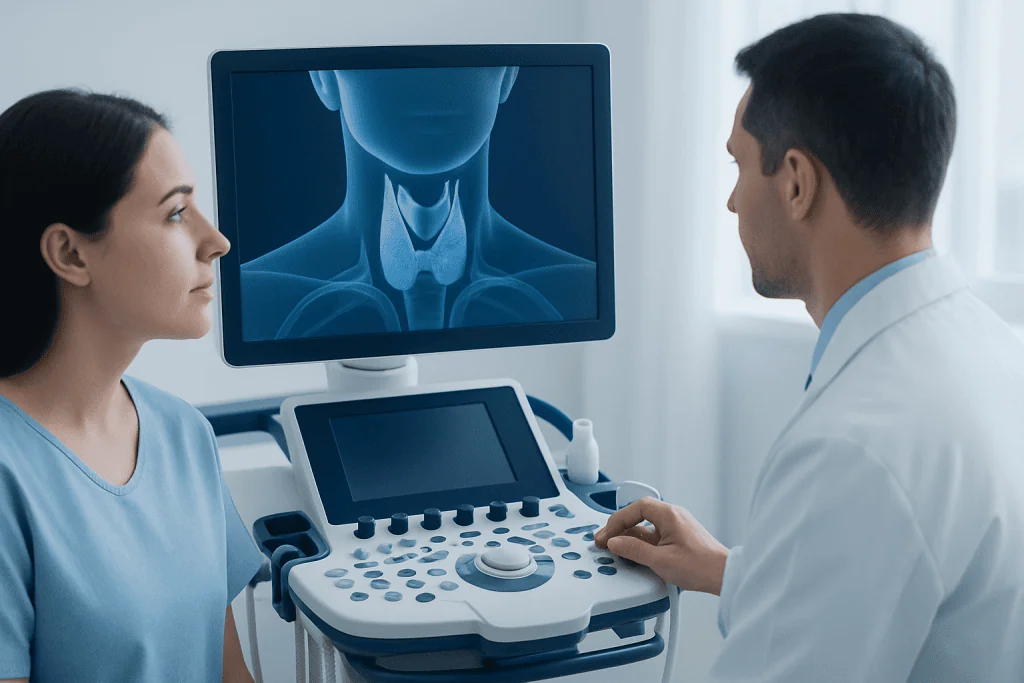
The thyroid produces mostly T4 and a smaller amount of T3. T4 acts largely as a prohormone, meaning much of it is converted in body tissues into the more active hormone, T3. This conversion allows the body to fine-tune thyroid hormone action according to its needs.
The hypothalamus and pituitary gland help regulate this process. The hypothalamus releases TRH, which signals the pituitary to release TSH. TSH then stimulates the thyroid gland. This network is often called the hypothalamic-pituitary-thyroid axis, and it is the reason doctors usually check TSH along with free T4 and, in some cases, T3.
Iodine is also important because the thyroid uses it to make hormones. Most people get enough iodine through diet, especially where iodized salt is available. However, both too little and too much iodine can contribute to thyroid problems in some situations.
Because thyroid hormones affect many organs, an imbalance may look different from one person to another. Some people develop obvious symptoms, while others feel well and only learn about a thyroid issue after routine blood work.
Symptoms of low and high thyroid hormone levels

When thyroid hormone levels are too low, the condition is called hypothyroidism. Body processes tend to slow down. Common symptoms include fatigue, feeling cold, dry skin, constipation, slowed thinking, low mood, muscle aches, puffiness, hoarseness, and weight gain or difficulty losing weight. Menstrual changes and fertility difficulties can also occur.
When thyroid hormone levels are too high, the condition is called hyperthyroidism. Body systems may speed up. Typical symptoms include a rapid heartbeat, palpitations, tremor, sweating, heat intolerance, anxiety, irritability, frequent bowel movements, sleep problems, muscle weakness, and unintentional weight loss despite normal or increased appetite.
Some symptoms overlap with other health conditions. For example, fatigue can happen with anemia, poor sleep, depression, heart disease, or vitamin deficiencies. Palpitations may be related to stress, caffeine, or heart rhythm disorders. This is one reason why symptoms alone cannot confirm a thyroid diagnosis.
Certain thyroid conditions may also cause visible neck swelling, called a goiter, or eye symptoms in autoimmune hyperthyroidism. Readers looking for more on overactive thyroid disease may find it helpful to learn about hyperthyroidism and its causes. Similarly, symptoms of underactive thyroid disease are discussed in hypothyroidism.
Causes and risk factors
The most common causes of thyroid hormone imbalance differ depending on whether hormone levels are low or high. Hypothyroidism is often caused by autoimmune thyroiditis, in which the immune system gradually damages the thyroid. It can also occur after thyroid surgery, after certain treatments for hyperthyroidism, or because of some medications. Less commonly, pituitary problems reduce TSH production and lead to low thyroid hormone levels.
Hyperthyroidism is commonly caused by Graves’ disease, an autoimmune condition that overstimulates the thyroid. Other causes include thyroid nodules that make excess hormone, inflammation of the thyroid gland, and taking too much thyroid hormone medicine. Temporary changes can sometimes happen after pregnancy or during periods of thyroid inflammation.
Risk factors include a personal or family history of thyroid disease, other autoimmune conditions, pregnancy or the postpartum period, older age, prior radiation to the neck, and certain medications such as amiodarone, lithium, or immune therapies. Women are affected more often than men, although thyroid disorders can occur in anyone.
Many people ask whether stress alone causes thyroid disease. Stress can affect well-being and may worsen how symptoms feel, but it is not usually the direct cause of a thyroid hormone disorder. Evidence-based diagnosis focuses on measurable hormone levels, thyroid antibodies in selected cases, imaging findings, and the clinical picture.
Diagnosis and thyroid function testing
Diagnosis starts with a medical history and physical examination. A doctor will ask about symptoms, medicines, family history, pregnancy status, and whether there are signs such as a goiter, tremor, slow reflexes, or a fast pulse. These clues help determine which tests are most useful.
The main blood test is TSH. Because TSH responds to changes in thyroid hormone levels, it is often the most sensitive first step. Doctors commonly add free T4, and sometimes T3, especially if hyperthyroidism is suspected. Thyroid antibody tests may be helpful when an autoimmune cause is likely.
Imaging is not necessary for every patient, but it may be used in specific situations. Thyroid ultrasound can assess nodules or enlargement. A radioactive iodine uptake scan may help determine why the thyroid is overactive. If structural thyroid disease is suspected, patients may also be evaluated through thyroid ultrasound as part of a broader workup.
Results need careful interpretation. Mild abnormalities can be temporary or influenced by acute illness, pregnancy, supplements such as biotin, or medications. For this reason, repeat testing is sometimes needed before confirming a diagnosis or changing treatment. If nodules are found, further assessment may include thyroid biopsy when appropriate.
Treatment options based on the cause
Treatment is guided by the underlying diagnosis, the degree of hormone imbalance, symptoms, age, pregnancy status, and other health conditions. Hypothyroidism is usually treated with thyroid hormone replacement, most often levothyroxine, which replaces the hormone the body is not making in sufficient amounts. Blood tests are repeated after treatment starts or changes so the dose can be adjusted safely.
Hyperthyroidism treatment may involve medicines that reduce thyroid hormone production, medicines that control symptoms such as a fast heart rate, radioactive iodine in selected cases, or surgery. The right option depends on the cause, whether there is a large goiter or nodules, whether the person is pregnant, and personal preferences discussed with an endocrinologist or surgeon.
People with thyroid nodules, compressive goiter, or thyroid cancer may need procedural or surgical treatment. In carefully selected patients, management can include thyroid surgery. The goal is not simply to change a lab result, but to restore normal hormone balance and address the condition causing the imbalance.
Alternative supplements and online “thyroid boosters” are often marketed with broad claims, but evidence for many of these products is limited or absent, and some may interfere with medicines or tests. Patients should discuss supplements with a qualified doctor rather than self-treating persistent symptoms.
Self-care, monitoring, and prevention
Most thyroid disorders cannot be fully prevented, especially when they are autoimmune. Still, good self-care supports treatment and overall health. Taking thyroid medicine exactly as prescribed, attending follow-up visits, and having blood tests at the recommended times are among the most important steps.
A balanced diet usually provides enough iodine without the need for extra supplementation. Unless a doctor recommends it, large doses of iodine or kelp products are generally not advised, because excess iodine can worsen thyroid dysfunction in some people. It is also helpful to tell healthcare professionals about all vitamins and supplements, especially biotin, because they can affect blood test results.
During pregnancy or when planning pregnancy, thyroid hormone levels deserve particular attention because they are important for maternal health and fetal development. People who already have thyroid disease should let their doctor know early, since treatment often needs closer monitoring during this time.
For patients who need specialist care, Acibadem International’s multidisciplinary specialists and JCI-accredited hospitals diagnose and treat thyroid conditions for international patients. Ongoing monitoring is often just as important as the initial diagnosis, especially after medication changes, pregnancy, surgery, or treatment for thyroid cancer.
When to seek medical care
Medical review is advisable if symptoms such as unexplained fatigue, persistent constipation, feeling unusually cold or hot, hair changes, neck swelling, tremor, palpitations, or unexplained weight change continue for more than a short time. An appointment is also sensible if there is a strong family history of thyroid disease or if symptoms begin during pregnancy or after childbirth.
More urgent assessment is important for chest pain, severe shortness of breath, fainting, marked confusion, or a very fast or irregular heartbeat. These symptoms can have several causes, some unrelated to the thyroid, but they should not be ignored.
Anyone already taking thyroid medicine should contact a doctor if symptoms suddenly worsen, if a new medication is started that may interact with treatment, or if blood test follow-up has been missed. Children, older adults, and pregnant patients may need earlier assessment because thyroid hormone imbalance can affect development, heart health, and pregnancy outcomes.
In general, thyroid problems are manageable, but the safest path is not to guess. A qualified clinician can interpret symptoms, blood tests, and imaging together and recommend the next step based on evidence rather than myths.
Frequently asked questions
What are thyroid hormones?
Thyroid hormones are chemical messengers made by the thyroid gland. The main ones are T4 and T3, and they help regulate metabolism, heart rate, temperature, digestion, energy use, and normal growth and development.
What is the difference between T3, T4, and TSH?
T4 and T3 are the actual thyroid hormones, while TSH is a hormone made by the pituitary gland that tells the thyroid how hard to work. T4 is produced in larger amounts, and much of it is converted in tissues into T3, the more active form.
Can thyroid hormone imbalance cause weight gain or weight loss?
Yes. Low thyroid hormone levels can slow metabolism and may contribute to weight gain, while high levels can speed metabolism and may lead to weight loss. However, weight changes are rarely caused by the thyroid alone, so proper evaluation is important.
Are thyroid symptoms enough to diagnose a thyroid disorder?
No. Many thyroid-related symptoms overlap with common issues such as stress, poor sleep, anemia, menopause, or heart conditions. Blood tests such as TSH and free T4 are usually needed to confirm whether thyroid hormones are out of balance.
Can thyroid hormone levels change during pregnancy?
Yes. Pregnancy changes thyroid physiology, and people with existing thyroid disease often need closer monitoring. Proper thyroid management during pregnancy is important because thyroid hormones support both maternal health and fetal development.
Do supplements or diet changes cure thyroid hormone problems?
Most thyroid hormone disorders are not cured by supplements or diet alone. A healthy diet supports overall health, but proven treatment depends on the cause and may require prescription medication, monitoring, or specialist care.
References
- American Thyroid Association
- National Institute of Diabetes and Digestive and Kidney Diseases
- National Institutes of Health
- Endocrine Society
- Mayo Clinic
This article is for general information only and is not a substitute for professional medical advice. Please consult a qualified doctor about your individual situation.
Medical weight-loss options in Turkey — costs & eligibility
JCI-accredited · board-certified surgeons · reply within 24h
Add us as a Preferred Source to see more of our trusted health content across Google Search, AI Overviews and Discover.
Check your numbers in seconds
BMI, calories, due date, blood pressure and 30+ more clinical calculators — free, instant, doctor-reviewed ranges.

More from the Health Library

Below tongue bumps: Symptoms, Causes, and Treatment — Complete Patient Guide

Types of Dwarfism: What Patients Need to Know

Medicine Ball: An Evidence-Based Guide for Patients

Zinc Benefits: A Complete Medical Overview

Self Absorbed — Explained by Medical Evidence, Not Myths