Latanoprost — Explained by Medical Evidence, Not Myths

Latanoprost helps reduce eye pressure by increasing fluid outflow from the eye. It is commonly prescribed for open-angle glaucoma and ocular hypertension.
Key Takeaways
- Latanoprost helps reduce eye pressure by increasing fluid outflow from the eye.
- It is commonly prescribed for open-angle glaucoma and ocular hypertension.
- Common side effects include mild eye redness, irritation, and gradual changes in eyelash growth or iris color.
- It should be used exactly as prescribed, usually once daily, and not more often unless a doctor advises otherwise.
- Urgent medical advice is needed for severe eye pain, sudden vision changes, or signs of an allergic reaction or eye infection.
Latanoprost is a prescription eye drop used mainly to lower pressure inside the eye in people with glaucoma or ocular hypertension. It is effective for many patients, but safe use depends on correct technique, regular follow-up, and understanding expected side effects versus signs that need medical review.
What latanoprost is and what it is used for
Latanoprost is a prescription medicine used as an eye drop to lower intraocular pressure, which means the pressure inside the eye. It is most often prescribed for people with open-angle glaucoma or ocular hypertension. In simple terms, it helps the eye drain fluid more effectively, which can reduce pressure and help protect the optic nerve over time.
This medicine belongs to a group called prostaglandin analogs. These medicines do not cure glaucoma, but they can play an important role in long-term control of eye pressure. Because glaucoma often develops gradually and may not cause early symptoms, treatment is usually focused on prevention of future vision loss rather than relief of noticeable discomfort.
Latanoprost is commonly chosen because it is effective, convenient, and often used once a day. For many patients, it becomes part of a long-term eye care plan that may also include monitoring tests, lifestyle guidance, and sometimes other medicines or procedures. People with concerns about glaucoma or eye pressure should discuss their treatment options with an ophthalmologist.
How latanoprost works in the eye
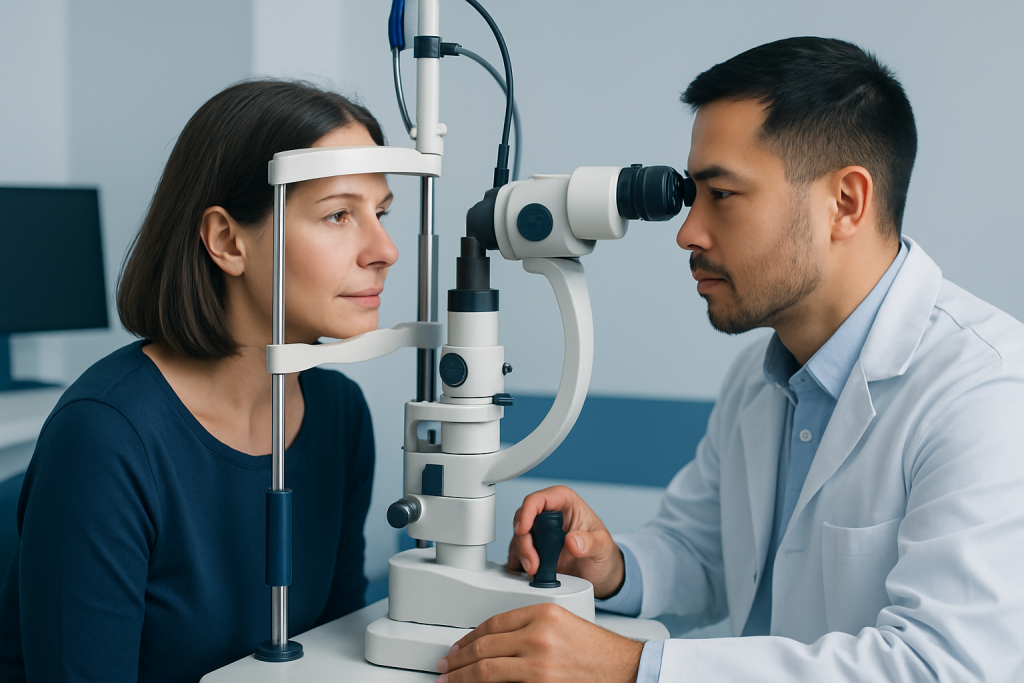
The eye constantly produces a clear fluid called aqueous humor. Healthy eyes keep pressure balanced by making and draining this fluid at a steady rate. When drainage is reduced, pressure can rise. Over time, high pressure may damage the optic nerve, which carries visual information from the eye to the brain.
Latanoprost works by increasing the outflow of this fluid through one of the eye’s natural drainage pathways. As drainage improves, pressure inside the eye usually falls. This effect can help lower the risk of progressive optic nerve damage in people whose pressure is too high.
The medicine does not usually improve eyesight that has already been lost, and many people do not feel a difference after using it. That is one reason regular checkups are important. Eye pressure may improve even when there are no obvious day-to-day changes in symptoms.
Although it is most associated with glaucoma care, not every patient with eye pressure concerns needs the same treatment. Doctors individualize therapy based on pressure readings, optic nerve appearance, visual field testing, age, other health conditions, and tolerance of medication.
Who may be prescribed latanoprost

Latanoprost is most often prescribed for adults with open-angle glaucoma or ocular hypertension. In these conditions, lowering eye pressure can reduce the risk of damage to the optic nerve. Doctors may recommend it as a first treatment or add it to another medicine if one drop alone is not enough.
Some people may need extra caution before using latanoprost. This can include those with a history of certain eye inflammations, recent eye surgery, specific retinal conditions, or sensitivity to ingredients in the drop. People who wear contact lenses may also need instructions about when to remove and reinsert lenses around dosing.
Use in children, pregnancy, or breastfeeding should always be guided by a qualified clinician who can weigh potential benefits and risks. Patients should also tell their doctor about all eye drops they use, since combining products without a plan can affect both effectiveness and tolerance.
If eye pressure remains difficult to control, the doctor may discuss further evaluation and treatment options, including glaucoma treatment approaches such as laser procedures or surgery when appropriate.
How to use latanoprost correctly
Latanoprost should be used exactly as prescribed. It is commonly taken once daily in the affected eye or eyes, often in the evening, but the patient’s own prescription should always guide use. Using it more often does not make it work better and may reduce its pressure-lowering effect.
Before applying the drop, hands should be washed thoroughly. The bottle tip should not touch the eye, eyelid, fingers, or any surface, as this can contaminate the medicine. After placing a drop in the eye, gently closing the eye for a short time may help the medicine stay in contact with the eye. Some clinicians also advise light pressure at the inner corner of the eye for a brief period to reduce drainage into the tear duct.
If a person uses more than one eye medicine, there should usually be a short gap between products so one drop does not wash out the other. Ointments are usually applied last. Contact lens wearers should follow product-specific guidance from their doctor or pharmacist, especially if the drops contain preservatives that can be absorbed by lenses.
If a dose is missed, the next scheduled dose is usually taken as normal rather than doubling up. Storage instructions can vary by product and brand, so the pharmacy label should be checked carefully. When technique is uncertain, a doctor, nurse, or pharmacist can demonstrate the safest way to apply the drops.
Side effects and changes patients should know about
Like all medicines, latanoprost can cause side effects. Many are mild and localized to the eye. Common effects include mild redness, stinging when the drop is placed, eye irritation, blurred vision for a short time after use, and a feeling that something is in the eye. These symptoms often improve as the eye adjusts, but persistent discomfort should be discussed with a clinician.
Latanoprost is also known for some gradual cosmetic changes. Eyelashes may become longer, thicker, darker, or more numerous. The skin of the eyelid may darken in some people. The colored part of the eye, especially in mixed-color irises, may gradually become browner. This change can be long lasting and may not reverse after stopping treatment.
Less commonly, more significant problems can occur. These may include worsening eye inflammation, swelling in the back of the eye in susceptible patients, or increased sensitivity in people with certain corneal or retinal conditions. Patients should tell their doctor if they have a history of uveitis, herpes infection involving the eye, or previous retinal disease.
- Mild redness or irritation is common and not always dangerous.
- Temporary blurred vision may happen right after applying the drop.
- Iris color and eyelash changes can develop gradually over time.
- New severe pain, marked redness, discharge, or sudden vision change needs prompt medical advice.
When latanoprost may not be suitable and how doctors monitor treatment
Not everyone is an ideal candidate for latanoprost. A doctor may choose a different treatment if the patient has had a previous allergic reaction to the medicine, cannot tolerate side effects, or has an eye condition that makes another option safer. The decision depends on the whole clinical picture rather than eye pressure alone.
Monitoring is an important part of treatment. Follow-up visits may include measurement of eye pressure, examination of the optic nerve, and tests of peripheral vision. These checks help the doctor see whether the medicine is working well enough and whether the target pressure for that patient is being reached.
If pressure remains elevated, the treatment plan may change. This can include adding another type of eye drop, reviewing adherence and drop technique, or considering procedures such as laser eye surgery when clinically appropriate for pressure control. In selected cases, imaging and other tests may help clarify the cause of symptoms or assess eye structures in more detail.
For some patients with complex or unclear eye findings, specialists may recommend broader eye evaluation, including a detailed eye examination to assess the cornea, lens, retina, and optic nerve before deciding on the next step.
Practical self-care and what supports safe long-term use
Good long-term results depend on consistent use. Because glaucoma and ocular hypertension may not cause obvious symptoms, some people stop their drops when they feel well. That can allow pressure to rise again without warning. Building the drop into a regular routine, such as linking it to evening tooth brushing, can make treatment easier to remember.
Patients should keep a current list of their medicines and bring it to eye appointments. It is also sensible to mention past eye surgery, dry eye symptoms, contact lens use, and any irritation from drops. If side effects make the medicine hard to continue, the answer is usually not to stop treatment without advice, but to ask about alternatives or preservative-related sensitivity.
General eye health habits can also help support care. These include attending regular appointments, protecting the eyes from injury, controlling chronic conditions such as diabetes or high blood pressure when present, and seeking timely review for new symptoms. For people with diagnosed glaucoma, ongoing specialist follow-up is essential even when vision seems unchanged.
Near the end of the care pathway, some patients seek coordinated review in a specialist center. Acibadem International’s multidisciplinary specialists and JCI-accredited hospitals diagnose and treat eye conditions for international patients when more detailed assessment or follow-up planning is needed.
When to seek medical care
Routine medical care is important for anyone using latanoprost, but some situations need quicker attention. A patient should contact a doctor promptly if eye redness becomes significant, irritation is persistent, or vision stays blurred beyond the brief period expected after putting the drop in.
Urgent medical care is needed for severe eye pain, sudden loss of vision, halos with acute worsening, major light sensitivity, thick discharge, or symptoms of an allergic reaction such as facial swelling or trouble breathing. These are not typical expected effects and may point to another eye problem or a serious reaction.
People should also seek review if they think the bottle was contaminated, they used the wrong drops, or they are unsure how to combine latanoprost with other eye medicines. A clinician can confirm the cause of symptoms, adjust treatment safely, and help protect vision over time.
Frequently asked questions
What is latanoprost used for?
Latanoprost is mainly used to lower pressure inside the eye. It is commonly prescribed for open-angle glaucoma and ocular hypertension to help reduce the risk of optic nerve damage.
How quickly does latanoprost start working?
Latanoprost begins lowering eye pressure within hours, but the full effect is usually assessed over days to weeks. Doctors judge its success at follow-up visits by measuring eye pressure and checking the health of the optic nerve.
What are the most common side effects of latanoprost?
Common side effects include mild eye redness, stinging, irritation, and temporary blurred vision after applying the drop. Over time, some people also notice eyelash growth or darkening of the iris or eyelid skin.
Can latanoprost permanently change eye color?
Yes, in some patients latanoprost can gradually make the iris appear browner, especially in eyes with mixed colors. This change may be long lasting, so it is important to discuss it before or during treatment.
Is it safe to use latanoprost every day?
For many patients, yes, but it should only be used as prescribed by a doctor. Daily regular use is often important for controlling eye pressure, while using it more often than directed may be less effective or increase unwanted effects.
What should someone do if they miss a dose of latanoprost?
If a dose is missed, the next dose is usually taken at the normal scheduled time. Patients should not double the dose unless a doctor specifically tells them to do so.
This article is for general information only and is not a substitute for professional medical advice. Please consult a qualified doctor about your individual situation.
Explore treatments in Turkey — costs, top hospitals & a free quote
JCI-accredited · board-certified surgeons · reply within 24h
Add us as a Preferred Source to see more of our trusted health content across Google Search, AI Overviews and Discover.

More from the Health Library

Signs your vasectomy grow back together: Symptoms, Causes, and Treatment — Complete Patient Guide

Blackish Yellow Urine: An Evidence-Based Guide for Patients

Purple Stretch Marks: What Patients Need to Know

Ozempic Dosing Schedule — Explained by Medical Evidence, Not Myths

COPD Alternative Remedies: An Evidence-Based Guide for Patients