Respiratory: An Evidence-Based Guide for Patients

Respiratory symptoms can range from mild congestion or cough to shortness of breath and chest tightness. Common respiratory causes include infections, allergies, asthma, chronic lung disease, smoking exposure, and environmental irritants.
Key Takeaways
- Respiratory symptoms can range from mild congestion or cough to shortness of breath and chest tightness.
- Common respiratory causes include infections, allergies, asthma, chronic lung disease, smoking exposure, and environmental irritants.
- Diagnosis often combines a medical history, physical examination, oxygen measurement, imaging, and lung function tests.
- Treatment depends on the cause and may include rest, avoiding triggers, inhaled medicines, antibiotics only when appropriate, or oxygen support.
- Urgent medical care is needed for severe shortness of breath, blue lips, confusion, chest pain, or worsening breathing.
Respiratory health refers to how well the airways and lungs move oxygen into the body and remove carbon dioxide. This guide explains common respiratory symptoms, likely causes, how doctors diagnose problems, and what patients can do to protect breathing and seek care at the right time.
Overview: what respiratory health means
Respiratory health describes the function of the nose, throat, airways, and lungs in bringing oxygen into the body and clearing carbon dioxide out. When people search for “respiratory,” they are usually asking about breathing symptoms, lung conditions, or how to recognize when a breathing problem needs medical attention. In simple terms, a respiratory problem is anything that makes breathing feel different, difficult, noisy, painful, or less effective than usual.
The respiratory system includes the upper airways, such as the nose and throat, and the lower airways, such as the windpipe, bronchi, and lungs. These structures warm and filter air, exchange gases, and help the body respond to exercise, sleep, infection, and environmental exposure. Because breathing is continuous, even mild irritation can feel noticeable and disruptive.
Respiratory symptoms are common and often caused by short-term issues such as viral infections, seasonal allergies, or exposure to smoke. However, some symptoms may point to longer-term conditions like asthma or chronic obstructive pulmonary disease. A clear medical assessment helps distinguish self-limited illness from conditions that need closer monitoring or treatment.
Common respiratory symptoms patients notice
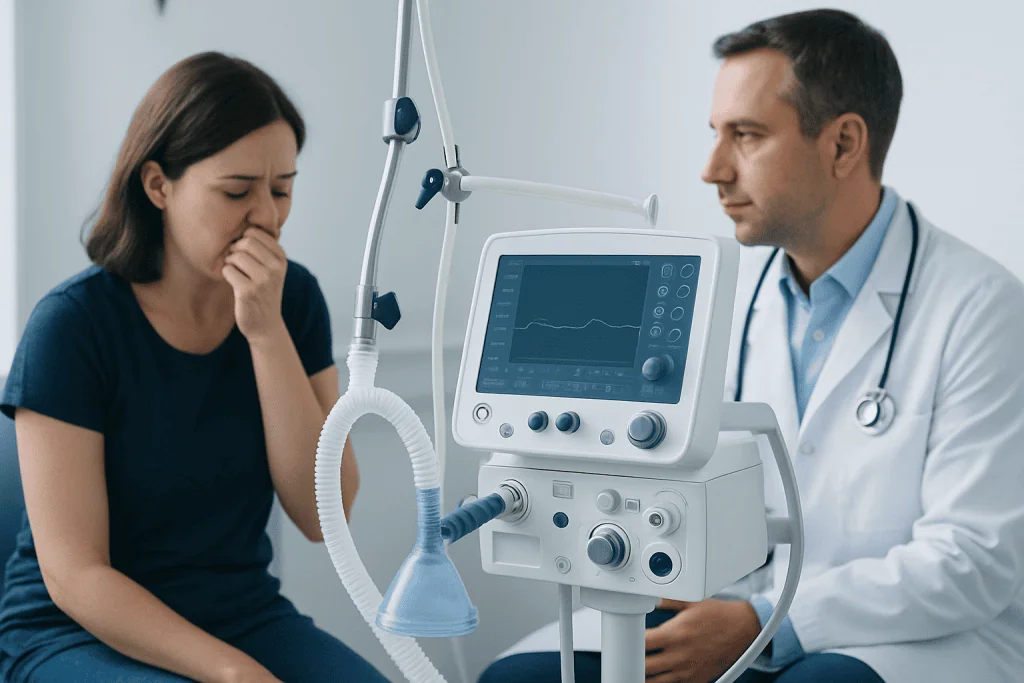
Respiratory symptoms can begin suddenly, as with a cold or allergic reaction, or develop gradually over weeks to months. People may notice cough, shortness of breath, wheezing, chest tightness, congestion, mucus production, sore throat, or noisy breathing. Some also feel unusually tired, especially during walking or climbing stairs, because the body is working harder to breathe.
Not all symptoms carry the same meaning. A dry cough may occur with viral illness, asthma, reflux, or medication side effects. Wheezing often suggests narrowed airways, while coughing up mucus may happen with bronchitis or other infections. Pain with deep breathing can occur with inflammation in the airways or tissues around the lungs, but chest pain should always be taken seriously and assessed in context.
Symptoms that last more than expected, return frequently, or limit normal activity deserve medical review. Children, older adults, pregnant people, and those with heart disease, chronic lung disease, or weakened immunity may need earlier assessment even when symptoms seem mild at first.
- Cough that lasts more than a few weeks
- Shortness of breath during rest or mild activity
- Wheezing or whistling sounds when breathing
- Chest tightness or discomfort with breathing
- Thick, bloody, or foul-smelling mucus
- Interrupted sleep due to coughing or breathlessness
Common causes and risk factors

Many respiratory problems are caused by infections. Viral illnesses such as the common cold, influenza, and COVID-19 can affect the nose, throat, and lungs. Bacterial infections may cause pneumonia or some sinus and throat infections, but not every cough or fever needs antibiotics. A doctor considers symptom pattern, examination findings, and testing before deciding on treatment.
Noninfectious causes are also very common. Allergies may trigger sneezing, congestion, cough, or wheezing. Asthma causes the airways to become inflamed and narrow, leading to intermittent breathing difficulty. Smoking, secondhand smoke, vaping, air pollution, dust, workplace chemicals, and mold can all irritate the lungs or worsen existing respiratory disease.
Long-term respiratory conditions become more likely with repeated exposure to irritants, family history, advanced age, and certain medical conditions. People with obesity, sleep apnea, reflux, heart failure, or immune problems may also develop breathing symptoms. In some cases, shortness of breath is not primarily a lung problem at all, which is why evaluation may also consider the heart, blood count, or physical conditioning.
Respiratory symptoms can occasionally reflect structural or serious disease, including pneumonia, pulmonary embolism, or lung cancer. These are less common than routine infections or allergies, but warning signs such as unexplained weight loss, coughing up blood, high fever, or worsening breathlessness should not be ignored.
How doctors diagnose respiratory problems
Diagnosis starts with a detailed history. A clinician asks when the symptoms began, whether they are improving or worsening, and what makes them better or worse. Exposure history matters too, including recent travel, sick contacts, smoking, workplace dust, household mold, pets, and seasonal triggers. A review of other medical conditions and medications helps place breathing symptoms in the wider picture of health.
The physical examination focuses on breathing rate, oxygen level, temperature, heart rate, and lung sounds. Doctors listen for wheezing, crackles, reduced airflow, or upper-airway congestion. They may also examine the throat, nose, heart, legs, and skin because swelling, dehydration, or poor circulation can provide important clues.
Further tests depend on the likely cause. Pulse oximetry measures oxygen saturation. Blood tests can help identify infection, inflammation, or anemia. Imaging, often a chest X-ray and sometimes chest X-ray or CT scan, may be used when pneumonia, chronic lung disease, or another structural problem is suspected. For ongoing cough, wheeze, or unexplained shortness of breath, doctors may request pulmonary function tests to assess how well the lungs move air.
Accurate diagnosis is important because the same symptom can have different causes. For example, a cough may come from infection, asthma, postnasal drip, reflux, or medication effects. Rather than relying on symptoms alone, clinicians combine history, examination, and selected tests to guide safe treatment.
Treatment options for respiratory conditions
Respiratory treatment depends on the cause, severity, and the patient’s overall health. Many mild viral respiratory illnesses improve with rest, fluids, fever control, and time. If allergies are the main problem, avoiding triggers and using appropriate allergy treatment may reduce inflammation in the nose and airways. When asthma or chronic airway disease is present, inhaled medicines are often a central part of treatment.
Doctors may prescribe bronchodilators to open the airways, inhaled corticosteroids to reduce inflammation, or other medicines based on the diagnosis. Antibiotics are used when a bacterial infection is likely or confirmed, not simply for every cough. In more severe cases, treatment may include nebulized therapy, oxygen support, or hospital monitoring if breathing becomes labored or oxygen levels fall.
Long-term respiratory care often involves more than medication. Smoking cessation, vaccination, trigger avoidance, and monitoring of symptoms can reduce flare-ups and improve daily function. Patients with chronic disease may be advised to keep an action plan that explains what to do if symptoms worsen and when to seek urgent help.
Some people need specialist care, especially if symptoms recur, standard treatment is not helping, or imaging and lung tests suggest a complex condition. At the appropriate stage, patients may be referred for bronchoscopy or specialist review. Near the end of the care pathway, Acibadem International’s multidisciplinary specialists in JCI-accredited hospitals diagnose and treat respiratory conditions for international patients when advanced evaluation is needed.
Prevention and self-care for better respiratory health
Many respiratory problems can be prevented or reduced with practical daily habits. Avoiding tobacco smoke is one of the most important steps for lung health. This includes cigarettes, cigars, vaping products, and secondhand smoke. Good ventilation at home and work, reducing dust and mold, and using protective equipment during chemical or particle exposure can also help protect the airways.
Vaccination is another effective preventive tool. Depending on age and health status, recommended vaccines may include influenza, COVID-19, pneumococcal, and other routine immunizations. Handwashing, staying home when acutely ill, and covering coughs and sneezes can reduce the spread of respiratory infections to others.
Self-care also supports recovery when symptoms are mild. Rest, hydration, humidified air, and following prescribed treatment plans can make breathing more comfortable. People with chronic respiratory conditions benefit from regular medical follow-up, exercise as tolerated, and prompt attention to early warning signs such as increased rescue inhaler use or new nighttime symptoms.
- Do not smoke, and avoid secondhand smoke whenever possible
- Keep vaccinations up to date based on medical advice
- Manage allergies and asthma triggers in the home and workplace
- Seek review for persistent cough, repeated wheezing, or reduced exercise tolerance
- Follow prescribed inhaler technique and review it regularly with a clinician
When to seek medical care
Medical care is appropriate whenever respiratory symptoms are severe, persistent, or different from a person’s usual pattern. Patients should arrange timely assessment if they have shortness of breath that is new or worsening, cough lasting longer than expected, repeated wheezing, high fever, or mucus that is bloody or unusually dark. Breathing symptoms in infants, older adults, or people with chronic illness should be taken especially seriously.
Urgent care is needed for warning signs such as trouble speaking because of breathlessness, blue lips or fingertips, confusion, fainting, severe chest pain, or signs that breathing is rapidly getting worse. These symptoms can indicate a significant problem that should not be managed at home. If a patient is unsure, it is safer to contact a doctor, urgent care service, or emergency service for guidance.
Even when symptoms do not seem urgent, early medical review can prevent complications and help patients avoid unnecessary treatments. A correct diagnosis can distinguish a simple infection from asthma, COPD, heart-related breathlessness, or another condition that needs a different approach.
Frequently asked questions
What does respiratory mean in health?
In health, respiratory refers to breathing and the organs involved in it, including the nose, throat, airways, and lungs. It can describe symptoms, infections, or long-term conditions that affect how air moves in and out of the body.
What are the most common respiratory symptoms?
Common respiratory symptoms include cough, shortness of breath, wheezing, congestion, mucus production, sore throat, and chest tightness. The meaning of these symptoms depends on how long they last, how severe they are, and whether they occur with fever, chest pain, or low oxygen.
Are all respiratory infections treated with antibiotics?
No. Many respiratory infections are caused by viruses, and antibiotics do not treat viral illness. A doctor decides whether antibiotics are appropriate based on the likely cause, the examination, and sometimes test results.
How do doctors check lung function?
Doctors may use pulse oximetry to measure oxygen levels and spirometry or other pulmonary function tests to see how well the lungs move air. Imaging such as a chest X-ray may also be used when infection or another lung problem is suspected.
Can allergies cause respiratory problems?
Yes. Allergies can inflame the nose and airways, leading to sneezing, congestion, cough, and sometimes wheezing. In some people, allergies can also trigger asthma symptoms.
When is shortness of breath an emergency?
Shortness of breath needs urgent care if it is severe, suddenly worsening, or associated with blue lips, confusion, fainting, or chest pain. Emergency assessment is also important if a person cannot speak comfortably because of breathlessness or appears to be struggling to breathe.
This article is for general information only and is not a substitute for professional medical advice. Please consult a qualified doctor about your individual situation.
Explore treatments in Turkey — costs, top hospitals & a free quote
JCI-accredited · board-certified surgeons · reply within 24h
Add us as a Preferred Source to see more of our trusted health content across Google Search, AI Overviews and Discover.

More from the Health Library

Pale Poop — Explained by Medical Evidence, Not Myths

Marionette Lines: An Evidence-Based Guide for Patients

Ureteral Stent — Explained by Medical Evidence, Not Myths
Cranial Nerves Diagram — Explained by Medical Evidence, Not Myths

Brain: An Evidence-Based Guide for Patients