Understanding Hyperemia: A Complete Patient Guide

Hyperemia is increased blood flow to a tissue or organ. It may be normal and temporary, such as after exercise or during healing.
Key Takeaways
- Hyperemia is increased blood flow to a tissue or organ.
- It may be normal and temporary, such as after exercise or during healing.
- Doctors often distinguish between active hyperemia and passive hyperemia.
- Treatment depends on the cause, not on the redness alone.
- Persistent symptoms, pain, swelling, or breathing problems need medical assessment.
Hyperemia means increased blood flow in a part of the body, which often makes the area look red and feel warm. It can be a normal response to exercise or healing, but in some cases it reflects an underlying medical problem that should be evaluated.
Overview: what hyperemia means
Hyperemia is the medical term for increased blood flow to a specific part of the body. In many situations, this is a normal and helpful response. For example, blood flow rises to muscles during exercise, to the skin in hot weather, or to healing tissue after an injury. This extra blood supply can make an area appear redder than usual and feel warm.
Doctors usually describe two broad forms of hyperemia. Active hyperemia happens when more blood is delivered to tissue because that tissue needs more oxygen or nutrients, such as during physical activity or inflammation. Passive hyperemia, also called congestion, happens when blood has difficulty leaving a tissue, often because of a problem in circulation or venous drainage.
Hyperemia itself is not a disease. It is a sign or physiologic response. The key question is whether it is part of normal body function or a clue to an underlying condition. That is why doctors look at the pattern, location, duration, and any symptoms that come with it.
How hyperemia looks and feels
The most common signs of hyperemia are redness, warmth, and sometimes a feeling of fullness or throbbing in the affected area. These changes happen because more blood is present in small blood vessels near the surface or within a particular organ. In skin and visible tissues, the color change is often easy to notice.
Some people have no discomfort at all, especially when hyperemia is brief and expected, such as after exercise or warming the skin. Others may notice tenderness, swelling, or increased sensitivity if the blood flow increase is tied to inflammation or infection. In deeper organs, hyperemia may not be visible and may only be identified during an examination or imaging.
Symptoms depend on the body part involved. Eye redness may feel gritty or irritated. Skin hyperemia may come with rash, itch, or soreness. Congestion in internal organs can be associated with broader symptoms related to the underlying cause, such as shortness of breath, leg swelling, chest symptoms, or abdominal discomfort.
- Redness or flushed appearance
- Warmth over the area
- Mild swelling or fullness
- Tenderness or throbbing
- Symptoms related to the cause, such as fever, pain, or breathlessness
Common causes and risk factors

Active hyperemia is often a normal body response. Exercise is a classic example: working muscles require more oxygen, so blood vessels widen and blood flow increases. The same process can occur with heat exposure, emotional blushing, digestion after meals, and tissue repair after injury. Inflammation also causes active hyperemia, which is why infected or irritated tissue often looks red and warm.
Passive hyperemia has different causes. It happens when blood cannot drain away efficiently. This may occur with venous problems, pressure on blood vessels, prolonged immobility, or conditions that affect how the heart pumps blood. For example, some people with circulatory or cardiac disease can develop tissue congestion rather than a normal, healthy increase in blood delivery. Depending on symptoms, a doctor may evaluate for related cardiovascular issues such as heart failure.
Risk factors vary by cause. They include infection, inflammatory disorders, trauma, burns, extreme temperatures, smoking, poor circulation, obesity, long periods of sitting or bed rest, and chronic heart or vascular disease. Certain medications and skin products can also trigger flushing or visible redness in some people.
Hyperemia can also be seen in specific medical settings, such as after restoring blood flow to tissue, during wound healing, or in eye conditions involving irritation or inflammation. Because the term is broad, doctors interpret it in context rather than treating it as a diagnosis by itself.
Active vs passive hyperemia: why the difference matters
Understanding the difference between active and passive hyperemia helps explain why some cases are harmless while others need closer attention. In active hyperemia, arteries and small vessels open wider, sending more oxygen-rich blood into the tissue. This is common in healthy processes like exercise, temperature regulation, and repair.
In passive hyperemia, blood tends to pool because outflow is slowed or blocked. Instead of a tissue asking for more blood, the problem is that blood is not leaving efficiently. This type may be linked to circulatory disorders and sometimes causes a darker red or bluish appearance rather than a bright red flush.
This distinction guides the medical evaluation. A short-lived flush after physical activity may need no testing at all. By contrast, persistent swelling, discomfort, visible vein changes, breathlessness, or repeated congestion can prompt assessment of the heart, lungs, veins, or affected organ.
In practical terms, the person does not need to identify the type on their own. The important step is to notice whether the redness or warmth is expected and temporary, or unusual and accompanied by other symptoms.
How doctors diagnose hyperemia
Diagnosis starts with a medical history and physical examination. A doctor asks when the redness or warmth began, how long it lasts, whether it is painful, and whether there are triggers such as exercise, heat, injury, or new medications. They also ask about fever, swelling, shortness of breath, chest symptoms, skin changes, or vision problems depending on the body area involved.
The examination focuses on the appearance of the affected tissue and signs of inflammation, infection, poor circulation, or venous congestion. If the hyperemia is in the skin, the doctor may assess temperature, tenderness, swelling, and whether the redness blanches with pressure. If deeper organs may be involved, further testing can be needed.
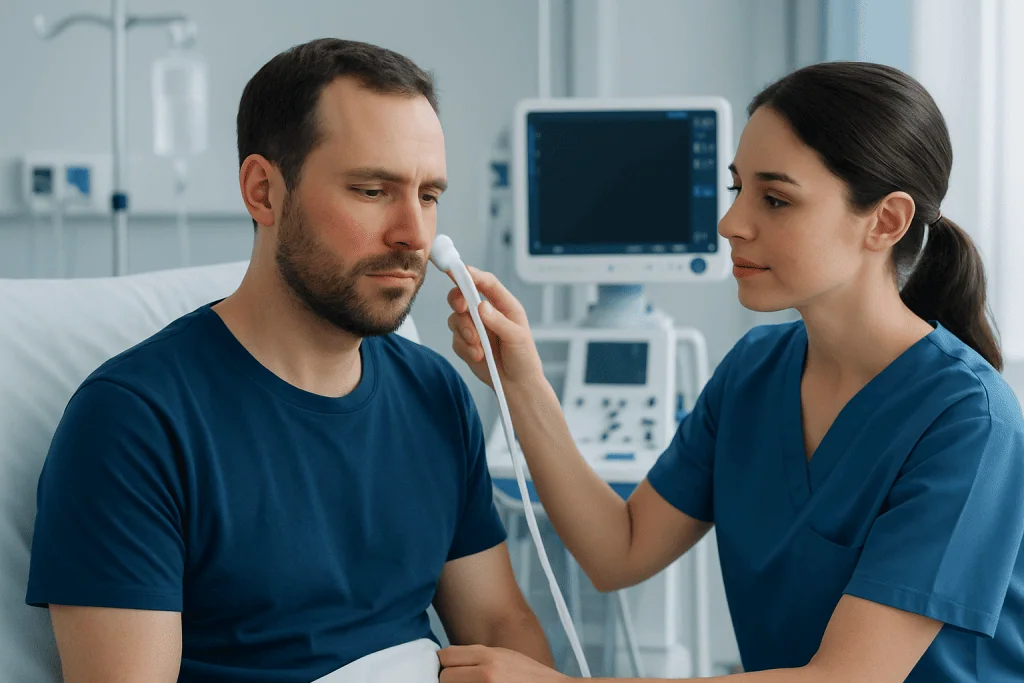
Tests are chosen based on the suspected cause. These may include blood tests for inflammation or infection, ultrasound to assess blood flow, heart evaluation, chest imaging, or specialized eye or skin examination. In some situations, cardiac MRI or echocardiography may help investigate circulatory causes when cardiac function is a concern.
Because hyperemia can overlap with other causes of redness, doctors may also consider conditions such as deep vein thrombosis when there is limb swelling, pain, or asymmetry. The goal is not simply to label the redness, but to identify whether treatment is needed and what problem is driving it.
Treatment options and what recovery depends on
There is no single treatment for hyperemia because treatment targets the underlying cause. If hyperemia is a normal physiologic response, such as after exercise or warming the skin, no treatment is needed. The redness and warmth usually settle on their own once the trigger passes.
If inflammation, infection, allergy, injury, or a skin condition is responsible, treatment may focus on reducing irritation and addressing the condition directly. That can involve rest, avoiding triggers, wound care, topical treatments, or prescription medicines chosen by a clinician. For eye redness, skin inflammation, or painful swelling, self-treatment is not always enough, especially if symptoms persist.
When passive hyperemia is related to circulation or heart problems, management can be more involved. The doctor may recommend tests and treatment aimed at improving blood flow, supporting heart function, or addressing venous disease. Depending on the clinical picture, some patients may benefit from evaluation by specialists in cardiology or vascular medicine.
Recovery depends on the cause, how quickly it is identified, and whether there are other health conditions. Many cases resolve fully once the trigger is removed or the underlying problem is treated. Near the end of a care pathway, some international patients choose centers such as Acibadem International, where multidisciplinary specialists in JCI-accredited hospitals evaluate and treat conditions associated with hyperemia.
Self-care and prevention
Not all hyperemia can be prevented, but simple habits can reduce avoidable triggers and support healthy circulation. People who notice flushing or skin redness after heat, exercise, friction, or personal care products may benefit from identifying and limiting those triggers. Gentle skin care, hydration, and avoiding extreme temperatures can also help.
Supporting circulation is especially important for those at risk of passive congestion. Regular movement, avoiding long periods of sitting, maintaining a healthy weight, and following medical advice for heart or vascular conditions can be useful. Compression garments may be recommended for some people with venous issues, but they should be used under professional guidance when symptoms are significant.
General measures that support vascular health include not smoking, staying physically active, managing blood pressure, and keeping chronic conditions well controlled. If redness follows a wound or injury, good hygiene and appropriate follow-up can reduce the chance of infection-related inflammation.
- Stay active and change position regularly during long travel or desk work
- Protect skin from excessive heat, friction, and irritants
- Follow care plans for heart, vein, or inflammatory conditions
- Seek advice for persistent or unexplained redness, especially with swelling or pain
When to seek medical care
Medical advice is appropriate if hyperemia does not have an obvious benign cause, keeps returning, or is associated with pain, swelling, fever, or worsening skin changes. Redness that spreads, becomes very tender, or follows a wound may need prompt assessment to check for infection or significant inflammation.
Urgent care is important if redness or warmth appears with shortness of breath, chest pain, fainting, sudden one-sided leg swelling, severe eye pain, vision changes, or signs of poor circulation. These symptoms do not always mean a serious condition, but they should be assessed quickly.
People with chronic heart, vascular, or inflammatory disease should also mention new or changing hyperemia to their doctor, especially if it differs from their usual symptoms. Early assessment can help distinguish a normal body response from a problem that needs treatment.
Frequently asked questions
Is hyperemia dangerous?
Hyperemia is not automatically dangerous. It often reflects a normal increase in blood flow, such as during exercise or healing. It becomes more important to evaluate when it is persistent, unexplained, or paired with symptoms like pain, swelling, fever, or breathing problems.
What is the difference between hyperemia and congestion?
Hyperemia broadly means increased blood in a tissue, while congestion usually refers to passive hyperemia, where blood does not drain away well. In simple terms, active hyperemia is increased inflow, and congestion is reduced outflow. Doctors use this distinction to help identify the cause.
Can hyperemia go away on its own?
Yes, many cases do. If the cause is exercise, heat exposure, or a temporary normal response, the redness and warmth usually settle once the trigger ends. If symptoms keep returning or last longer than expected, medical review is sensible.
Does hyperemia always cause redness?
Not always. It is easy to notice in skin or eyes because the increased blood flow can be visible, but deeper tissues and organs may not show obvious external redness. In those cases, doctors may detect it through examination or tests.
How is hyperemia diagnosed?
Diagnosis is based on the location, duration, symptoms, and likely trigger. A doctor may use physical examination, blood tests, ultrasound, imaging, or heart studies depending on the suspected cause. The goal is to find out whether the hyperemia is normal, inflammatory, infectious, or related to circulation.
Can poor circulation cause hyperemia?
Yes, in some situations poor venous drainage or certain heart and vascular problems can lead to passive hyperemia. In these cases, blood pools instead of flowing away normally. Treatment focuses on the circulation problem rather than the color change alone.
References
- Cleveland Clinic
- Mayo Clinic
- Merck Manual Consumer Version
- National Heart, Lung, and Blood Institute
- MedlinePlus
This article is for general information only and is not a substitute for professional medical advice. Please consult a qualified doctor about your individual situation.
Explore treatments in Turkey — costs, top hospitals & a free quote
JCI-accredited · board-certified surgeons · reply within 24h
Add us as a Preferred Source to see more of our trusted health content across Google Search, AI Overviews and Discover.