Green Stool in Pregnancy: A Complete Clinical Guide for Patients

Green stool in pregnancy is commonly related to diet, supplements, or faster bowel transit. Iron in prenatal vitamins can darken stool and sometimes make it look green.
Key Takeaways
- Green stool in pregnancy is commonly related to diet, supplements, or faster bowel transit.
- Iron in prenatal vitamins can darken stool and sometimes make it look green.
- Short-lived green stool without other symptoms is often not a sign of harm to the pregnancy.
- Diarrhea, severe abdominal pain, fever, dehydration, or blood in stool should prompt medical advice.
- Hydration, food review, and discussing supplements with a clinician can help identify the cause.
Green stool in pregnancy is usually caused by harmless factors such as foods, iron-containing prenatal vitamins, or changes in digestion during pregnancy. However, if it happens with diarrhea, pain, fever, dehydration, or bleeding, a doctor should assess it.
Overview: what green stool in pregnancy usually means
Green stool in pregnancy is often a temporary and harmless change. In many cases, it happens because bile moves through the intestines more quickly than usual, or because certain foods, dyes, or iron-containing prenatal vitamins affect stool color. Pregnancy itself can also change digestion, appetite, and bowel habits, which may make stool color seem different from usual.
Stool can naturally vary from brown to green, yellow-brown, or darker shades. A green color alone does not automatically mean there is an infection or a problem with the baby. What matters most is the full picture: how long the change lasts, whether there are other digestive symptoms, and whether the pregnant person feels otherwise well.
Because bowel habits can shift throughout pregnancy, it helps to think about recent meals, supplements, and any nausea, vomiting, constipation, or diarrhea. If green stool appears once or for a day or two and then resolves, it is commonly linked to normal digestive variation. If it is persistent or comes with concerning symptoms, medical evaluation is appropriate.
How pregnancy can change stool color and bowel habits
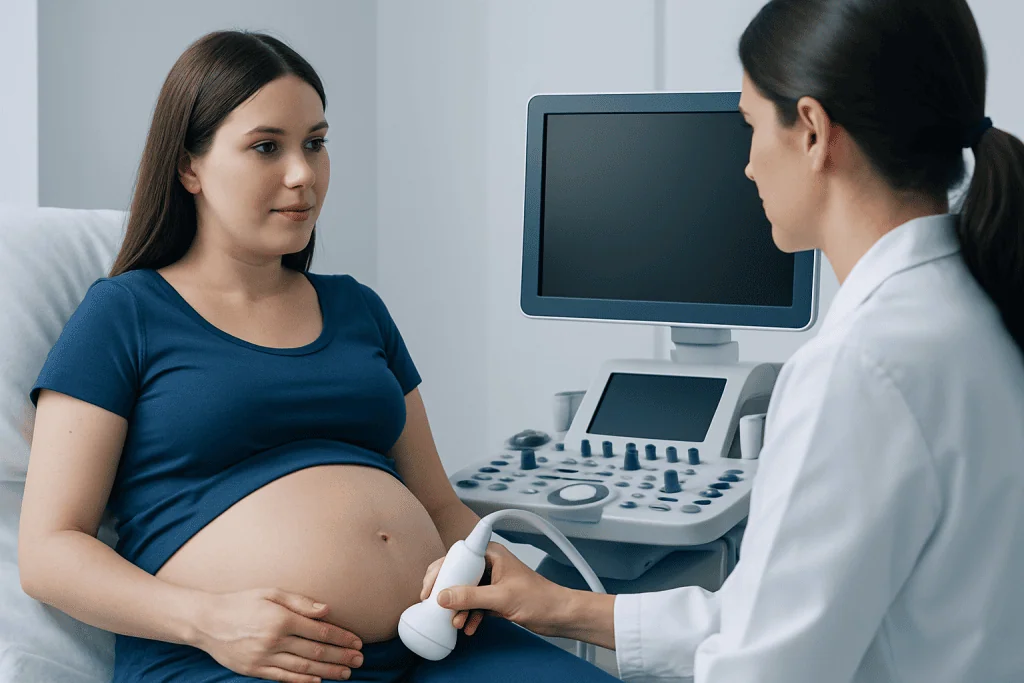
Pregnancy affects the digestive system in several ways. Hormonal changes can slow bowel movement in some people, causing constipation, while others notice more urgent or looser bowel movements, especially early in pregnancy or after diet changes. These shifts can change how stool looks, including its color and texture.
Bile is a greenish fluid made by the liver to help digest fats. Normally, as bile moves through the intestines, it changes color and stool becomes brown. If stool passes through the bowel more quickly, there may be less time for this color change, so stool can look green. This is one reason green stool may appear during episodes of mild diarrhea or faster digestion.
Pregnancy may also bring nausea, food aversions, cravings, and changes in supplement use. A person may suddenly eat more leafy greens, drink smoothies, take iron, or use medications that affect the stomach and bowel. These everyday pregnancy-related changes often explain green stool better than a serious medical problem.
Common causes of green stool in pregnancy
Diet is one of the most common explanations. Foods rich in chlorophyll, such as spinach, kale, parsley, and other green vegetables, can tint stool green. Artificial food coloring in candies, drinks, frostings, or processed snacks can do the same. If the color change follows a noticeable change in eating patterns, this is often the simplest explanation.
Prenatal vitamins and iron supplements are another frequent cause. Iron can make stool darker, greenish, or almost black in some people. This is usually expected, though very dark stool can sometimes be confused with bleeding. If there is uncertainty about whether stool changes are supplement-related or something more serious, the prescribing clinician should be asked.
Changes in bowel speed also matter. If there is diarrhea or several loose stools, green stool may appear because bile has not had enough time to break down fully. Short-term stomach upset from a food intolerance, a mild viral illness, or antibiotic use can contribute. In some cases, underlying digestive conditions such as Crohn's disease or other forms of bowel inflammation may affect stool pattern and color, especially if symptoms were present before pregnancy.
Less commonly, infections, medication effects, or disorders affecting digestion and absorption may be involved. If green stool is persistent, foul-smelling, associated with weight loss, or accompanied by significant abdominal symptoms, a clinician may evaluate for gastrointestinal causes beyond normal pregnancy changes.
Symptoms that suggest a more careful check is needed
Green stool by itself is usually not the main concern. The need for medical review depends more on accompanying symptoms. A person should pay attention to persistent diarrhea, strong abdominal cramping, fever, chills, vomiting, dizziness, or signs of dehydration such as very dark urine, dry mouth, or reduced urination.
Blood in the stool, black tar-like stool, severe or one-sided abdominal pain, or ongoing inability to keep fluids down are more important warning signs. These symptoms do not always mean a serious problem, but they should not be ignored during pregnancy. They may point to infection, bleeding, significant bowel irritation, or another condition requiring assessment.
Timing also matters. If green stool continues for more than a few days without an obvious explanation, or keeps returning with discomfort, it is reasonable to contact an obstetrician, family physician, or gastroenterology specialist. People who already have digestive disorders, anemia treatment, or complicated pregnancies may need more individualized advice.
- Usually less concerning: one or two episodes, no pain, recent green foods or iron use, otherwise feeling well
- More concerning: repeated diarrhea, fever, dehydration, blood, severe pain, weakness, or symptoms lasting several days
- Urgent assessment: fainting, inability to drink fluids, black tarry stool, or severe abdominal pain
How doctors evaluate green stool during pregnancy
Assessment usually starts with a history rather than immediate testing. A doctor may ask when the stool color changed, whether there is diarrhea or constipation, what foods were eaten recently, whether prenatal vitamins contain iron, and whether there has been travel, antibiotic use, or contact with anyone with a stomach illness. Obstetric symptoms and the stage of pregnancy are also relevant.
A physical examination may focus on hydration, abdominal tenderness, and general wellbeing. If symptoms are mild and there is a clear explanation such as diet or supplements, no further testing may be needed. When symptoms are more persistent or significant, stool tests or blood tests may be recommended to look for infection, inflammation, anemia, or electrolyte imbalance.
If there are broader digestive concerns, clinicians may investigate other conditions affecting the bowel. In selected cases, they may refer the patient for specialist evaluation in gastroenterology care or imaging if another abdominal cause is suspected. The goal is to identify the cause while choosing tests that are appropriate and safe in pregnancy.
Treatment and practical self-care
Treatment depends on the cause. If green stool is linked to food choices or prenatal supplements, it often does not require treatment at all. Keeping track of meals, drinks, vitamins, and bowel changes for a few days can help show whether there is a pattern. A clinician may suggest adjusting the timing or type of supplement if side effects are troublesome, but prenatal vitamins should not be stopped without medical advice.
If loose stools are present, hydration becomes the priority. Small frequent sips of water, oral rehydration solutions, soups, and simple foods may help while the bowel settles. Resting the stomach, avoiding heavily greasy or very spicy foods, and returning gradually to a normal balanced diet can be useful. Medications for diarrhea should only be taken after checking that they are appropriate in pregnancy.
When symptoms point to a digestive disorder rather than a temporary change, treatment may involve addressing the underlying condition. This can include guided nutrition support, lab monitoring, or care coordinated through obstetrics and gynecology and gastrointestinal specialists. If infection is suspected, treatment is based on the likely cause and the safety of options during pregnancy.
For patients with pre-existing bowel conditions, pregnancy care may overlap with management of ulcerative colitis or other inflammatory diseases. Close follow-up helps reduce flare-related complications and supports both maternal health and fetal wellbeing.
Prevention and day-to-day monitoring
Not every episode of green stool can be prevented, but many common triggers can be recognized. Reading prenatal vitamin labels, noticing whether iron is included, and discussing side effects with a clinician can be helpful. Sudden stool color changes often make more sense once recent foods, beverages, and supplements are reviewed.
Good hydration, steady meal patterns, and a balanced diet may support more predictable digestion. If certain foods seem to trigger loose stools, keeping a simple symptom diary can help identify them. During pregnancy, it is also wise to follow food safety advice carefully to lower the risk of stomach infections from undercooked foods, unpasteurized products, or contaminated meals.
People with a history of digestive disease may benefit from regular follow-up and early management of changing symptoms. In complex cases, support from nutrition and diet services can help maintain adequate intake while minimizing bowel irritation. Simple observation is often enough, but ongoing patterns deserve a medical conversation.
When to seek medical care
Medical advice is recommended if green stool lasts more than a few days, keeps returning, or is associated with ongoing diarrhea, abdominal pain, fever, vomiting, or signs of dehydration. The same is true if there is mucus or blood in the stool, black tar-like stool, or a clear decline in general wellbeing. Pregnant patients should not hesitate to ask their maternity team about bowel changes if they are unsure.
Prompt evaluation is especially important in people with high-risk pregnancies, chronic digestive conditions, or reduced ability to stay hydrated because of nausea and vomiting. Dehydration can affect both maternal wellbeing and pregnancy comfort, so persistent fluid loss deserves attention even if the stool color itself seems mild.
Near the end of the care pathway, some patients may need coordinated review by obstetric and digestive specialists. Acibadem International’s multidisciplinary teams in JCI-accredited hospitals diagnose and treat gastrointestinal and pregnancy-related concerns for international patients when more detailed evaluation is needed.
Frequently asked questions
Is green stool in pregnancy normal?
Yes, green stool in pregnancy is often a normal and temporary change. It is commonly related to foods, iron-containing prenatal vitamins, or faster digestion rather than a serious problem.
Can prenatal vitamins cause green stool?
Yes, prenatal vitamins can cause green stool, especially if they contain iron. Iron may darken stool or give it a greenish tone, which is usually an expected side effect.
Does green stool mean there is an infection?
Not necessarily. Green stool can happen without infection, but infection becomes more likely if there is diarrhea, fever, abdominal cramps, vomiting, or feeling unwell.
Can green stool harm the baby?
Green stool itself usually does not harm the baby. The main concern is the underlying cause if there is significant illness, especially dehydration, infection, or ongoing inability to eat and drink well.
What should a pregnant person do if stool suddenly turns green?
It helps to review recent foods, drinks, supplements, and any bowel symptoms. If the person otherwise feels well, hydration and observation for a short time are often reasonable, but a doctor should be contacted if symptoms persist or worsen.
When should someone call a doctor about green stool in pregnancy?
A doctor should be contacted if green stool lasts more than a few days, keeps recurring, or comes with diarrhea, pain, fever, vomiting, blood, black stool, or dehydration. Medical advice is also important for anyone with a high-risk pregnancy or a known bowel disorder.
References
- American College of Obstetricians and Gynecologists
- National Institute of Diabetes and Digestive and Kidney Diseases
- NHS
- Mayo Clinic
- World Health Organization
This article is for general information only and is not a substitute for professional medical advice. Please consult a qualified doctor about your individual situation.
Persistent digestive symptoms? Get evaluated in Turkey
JCI-accredited · board-certified surgeons · reply within 24h
Add us as a Preferred Source to see more of our trusted health content across Google Search, AI Overviews and Discover.