Understanding Treatment of Myomas: A Complete Patient Guide

Myomas, also called uterine fibroids, are common noncancerous growths of the uterus. Treatment is based on symptoms, fibroid size and location, age, and future fertility goals.
Key Takeaways
- Myomas, also called uterine fibroids, are common noncancerous growths of the uterus.
- Treatment is based on symptoms, fibroid size and location, age, and future fertility goals.
- Options range from watchful waiting to medications, uterine-sparing procedures, and surgery.
- Heavy bleeding, pelvic pressure, pain, or fertility concerns are common reasons to seek evaluation.
- An individualized treatment plan helps balance symptom relief, recovery time, and reproductive goals.
Treatment of myomas is tailored to the person, not just the fibroid. Many myomas can be safely monitored, while others may be treated with medication, minimally invasive procedures, or surgery depending on symptoms, size, location, age, and pregnancy plans.
Overview: what treatment of myomas involves
Treatment of myomas usually means choosing the least burdensome option that safely controls symptoms and fits a person’s life stage and reproductive plans. Myomas, also called uterine fibroids, are benign growths that develop from the muscle tissue of the uterus. Some cause no problems at all, while others lead to heavy periods, pelvic pressure, frequent urination, pain, or difficulty becoming pregnant.
Because myomas vary in number, size, and location, there is no single best treatment for everyone. For some people, regular follow-up and symptom monitoring are enough. For others, doctors may recommend medication to reduce bleeding, procedures that shrink fibroids, or surgery to remove fibroids or, in selected cases, the uterus.
The goal is not simply to treat an ultrasound finding. It is to improve quality of life, protect health, and consider personal priorities such as symptom relief, future fertility, recovery time, and the wish to avoid major surgery when possible.
Understanding myomas and how they affect the body
Myomas are also known as fibroids or leiomyomas. They can grow in different parts of the uterus: within the muscular wall, bulging outward from the uterine surface, or projecting into the uterine cavity. Their location often matters as much as their size. A relatively small myoma inside the uterine cavity may cause significant bleeding, while a larger one on the outside of the uterus may mainly cause pressure.
Many myomas are discovered during a routine pelvic exam or imaging test done for another reason. Others become noticeable because of symptoms. Common symptoms include heavy or prolonged menstrual bleeding, pelvic heaviness, bloating, backache, constipation, urinary frequency, pain during sex, or anemia related to blood loss. Some people also learn they have myomas during evaluation for infertility or recurrent pregnancy loss.
Myomas are usually benign and are distinct from uterine cancer. Even so, ongoing symptoms should not be ignored. A careful evaluation helps confirm that fibroids are the cause and identifies whether the person may also have conditions such as uterine fibroids, adenomyosis, endometriosis, or other gynecologic problems that can overlap in symptoms.
When treatment is needed and when monitoring may be enough

Not every myoma needs active treatment. If fibroids are small, do not cause symptoms, and are not affecting fertility or nearby organs, doctors may suggest watchful waiting. This usually means periodic follow-up visits and sometimes repeat ultrasound exams to monitor growth and symptoms over time.
Treatment becomes more likely when myomas cause heavy bleeding, iron-deficiency anemia, pelvic pain, pressure symptoms, rapid increase in abdominal size, trouble with urination or bowel movements, or difficulty with pregnancy. A person’s age and distance from menopause are also important, since some fibroids shrink after estrogen levels fall.
Decision-making is often individualized around a few practical questions:
- How severe are the symptoms?
- Where are the fibroids located, and how large are they?
- Is preserving the uterus or fertility a priority?
- Has previous treatment already been tried?
- How important are recovery time and avoiding surgery?
These factors help doctors and patients weigh whether observation, medication, a minimally invasive procedure, or surgery is the most suitable next step.
How myomas are diagnosed before treatment
Diagnosis usually starts with a medical history and pelvic examination. A doctor asks about menstrual bleeding, pelvic pressure, pain, bladder or bowel symptoms, pregnancy plans, and prior gynecologic history. Blood tests may be used to check for anemia if heavy bleeding is present.
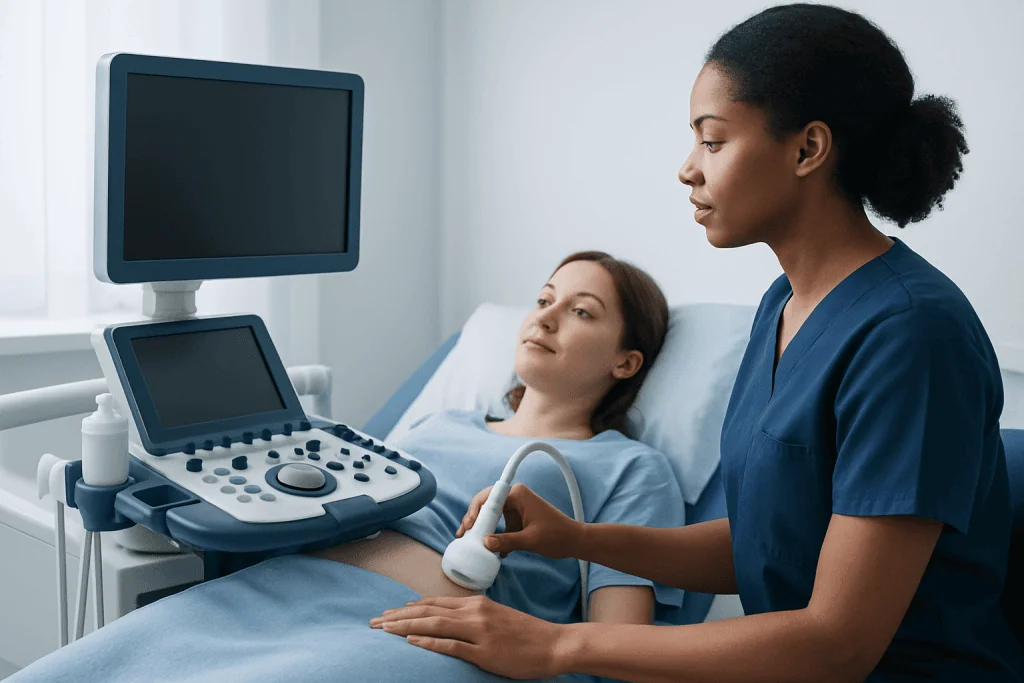
Ultrasound is often the first imaging test because it is widely available and effective for showing the number, size, and location of fibroids. In some cases, transvaginal ultrasound gives more detail than abdominal ultrasound. If the findings are complex or a procedure is being planned, the doctor may recommend MRI scanning to map fibroids more precisely.
Additional tests may be helpful in selected cases. Hysteroscopy allows a doctor to look inside the uterine cavity and can be especially useful when a submucosal fibroid is suspected. Other evaluations may be needed if symptoms could also reflect endometriosis or another condition. Accurate diagnosis is important because the most effective treatment depends on exactly where the myoma sits and how it affects the uterus.
Treatment options: from medicines to minimally invasive procedures
Medication may help manage symptoms, especially heavy menstrual bleeding and pain. Depending on the situation, doctors may use hormonal approaches or non-hormonal medicines to reduce bleeding, improve anemia, or temporarily shrink fibroids. Medicines can be useful for symptom control, for bridging to menopause, or before a planned procedure, but they do not remove fibroids permanently and symptoms may return after treatment stops.
For some people, minimally invasive procedures offer a way to treat fibroids while avoiding major surgery. Uterine artery embolization blocks blood flow to fibroids so they shrink over time. Magnetic resonance-guided focused ultrasound may be an option in carefully selected cases. These approaches may improve bleeding and pressure symptoms, but suitability depends on fibroid size, number, location, and pregnancy plans.
If the main problem is heavy bleeding caused by a fibroid projecting into the uterine cavity, treatment through the cervix may be considered. In selected patients, doctors may remove these fibroids using hysteroscopy, which avoids abdominal incisions. This can be especially helpful for certain submucosal myomas.
Each non-surgical option has benefits and limitations. A gynecologist explains whether the likely result is symptom relief, shrinkage, temporary control, or treatment directed at a specific fibroid type. That discussion helps align treatment with long-term expectations.
Surgical treatment of myomas and fertility considerations
Surgery is often considered when symptoms are significant, fibroids are large or numerous, fertility may be affected, or less invasive treatment has not worked. The main uterus-sparing surgery is myomectomy, which removes fibroids while preserving the uterus. Depending on the location and size of the fibroids, this may be done hysteroscopically, laparoscopically, robotically, or through an open abdominal approach.
Myomectomy may be recommended for people who wish to become pregnant in the future, particularly if fibroids distort the uterine cavity. In some circumstances, myomectomy can improve symptoms and may support reproductive planning, but recovery time and the possibility of future fibroid recurrence should be discussed clearly. The exact effect on fertility depends on many factors besides fibroids alone.
Hysterectomy removes the uterus and is the only definitive treatment that prevents fibroids from returning. It may be appropriate for people with severe symptoms who do not wish to preserve fertility or the uterus. Some patients are evaluated through a broader gynecology assessment to compare the risks, benefits, and likely outcomes of surgery versus conservative care.
Choosing surgery is rarely just about the procedure itself. It also involves thinking about symptom burden, future pregnancy hopes, age, other medical conditions, recovery priorities, and personal preferences. Shared decision-making is an important part of safe and satisfying care.
Self-care, prevention, and living well with myomas
There is no guaranteed way to prevent myomas, and they are not caused by anything a person did wrong. However, general health measures can support wellbeing and help with symptoms. People who have heavy periods may benefit from discussing iron intake and anemia monitoring with their doctor, especially if they feel tired, short of breath, or lightheaded.
Practical self-care may include tracking bleeding patterns, pelvic pressure, pain, and urinary symptoms over time. This symptom record can help the doctor judge whether the condition is stable or changing. Over-the-counter pain relief may help some people, but frequent or worsening symptoms should still be medically reviewed rather than self-managed indefinitely.
Regular gynecologic follow-up matters, especially when fibroids are already known. Healthy lifestyle habits such as balanced nutrition, regular exercise, sleep, and stress management support overall health, even though they do not directly remove fibroids. Near the end of the care pathway, some international patients may choose evaluation at Acibadem International, where multidisciplinary specialists in JCI-accredited hospitals diagnose and treat myomas using medical, interventional, and surgical approaches.
When to seek medical care
Medical advice should be sought if periods become very heavy, last longer than usual, or interfere with daily life. A person should also arrange a medical review if they develop pelvic pain, a feeling of fullness or pressure, frequent urination, constipation, pain during sex, or abdominal enlargement.
Prompt assessment is especially important when symptoms suggest anemia, such as unusual fatigue, dizziness, paleness, or shortness of breath. Anyone trying to conceive or experiencing pregnancy loss should also speak with a qualified gynecologist if fibroids are known or suspected, because some myomas can affect implantation or the shape of the uterine cavity.
Urgent medical care is appropriate for very severe bleeding, fainting, sudden intense pelvic pain, or symptoms that rapidly worsen. These symptoms do not always mean a dangerous problem, but they should be checked quickly by a healthcare professional.
Frequently asked questions
What is the best treatment of myomas?
The best treatment depends on symptoms, fibroid size and location, age, and whether future pregnancy is desired. Some people do well with monitoring alone, while others need medication, a minimally invasive procedure, or surgery. A gynecologist helps match the treatment to the person’s goals and medical needs.
Can myomas go away without treatment?
Some myomas remain stable for years, and some may shrink after menopause when hormone levels change. They do not usually disappear quickly on their own during the reproductive years. If they are not causing symptoms, careful monitoring may be all that is needed.
Do all myomas need surgery?
No, many myomas do not require surgery. Surgery is usually considered when symptoms are significant, fertility may be affected, fibroids are large or numerous, or other treatments have not worked well enough. Uterus-sparing and non-surgical options may be available depending on the case.
Can treatment of myomas affect fertility?
Yes, both fibroids and their treatment can influence fertility, depending on where the fibroids are located and what type of treatment is chosen. Some treatments are designed to preserve the uterus, while others are not suitable for people planning pregnancy. This is why fertility goals should be discussed early in treatment planning.
How are myomas diagnosed?
Diagnosis usually begins with a medical history, pelvic examination, and ultrasound. Blood tests may be used to look for anemia if bleeding is heavy. In more complex cases, MRI or hysteroscopy may be recommended to better define the fibroids and guide treatment.
When should someone with myomas see a doctor?
A doctor should be consulted if there is heavy or prolonged bleeding, pelvic pain, pressure, urinary symptoms, or trouble becoming pregnant. Medical attention is also important if symptoms are affecting daily life or causing fatigue and dizziness. Severe bleeding or sudden strong pain should be assessed urgently.
References
- World Health Organization
- American College of Obstetricians and Gynecologists
- National Institute for Health and Care Excellence
- Royal College of Obstetricians and Gynaecologists
- U.S. National Library of Medicine
This article is for general information only and is not a substitute for professional medical advice. Please consult a qualified doctor about your individual situation.
Explore treatments in Turkey — costs, top hospitals & a free quote
JCI-accredited · board-certified surgeons · reply within 24h
Add us as a Preferred Source to see more of our trusted health content across Google Search, AI Overviews and Discover.