Understanding Anal Cancer: A Complete Patient Guide

Anal cancer begins in the anus or anal canal and is different from colorectal cancer. Common symptoms include rectal bleeding, anal pain, itching, discharge, or a lump near the anus.
Key Takeaways
- Anal cancer begins in the anus or anal canal and is different from colorectal cancer.
- Common symptoms include rectal bleeding, anal pain, itching, discharge, or a lump near the anus.
- Human papillomavirus (HPV) infection is an important risk factor, but not everyone with HPV develops cancer.
- Diagnosis usually involves examination, anoscopy, biopsy, and imaging to determine the stage.
- Treatment often combines chemotherapy and radiation, with surgery used in selected situations.
- Prompt medical review is important for ongoing bleeding, pain, or any new anal or rectal symptom.
Anal cancer is a cancer that starts in the tissues of the anus or anal canal. It is uncommon, but it can often be treated successfully, especially when symptoms such as rectal bleeding, pain, itching, or a new lump are assessed early.
Overview: what anal cancer is
Anal cancer is a type of cancer that develops in the anus, the short passage at the end of the digestive tract where stool leaves the body. Most cases start in the anal canal rather than the skin around the anus. Although it is less common than colon or rectal cancer, it is an important condition because early symptoms can be mistaken for hemorrhoids or other benign problems.
In many people, anal cancer grows slowly at first. It may begin with changes in the cells lining the anal canal, sometimes called precancerous changes or anal intraepithelial neoplasia. Not every precancerous change becomes cancer, but monitoring and treatment may be advised in selected cases.
There are different types of anal cancer, with squamous cell carcinoma being the most common. Other rare types include adenocarcinoma, melanoma, and basal cell carcinoma around the anal margin. The exact type matters because it helps doctors choose the most appropriate treatment plan.
Anal cancer is different from cancers that start higher in the rectum or colon, even though some symptoms overlap. Understanding that difference helps patients make sense of testing and treatment recommendations, which may involve specialists in oncology, radiation oncology, colorectal surgery, and infectious disease or sexual health when relevant.
Symptoms and early warning signs
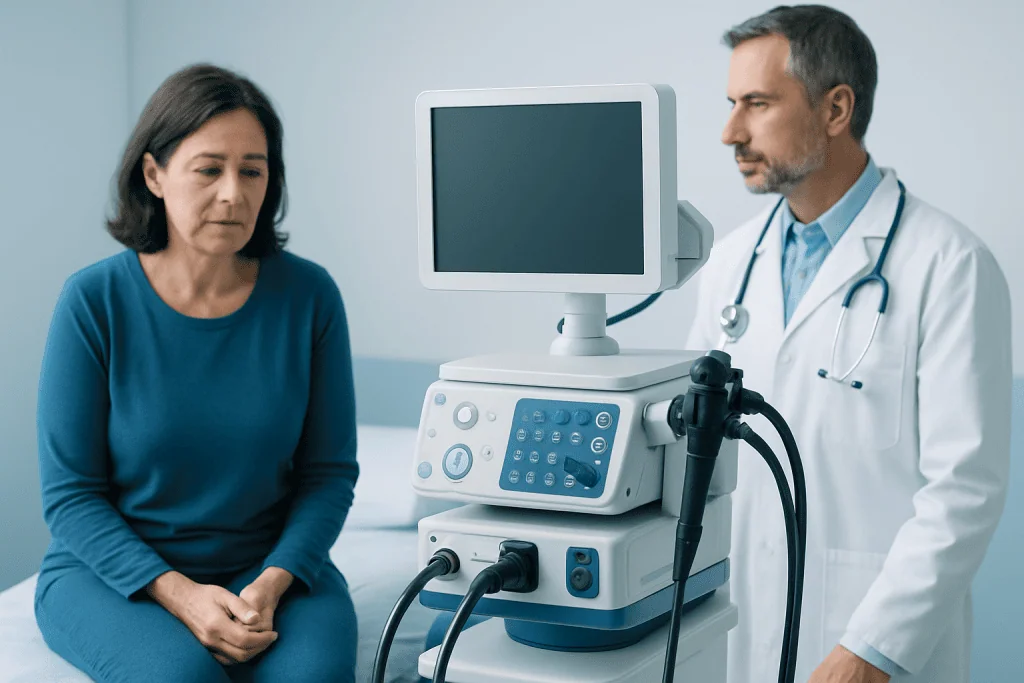
Symptoms of anal cancer can be subtle, especially at an early stage. The most common symptom is bleeding from the anus or rectum. This may appear as bright red blood on toilet paper, in the toilet bowl, or mixed with stool. Because hemorrhoids can also cause bleeding, some people delay seeking care, but persistent bleeding should always be evaluated.
Other symptoms may include pain, pressure, itching, or a feeling of fullness in the anal area. Some people notice a lump or swelling near the anus, while others develop mucus discharge or changes in bowel habits, such as narrower stools or increased urgency. Symptoms do not confirm cancer on their own, but they do mean that a medical assessment is needed.
As the condition progresses, discomfort during bowel movements may become more noticeable. Enlarged lymph nodes in the groin can sometimes occur if the disease has spread to nearby lymphatic tissue. In some cases, symptoms are mild, and the cancer is found during examination for another problem.
- Rectal or anal bleeding
- Anal pain or tenderness
- Itching that does not improve
- A lump, mass, or swelling near the anus
- Discharge or mucus
- Changes in bowel habits or stool shape
- Swollen lymph nodes in the groin
Causes and risk factors

There is no single cause of anal cancer, but certain factors clearly increase risk. Infection with high-risk types of human papillomavirus, or HPV, is one of the most important. HPV is common, and in most people the immune system clears it without causing major problems. In some cases, however, persistent infection can lead to cell changes that may later become cancer.
Other factors linked to a higher risk include smoking, a weakened immune system, HIV infection, a history of genital warts, and previous HPV-related cancers such as cervical, vulvar, or penile cancer. Having many sexual partners or engaging in receptive anal intercourse may also increase exposure to HPV, though risk depends on many personal and medical factors.
Age is another consideration, as anal cancer is diagnosed more often in older adults, though it can occur earlier. Chronic inflammation or long-standing anorectal conditions are less common contributors. Having a risk factor does not mean a person will develop cancer, and some people diagnosed with anal cancer have no obvious risk factors at all.
It is also important to remember that symptoms may be caused by conditions other than cancer, such as fissures, infections, or hemorrhoids. Because these problems can look similar at first, a proper examination is the safest way to understand what is causing the symptoms.
How anal cancer is diagnosed
Diagnosis starts with a medical history and physical examination. A doctor will ask about bleeding, pain, bowel changes, HPV exposure, smoking, immune conditions, and previous anorectal problems. A digital rectal examination is often performed to feel for a mass or tenderness, and the groin may also be checked for enlarged lymph nodes.
To look more closely at the anal canal, doctors may use anoscopy or proctoscopy. These tools allow direct visualization of the lining and help identify suspicious areas. If an abnormal area is seen or felt, a biopsy is needed. A biopsy removes a small tissue sample so a pathologist can confirm whether cancer is present and identify the exact type.
Once cancer is confirmed, imaging is used to determine the stage. This may include MRI, CT, PET/CT, or ultrasound, depending on the clinical situation. Staging shows the size of the tumor, whether nearby lymph nodes are involved, and whether the cancer has spread elsewhere. That information guides treatment decisions and helps estimate outlook.
Some patients may also need testing for related conditions, including HPV-associated disease or HIV, because these findings can influence overall care. In comprehensive cancer centers, diagnosis may involve PET/CT imaging and advanced MRI scans as part of a coordinated staging process.
Treatment options and what care may involve
Treatment depends on the type and stage of anal cancer, as well as the patient’s general health and preferences. For most squamous cell anal cancers, the main treatment is a combination of chemotherapy and radiation therapy. This approach is often used because it can control the cancer while preserving the anal sphincter and avoiding major surgery in many cases.
Chemotherapy and radiation are usually given together because they work better in combination than either treatment alone for many patients. Radiation targets the tumor and nearby areas at risk, while chemotherapy helps make cancer cells more sensitive to radiation and also treats disease at a microscopic level. During treatment, supportive care for skin irritation, bowel symptoms, fatigue, and nutrition can make a meaningful difference.
Surgery may still be needed in selected situations, such as for very small tumors at the anal margin, persistent disease after chemoradiation, or cancer that returns later. In those settings, a colorectal surgeon may recommend an operation after careful review by the cancer team. Some patients also benefit from radiation oncology planning and medical oncology follow-up as part of multidisciplinary care.
Follow-up after treatment is important. Doctors usually monitor recovery with examinations and, when needed, imaging. Because the tumor may continue to shrink for some time after treatment ends, response is often assessed over a period of weeks to months rather than immediately.
Living with treatment, prevention, and self-care
Living with anal cancer treatment can be physically and emotionally demanding, but many people are able to complete treatment with good support. Common short-term effects can include tiredness, skin irritation around the anus, bowel changes, discomfort, and changes in appetite. Practical symptom management, nutrition support, hydration, and open communication with the care team can help patients stay as comfortable as possible.
There is no guaranteed way to prevent anal cancer, but several steps may lower risk. HPV vaccination can help protect against high-risk HPV types and is an important preventive measure for eligible individuals. Avoiding smoking, seeking care for persistent anorectal symptoms, and following medical advice for immune-related conditions can also support long-term health.
People at higher risk may benefit from individualized monitoring, especially if they have a history of HPV-related disease or immune suppression. Preventive care should be discussed with a qualified doctor, since screening recommendations are not the same for everyone. Safer sex practices can reduce HPV transmission, though they do not eliminate risk completely.
Emotional well-being matters too. Feelings of embarrassment, anxiety, or uncertainty are common with symptoms involving the anal area, and these emotions can delay diagnosis. Reassuring, respectful care helps patients talk about symptoms earlier and get the evaluation they need.
When to seek medical care
Medical care should be sought if anal or rectal bleeding lasts more than a short time, keeps returning, or happens together with pain, itching, discharge, or a lump. It is also important to arrange an appointment for new bowel habit changes, unexplained groin swelling, or symptoms that do not improve with usual care for hemorrhoids or fissures.
Urgent assessment is especially important if bleeding is heavy, if there is severe pain, or if a person feels faint or unwell. Even when symptoms seem mild, persistent anorectal symptoms should not be ignored. Early evaluation does not mean cancer is likely, but it does allow doctors to identify the cause and start treatment promptly if needed.
Patients who have higher risk factors, such as HIV infection, immune suppression, a history of HPV-related disease, or smoking, should be particularly attentive to new symptoms. A clinician can explain whether further examination, biopsy, or imaging is appropriate.
Near the end of the care pathway, some patients may seek treatment in specialized centers with coordinated oncology services. Acibadem International’s multidisciplinary specialists and JCI-accredited hospitals diagnose and treat anal cancer for international patients, with care plans based on tumor type, stage, and individual needs.
Frequently asked questions
Is anal cancer the same as colorectal cancer?
No. Anal cancer starts in the anus or anal canal, while colorectal cancer starts in the colon or rectum. They can cause similar symptoms, but they are different diseases and are treated in different ways.
Can hemorrhoids turn into anal cancer?
Hemorrhoids do not turn into anal cancer. However, both conditions can cause bleeding, discomfort, or a lump, so symptoms that continue or worsen should be checked by a doctor.
Is HPV always the cause of anal cancer?
HPV is a major risk factor in many cases, especially high-risk HPV types, but it is not the only factor. Smoking, immune suppression, HIV infection, and other medical factors can also increase risk.
How is anal cancer usually treated?
For many patients, the main treatment is combined chemotherapy and radiation therapy. Surgery may be used for selected early tumors, persistent disease, or cancer that comes back after initial treatment.
What is the outlook for anal cancer?
Outlook depends on the stage, tumor type, response to treatment, and overall health. In general, earlier diagnosis gives more treatment options and is often associated with better outcomes.
Should a person with anal bleeding always worry about cancer?
Not necessarily, because bleeding is often caused by noncancerous problems such as hemorrhoids or fissures. Still, recurring or unexplained bleeding should never be ignored and should be evaluated by a qualified doctor.
References
- National Cancer Institute
- American Cancer Society
- National Comprehensive Cancer Network
- World Health Organization
- Centers for Disease Control and Prevention
This article is for general information only and is not a substitute for professional medical advice. Please consult a qualified doctor about your individual situation.
Persistent digestive symptoms? Get evaluated in Turkey
JCI-accredited · board-certified surgeons · reply within 24h
Add us as a Preferred Source to see more of our trusted health content across Google Search, AI Overviews and Discover.

More from the Health Library



Related Specialists

Dr. Sedat Özkaya
Emergency Service
Dr. Murat Apaydın
Pulmonary Medicine
Assoc. Prof. Dr. Adnan Batman (m)
Endocrinology
Dr. Cansel Karaali
Anesthesiology