Coagulation Clotting: An Evidence-Based Guide for Patients

Coagulation clotting helps the body seal damaged blood vessels and prevent excess blood loss. Both under-clotting and over-clotting can be medically important and may need evaluation.
Key Takeaways
- Coagulation clotting helps the body seal damaged blood vessels and prevent excess blood loss.
- Both under-clotting and over-clotting can be medically important and may need evaluation.
- Symptoms can include easy bruising, prolonged bleeding, swelling in a limb, or sudden shortness of breath.
- Doctors use medical history, physical examination, and blood tests to assess clotting problems.
- Treatment depends on the cause and may include monitoring, medicines, or specialist care.
Coagulation clotting is the normal process the body uses to stop bleeding after an injury. Problems arise when clotting is too weak, causing bleeding, or too strong, increasing the risk of harmful blood clots.
Overview: what coagulation clotting means
Coagulation clotting is the body’s natural way of stopping bleeding. When a blood vessel is damaged, the body responds quickly by narrowing the vessel, gathering platelets at the site, and activating clotting proteins in the blood. These steps work together to form a stable clot that seals the injury while healing begins.
In everyday language, people often use “coagulation” and “clotting” to mean the same thing. Medically, coagulation refers more specifically to the series of chemical reactions that strengthen a platelet plug with strands of fibrin. This process is essential for survival, because even small injuries would lead to excessive bleeding without it.
At the same time, coagulation clotting must stay balanced. If the body does not clot enough, a person may bruise easily or bleed for too long. If the body clots too much or in the wrong place, a clot can block blood flow in a vein or artery and lead to serious complications such as deep vein thrombosis or problems in the lungs, heart, or brain.
How the blood clotting process works
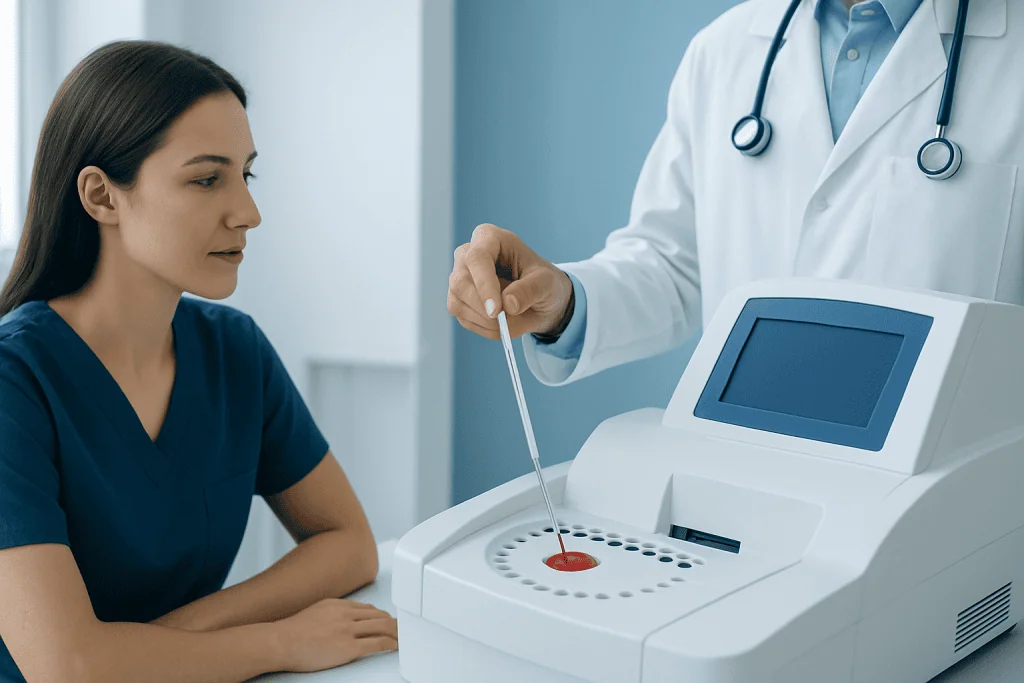
The clotting process begins within seconds after a blood vessel is injured. Platelets, which are small blood cell fragments, stick to the damaged area and to one another. This forms an initial plug that helps slow the bleeding.
Next, clotting factors—special proteins made mainly by the liver and carried in the blood—become activated in a chain reaction. Each factor helps switch on the next one, eventually producing fibrin, a strong protein mesh. Fibrin acts like a net, reinforcing the platelet plug and creating a more durable clot.
Once the vessel has healed, the body gradually breaks the clot down. This is also an important part of normal coagulation clotting. Healthy clotting depends on balance: making a clot when needed, limiting it to the right place, and removing it when its job is done.
Several body systems influence this balance, including the liver, bone marrow, blood vessels, and immune system. Vitamins such as vitamin K, as well as certain medications, also affect how clotting factors work.
Signs that clotting may be too weak or too strong

Symptoms of a clotting problem vary depending on whether the body is bleeding too easily or forming unwanted clots. Mild issues may only appear during dental work, surgery, menstruation, or after an injury. In other cases, symptoms can develop without an obvious trigger.
Signs of too little clotting or increased bleeding can include:
- Frequent nosebleeds
- Easy bruising
- Bleeding gums
- Heavy menstrual bleeding
- Prolonged bleeding from a cut
- Blood in urine or stool
- Bleeding into joints or muscles in more severe disorders
Signs of too much clotting depend on where the clot forms. A clot in a leg vein may cause swelling, pain, warmth, or redness. A clot that travels to the lungs may cause sudden shortness of breath, chest pain, or coughing. Clots affecting arteries can reduce blood flow to organs and require urgent medical attention.
Some people have no symptoms until a blood test, surgical procedure, pregnancy-related evaluation, or family history raises concern. This is one reason why personal and family medical history is an important part of clotting assessment.
Common causes and risk factors
Problems with coagulation clotting can be inherited or acquired later in life. Inherited conditions include disorders that affect platelets or clotting factors, such as hemophilia or von Willebrand disease. These conditions may run in families and often first appear in childhood, adolescence, or after a procedure that reveals unusual bleeding.
Acquired causes are common and may include liver disease, severe infection, vitamin K deficiency, autoimmune conditions, kidney disease, and some cancers. Certain medicines can also affect clotting. These include blood thinners, antiplatelet drugs, some antibiotics, hormone-containing treatments, and cancer therapies. A doctor may also evaluate related blood conditions such as thrombocytopenia when bruising or bleeding is present.
Risk factors for abnormal clot formation include prolonged immobility, recent surgery, smoking, obesity, pregnancy, dehydration, increasing age, some inherited thrombophilias, and chronic illnesses. Long travel can slightly increase risk in some people, especially when combined with other factors.
Because causes differ widely, one person’s clotting issue may need completely different care from another’s. That is why self-diagnosis is not reliable, especially when symptoms are new, persistent, or unexplained.
How doctors diagnose coagulation clotting problems
Diagnosis starts with a careful discussion of symptoms, medications, recent illnesses, surgeries, and family history. A doctor will ask whether bleeding happens after minor injuries, whether bruises seem larger than expected, or whether there has been a previous blood clot, miscarriage, or unexplained clotting event in the family.
Blood tests help clarify how the clotting system is functioning. Common tests may include a complete blood count to look at platelets, prothrombin time, activated partial thromboplastin time, fibrinogen level, and other specialized factor or platelet function tests when needed. In some cases, genetic testing or screening for autoimmune causes may be appropriate.
If a harmful clot is suspected, imaging tests may be needed urgently. For example, ultrasound is often used to look for clots in the legs, while other scans may be used when the lungs or abdomen are involved. Some patients are also evaluated for related vascular conditions such as pulmonary embolism.
Diagnosis is not only about confirming a problem; it also helps guide safe treatment. Knowing whether the issue is due to platelets, clotting factors, medications, or another illness is essential before choosing the right approach.
Treatment options and medical management
Treatment depends on whether the concern is bleeding, excess clotting, or an abnormal test result without symptoms. For mild cases, doctors may recommend monitoring and avoiding medications that increase bleeding risk unless they are medically necessary. In other cases, treatment may focus on correcting the underlying cause, such as addressing vitamin deficiencies, liver disease, or medication effects.
When bleeding risk is increased, care may include replacement of missing clotting factors, medicines that help stabilize clots, platelet-related treatment, or supportive care during surgery and dental procedures. Patients with inherited bleeding disorders may need a personalized plan before operations, childbirth, or emergency treatment. In some situations, doctors may coordinate care through specialties involved in hematology evaluation and treatment.
When abnormal clots form, treatment commonly includes anticoagulant medicines, often called blood thinners, to prevent the clot from growing and to reduce the chance of new clots. Some patients with severe or high-risk clots may need hospital-based therapies, close monitoring, or a procedure-based approach through interventional radiology.
People with recurring or complex clotting problems may benefit from multidisciplinary care. Near the end of the care pathway, education is especially important so patients understand warning signs, medication precautions, travel planning, and follow-up testing. Acibadem International’s multidisciplinary specialists in JCI-accredited hospitals diagnose and treat coagulation and clotting-related conditions for international patients when specialist care is needed.
Prevention and self-care
Not all clotting problems can be prevented, especially inherited ones, but many people can reduce risk by supporting overall vascular and blood health. Staying active, drinking enough fluids, avoiding smoking, and following medical advice after surgery or illness can help lower the chance of abnormal clots. During long travel, simple steps such as walking periodically and moving the legs may be helpful for some people.
People with a known bleeding tendency can lower complications by informing dentists, surgeons, and other clinicians before procedures. Wearing medical identification may be useful in certain diagnosed conditions. It is also important to discuss over-the-counter pain relievers, supplements, and herbal products, since some can affect platelets or bleeding.
Self-care also includes taking prescribed medicines exactly as directed. Patients should not start or stop blood thinners, aspirin, or clotting-related medications on their own. Regular follow-up may be needed to review blood tests, symptoms, and any changes in health status.
A balanced diet and management of chronic conditions such as diabetes, high blood pressure, or obesity can support general health, but they do not replace medical evaluation when clotting symptoms are present. New bleeding, unexplained bruising, or signs of a clot should always be discussed with a qualified doctor.
When to seek medical care
Medical advice should be sought if there is unusual bleeding, repeated nosebleeds, heavy menstrual bleeding, large unexplained bruises, blood in the urine or stool, or bleeding that lasts longer than expected after a cut or procedure. These symptoms do not always mean a serious disorder, but they deserve proper assessment.
Urgent medical care is needed for warning signs of a harmful clot or major bleeding. These include sudden shortness of breath, chest pain, one-sided leg swelling, coughing blood, severe headache, weakness on one side, fainting, or bleeding that does not stop with direct pressure. These symptoms require prompt attention rather than home management.
People should also arrange a medical review if they have a family history of clotting or bleeding disorders, repeated pregnancy-related clotting concerns, or an upcoming surgery with a known personal history of abnormal bleeding. Early evaluation can help make procedures and treatment plans safer.
Frequently asked questions
What is coagulation clotting in simple terms?
Coagulation clotting is the process the body uses to stop bleeding after a blood vessel is injured. It involves platelets and clotting proteins working together to form a protective seal.
Is coagulation clotting always a good thing?
Normal clotting is necessary because it prevents too much blood loss. However, clotting can become a problem if it is too weak, causing bleeding, or too active, causing unwanted blood clots.
What symptoms suggest a clotting problem?
Possible signs include easy bruising, frequent nosebleeds, bleeding gums, heavy periods, or prolonged bleeding after minor injuries. Symptoms of excessive clotting may include leg swelling, chest pain, or sudden shortness of breath.
How do doctors test for coagulation clotting disorders?
Doctors usually begin with a medical history, physical examination, and blood tests. These may measure platelet levels, clotting times, and specific clotting factors, with imaging added if a blood clot is suspected.
Can medications affect coagulation clotting?
Yes. Blood thinners, aspirin, some anti-inflammatory drugs, hormone therapies, and certain other medicines can affect clotting or bleeding risk. Patients should always tell their doctor about prescription drugs, supplements, and over-the-counter products.
Can clotting disorders be inherited?
Yes, some are inherited and may run in families, such as hemophilia or other factor-related disorders. Others develop later because of illness, medication effects, nutritional problems, or other medical conditions.
This article is for general information only and is not a substitute for professional medical advice. Please consult a qualified doctor about your individual situation.
Explore treatments in Turkey — costs, top hospitals & a free quote
JCI-accredited · board-certified surgeons · reply within 24h
Add us as a Preferred Source to see more of our trusted health content across Google Search, AI Overviews and Discover.

More from the Health Library

Can Coconut Oil Help With Hemorrhoids?

Algae Cooking Oil — Explained by Medical Evidence, Not Myths

Cubitus Valgus: An Evidence-Based Guide for Patients

Uric Acid Crystals in Urine: What Patients Need to Know

Baby Hives — Explained by Medical Evidence, Not Myths