Erysipelas: A Complete Medical Overview

Erysipelas is most often caused by streptococcal bacteria entering through a break in the skin. Typical signs include sudden redness, warmth, swelling, pain, and sometimes fever or chills.
Key Takeaways
- Erysipelas is most often caused by streptococcal bacteria entering through a break in the skin.
- Typical signs include sudden redness, warmth, swelling, pain, and sometimes fever or chills.
- Doctors usually diagnose erysipelas through a physical examination and medical history.
- Treatment commonly involves antibiotics, rest, fluids, and elevation of the affected area.
- People should seek medical care promptly if the rash spreads quickly, affects the face, or occurs with fever.
Erysipelas is a bacterial infection of the upper layers of the skin that usually appears as a sharply defined, red, warm, and tender rash. It often responds well to prompt medical treatment, but early diagnosis matters because the infection can spread and may cause complications if left untreated.
What erysipelas is
Erysipelas is a bacterial skin infection that affects the upper layers of the skin and the superficial lymphatic vessels. It most often develops suddenly and causes a bright red, swollen, tender area with a clear, raised border. In many cases, it appears on the legs or face, although it can affect other areas of the body.
The condition is usually caused by group A streptococcal bacteria, the same group that can cause strep throat and some other infections. These bacteria can enter through small cuts, cracks, insect bites, ulcers, athlete’s foot, or other breaks in the skin. Once inside, they can trigger inflammation, pain, and swelling in the surrounding tissue.
Erysipelas is related to cellulitis but is not exactly the same. In general, erysipelas affects more superficial skin layers and often has a more sharply demarcated edge, while cellulitis tends to involve deeper skin tissue and may look less clearly bordered. A doctor can help distinguish between them because the treatment approach and follow-up may vary depending on severity and location.
How erysipelas looks and feels
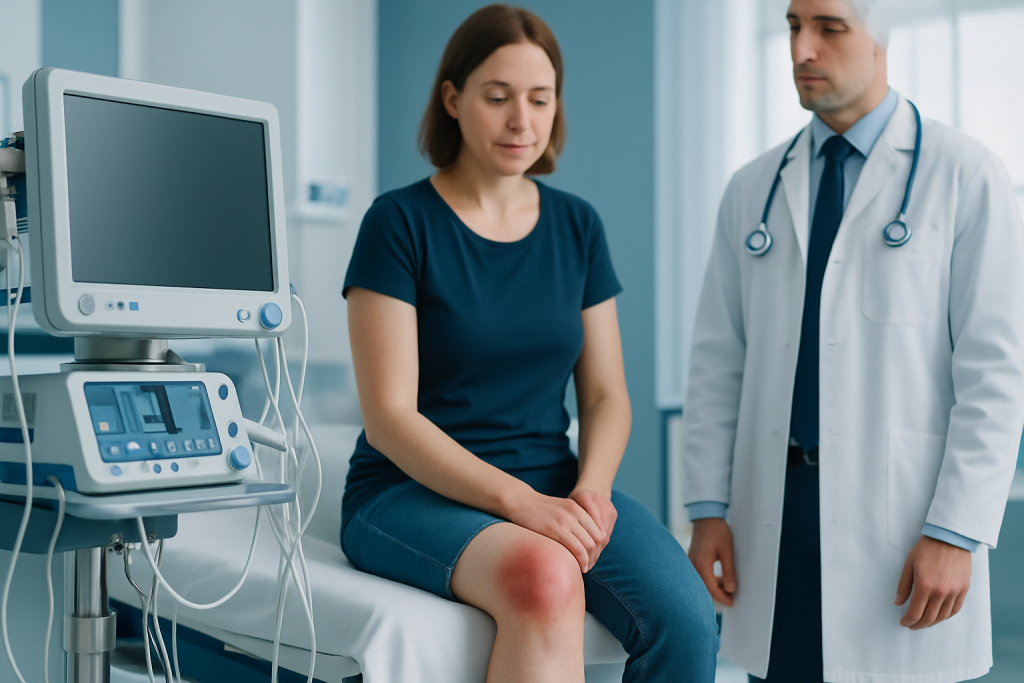
Symptoms often begin quickly, sometimes within hours. The affected skin usually becomes red, warm, swollen, and painful or tender to the touch. One of the classic features is a raised, clearly defined edge between the infected skin and the surrounding normal skin.
Many people also feel unwell in general. Fever, chills, fatigue, headache, and body aches can appear before or alongside the skin changes. Some people notice swollen lymph nodes near the infected area, and in leg infections there may be increasing heaviness or discomfort when standing or walking.
Common signs and symptoms may include:
- A bright red rash with a distinct border
- Warmth and swelling of the skin
- Tenderness, burning, or pain
- Fever and chills
- Fatigue or a general feeling of illness
- Sometimes small blisters or skin tightness
Facial erysipelas can involve the cheeks and bridge of the nose, often with visible swelling. Because infections near the eyes or deeper facial tissues need prompt assessment, redness on the face should not be ignored.
Causes and who is more at risk

The most common cause of erysipelas is infection with streptococcal bacteria after they pass through a break in the skin. Sometimes the opening is obvious, such as a cut or wound, but at other times it may be very small and hard to notice. Cracked skin between the toes, eczema, fungal infections, surgical wounds, or chronic ulcers can all make entry easier for bacteria.
Several factors can increase the chance of developing erysipelas or having repeated episodes. Swelling of the legs, poor lymphatic drainage, obesity, diabetes, circulation problems, and weakened immune defenses can all make the skin more vulnerable. Recurrent erysipelas is more likely if an underlying skin condition or swelling problem is not addressed.
Risk factors may include:
- Athlete’s foot or cracked skin on the feet
- Lymphedema or chronic leg swelling
- Diabetes or poor circulation
- Skin conditions such as eczema
- Recent surgery or trauma
- Older age or immune suppression
In children, erysipelas can still occur, but it is more common in adults and older adults. Repeated infections should prompt a fuller medical review to look for an ongoing trigger such as foot fungus, venous disease, or lymphatic problems.
How doctors diagnose erysipelas
Doctors usually diagnose erysipelas by examining the skin and asking about the timing of symptoms, recent injuries, previous episodes, medical conditions, and possible entry points for infection. The rash’s characteristic appearance, sudden onset, and associated fever often provide strong clues.
Tests are not always necessary, especially in mild, straightforward cases. However, blood tests may be used if the person appears very unwell, has a high fever, has other medical conditions, or if there is concern about a more serious infection. In selected cases, doctors may check for complications, rule out deep vein thrombosis, or assess other causes of redness and swelling.
The diagnosis also involves distinguishing erysipelas from conditions that can look similar, such as cellulitis, contact dermatitis, shingles, venous inflammation, or gout. If the infection affects the face, eye area, or repeatedly returns, more detailed assessment may be needed. Imaging is not routine for uncomplicated erysipelas, but it may be used when there is concern about deeper tissue involvement or an abscess. In some situations, a doctor may recommend MRI scan or CT scan to evaluate complex cases.
Treatment and recovery
Erysipelas is treated with antibiotics, chosen according to the likely bacteria, the severity of the infection, and the person’s medical history. Mild to moderate cases are often managed with oral antibiotics at home, while severe infections, significant facial involvement, or illness with dehydration or confusion may require treatment in hospital with intravenous antibiotics.
Supportive care is also important. Rest, drinking enough fluids, elevating the affected limb, and using pain relief recommended by a doctor can help reduce discomfort and swelling. If there is an underlying source such as athlete’s foot, wound infection, or chronic swelling, it should be treated as well to lower the chance of recurrence.
People often begin to feel better within a few days of starting treatment, but skin discoloration and swelling can take longer to settle. It is important to finish the full antibiotic course exactly as prescribed, even if symptoms improve early. If redness keeps spreading, fever persists, or new symptoms develop, follow-up care should not be delayed.
When erysipelas is linked to severe swelling or repeated infections, treatment may include longer-term prevention strategies and assessment by specialists. In some patients, doctors may also investigate circulation or soft tissue concerns with studies such as Doppler ultrasound if leg swelling, venous disease, or vascular symptoms are present.
Prevention and self-care after treatment
Prevention focuses on protecting the skin and managing conditions that make infection more likely. Keeping the skin clean and moisturized can reduce cracking, especially on the feet and lower legs. Even small cuts or insect bites should be washed and monitored, and fungal infections such as athlete’s foot should be treated promptly.
For people with leg swelling, compression therapy may be recommended by a clinician once the acute infection has improved, depending on the cause of the swelling. Weight management, blood sugar control, and care of chronic skin conditions can also reduce risk over time. Good foot care is especially important for people with diabetes or poor circulation.
Helpful self-care steps include:
- Inspecting the skin regularly for cuts, cracks, or redness
- Treating athlete’s foot or fungal nail problems early
- Keeping feet dry and using well-fitting shoes
- Moisturizing dry skin to prevent fissures
- Managing chronic swelling with medical guidance
- Following up after repeated episodes
Some people with recurrent erysipelas may be advised to have preventive antibiotics, but this decision depends on their individual pattern of infection and overall health. A doctor can help weigh benefits and risks and decide whether longer-term prevention is appropriate.
When to seek medical care
Medical care should be sought promptly for a new area of rapidly spreading redness, swelling, warmth, and pain, especially when these symptoms are accompanied by fever or chills. Early treatment can shorten illness, lower discomfort, and reduce the risk of the infection extending into deeper tissues or the bloodstream.
Urgent assessment is especially important if the infection is on the face, near the eyes, or in a person with diabetes, immune suppression, severe swelling, or poor circulation. People should also seek care if they feel faint, confused, very weak, or unable to drink enough fluids, or if the skin becomes blistered, dark, or unusually painful.
If symptoms do not start improving after beginning treatment, or if erysipelas keeps coming back, further evaluation is needed. In such situations, doctors may look for an untreated skin condition, fungal infection, circulation problem, or lymphatic disorder. Acibadem International’s multidisciplinary specialists and JCI-accredited hospitals diagnose and treat skin and soft tissue infections for international patients when more complex evaluation is needed.
Frequently asked questions
Is erysipelas contagious?
Erysipelas itself is not usually considered highly contagious through casual contact. However, the bacteria that can cause it may spread in some settings, especially if there are open wounds or poor hand hygiene. Basic wound care and handwashing help lower risk.
What is the difference between erysipelas and cellulitis?
Erysipelas usually affects more superficial skin layers and often has a bright red rash with a sharply defined border. Cellulitis tends to involve deeper tissue and may have less distinct edges. A doctor can tell them apart based on the exam and the pattern of symptoms.
Can erysipelas go away on its own?
Erysipelas should not be expected to clear without medical treatment. Because it is a bacterial infection, antibiotics are usually needed to control it and prevent complications. Anyone who suspects erysipelas should contact a qualified doctor promptly.
How long does it take to recover from erysipelas?
Many people begin to improve within a few days after starting antibiotics, especially when treatment starts early. Full recovery can take longer because swelling and skin color changes may persist for days or weeks. Recovery time also depends on age, overall health, and whether there is an underlying problem such as chronic swelling.
Can erysipelas come back?
Yes, erysipelas can recur, especially if there is ongoing skin damage, athlete's foot, lymphedema, or poor circulation. Preventive care such as treating fungal infections, protecting the skin, and managing swelling can reduce the chance of repeated episodes. A doctor may recommend additional prevention strategies for people with frequent recurrences.
Is erysipelas dangerous?
Erysipelas is often treatable and many people recover fully with prompt care. Still, it can become serious if the infection spreads, affects the face, or occurs in someone with diabetes or a weakened immune system. That is why early medical assessment is important.
This article is for general information only and is not a substitute for professional medical advice. Please consult a qualified doctor about your individual situation.
Explore treatments in Turkey — costs, top hospitals & a free quote
JCI-accredited · board-certified surgeons · reply within 24h
Add us as a Preferred Source to see more of our trusted health content across Google Search, AI Overviews and Discover.

More from the Health Library

Herpes Test — Explained by Medical Evidence, Not Myths

Ostomy Bag: What Patients Need to Know

Aaa Medical — Explained by Medical Evidence, Not Myths

Brush on Teeth: An Evidence-Based Guide for Patients

Glucagon: An Evidence-Based Guide for Patients