Bite of Mouse: What Patients Need to Know

Wash a mouse bite promptly with soap and running water for several minutes. Even small bites can become infected and may need medical assessment.
Key Takeaways
- Wash a mouse bite promptly with soap and running water for several minutes.
- Even small bites can become infected and may need medical assessment.
- Doctors may consider antibiotics, a tetanus booster, and rarely rabies evaluation based on the situation.
- Warning signs include redness spreading from the wound, swelling, pus, fever, or increasing pain.
- Children, older adults, pregnant people, and those with weakened immune systems should seek advice sooner.
A bite of mouse is often minor, but it should never be ignored. Prompt cleaning and timely medical advice can reduce the risk of infection, tetanus, and other complications, especially if the bite breaks the skin.
Overview: Is a Bite of Mouse Dangerous?
A bite of mouse is usually not a major emergency, but it does deserve attention. If the skin is broken, the wound should be cleaned promptly and monitored closely because bacteria from the animal’s mouth or from the skin can enter the tissue. In some cases, a doctor may recommend antibiotics, a tetanus booster, or further evaluation depending on the depth of the bite, the person’s health, and how the injury happened.
Mice are generally less likely than larger animals to cause severe tissue injury, but their bites can still lead to infection. Risk is higher when the wound is deep, on the hand or face, difficult to clean, or caused by a wild mouse. A bite from a pet mouse may still need medical review, especially if the wound is punctured or if symptoms develop later.
One concern people may hear about is rat-bite fever. Despite its name, this infection can also follow bites or close contact with rodents, including mice. It is uncommon, but it matters because symptoms may start days after the bite and require medical treatment.
What to Do Immediately After a Mouse Bite
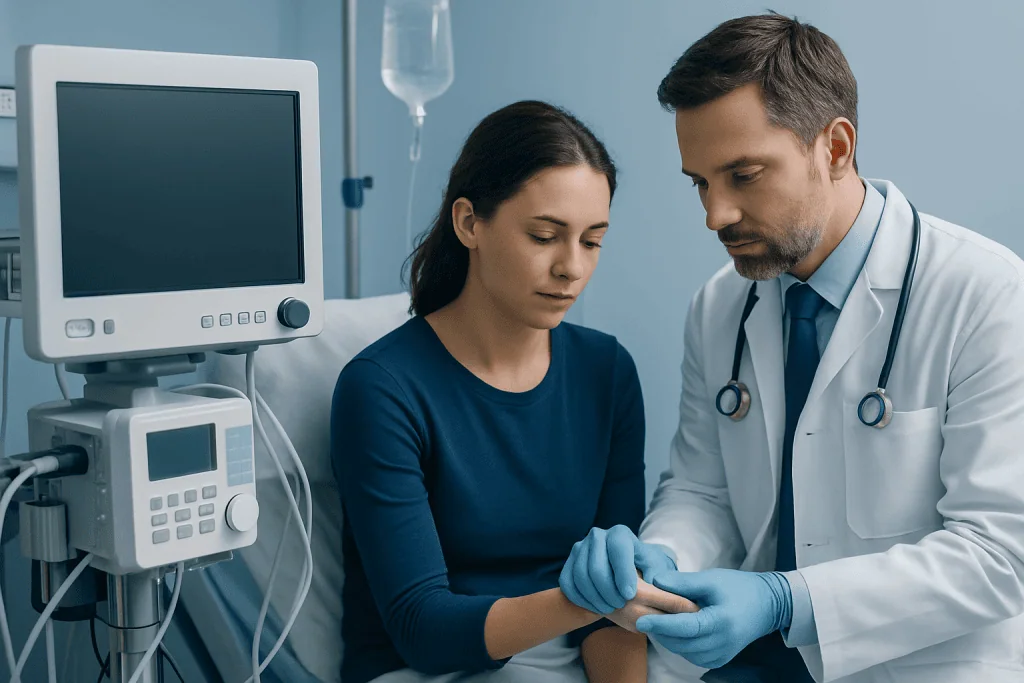
First aid should begin as soon as possible. The area should be washed with soap and plenty of running water for several minutes. This simple step helps reduce the number of germs in the wound. If the bite is bleeding, gentle pressure with a clean cloth or sterile gauze can help stop it.
After cleaning, the wound can be dried carefully and covered with a clean dressing. Harsh chemicals should not be poured deep into the wound unless advised by a clinician, because they can irritate tissue. It is also best to remove rings or tight jewelry if the bite is on the hand, since swelling can develop.
If the bite is deep, keeps bleeding, involves the face, genitals, or a joint, or if a piece of tooth may have broken off in the skin, medical care is advisable without delay. Some patients may need professional wound cleaning, closure decisions, or imaging if there is concern about deeper injury. In hospitals, wound assessment may be supported by MRI or CT scan only when clinically needed, such as for complex injuries or suspected deeper tissue involvement.
Symptoms to Watch for After a Mouse Bite

Many mouse bites remain small and heal well with basic care, but symptoms can change over the next hours and days. A little tenderness and minor redness around the wound can happen at first. However, worsening pain, increasing warmth, spreading redness, swelling, or drainage may suggest infection.
General symptoms are also important. Fever, chills, body aches, headache, nausea, a rash, or joint pain after a rodent bite should not be ignored. These symptoms can point to a more significant infection, including illnesses linked to rodents.
Children may not always describe symptoms clearly, so adults should watch for fussiness, poor feeding, sleepiness, or reduced use of the bitten hand or arm. Anyone who develops red streaks moving away from the wound, swollen lymph nodes, or rapidly worsening swelling should be assessed urgently.
- Local warning signs: pus, warmth, increasing redness, tenderness, bad odor
- Body-wide warning signs: fever, rash, vomiting, weakness, joint pain
- Urgent concerns: heavy bleeding, numbness, difficulty moving the area, signs of severe allergic reaction
Infection Risks, Tetanus, and Rabies Considerations
The most common complication after a bite of mouse is a skin or soft tissue infection. Bacteria can enter through even a small puncture wound, and punctures can be harder to clean than shallow scratches. Bites on the hand deserve particular attention because the structures in the hand are delicate and infection can spread in tight spaces.
Tetanus status is another important issue. A doctor may advise a tetanus booster if vaccinations are not up to date or if the wound is considered higher risk. This is a standard part of animal bite care and is based on immunization history and the nature of the injury.
Rabies from mice is very uncommon in many regions, and small rodents are not typically major sources of rabies transmission. Still, local public health guidance matters. If the bite came from a wild animal behaving unusually, or if there are regional concerns, a clinician or public health professional can advise whether rabies vaccine is necessary.
Doctors also think about less common rodent-associated infections. Leptospirosis is more often linked to contact with water or surfaces contaminated by infected animal urine rather than a bite itself, but rodent exposure can raise awareness of this possibility in the right setting. The overall risk depends on where the exposure occurred and whether there were other environmental factors.
How Doctors Diagnose and Assess a Mouse Bite
Diagnosis begins with the history of the event. A clinician will usually ask when the bite happened, whether the animal was wild or a pet, how deeply the skin was broken, what first aid was done, and whether symptoms such as fever or rash have appeared. Medical history also matters, especially diabetes, circulation problems, immune suppression, pregnancy, or medications that affect healing.
The wound itself is examined for depth, contamination, swelling, movement, nerve function, and signs of spreading infection. Bites involving tendons, joints, the face, or the hand may need closer review because these areas are more vulnerable to complications. In some cases, doctors may order blood tests or take a sample if drainage is present, but not every bite requires laboratory testing.
If symptoms suggest a deeper infection or another cause for illness, additional assessment may be needed. This can include blood work, wound care procedures, and occasionally specialist evaluation. Accurate diagnosis is important because treatment for a simple local skin infection is different from treatment for systemic rodent-related illness.
Treatment Options and Follow-Up
Treatment depends on the wound and the patient’s risk factors. For a superficial bite, careful cleaning, dressing changes, and monitoring may be enough. If the wound is deeper, contaminated, on the hand, or already showing signs of infection, a doctor may prescribe antibiotics. Not every bite needs antibiotics, so treatment is individualized.
Pain relief may be suggested if needed, and the wound should usually be kept clean and protected. Some animal bites are left open rather than closed immediately, especially if there is a concern about trapping bacteria inside. Follow-up is important if the bite becomes more painful, red, or swollen, or if general symptoms begin after the injury.
When symptoms point to a more significant infection such as rat-bite fever, treatment usually involves prescription antibiotics and clinical monitoring. People with severe infection, spreading cellulitis, dehydration, or complications may need hospital-based care. Where there is concern about abscess formation or deeper tissue involvement, procedures guided by imaging or additional wound management may be considered.
Near the end of care planning, patients may benefit from advice about wound healing, vaccination updates, and prevention of repeat exposure. Acibadem International’s multidisciplinary specialists in JCI-accredited hospitals evaluate and treat bite-related infections and related complications for international patients when needed.
Prevention and Self-Care After the Injury
Good wound care at home can support healing. Hands should be washed before touching the bite, dressings should be changed as advised, and the area should be checked daily for changes. The wound should be kept reasonably clean and dry, but gentle washing is usually still appropriate unless a clinician gives different instructions.
It is best not to scratch, squeeze, or pick at the wound. People should avoid self-starting leftover antibiotics, because the wrong medicine or an incomplete course may not treat the problem properly. If swelling is mild and the bite is on an arm or hand, keeping the area elevated can sometimes improve comfort.
Prevention also means reducing future rodent exposure. Food should be stored securely, entry points in the home should be sealed, and nests or droppings should be handled carefully with proper hygiene precautions. Children should be taught not to handle wild mice, and pet rodents should be supervised and handled gently to reduce fear-biting.
When to Seek Medical Care
Medical care is recommended if a mouse bite breaks the skin and the person is unsure about tetanus vaccination status, if the wound is deep, or if the bite involves the hand, face, foot, or an area near a joint. Advice should also be sought sooner for babies, older adults, pregnant people, and anyone with a weakened immune system or a chronic condition that affects healing.
Urgent assessment is important if there is uncontrolled bleeding, severe pain, rapidly increasing redness, pus, fever, rash, confusion, difficulty breathing, or reduced movement or sensation in the affected area. These signs do not always mean a serious complication, but they do need professional evaluation.
Even if the bite seems small, a delayed illness after rodent exposure should be taken seriously. If symptoms appear days later, patients should mention the bite or contact with a mouse during the medical visit. That detail can help guide the right testing and treatment.
Frequently asked questions
Can a bite of mouse heal on its own?
Yes, some small mouse bites can heal with prompt washing and routine wound care. However, because bites can introduce bacteria through a puncture wound, the area should be watched closely for redness, swelling, pus, or fever.
Do all mouse bites need antibiotics?
No, not all mouse bites require antibiotics. A doctor decides based on the depth of the bite, the location, signs of infection, and the person’s overall health and immune status.
Is rabies a concern after a mouse bite?
Rabies from mice is uncommon in many settings, and small rodents are not usually major rabies carriers. Even so, local public health guidance matters, so a clinician should assess unusual exposures or bites from wild animals acting strangely.
How soon should someone see a doctor after a mouse bite?
A person should seek prompt medical advice if the bite breaks the skin, especially if it is deep, on the hand or face, or if tetanus vaccination is not up to date. Immediate care is more urgent if there is heavy bleeding, severe pain, or signs of infection.
What is rat-bite fever, and can mice cause it too?
Rat-bite fever is a bacterial illness linked to rodents and can sometimes occur after exposure to mice as well as rats. Symptoms may include fever, rash, vomiting, and joint pain, and it needs medical treatment.
Should a pet mouse bite be taken seriously?
Yes. A pet mouse bite may be less concerning than a wild exposure in some cases, but it can still break the skin and cause infection. The wound should be cleaned promptly and monitored the same way as any other bite.
References
- Centers for Disease Control and Prevention
- World Health Organization
- National Health Service
- Mayo Clinic
- Merck Manual Consumer Version
This article is for general information only and is not a substitute for professional medical advice. Please consult a qualified doctor about your individual situation.
Explore treatments in Turkey — costs, top hospitals & a free quote
JCI-accredited · board-certified surgeons · reply within 24h
Add us as a Preferred Source to see more of our trusted health content across Google Search, AI Overviews and Discover.

More from the Health Library

Sunburned Lips: An Evidence-Based Guide for Patients

Hypotension: What Patients Need to Know

Loose Tooth — Explained by Medical Evidence, Not Myths

J Pouch: A Complete Medical Overview

Onion Health Benefits: An Evidence-Based Guide for Patients