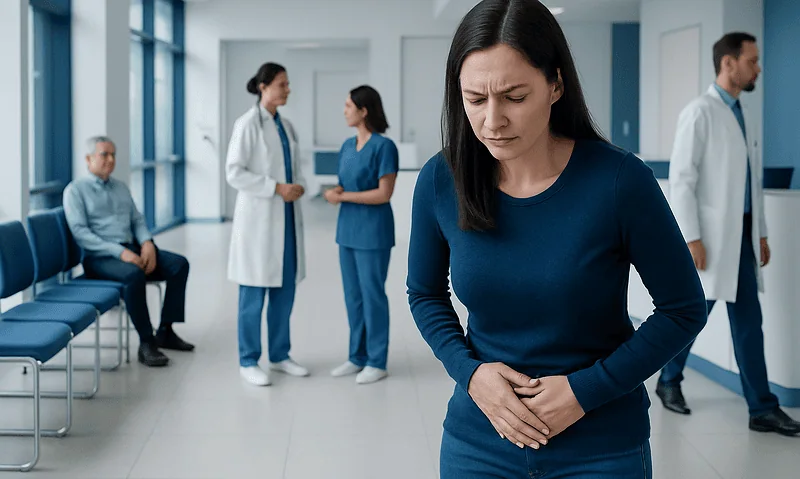
Hypotension: What Patients Need to Know

Hypotension is low blood pressure, but not everyone with a low reading feels unwell. Common symptoms include dizziness, lightheadedness, fainting, blurred vision, and fatigue.
Key Takeaways
- Hypotension is low blood pressure, but not everyone with a low reading feels unwell.
- Common symptoms include dizziness, lightheadedness, fainting, blurred vision, and fatigue.
- Causes range from dehydration and medications to heart, hormone, or nervous system problems.
- Treatment focuses on the underlying cause and may include fluids, medication review, and lifestyle measures.
- Urgent medical care is important if hypotension comes with chest pain, severe shortness of breath, confusion, or collapse.
Hypotension means blood pressure is lower than expected, and it may or may not cause symptoms. When it leads to dizziness, fainting, weakness, or confusion, it should be assessed to find the cause and guide treatment.
Overview: what hypotension means
Hypotension is the medical term for low blood pressure. In simple terms, it means the pressure pushing blood through the arteries is lower than usual. For some people, this causes no problems at all. For others, it can reduce blood flow to the brain and other organs and lead to symptoms such as dizziness, fainting, weakness, or blurred vision.
A single low reading does not always mean there is a health problem. Blood pressure naturally changes during the day and can be influenced by hydration, meals, exercise, temperature, stress, and medicines. What matters most is whether the reading is unusually low for that person and whether symptoms are present.
Hypotension can happen briefly, such as after standing up quickly, or it can be more persistent. It may also occur during illness, blood loss, infection, heart problems, or as a side effect of treatment. Understanding the pattern of symptoms often helps doctors identify the cause.
Because low blood pressure can have many explanations, assessment is individualized. Some people only need self-care and monitoring, while others need medical tests or treatment for an underlying condition such as heart failure or a rhythm problem.
How low blood pressure can feel
The symptoms of hypotension depend on how low the blood pressure is, how quickly it falls, and whether the body can compensate. Mild hypotension may cause only occasional lightheadedness. A more significant drop can affect balance, concentration, and energy levels.
People often describe feeling faint, unsteady, or “washed out.” Symptoms may appear after standing, after a large meal, during hot weather, after exercise, or when dehydrated. In older adults, symptoms can be subtle and may present as weakness or falls rather than classic dizziness.
- Dizziness or lightheadedness
- Fainting or near-fainting
- Blurred or dim vision
- Nausea
- Fatigue or unusual weakness
- Trouble concentrating or confusion
- Cold, clammy skin in more severe cases
Severe hypotension can be a medical emergency when it reduces blood flow to vital organs. Warning signs include collapse, confusion, severe shortness of breath, chest pain, or signs of shock. These symptoms need urgent medical attention.
Why hypotension happens
Hypotension can develop for many reasons, and the cause is not always serious. A common example is dehydration from poor fluid intake, vomiting, diarrhea, fever, or heavy sweating. When the body has less fluid, blood volume drops and blood pressure may fall.
Medicines are another frequent cause. Blood pressure medications, diuretics, some antidepressants, medicines for Parkinson’s disease, and certain heart drugs can lower blood pressure too much in some people. Alcohol can also contribute by widening blood vessels and worsening dehydration.
Other causes involve the heart, hormones, or nervous system. A slow or fast heart rhythm, valve disease, or reduced pumping function may lower blood pressure. Endocrine disorders such as adrenal insufficiency or low thyroid hormone can also contribute. Nerve-related causes can lead to orthostatic hypotension, where blood pressure drops on standing because the body does not respond normally.
Doctors also recognize specific patterns, including postural or orthostatic hypotension, postprandial hypotension after meals, and neurally mediated hypotension. Sometimes a sudden, dangerous drop in pressure occurs with severe infection, major allergic reaction, or blood loss. Depending on the suspected cause, evaluation may involve cardiology assessment or other specialist care.
Risk factors and who may be affected
Hypotension can affect people of any age, but certain groups are more likely to experience symptoms. Older adults are at increased risk because blood pressure regulation becomes less responsive with age, and they are more likely to take medicines that lower pressure or to have chronic medical conditions.
People with diabetes, Parkinsonian syndromes, prolonged bed rest, pregnancy, or underlying heart disease may also be more vulnerable. Athletes and younger adults can sometimes have naturally low blood pressure without symptoms, which is often not harmful. The context matters more than the number alone.
Everyday factors can trigger episodes in susceptible people. Standing up quickly, hot showers, heavy meals, prolonged standing, and inadequate salt or fluid intake may all play a role. During illness, the risk rises further because fever, infection, or reduced oral intake can lower blood pressure.
Because several conditions can overlap, a doctor may review medications, hydration, heart health, and hormone balance together rather than focusing on one factor alone. This broader approach helps distinguish harmless low readings from a problem that needs treatment.
How doctors diagnose hypotension
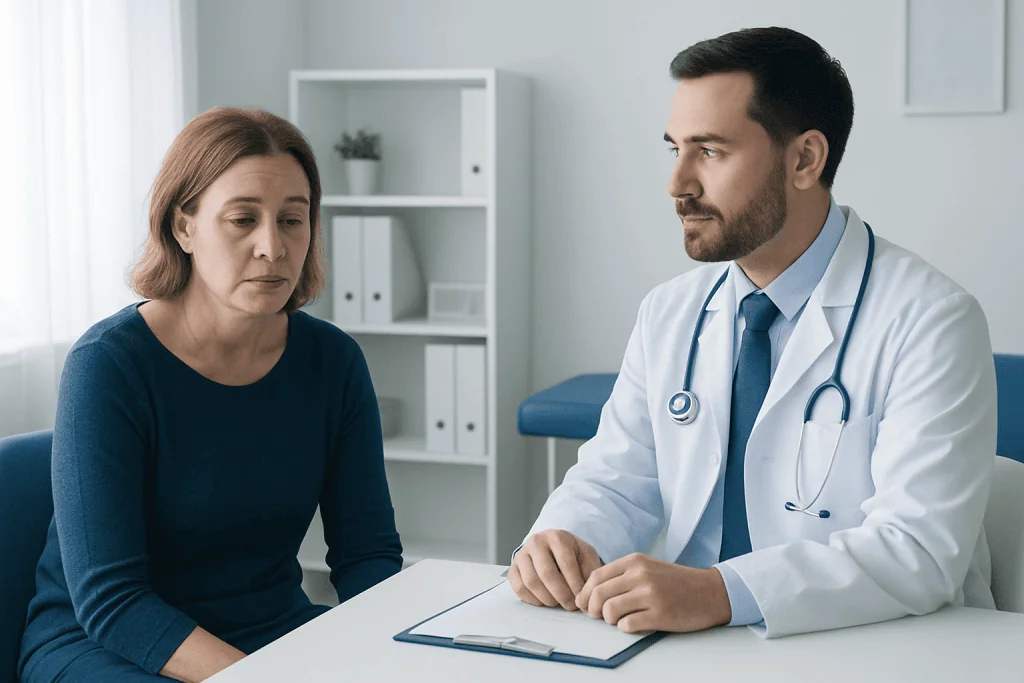
Diagnosis begins with a careful history. A doctor will ask when symptoms occur, whether they happen on standing or after meals, what medicines are being used, how much fluid the person drinks, and whether there has been recent illness, weight loss, bleeding, or fainting. This history often gives important clues.
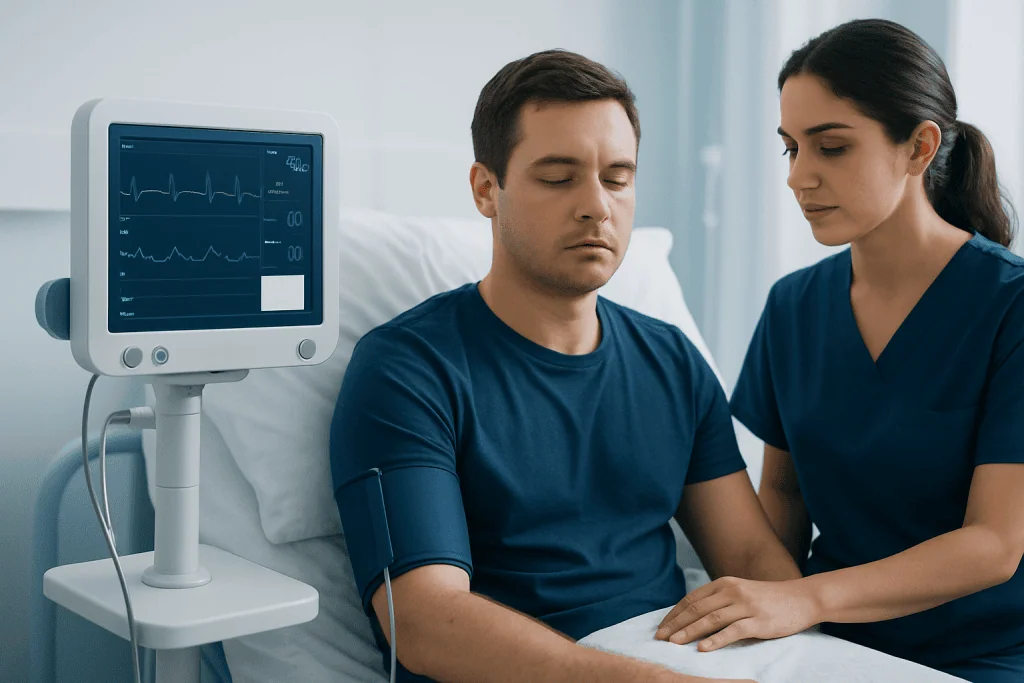
Blood pressure is usually checked in more than one position, such as lying down, sitting, and standing. This helps identify orthostatic hypotension. The pulse, temperature, and oxygen levels may also be measured. A physical examination can assess hydration, heart rhythm, circulation, and signs of neurological or endocrine disease.
Additional tests depend on the suspected cause. These may include blood tests for anemia, infection, blood sugar, kidney function, or hormone levels; an electrocardiogram to assess heart rhythm; or echocardiography if a structural heart problem is suspected. In some cases, longer rhythm monitoring or tilt-table testing is used.
If symptoms suggest an underlying condition such as arrhythmia or reduced heart function, doctors may recommend further evaluation through a comprehensive medical check-up and targeted testing. The goal is not only to confirm low blood pressure, but also to identify why it is happening and whether it poses any risk.
Treatment options and day-to-day management
Hypotension treatment depends on the cause, the severity of symptoms, and the person’s overall health. If low blood pressure does not cause symptoms, it may not need treatment. When symptoms are present, the main aim is to improve blood flow and address the reason the pressure is low.
Simple measures often help. Increasing fluid intake, especially during hot weather or illness, may improve symptoms. Some people are advised to stand up more slowly, avoid prolonged standing, eat smaller more frequent meals, or use compression stockings. If dehydration or medication side effects are involved, correcting these may be enough.
Medication review is an important part of management. A doctor may adjust or change drugs that contribute to hypotension rather than adding new medication right away. In selected cases, medicines may be prescribed to help raise blood pressure, but this is usually considered only after the cause has been assessed and non-drug measures have been tried.
When hypotension is related to another illness, treatment focuses on that condition. This may involve fluid replacement, treatment for infection, management of endocrine problems, or specialized care for heart disease. If a structural or rhythm-related problem is suspected, patients may benefit from arrhythmia treatment or heart valve disease treatment as part of a tailored plan.
Prevention and self-care
Many episodes of symptomatic hypotension can be reduced with practical self-care. Staying well hydrated is one of the most helpful steps, especially during warm weather, exercise, fever, or stomach illness. Drinking fluids regularly through the day may help prevent sudden drops in blood pressure.
Changing position gradually can make a difference. Before standing, it may help to sit on the edge of the bed for a moment, tighten the leg muscles, and stand up slowly. People who notice symptoms after meals may feel better with smaller portions and avoiding excess alcohol.
Some patients are advised by their doctor to increase dietary salt, but this should not be done without medical guidance, particularly in people with kidney disease, heart disease, or swelling. Keeping a record of blood pressure readings and symptoms can also be useful for spotting patterns and discussing them during appointments.
Regular follow-up is important when hypotension is persistent, recurrent, or linked to other medical conditions. Near the end of evaluation and treatment planning, some patients may choose care in centers where multidisciplinary specialists work together; Acibadem International’s JCI-accredited hospitals provide diagnosis and treatment for international patients when this is appropriate.
When to seek medical care
Medical advice is recommended if low blood pressure causes repeated dizziness, fainting, falls, persistent weakness, or trouble carrying out normal activities. It is also sensible to seek care if symptoms begin after starting a new medicine or if blood pressure readings are lower than usual and do not improve.
Urgent care is needed if hypotension occurs with chest pain, severe shortness of breath, confusion, blue lips, heavy bleeding, black stools, fever with severe illness, or loss of consciousness. These symptoms may signal a serious underlying cause and should not be ignored.
Even when symptoms seem mild, recurrent episodes deserve assessment because they can increase the risk of falls and injury. A doctor can determine whether the problem is related to hydration, medications, the nervous system, hormones, or the heart.
For patients with existing cardiovascular disease, or symptoms such as palpitations or exertional breathlessness, timely evaluation is especially important. Early assessment can help identify whether hypotension is a temporary response or part of a broader condition that needs treatment.
Frequently asked questions
What is considered hypotension?
Hypotension means blood pressure that is lower than usual for the individual. Many clinicians consider a reading below 90/60 mmHg to be low, but the number alone does not tell the whole story. Symptoms and the person's normal blood pressure pattern are just as important.
Is hypotension always dangerous?
No. Some people naturally have low blood pressure and feel completely well. Hypotension becomes more concerning when it causes symptoms such as fainting, confusion, weakness, or signs that the body is not getting enough blood flow.
Can dehydration cause low blood pressure?
Yes. Dehydration is one of the most common causes of low blood pressure because it reduces the amount of fluid circulating in the body. Replacing fluids may help, but ongoing symptoms should still be discussed with a doctor.
What is orthostatic hypotension?
Orthostatic hypotension is a drop in blood pressure that happens when a person stands up from sitting or lying down. It can cause dizziness, blurred vision, or fainting because the body does not adjust blood flow quickly enough. It is more common in older adults and in people taking certain medicines.
How is hypotension treated?
Treatment depends on the cause. It may include drinking more fluids, adjusting medications, changing posture habits, wearing compression stockings, or treating an underlying heart, hormone, or nervous system condition. Not everyone with hypotension needs medication.
When should someone go to the emergency room for hypotension?
Emergency care is important if low blood pressure is accompanied by chest pain, severe shortness of breath, confusion, fainting, heavy bleeding, or signs of shock. These symptoms can point to a serious condition that needs immediate treatment.
References
- World Health Organization
- American Heart Association
- National Heart, Lung, and Blood Institute
- Mayo Clinic
- National Institute on Aging
This article is for general information only and is not a substitute for professional medical advice. Please consult a qualified doctor about your individual situation.
Explore treatments in Turkey — costs, top hospitals & a free quote
JCI-accredited · board-certified surgeons · reply within 24h
Add us as a Preferred Source to see more of our trusted health content across Google Search, AI Overviews and Discover.
Check your numbers in seconds
BMI, calories, due date, blood pressure and 30+ more clinical calculators — free, instant, doctor-reviewed ranges.