Loose Tooth — Explained by Medical Evidence, Not Myths

A loose baby tooth is usually a normal part of childhood, while a loose permanent tooth should be assessed by a dentist. Gum disease is a common cause of loose teeth in adults because it can damage the tissues and bone that support teeth.
Key Takeaways
- A loose baby tooth is usually a normal part of childhood, while a loose permanent tooth should be assessed by a dentist.
- Gum disease is a common cause of loose teeth in adults because it can damage the tissues and bone that support teeth.
- Dental trauma, teeth grinding, bite changes and infection can also make a tooth feel loose or painful.
- Avoid repeatedly wiggling a loose permanent tooth, and choose soft foods until professional advice is available.
- Prompt dental care can often treat the underlying problem and may help preserve the tooth.
A loose tooth can be normal when a child is losing a baby tooth, but a loose permanent tooth in an adult usually needs a dental assessment. Treatment depends on the cause, which may include gum disease, injury, teeth grinding or pressure from an infection.
Loose Tooth: What It Usually Means
A loose tooth is a tooth that moves more than expected when touched or during chewing. In children, a loose baby tooth commonly means that the permanent tooth underneath is developing and the baby tooth is ready to fall out. This is generally a normal process and usually does not require treatment unless there is pain, swelling, injury or a concern about how the teeth are developing.
In adults and older teenagers, a loose permanent tooth is not considered normal. Teeth are held in place by the gums, periodontal ligament and jawbone. When one or more of these supporting structures becomes inflamed, damaged or weakened, the tooth may feel mobile, tender, longer than usual, or uncomfortable when biting. A dentist can identify the cause and advise whether the tooth can be stabilized or treated.
A tooth may feel loose even when it has little true movement. For example, inflammation around the root, clenching or grinding, a high filling, or a change in the bite can create pressure and sensitivity. A clinical examination is the most reliable way to distinguish a genuinely mobile tooth from a tooth that simply feels different.
Normal Tooth Loosening in Children
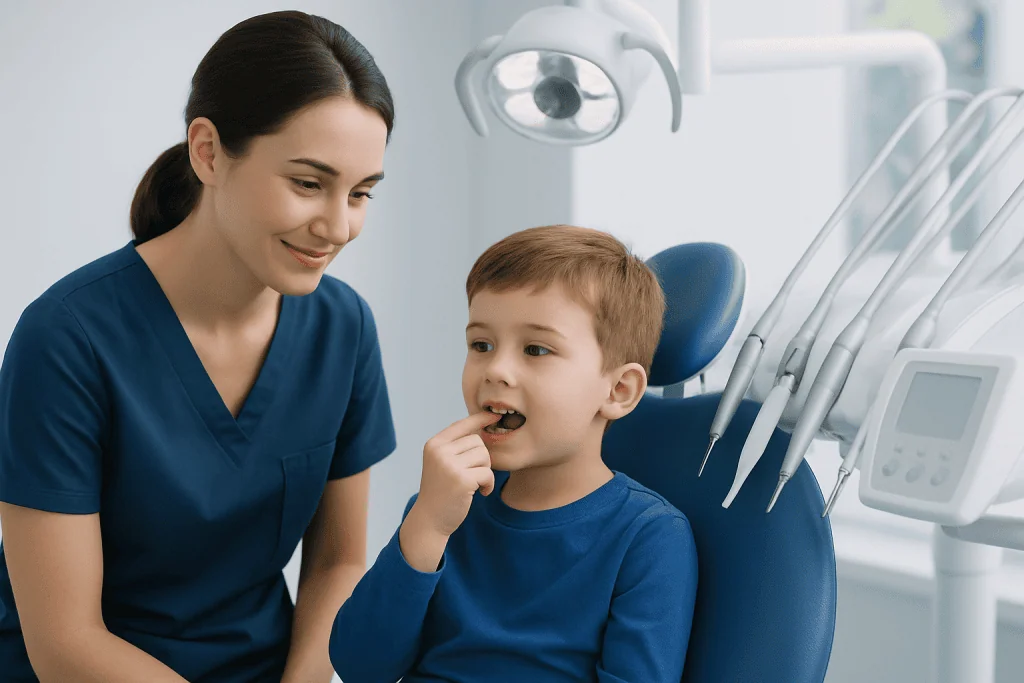
Most children begin losing baby teeth around the early school years, although the timing varies. As the permanent tooth moves upward, it gradually dissolves the root of the baby tooth. The baby tooth then becomes loose and eventually falls out, making room for its replacement. Mild bleeding when a baby tooth comes out can occur and usually settles with gentle pressure using clean gauze.
Children should be encouraged not to pull out a tooth that is only slightly loose. Repeated forceful pulling can hurt the gums or cause unnecessary bleeding. They can gently wiggle a very loose tooth with clean hands, eat normally if comfortable, and maintain regular brushing with a soft toothbrush.
A parent or caregiver should arrange a dental review if a child loses a tooth after a fall or blow, if a permanent tooth becomes loose, if there is significant pain or swelling, or if baby teeth are being lost much earlier or later than expected. A dental professional can check for trauma, infection, crowding or differences in tooth development.
Why a Permanent Tooth Can Become Loose
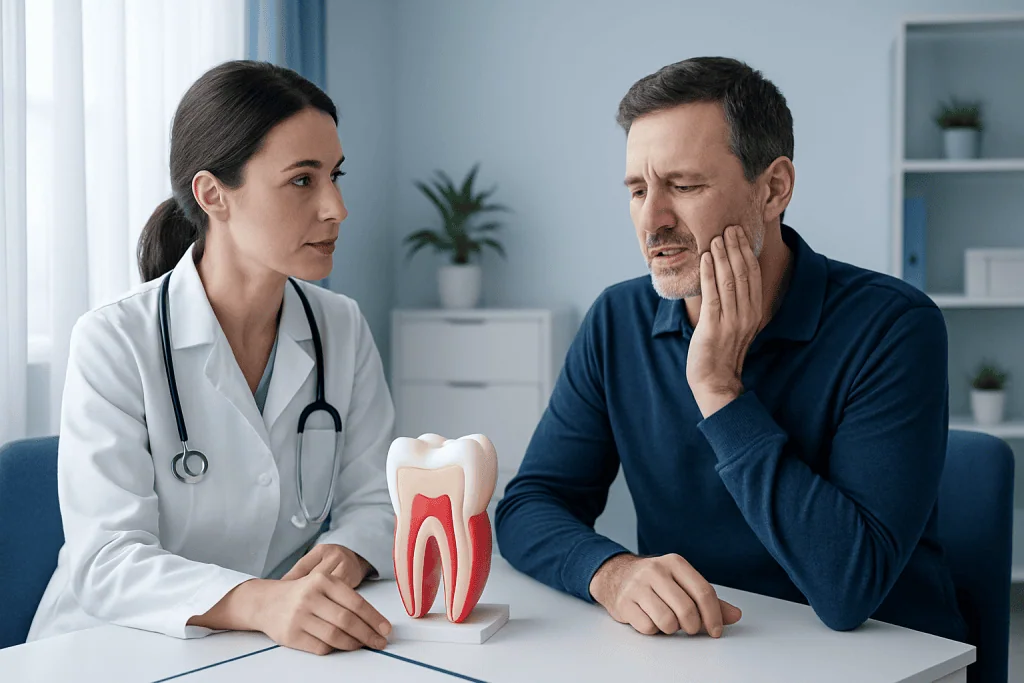
Periodontal disease, often called gum disease, is one of the leading causes of loose permanent teeth. Plaque bacteria can cause inflammation of the gums. If untreated, this inflammation may extend deeper and lead to loss of the bone and connective tissues that anchor teeth. Warning signs can include bleeding gums, persistent bad breath, gum recession, changes in how teeth fit together and pus around the gumline. Gum disease may progress with little pain, so regular dental visits remain important.
Injury is another possible cause. A fall, sports injury, collision or blow to the mouth can stretch or damage the tissues around a tooth. The tooth may become loose immediately or may develop symptoms later. Teeth grinding or clenching, also known as bruxism, can place repeated heavy forces on teeth and may contribute to mobility, enamel wear, jaw discomfort or morning headaches.
Other possible contributors include a dental abscess, severe tooth decay, bite changes, poorly fitting dental restorations, and some medical conditions that affect bone health or immune function. Smoking and poorly controlled diabetes increase the risk and severity of gum disease. Pregnancy-related hormonal changes can make gums more prone to inflammation, although they do not by themselves make healthy teeth fall out.
- Do not assume a loose adult tooth will tighten without finding the cause.
- Do not try to glue, wire or splint a tooth at home.
- Tell the dentist about recent injuries, new medicines and relevant medical conditions.
How Dentists Evaluate a Loose Tooth
A dentist begins by asking when the tooth started feeling loose and whether there has been pain, bleeding, swelling, grinding, an injury or a change in the bite. They will examine the gums, assess the tooth’s movement, check surrounding teeth and look for signs of decay, infection, gum recession or trauma. Measuring the spaces between teeth and gums can help assess periodontal health.
Dental X-rays may be used to evaluate the bone supporting the tooth, the roots, signs of infection and the condition of nearby teeth. In some cases, the dentist checks whether the tooth is receiving normal nerve and blood supply, particularly after trauma. These findings help determine whether the problem is mainly related to gums, bone, the tooth root, the bite or an acute injury.
It is important to share a complete health history. Conditions such as diabetes and osteoporosis, tobacco use, medications that affect bone metabolism, and treatments that affect immune function may influence oral health and care planning. A dentist may work with a periodontist, endodontist or oral and maxillofacial surgeon when specialized treatment is needed.
Treatment Options Depend on the Cause
Treatment aims to control the underlying problem and protect the supporting tissues. When gum disease is responsible, professional cleaning below the gumline, improved daily plaque control and ongoing periodontal care may reduce inflammation and help stabilize affected teeth. More advanced periodontal disease may require specialized procedures to treat deep gum pockets or address bone loss.
If infection inside a tooth is causing symptoms, treatment may involve drainage where appropriate and root canal treatment to remove infection from within the tooth. When a tooth has been loosened by injury, the dentist may monitor it closely or use a temporary flexible splint attached to neighboring teeth. The appropriate approach depends on the type of injury, the degree of mobility and the condition of the tooth root and jawbone.
For movement linked to grinding or an uneven bite, treatment can include adjusting a restoration when appropriate, managing the contributing bite issue, or using a custom protective appliance. If a tooth cannot be saved, replacement options can be discussed after the area has healed and the underlying disease has been controlled. Saving natural teeth where clinically possible is generally preferred, but the treatment plan should be individualized.
What to Do While Waiting for Dental Care
A person with a loose permanent tooth should arrange a dental appointment promptly and avoid repeatedly testing the tooth with the tongue or fingers. Until the appointment, softer foods can reduce pressure on the area. It may be helpful to chew on the opposite side and avoid hard, sticky or crunchy foods, such as ice, nuts, hard candy and crusty bread.
Oral hygiene should continue gently. Brushing twice daily with a soft-bristled toothbrush and cleaning between teeth helps reduce plaque, especially when gum disease may be involved. However, aggressive brushing around sore gums should be avoided. A dentist can advise on the most suitable interdental cleaning method for the individual’s gum condition.
For a tooth knocked out completely, immediate action is especially important. The tooth should be held by the crown rather than the root, gently rinsed with milk or saline if visibly dirty, and placed back in the socket if the person is able to do so safely. If this is not possible, it can be kept in milk or saliva while urgent dental care is sought. A knocked-out baby tooth should not be replanted because this could harm the developing permanent tooth.
When to Seek Medical Care
A loose permanent tooth should be assessed by a dentist as soon as reasonably possible, even if it is not painful. Early evaluation can identify gum disease, injury or infection before further damage occurs. A person should seek urgent dental care after a blow to the mouth, especially if a tooth has moved position, is very loose, is broken, or has been knocked out.
Same-day professional advice is appropriate for facial swelling, swelling of the gums, fever, pus, severe toothache, uncontrolled bleeding, difficulty swallowing or difficulty breathing. These symptoms can indicate an infection or injury requiring prompt assessment. Emergency medical services should be contacted for breathing difficulties, severe facial trauma or uncontrolled bleeding.
Regular dental check-ups, tobacco avoidance, good blood sugar management for people with diabetes, and consistent plaque removal all support gum and tooth health. Acibadem International’s multidisciplinary specialists and JCI-accredited hospitals can assess dental and periodontal concerns for international patients when coordinated care is needed.
Frequently asked questions
Can a loose permanent tooth become firm again?
Sometimes, depending on the cause. A tooth that feels loose because of inflammation, mild trauma or excessive biting forces may become more stable after appropriate treatment. However, a dentist should assess the tooth because untreated gum disease or infection can cause further loss of support.
Is it normal for an adult tooth to feel slightly loose?
Permanent teeth have a very small amount of normal movement because they are supported by a ligament rather than fused directly to bone. Noticeable movement, a new change in the bite or discomfort when chewing is not typical and should be checked by a dentist. It is best not to repeatedly test the tooth.
Can gum disease cause teeth to fall out?
Yes. Advanced gum disease can damage the bone and tissues that hold teeth in place, which may lead to tooth mobility and eventual tooth loss if not treated. Professional periodontal care and effective daily oral hygiene can help control the disease and protect remaining support.
Should a loose tooth be pulled out at home?
A loose baby tooth can usually be allowed to fall out naturally, provided there is no injury or concerning symptom. A loose permanent tooth should never be pulled out at home. Removing it without assessment may cause bleeding, infection, damage to nearby tissues and loss of a tooth that might have been treatable.
What should someone do if a tooth becomes loose after an injury?
They should contact a dentist urgently, ideally the same day. Avoid pushing the tooth back forcefully, chewing on it or trying to splint it at home. A dentist can assess the injury and determine whether monitoring, stabilization or other treatment is needed.
Can teeth grinding make a tooth loose?
Teeth grinding and clenching can place excessive force on teeth and the tissues around them. Over time, this may contribute to sensitivity, tooth wear, cracks and a sensation of looseness, particularly when gum support is already reduced. A dentist can assess the bite and discuss protective measures if needed.
References
- American Dental Association
- Centers for Disease Control and Prevention
- National Institute of Dental and Craniofacial Research
- American Academy of Periodontology
This article is for general information only and is not a substitute for professional medical advice. Please consult a qualified doctor about your individual situation.
Explore treatments in Turkey — costs, top hospitals & a free quote
JCI-accredited · board-certified surgeons · reply within 24h
Add us as a Preferred Source to see more of our trusted health content across Google Search, AI Overviews and Discover.