Dry Skin Around Eyes: What Patients Need to Know

Dry skin around eyes often results from irritation, contact allergy, eczema, or environmental dryness. The skin of the eyelids is delicate, so harsh cleansers, rubbing, and strong cosmetic products can make symptoms worse.
Key Takeaways
- Dry skin around eyes often results from irritation, contact allergy, eczema, or environmental dryness.
- The skin of the eyelids is delicate, so harsh cleansers, rubbing, and strong cosmetic products can make symptoms worse.
- Persistent redness, swelling, pain, discharge, or vision changes should be assessed by a doctor.
- Treatment usually focuses on avoiding triggers, restoring the skin barrier, and treating any underlying skin or eye condition.
- Fragrance-free moisturizers and simple skin-care routines are often helpful for mild cases.
Dry skin around eyes is common and is often linked to irritation, allergies, eczema, weather, or skin-care products rather than a serious illness. Because eyelid skin is very thin and sensitive, symptoms should be assessed carefully and treated with gentle, targeted care.
Overview: what dry skin around eyes usually means
Dry skin around eyes is usually a sign that the delicate eyelid area has become irritated, inflamed, or dehydrated. In many people, it is related to everyday factors such as cold weather, low humidity, frequent washing, cosmetics, or skin-care products. It can also happen with skin conditions such as eczema, seborrheic dermatitis, or contact dermatitis.
The skin around the eyes is thinner than skin on most other parts of the face. It contains less oil-producing support, which makes it more vulnerable to dryness, flaking, and burning. Because of this, even products that seem mild elsewhere on the face may cause discomfort when they are applied too close to the eyes.
Although dry skin around eyes is often manageable, it should not be ignored if symptoms are persistent or severe. Problems involving the eyelids can overlap with both skin and eye conditions, so the right diagnosis matters. Careful evaluation helps distinguish a simple dryness problem from allergy, infection, inflammation, or another underlying issue.
How it can look and feel
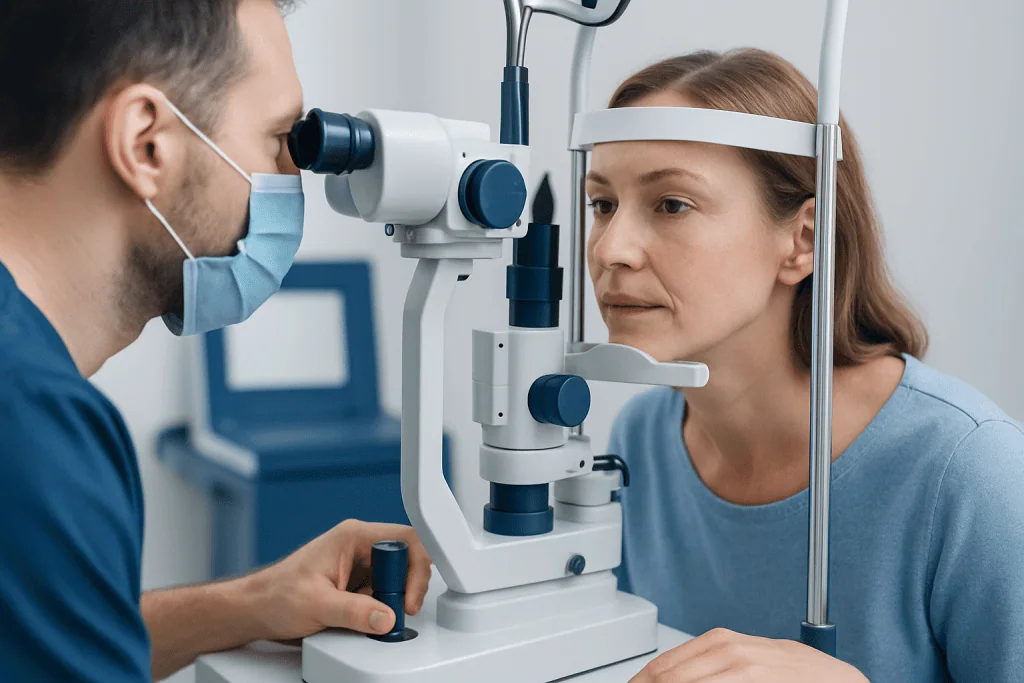
Symptoms can vary from mild tightness to more noticeable inflammation. Some people describe the area as rough, flaky, itchy, or sensitive, while others feel stinging or burning when water, sunscreen, or moisturizer touches the skin. The eyelids may look pink, red, slightly swollen, or wrinkled from irritation.
Dryness may affect the upper eyelids, lower eyelids, the corners of the eyes, or the surrounding skin. In some cases, it comes and goes with weather changes or product use. In others, it lasts for weeks and may be part of a chronic skin condition.
Common symptoms include:
- Flaking or scaling on the eyelids or under-eye area
- Itching, burning, or tenderness
- Tight or rough-feeling skin
- Redness or mild swelling
- Cracking in more severe dryness
- Watery eyes from irritation
If the problem extends into the eye itself, symptoms may include redness of the eye, discharge, light sensitivity, or blurred vision. These are not typical features of simple skin dryness and deserve prompt medical attention.
Common causes and contributing factors

One of the most frequent causes of dry skin around eyes is irritant or allergic contact dermatitis. This means the skin reacts to something that touches it directly or indirectly. Triggers may include eye makeup, makeup remover, facial cleansers, anti-aging creams, sunscreen, nail polish transferred by the hands, fragrance, or preservatives in skin-care products. Even products applied to the scalp or hands can affect the eyelids after contact.
Underlying skin conditions are another common explanation. People with atopic dermatitis, often called eczema, may develop dry, itchy, inflamed skin around the eyes. Seborrheic dermatitis can also affect the eyelids and nearby skin, causing flaking and redness. Psoriasis is less common in this area but may also be considered if scaling is persistent.
Environmental factors can contribute significantly. Cold air, wind, low humidity, indoor heating, air conditioning, and frequent exposure to water can all dry the skin barrier. Rubbing the eyes because of fatigue, allergy symptoms, or screen-related eye discomfort can make matters worse.
Some people also have associated eye-surface or eyelid conditions. Blepharitis, meibomian gland dysfunction, or allergic eye disease may lead to irritation around the eyelids as well as in the eyes. If symptoms involve crusting at the lash line or recurrent eyelid inflammation, clinicians may look for these overlapping causes.
Why the eyelid area needs special care
The skin barrier works like a protective shield, helping the body hold in moisture and keep out irritants. Around the eyes, that barrier is especially delicate. Once it is disrupted, the area can quickly become trapped in a cycle of dryness, itching, rubbing, and further irritation. This is one reason symptoms may seem out of proportion to a small trigger.
People often try to solve the problem by applying more active skin-care products, but this can backfire. Retinoids, exfoliating acids, acne treatments, heavily fragranced creams, and some essential oils can be too strong for eyelid skin. Even products labeled as natural are not always suitable for this sensitive area.
Another challenge is that the same symptoms can come from more than one cause at the same time. For example, a person with seasonal allergies may rub the eyes frequently, then develop irritation from a cosmetic product, on top of naturally dry winter skin. This is why treatment often works best when it addresses both the trigger and the skin barrier itself.
How doctors diagnose the problem
Diagnosis usually begins with a careful history and skin examination. A doctor may ask when the dryness started, whether it is itchy or painful, what products are used near the eyes, whether there is a history of eczema or allergies, and whether symptoms affect the eyes as well as the skin. This detail often provides important clues.
The examination focuses on the eyelids, the surrounding facial skin, and sometimes the eyes themselves. Doctors look for patterns such as scaling at the lash line, sharply defined redness, swelling, or signs of chronic rubbing. In some cases, the clinician may also ask about workplace exposures, nail products, or recent changes in cosmetics.
If allergic contact dermatitis is suspected, patch testing may be recommended by a dermatologist. If eye involvement is suspected, an eye specialist may examine the surface of the eye and eyelids in more detail. Evaluation can also help distinguish dry skin from conditions such as conjunctivitis or other inflammatory eyelid disorders.
Persistent or complex cases sometimes need coordinated care between dermatology and ophthalmology. Where appropriate, assessment may include specialist review and tests used in eye examination or further review by dermatology teams to identify the exact cause and choose the safest treatment.
Treatment options and everyday relief
Treatment depends on the cause, but the first step is usually to reduce irritation and restore the skin barrier. Doctors often advise stopping nonessential products around the eyes for a period of time, especially makeup, fragranced creams, active exfoliants, and anti-aging products. A simple routine with a gentle cleanser and a fragrance-free moisturizer is often preferred.
For mild cases, careful skin-barrier support may be enough. This may include using a bland, fragrance-free emollient on the eyelid skin, avoiding hot water, and not rubbing or scratching. If symptoms appear related to a specific product, avoiding that trigger is important even after the rash improves.
When inflammation is more pronounced, a doctor may recommend short-term prescription treatment. Because the eyelid area is sensitive, medicated creams or ointments should be used only under medical guidance. If there is an underlying allergic, inflammatory, or eyelid-margin condition, treatment may also target that specific problem.
If eye symptoms occur together with skin symptoms, management may involve specialist care. Depending on the diagnosis, clinicians may consider therapies used in allergy assessment or management through ophthalmology services when eyelid dryness overlaps with ocular inflammation.
Prevention and self-care habits that help
Prevention is largely about protecting the eyelid skin barrier and reducing unnecessary exposure to irritants. The most helpful approach is usually simple, consistent, and gentle rather than intensive. Many people improve when they reduce the number of products used around the eyes and avoid switching products frequently.
Practical self-care measures include:
- Choose fragrance-free, hypoallergenic products when possible
- Apply moisturizer to slightly damp skin after washing
- Use lukewarm, not hot, water on the face
- Avoid rubbing the eyes, especially when tired or itchy
- Remove makeup gently and completely
- Protect the skin in cold, windy, or very dry weather
- Use a humidifier if indoor air is very dry
It can also help to review indirect triggers. For example, hair dye, shampoo, nail polish, and hand creams may be transferred to the eyelids by touch. People who wear contact lenses or use eye drops should mention this to their doctor, because some products may contribute to irritation in sensitive individuals.
Keeping a symptom diary may be useful when the trigger is unclear. Recording product use, weather changes, allergy symptoms, and flare-ups can help identify patterns over time and make medical consultations more productive.
When to seek medical care
Medical advice is recommended if dry skin around eyes does not improve after a short period of gentle self-care, keeps coming back, or becomes more uncomfortable. Ongoing symptoms may point to eczema, allergy, blepharitis, or another condition that needs specific treatment rather than simple moisturization alone.
A person should seek prompt medical care if there is marked swelling, severe redness, pain, pus, fever, crusting, a rash spreading quickly, or any change in vision. Light sensitivity, trouble opening the eye, or redness in the eye itself also deserve timely assessment, because these symptoms may suggest an eye condition rather than only dry skin.
Children, people with a known history of eczema or allergies, and those with repeated episodes may benefit from a structured evaluation. Near the end of the care pathway, it may be helpful to know that Acibadem International’s multidisciplinary specialists in JCI-accredited hospitals diagnose and treat eyelid, skin, and eye conditions for international patients when coordinated care is needed.
Frequently asked questions
What is the most common reason for dry skin around eyes?
The most common reasons are irritation from skin-care products, cosmetics, environmental dryness, and eczema or contact dermatitis. Because eyelid skin is very thin, it can react to products that feel harmless on the rest of the face.
Can allergies cause dry skin around eyes?
Yes. Allergies can lead to itching and rubbing, which disrupt the skin barrier and cause dryness. Some people also have allergic contact dermatitis from ingredients in makeup, cleansers, or nail products that are transferred to the eyelids.
Is dry skin around eyes the same as eczema?
Not always. Eczema is one possible cause, but dryness around the eyes can also result from irritation, weather, blepharitis, or allergic reactions. A doctor can help tell the difference if symptoms are persistent or recurring.
What should be avoided when the skin around the eyes is dry?
It is best to avoid rubbing the eyes, using harsh cleansers, hot water, fragranced creams, exfoliating acids, and retinoid products near the eyelids unless a doctor advises otherwise. Simplifying the routine usually helps the skin recover.
Can dry skin around eyes affect vision?
Simple skin dryness usually does not affect vision. However, if there is eye redness, pain, discharge, light sensitivity, or blurred vision, medical assessment is important because the eye itself may be involved.
How long does dry skin around eyes usually last?
Mild irritation may improve within days to a couple of weeks once the trigger is removed and the skin barrier is protected. If symptoms continue, return often, or worsen, a medical review is a sensible next step.
This article is for general information only and is not a substitute for professional medical advice. Please consult a qualified doctor about your individual situation.
Explore treatments in Turkey — costs, top hospitals & a free quote
JCI-accredited · board-certified surgeons · reply within 24h
Add us as a Preferred Source to see more of our trusted health content across Google Search, AI Overviews and Discover.

More from the Health Library

Oatmeal Glycemic Index — Explained by Medical Evidence, Not Myths

Psoriasis Vulgaris: What Patients Need to Know

Myrrh — Explained by Medical Evidence, Not Myths

Emotional Dysregulation: An Evidence-Based Guide for Patients

Cross Training — Explained by Medical Evidence, Not Myths