Healthy Frozen Meals: What Patients Need to Know

Healthy frozen meals are possible, but the nutrition label matters more than the marketing on the box. A balanced meal usually includes vegetables, a lean protein source, fiber-rich carbohydrates, and moderate sodium.
Key Takeaways
- Healthy frozen meals are possible, but the nutrition label matters more than the marketing on the box.
- A balanced meal usually includes vegetables, a lean protein source, fiber-rich carbohydrates, and moderate sodium.
- Patients with high blood pressure, diabetes, kidney disease, or heart disease may need extra guidance when choosing frozen foods.
- Frozen meals can be improved by adding fresh or frozen vegetables, beans, yogurt, fruit, or a simple salad.
- Regular reliance on highly processed meals may increase intake of sodium, saturated fat, and added sugars.
Healthy frozen meals can fit into a balanced diet when they provide enough protein and fiber, moderate sodium, and recognizable ingredients. For many patients, they are a practical backup option that supports regular eating, portion awareness, and better meal planning.
Overview: Are Healthy Frozen Meals Really Healthy?
Healthy frozen meals can be a good choice, especially for people who are short on time, recovering from illness, managing appetite changes, or trying to avoid skipping meals. Freezing itself does not make food unhealthy. In many cases, frozen ingredients keep their nutritional value well, and a thoughtfully prepared frozen meal may be more balanced than fast food or a meal missed altogether.
The key issue is not whether a meal is frozen, but how it is made. Some frozen meals contain useful amounts of vegetables, lean protein, and whole grains. Others are high in sodium, refined starches, saturated fat, or sauces that add calories without much nutritional benefit. Reading the label is often more important than trusting words like “light,” “natural,” or “fit.”
For patients, frozen meals can serve as a practical tool rather than a perfect food. They may help older adults, busy workers, caregivers, students, and people with limited energy maintain regular eating patterns. They can also support portion control, which may be helpful for those discussing weight management or metabolic health with their doctor.
A balanced approach works best. Frozen meals are usually most useful as part of an overall eating pattern that also includes fresh foods, home-cooked meals, and simple staples such as fruit, yogurt, eggs, legumes, and salads. The goal is not to avoid frozen foods entirely, but to choose them with more intention.
What Makes a Frozen Meal a Better Choice?

A healthier frozen meal usually contains a clear source of protein, some fiber, and a moderate amount of sodium. Protein helps with fullness and supports muscle health, while fiber supports digestion and can help keep blood sugar steadier after eating. Meals that include vegetables and beans, lentils, chicken, fish, tofu, or whole grains often provide a more balanced nutrition profile.
It also helps to look at the ingredient list. A shorter list is not always healthier, but ingredients should generally be recognizable and fit the type of meal being sold. Meals that rely heavily on creamy sauces, processed meats, or large amounts of cheese may be higher in sodium and saturated fat than expected.
Practical label checks can include:
- Protein that is substantial enough to make the meal satisfying
- Fiber from vegetables, legumes, or whole grains
- Sodium kept moderate whenever possible
- Limited added sugars in savory meals
- A calorie level that fits the person’s appetite and health goals
Portion size matters too. Some frozen meals are very small and may leave a person hungry soon after eating. Others are marketed as single servings but contain more food than needed. Patients may find it useful to compare the serving size with what they actually plan to eat, then build the meal if needed with extra vegetables or a side dish.
How to Read the Label Without Overcomplicating It
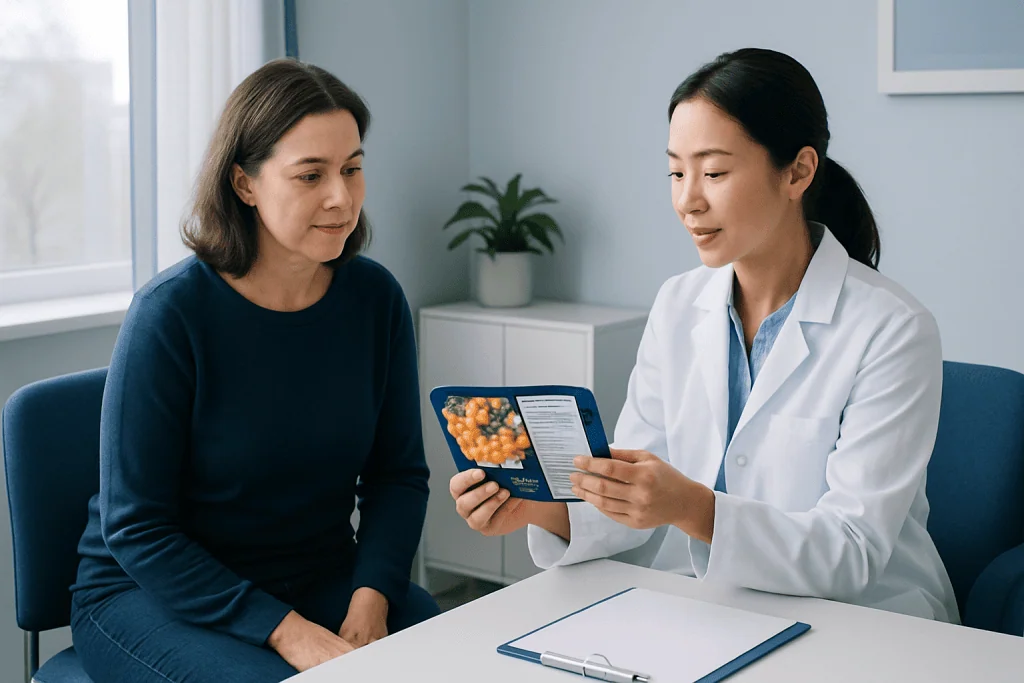
Nutrition labels can seem technical, but a few simple checks are often enough. First, patients can look at the serving size and confirm whether the package contains one serving or more than one. Then they can review protein, fiber, sodium, saturated fat, and added sugars. This quick review gives a better picture than front-of-package claims alone.
Sodium deserves special attention because frozen meals are often preserved and flavored with salt. People living with high blood pressure or those trying to protect heart health may benefit from choosing lower-sodium options more often. Even a meal that looks light can contain a large portion of a day’s sodium intake.
Carbohydrate quality also matters. Meals built around refined pasta, white rice, or mashed potatoes are not automatically unhealthy, but they may be less filling if they contain little fiber or protein. For patients with diabetes or prediabetes, pairing carbohydrates with protein and vegetables may support steadier blood sugar control. If blood sugar has already become a medical concern, an evaluation for diabetes and individualized nutrition advice may be helpful.
Labels should be used as guides, not as reasons for anxiety. A meal does not need to be perfect to be useful. Looking for a generally balanced option and improving it with simple additions is often a realistic and sustainable strategy.
Who May Benefit Most From Healthy Frozen Meals?
Frozen meals can be particularly helpful for people who need convenience without losing structure in their diet. Patients recovering from surgery or illness, people with demanding work schedules, and caregivers who spend most of the day helping others may all benefit from having dependable meal options available. For some, the healthiest choice is the one that is practical enough to use consistently.
They may also be useful for older adults or people who feel tired easily and cannot cook every day. A ready-made meal can reduce food waste, lower the effort of meal preparation, and make it easier to eat regularly. In clinical nutrition, regular meals often matter because long gaps without food can lead to overeating later or reduced energy intake overall.
People trying to manage body weight may appreciate the built-in portion control of frozen meals. In some cases, clinicians may discuss broader weight strategies, including nutrition counseling or obesity surgery when medically appropriate. Frozen meals are not a treatment, but they can be one practical tool within a larger plan.
At the same time, not every frozen meal fits every patient. People with kidney disease, severe fluid retention, food allergies, swallowing problems, or complex digestive symptoms may need more tailored advice. Individuals with persistent digestive complaints may need medical assessment for issues such as irritable bowel syndrome or other gastrointestinal conditions.
Common Concerns About Frozen Meals
One common concern is that frozen meals are “too processed” to be healthy. Processing exists on a spectrum. Washing, chopping, cooking, and freezing food are all forms of processing, and they do not automatically reduce nutritional value. The more important question is how much salt, saturated fat, added sugar, and highly refined ingredients were used in the final product.
Another concern is whether frozen vegetables are less nutritious than fresh ones. In many cases, frozen vegetables are picked and preserved at a point that helps retain nutrients well. This can make them a reliable option, especially when fresh produce is expensive, unavailable, or likely to spoil before use.
People also sometimes worry that frozen meals cannot be filling. This can happen if the portion is small or lacks protein and fiber. A simple fix is to treat the meal as a base and add a side of steamed vegetables, a bowl of soup, plain yogurt, fruit, nuts, or beans. Small additions can improve fullness and overall nutrient intake without much effort.
Finally, some patients notice bloating after frozen meals. This may be related to high sodium content, large portions, certain sauces, or individual sensitivities. If bloating, abdominal pain, reflux, or bowel changes occur often, it may be worth discussing diet and symptoms with a gastroenterology specialist, and in some cases further evaluation such as endoscopy may be recommended.
How to Build a Better Meal From a Frozen One
A frozen meal does not have to stand alone. One of the most practical ways to make healthy frozen meals work better is to use them as a starting point. Adding simple side foods can increase vegetables, fiber, and protein while making the meal more satisfying. This can also help patients avoid relying on snacks later because the original meal was too small.
Helpful additions may include a side salad, extra frozen vegetables, a piece of fruit, cottage cheese, plain yogurt, or a serving of beans. If the meal is low in protein, adding grilled chicken, tofu, eggs, or lentils can improve balance. If the meal is low in fiber, vegetables, fruit, or whole-grain sides can help.
Patients can also keep a few basic freezer staples on hand, such as plain vegetables, fish fillets, cooked brown rice, or soup. Combining these with a store-bought entrée makes it easier to create variety without cooking from scratch every day. This is often more realistic than expecting every meal to be homemade.
For people with cholesterol concerns or established heart disease, building meals around vegetables, legumes, fish, and moderate portions of whole grains may support dietary goals. A clinician may sometimes recommend a more detailed cardiovascular assessment or treatments such as cardiology care if symptoms or risk factors suggest a broader heart-health issue.
When Frozen Meals May Be Less Suitable
Healthy frozen meals are not ideal in every situation. Some products are very high in sodium, which may be a concern for patients with hypertension, heart failure, or certain kidney problems. Others may contain too little energy or protein for people who are underweight, recovering from illness, or trying to maintain muscle mass.
People with diabetes may need to pay extra attention to the total carbohydrate content and the balance of that carbohydrate with fiber and protein. A meal that is mostly refined starch may lead to less steady blood sugar after eating. A registered dietitian or physician can help tailor meal choices to a person’s medications, blood sugar patterns, and overall health needs.
Food allergies and intolerances are another reason to be cautious. Frozen meals may include common allergens such as milk, soy, wheat, shellfish, tree nuts, or eggs, and sauces may contain ingredients that are easy to overlook. Reading labels carefully is essential for anyone with known food allergies or celiac disease.
Some people may also find that frozen meals encourage a repetitive diet. If meals become narrow and highly packaged over time, important nutrients from fresh produce, legumes, nuts, and minimally processed foods may be missed. Variety remains an important part of healthy eating, even when convenience foods are part of the routine.
When to Seek Medical Care
Occasional use of frozen meals is usually not a medical problem. However, a person should seek professional advice if meal choices are being shaped by poor appetite, unintended weight loss, persistent fatigue, trouble chewing or swallowing, repeated vomiting, chronic diarrhea, or abdominal pain. These symptoms may point to a nutritional or digestive issue that needs proper evaluation.
Medical care is also important if a person has a condition that requires dietary planning, such as diabetes, kidney disease, heart failure, severe high blood pressure, or food allergy. In these cases, “healthy” on a package may not mean appropriate for that individual. A doctor or dietitian can help match convenience foods to the patient’s medical needs.
Urgent care should be sought for signs of a serious reaction or illness, such as difficulty breathing, swelling of the lips or throat, chest pain, severe dehydration, black stools, or intense abdominal pain. Foodborne illness from frozen meals is uncommon when products are stored and heated correctly, but any severe symptoms should be assessed quickly.
For people seeking coordinated advice, Acibadem International’s multidisciplinary specialists in JCI-accredited hospitals diagnose and treat nutrition-related and digestive conditions for international patients. Professional guidance can be especially useful when symptoms, chronic disease, and daily meal decisions begin to overlap.
Frequently asked questions
Are healthy frozen meals good for weight loss?
They can be, especially if they help with portion control and prevent skipped meals or frequent takeaway food. The best options usually provide protein and fiber so the meal is more filling. Weight goals are easier to support when frozen meals are part of a broader eating pattern rather than the only strategy.
How often can a person eat frozen meals?
Many people can include frozen meals regularly if they choose balanced options and maintain variety across the week. It is still helpful to include fresh foods, simple home-prepared meals, and minimally processed snacks. The right frequency depends on overall diet quality and any medical conditions.
What should patients with high blood pressure watch for?
Sodium is one of the most important things to check on the label. Many frozen meals contain more salt than people expect, even when they seem light or vegetable-based. Patients with high blood pressure may benefit from comparing products and choosing lower-sodium options more often.
Are frozen meals safe for people with diabetes?
They can be, but it is important to look at the balance of carbohydrates, protein, and fiber. Meals that are mostly refined starch may be less helpful for blood sugar control than meals that include vegetables and protein. A clinician or dietitian can give more personalized advice based on medications and glucose patterns.
Do frozen meals lose nutrients compared with fresh meals?
Not necessarily. Freezing can preserve many nutrients well, especially in vegetables that are processed soon after harvest. The overall nutritional quality usually depends more on the recipe and ingredients than on the fact that the food is frozen.
How can a frozen meal be made healthier?
A simple approach is to add vegetables, fruit, yogurt, beans, or another lean protein source. This can improve fullness and increase fiber, vitamins, or protein without much extra work. Treating the frozen meal as a base rather than a complete solution is often very effective.
References
- World Health Organization
- U.S. Food and Drug Administration
- Centers for Disease Control and Prevention
- American Heart Association
- Academy of Nutrition and Dietetics
This article is for general information only and is not a substitute for professional medical advice. Please consult a qualified doctor about your individual situation.
Explore treatments in Turkey — costs, top hospitals & a free quote
JCI-accredited · board-certified surgeons · reply within 24h
Add us as a Preferred Source to see more of our trusted health content across Google Search, AI Overviews and Discover.
Check your numbers in seconds
BMI, calories, due date, blood pressure and 30+ more clinical calculators — free, instant, doctor-reviewed ranges.

More from the Health Library

Dermabrasion: A Complete Medical Overview

Fasciculation Muscle Twitch: What Patients Need to Know

Arformoterol: A Complete Medical Overview

Burning Sensation in Upper Abdomen Female: An Evidence-Based Guide for Patients

Dark Blue Nails — Explained by Medical Evidence, Not Myths