Stomach Low — Explained by Medical Evidence, Not Myths

Stomach low is a symptom description, not a disease name. Common causes include bloating, constipation, indigestion, muscle strain, and sometimes pelvic or urinary conditions.
Key Takeaways
- Stomach low is a symptom description, not a disease name.
- Common causes include bloating, constipation, indigestion, muscle strain, and sometimes pelvic or urinary conditions.
- The location of discomfort and associated symptoms help doctors identify the cause.
- Sudden severe pain, fever, vomiting, bleeding, or trouble passing stool or urine needs prompt medical care.
- Lifestyle measures may help mild symptoms, but persistent or recurring discomfort should be assessed by a clinician.
“Stomach low” is not a medical diagnosis. People usually use it to describe a low, heavy, dropped, or uncomfortable feeling in the lower abdomen, which can have digestive, muscular, urinary, or gynecologic causes depending on the person and the symptoms that come with it.
Overview: what “stomach low” usually means
The phrase “stomach low” is commonly used to describe discomfort felt lower in the abdomen rather than high in the upper stomach area. In everyday speech, it may mean a sensation of heaviness, fullness, pressure, dragging, bloating, or pain below the belly button. It is important to know that this is not a formal medical diagnosis, but a symptom that can have several different explanations.
Medical evaluation starts by clarifying exactly what the person means. Some people are actually describing lower abdominal bloating from gas or constipation. Others mean pelvic pressure, menstrual discomfort, a pulled abdominal muscle, or symptoms from the bladder or bowel. Because many organs are located in the lower abdomen, the same vague sensation can come from different body systems.
Understanding the pattern matters more than the phrase itself. A mild low stomach feeling after a heavy meal is different from recurring lower abdominal pain, a new bulge, or discomfort with fever, vomiting, or bowel changes. In this way, evidence-based care focuses on the full symptom picture rather than myths, assumptions, or self-diagnosis based on a single term.
Common symptoms that can come with a low stomach feeling
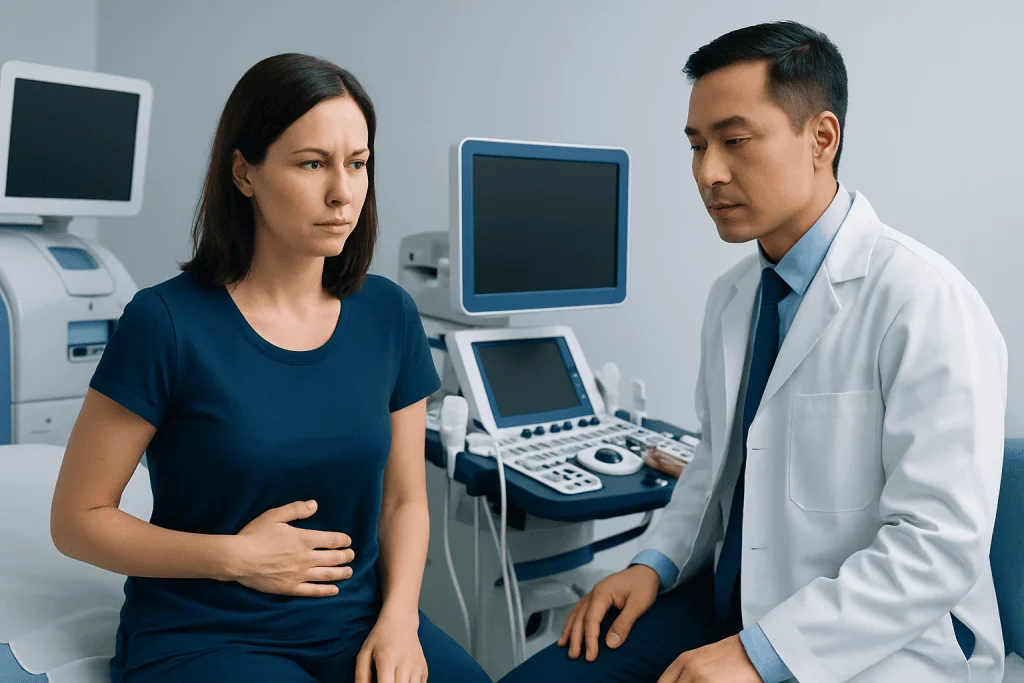
People who say they feel their stomach is “low” may also report bloating, pressure, cramping, gurgling, visible abdominal swelling, or a sense that the abdomen feels heavy. Some feel better after passing gas or having a bowel movement, which can suggest the discomfort is related to digestion. Others notice symptoms after large meals, carbonated drinks, or long periods of sitting.
Associated symptoms help narrow down the cause. Digestive causes may bring nausea, heartburn, constipation, diarrhea, or changes in appetite. Urinary causes may include frequent urination, burning, or difficulty emptying the bladder. In women, pelvic discomfort may be linked to menstruation, ovulation, ovarian cysts, or conditions such as endometriosis.
Doctors also consider whether the feeling is constant or comes and goes, whether it is related to meals, movement, or stress, and whether it is localized to one side. Symptoms that wake a person from sleep, steadily worsen, or interfere with eating and hydration deserve closer attention.
- Heaviness or pressure in the lower abdomen
- Bloating or increased abdominal fullness
- Cramping, aching, or dragging discomfort
- Constipation, diarrhea, or gas
- Urinary symptoms or pelvic pressure
- Nausea, reduced appetite, or reflux symptoms
Possible causes: digestive, muscular, pelvic, and more

The most common explanations are often digestive. Gas buildup, constipation, irritable bowel syndrome, food intolerance, and indigestion can all create a low, uncomfortable abdominal sensation. In some people, slowed bowel movements make the lower abdomen feel full or firm. When symptoms are mainly bloating and altered bowel habits, clinicians may also consider conditions such as irritable bowel syndrome.
Muscle and posture-related causes are another possibility. Straining during exercise, lifting, chronic coughing, or weak core support can lead to lower abdominal discomfort. Some people interpret this as the stomach “dropping” or sitting low, although the issue may actually involve the abdominal wall, pelvic floor, or tension in surrounding muscles.
Other causes depend on sex, age, and medical history. In women, common causes include menstrual cramps, ovarian cysts, fibroids, pregnancy-related changes, or endometriosis. In men and women, urinary tract irritation, bladder problems, or hernias can cause lower abdominal pressure. More serious but less common causes include appendicitis, bowel obstruction, inflammatory bowel disease, or complications involving the reproductive organs. Because these conditions can overlap in symptoms, an accurate diagnosis depends on a clinical assessment rather than assumptions.
How doctors evaluate stomach low symptoms
Diagnosis begins with a careful history. A doctor usually asks where the discomfort is felt, how long it has been present, what it feels like, and whether it is linked to meals, bowel movements, menstruation, urination, exercise, or stress. Past surgeries, medications, recent travel, diet changes, and family history may also be important.
A physical examination often includes checking the abdomen for tenderness, swelling, bowel sounds, or a hernia. Depending on the symptoms, the doctor may also assess hydration, temperature, weight changes, and signs of anemia or inflammation. In women, a pelvic evaluation may sometimes be needed; in some cases, a urinary exam may be part of the workup.
Tests are chosen based on the likely cause rather than used routinely for everyone. These may include blood tests, urine tests, stool tests, ultrasound, or other imaging. If symptoms suggest a structural digestive problem, recurrent reflux, or persistent upper digestive complaints together with lower abdominal symptoms, a specialist may recommend gastroscopy to examine the upper digestive tract. If bowel symptoms such as ongoing constipation, bleeding, unexplained weight loss, or lasting abdominal pain are present, colonoscopy may be considered to examine the colon. When needed, imaging such as MRI or ultrasound can help clarify pelvic, abdominal wall, or organ-related causes.
Treatment depends on the cause, not the phrase
There is no single treatment for “stomach low” because the symptom can come from different conditions. Management is based on the underlying cause. For example, constipation may improve with dietary fiber, fluids, and a clinician-guided bowel plan, while gas and bloating may respond to changes in eating habits and identifying food triggers. If symptoms are related to reflux, gastritis, bowel disorders, urinary issues, or gynecologic conditions, treatment is tailored accordingly.
When lifestyle measures are not enough, doctors may recommend medications or procedures based on the diagnosis. Options may include treatment for acid-related conditions, infection, constipation, inflammatory disease, or pelvic disorders. In selected cases, surgery may be needed for problems such as a hernia, bowel obstruction, appendicitis, or certain gynecologic conditions.
It is best to avoid repeated self-treatment without a diagnosis if symptoms are persistent, severe, or changing over time. Long-term use of over-the-counter remedies can sometimes mask an important problem. A clinician can help distinguish between common functional symptoms and conditions that need further treatment.
Self-care and prevention for mild symptoms
For mild and short-lived symptoms, simple self-care can often help. Eating more slowly, reducing very large meals, limiting carbonated drinks, and noticing whether certain foods trigger bloating may reduce abdominal pressure. Regular movement supports normal bowel function, and adequate fluid intake helps prevent constipation in many people.
Good bowel habits are also important. Responding to the urge to pass stool, aiming for regular meal times, and including fiber from fruits, vegetables, legumes, and whole grains may improve lower abdominal fullness related to constipation. However, fiber should be increased gradually, because a sudden increase can worsen bloating in some individuals.
Stress management can also play a role, especially when digestive symptoms fluctuate with daily routines. Gentle exercise, sleep, and consistent eating patterns often support symptom control. If the sensation follows exercise or lifting, rest and reviewing body mechanics may help, but ongoing pain should be assessed to rule out hernia or muscle injury.
Prevention is not always possible, especially when the cause is a medical condition rather than a lifestyle factor. Still, tracking symptoms can be useful. A short diary noting meals, bowel habits, menstrual timing, physical activity, and the exact location of discomfort may help a doctor identify patterns more quickly.
When to seek medical care
Medical care is advisable if a low stomach feeling lasts more than a few days, keeps returning, or affects appetite, sleep, or daily activities. A doctor should also assess symptoms that are new, unusual for the person, or linked to unexplained weight loss, ongoing constipation or diarrhea, or repeated vomiting.
Urgent evaluation is needed for severe or rapidly worsening abdominal pain, fever, fainting, black or bloody stool, vomiting blood, inability to pass stool or gas, painful abdominal swelling, or trouble passing urine. In women, sudden severe pelvic pain, abnormal vaginal bleeding, or pain during pregnancy also requires prompt medical attention.
Because “stomach low” can overlap with several digestive and pelvic conditions, an accurate diagnosis is the safest approach when symptoms do not clearly improve. At Acibadem International, multidisciplinary specialists in JCI-accredited hospitals evaluate abdominal and pelvic symptoms for international patients and guide further testing or treatment when needed.
Frequently asked questions
Is stomach low a real medical condition?
No, stomach low is not a formal medical diagnosis. It is a common way people describe a low or heavy feeling in the abdomen, and the cause can range from simple bloating to bowel, urinary, muscle, or pelvic conditions.
Can constipation make the stomach feel low or heavy?
Yes, constipation is a common reason for lower abdominal heaviness or fullness. When stool builds up in the bowel, it can cause pressure, bloating, cramping, and a sensation that the stomach sits low.
Is stomach low the same as bloating?
Not always. Bloating is one common cause, but some people use the term to describe pelvic pressure, muscle strain, menstrual discomfort, or urinary symptoms. The exact location and associated symptoms help distinguish these possibilities.
When should someone worry about a low stomach feeling?
It deserves medical attention if it is severe, persistent, or keeps coming back. Urgent care is important if the person also has fever, vomiting, blood in stool, fainting, strong one-sided pain, inability to pass stool or urine, or marked abdominal swelling.
Can stress cause stomach low symptoms?
Stress can contribute to digestive symptoms such as bloating, cramping, and altered bowel habits, especially in people with a sensitive gut. It may not be the only cause, but it can make existing symptoms more noticeable or frequent.
What tests might be needed for stomach low symptoms?
Testing depends on the suspected cause. A doctor may recommend blood or urine tests, stool tests, ultrasound, endoscopy, colonoscopy, or imaging if symptoms are persistent, unexplained, or associated with warning signs.
This article is for general information only and is not a substitute for professional medical advice. Please consult a qualified doctor about your individual situation.
Persistent digestive symptoms? Get evaluated in Turkey
JCI-accredited · board-certified surgeons · reply within 24h
Add us as a Preferred Source to see more of our trusted health content across Google Search, AI Overviews and Discover.
Check your numbers in seconds
BMI, calories, due date, blood pressure and 30+ more clinical calculators — free, instant, doctor-reviewed ranges.

More from the Health Library
Erogenous Zones: What Patients Need to Know

Neuropsychology: An Evidence-Based Guide for Patients

Autism — Explained by Medical Evidence, Not Myths

Anti Diarrheal: What Patients Need to Know

478 Breathing: An Evidence-Based Guide for Patients

Fibroglandular Density — Explained by Medical Evidence, Not Myths
Gastroenterology Specialists at Acibadem

Prof. Dr. Cem Aygün
Gastroenterology
Prof. Dr. Çetin Karaca (m)
Gastroenterology
Assoc. Prof. Dr. Diğdem Özer
Gastroenterology
Prof. Dr. Ebubekir Şenateş
Gastroenterology