Baked Potatoes High in Potassium Explained: Reference Ranges and What Affects Them

A medium baked potato with skin commonly contains around 900 to 1,000 mg of potassium. Potassium content changes with potato size, type, cooking method, and whether the skin is eaten.
Key Takeaways
- A medium baked potato with skin commonly contains around 900 to 1,000 mg of potassium.
- Potassium content changes with potato size, type, cooking method, and whether the skin is eaten.
- For most healthy people, baked potatoes can be part of a balanced diet and are not harmful because of their potassium alone.
- Potassium intake becomes medically important for people with kidney disease, adrenal disorders, or certain heart and blood pressure medicines.
- A blood potassium test is more meaningful than food estimates alone when doctors evaluate low or high potassium.
Baked potatoes are high in potassium, and one medium baked potato with skin often provides roughly 900 to 1,000 mg. The exact amount varies with potato size, variety, preparation, and whether the skin is eaten, so the number matters most in the context of a person’s kidney function, medications, and blood potassium results.
Overview: how high in potassium are baked potatoes?
Baked potatoes are considered high in potassium. In practical terms, one medium baked potato with the skin on often contains about 900 to 1,000 mg of potassium, although a smaller potato may provide less and a large potato may provide substantially more. That makes baked potatoes one of the more potassium-rich commonly eaten foods.
This number is useful, but it is not a fixed rule. The potato’s weight, variety, moisture content, and cooking style all affect the final potassium amount. Eating the skin usually increases the potassium content because some minerals are concentrated near or in the peel.
For most healthy adults, potassium from foods is part of normal nutrition and supports nerve signaling, muscle function, and fluid balance. The question becomes more medically meaningful when a person has abnormal blood potassium levels, kidney disease, or takes medicines that can raise or lower potassium.
Reference ranges: food potassium versus blood potassium
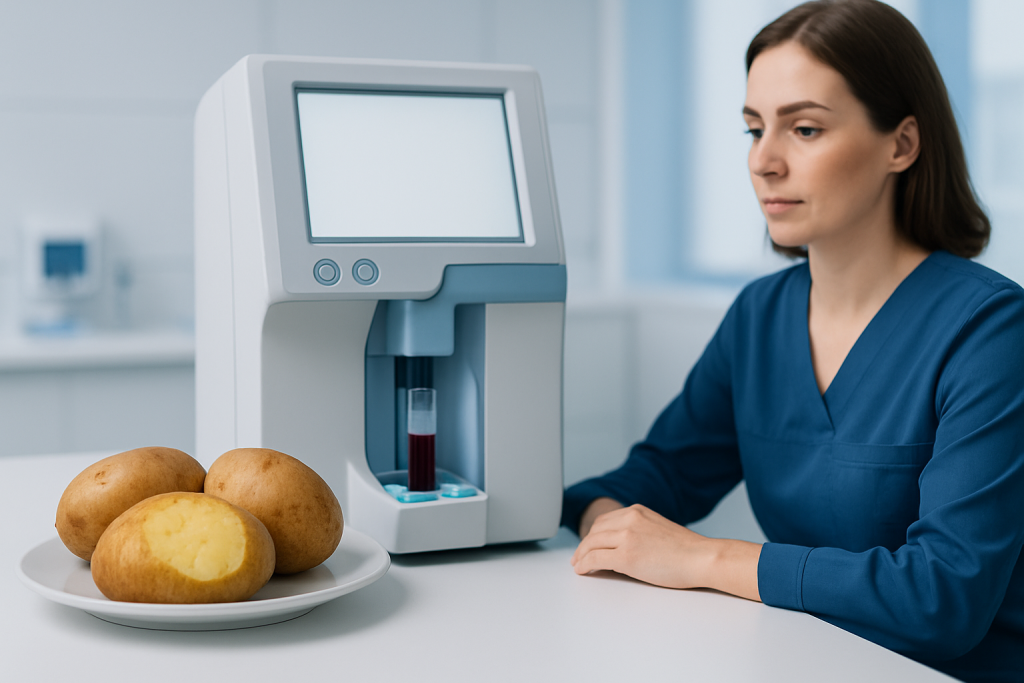
It helps to separate two different ideas: the amount of potassium in food and the potassium level measured in blood. A baked potato may contain around 900 to 1,000 mg of potassium, but doctors diagnose potassium problems using a blood test, not by food content alone.
Most laboratories report a normal blood potassium range of about 3.5 to 5.0 mmol/L, though exact reference intervals can vary slightly by lab. A result below or above that range may need follow-up, especially if symptoms, kidney disease, dehydration, vomiting, diarrhea, or medication effects are also present.
In other words, the headline number comes first: baked potatoes are high in potassium. The next step is context. A high-potassium food is not automatically dangerous, and a normal-potassium food is not automatically safe if a person’s kidneys cannot remove excess potassium efficiently.
- Food potassium: measured in milligrams (mg)
- Blood potassium: measured in millimoles per liter (mmol/L)
- Clinical importance: depends on health conditions, medicines, and lab results
What affects the potassium amount in a baked potato?

Potato size is one of the biggest reasons for variation. A small baked potato contains much less potassium than a large one, so portion size matters. Nutrition databases often list values by weight rather than by simply calling a potato “medium,” because natural foods vary so much.
Preparation also changes the final number. A baked potato eaten with the skin typically contains more potassium than a peeled one. Boiling can lower potassium somewhat because some minerals move into the cooking water, while baking tends to retain more of the potato’s natural potassium.
Variety and growing conditions may also play a role. Different potato types can differ modestly in mineral content, and toppings can add more potassium as well. For example, beans, yogurt, cheese, tomato products, or certain vegetable toppings may increase the total potassium in the meal.
For people who need to limit potassium, a dietitian or doctor may suggest preparation methods that reduce potassium exposure, such as cutting potatoes into small pieces and leaching or boiling them before use. This should be done based on individual medical advice rather than as a general rule for everyone.
Age, sex, and health context: when the number matters differently
Potassium needs can differ by age, sex, body size, and life stage, but food choices are usually judged within the overall diet rather than by one potato alone. Healthy children and adults generally tolerate potassium from whole foods well because the kidneys adjust and remove excess amounts efficiently.
Context becomes more important than age or sex when there is an underlying medical condition. People with chronic kidney disease, untreated adrenal disorders, uncontrolled diabetes, or severe dehydration may not handle potassium normally. The same is true for people taking certain medicines, including some blood pressure drugs, water pills, and medications that affect the renin-angiotensin-aldosterone system.
That is why the same baked potato can be appropriate for one person and something to portion more carefully for another. If a clinician is checking a person for high potassium or concerns about low potassium, they will look at symptoms, kidney function, medication use, and blood test trends rather than a single food item by itself.
When deviation is medically meaningful
Abnormal potassium matters because potassium helps control muscle and heart function. A blood potassium level that is too high or too low can sometimes cause weakness, muscle cramps, palpitations, constipation, or abnormal heart rhythms. However, mild changes may cause no symptoms at all, which is why testing can be important when a doctor suspects a problem.
High potassium, also called hyperkalemia, is more likely when the kidneys are not filtering well or when medications reduce potassium excretion. Low potassium, called hypokalemia, may occur with vomiting, diarrhea, some diuretics, poor intake, or hormone-related disorders. In both situations, treatment is based on the cause and the blood test result, not only on whether someone ate a potato.
Doctors may recommend repeat blood work if a result is unexpected because potassium can sometimes appear falsely high if the blood sample was difficult to collect or cells broke during handling. If potassium remains abnormal, further evaluation may include kidney function tests, medication review, blood pressure assessment, and an electrocardiogram when needed.
When doctors investigate persistent potassium abnormalities, they may also evaluate related conditions and the need for nephrology care or cardiology evaluation depending on the person’s symptoms and overall health.
Diagnosis and nutrition planning
If there is concern about potassium, the first step is usually a blood test rather than estimating intake alone. A clinician may also review kidney function, blood sugar control, acid-base balance, hydration, and medications or supplements. Salt substitutes are especially important to mention because many contain potassium chloride and can raise total intake significantly.
Nutrition planning is often individualized. For a person with normal kidney function, a baked potato can fit well within a balanced eating pattern alongside vegetables, protein, and healthy fats. For someone with kidney disease or repeated high potassium results, a renal dietitian may help identify safer portion sizes, lower-potassium substitutions, and cooking methods that better match their lab results.
Food diaries can be helpful, but they should not replace medical assessment. Potassium is only one part of the picture. Sodium, fluid intake, blood pressure, diabetes control, and overall kidney health often matter just as much.
If more specialized assessment is needed, teams experienced in internal medicine, kidney health, and metabolic disorders can help interpret test results in context. Acibadem International’s multidisciplinary specialists at JCI-accredited hospitals also diagnose and treat potassium-related conditions for international patients when further evaluation is needed.
Practical tips, self-care, and when to seek medical care
For most people, the practical message is simple: baked potatoes are high in potassium, but that alone is not a reason to avoid them. Portion size, toppings, and overall dietary pattern matter more than one label or one number. A person without kidney disease or potassium-related medical advice can usually enjoy baked potatoes as part of a varied diet.
People who have been told to follow a low-potassium diet should ask exactly how much potassium they should aim for each day and whether potato preparation methods can make a difference. They should also review supplements, herbal products, and salt substitutes with their clinician. Self-adjusting medications because of a food concern is not recommended.
Medical care should be sought promptly if there are symptoms such as severe weakness, fainting, chest discomfort, new palpitations, or confusion, especially in someone with kidney disease or a known potassium disorder. Routine medical review is also appropriate if a person has repeated abnormal lab results, uses medications that affect potassium, or has conditions such as dialysis treatment needs or ongoing kidney transplant care.
Frequently asked questions
Are baked potatoes really high in potassium?
Yes. A medium baked potato with skin commonly provides about 900 to 1,000 mg of potassium, which is high compared with many other everyday foods. The exact amount can change with the potato’s size and how it is prepared.
Does the skin change the potassium content?
Usually yes. Eating the skin generally increases total potassium because minerals are present in and near the peel. A peeled potato may still be potassium-rich, but it often contains less than the same potato eaten with the skin.
Can healthy people eat baked potatoes without worrying about potassium?
In most cases, yes. Healthy kidneys usually regulate potassium from foods effectively, so baked potatoes can be part of a balanced diet. Concerns are more relevant for people with kidney disease, certain hormonal conditions, or medicines that affect potassium.
Is a baked potato dangerous if a blood test shows high potassium?
Not necessarily. A high blood potassium result is interpreted in the context of kidney function, medicines, symptoms, and whether the lab value is confirmed on repeat testing. One food alone is rarely the whole explanation, but dietary potassium may still need review.
Does cooking method affect potassium in potatoes?
Yes. Baking tends to retain more of the potato’s natural potassium, while boiling can lower it because some potassium moves into the water. The effect also depends on whether the potato is left whole, peeled, or cut into pieces.
Who should ask a doctor before eating baked potatoes regularly?
People with chronic kidney disease, a history of high potassium, adrenal disorders, or those taking certain blood pressure or diuretic medicines should ask their doctor or dietitian. They may need individualized advice about portion size, frequency, and cooking methods.
References
- National Institutes of Health Office of Dietary Supplements
- U.S. Department of Agriculture
- National Kidney Foundation
- MedlinePlus
- Kidney Disease: Improving Global Outcomes
This article is for general information only and is not a substitute for professional medical advice. Please consult a qualified doctor about your individual situation.
Explore treatments in Turkey — costs, top hospitals & a free quote
JCI-accredited · board-certified surgeons · reply within 24h
Add us as a Preferred Source to see more of our trusted health content across Google Search, AI Overviews and Discover.
Check your numbers in seconds
BMI, calories, due date, blood pressure and 30+ more clinical calculators — free, instant, doctor-reviewed ranges.