

Understanding Dry Hair Treatment: A Complete Patient Guide

Dry hair is often caused by repeated heat, chemical processing, sun exposure, low humidity, or harsh hair products. Effective dry hair treatment starts with gentle washing, regular conditioning, and limiting practices that strip natural oils.
Key Takeaways
- Dry hair is often caused by repeated heat, chemical processing, sun exposure, low humidity, or harsh hair products.
- Effective dry hair treatment starts with gentle washing, regular conditioning, and limiting practices that strip natural oils.
- Hair oils, leave-in conditioners, masks, and protective styling can help reduce breakage and improve softness.
- Persistent dryness, hair shedding, scalp symptoms, or patchy hair loss may point to an underlying scalp or medical condition.
- A dermatologist can help if home care does not improve dry hair or if there are signs of inflammation, infection, or significant hair loss.
Dry hair treatment usually focuses on restoring moisture, reducing damage, and identifying habits or medical issues that may be drying the hair shaft. Many people improve with gentler hair care and targeted products, but persistent dryness may need assessment by a dermatologist.
Overview: What dry hair treatment involves
Dry hair treatment means addressing both the hair itself and the reasons it has become dry. In many cases, treatment includes switching to milder shampoos, using conditioners and leave-in products more consistently, avoiding excessive heat and chemical processing, and protecting hair from sun, wind, and friction. The goal is not simply to make hair feel softer for a day, but to help the hair shaft hold moisture better and prevent further damage.
Hair becomes dry when the outer layer of the hair shaft, called the cuticle, is unable to protect inner moisture effectively. This can happen because natural scalp oils do not reach the full length of the hair, especially in long, curly, coily, or chemically treated hair. Once the cuticle is damaged or lifted, hair may feel rough, look dull, tangle more easily, and break with brushing or styling.
Most dry hair improves with consistent, gentle care over several weeks. However, dryness can sometimes occur alongside scalp inflammation, infection, nutritional concerns, hormonal changes, or conditions such as hair loss. That is why a balanced approach is important: treat the dryness, reduce triggers, and seek medical advice if symptoms persist or worsen.
Signs and symptoms of dry hair
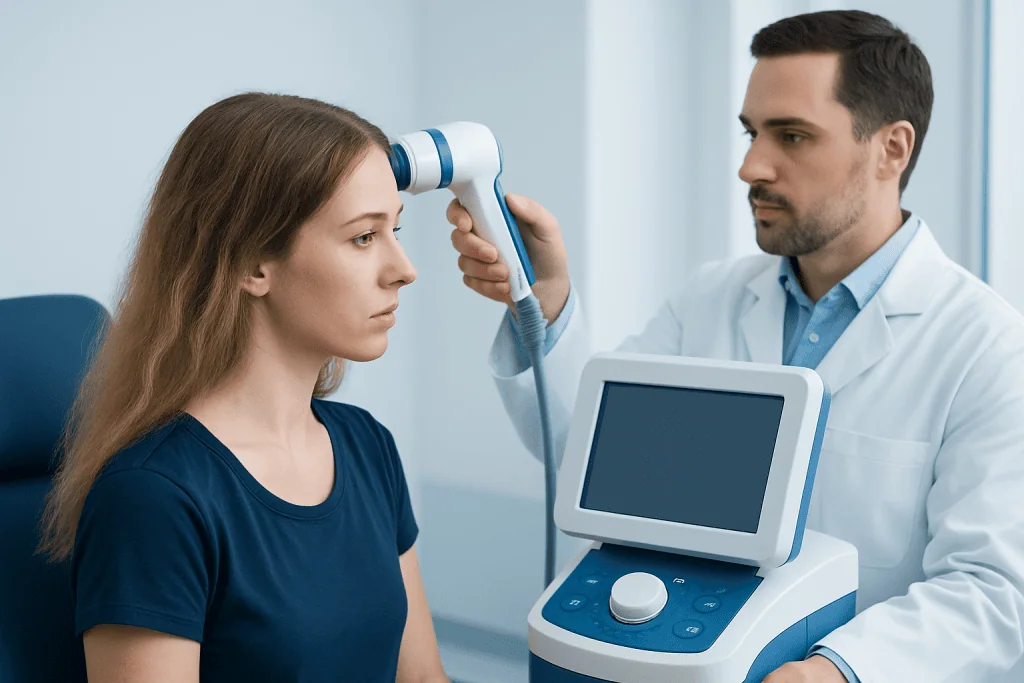
Dry hair does not look or feel the same in every person. Some notice a rough texture and loss of shine, while others are more bothered by tangling, frizz, or split ends. The hair may seem harder to style and may snap during combing, especially when wet. In children and adults alike, dry hair can affect confidence as well as comfort.
Common signs include:
- Dull or matte-looking hair
- Rough, straw-like texture
- Frizz and flyaways
- Tangles and difficult combing
- Split ends and breakage
- Hair that feels brittle or weak
- Hair that appears thinner because of breakage rather than true loss from the root
Dry hair may also occur with scalp symptoms. Itching, flaking, redness, burning, tenderness, or greasy scales suggest that dryness is not the only issue. In some people, scalp disease and hair shaft damage occur together. If there is patchy shedding, significant thinning, or visible scalp irritation, a specialist evaluation becomes more important.
Why hair becomes dry: causes and risk factors

The most common causes of dry hair are environmental exposure and hair care practices that weaken the cuticle. Frequent blow-drying, straightening, curling irons, bleaching, coloring, relaxing, and perming can all reduce the hair’s ability to retain moisture. Harsh shampoos, very hot water, and over-washing may also strip protective oils from the scalp and hair.
Hair type matters as well. Curly and coily hair tends to be drier because scalp oils travel less easily along a curved hair shaft. Longer hair can become dry at the ends because the oldest part of the strand has had the most exposure to friction, washing, sun, and styling. Climate is another factor: dry air, strong sun, wind, and swimming in chlorinated or salt water can worsen dryness.
Sometimes dryness is linked to scalp or medical conditions rather than routine care alone. Examples include eczema, psoriasis, seborrheic dermatitis, thyroid disease, nutritional deficiencies, or age-related changes in oil production. Certain medications may also affect hair texture or scalp condition. When dry hair is severe, sudden, or accompanied by scalp changes, clinicians may also consider related concerns such as alopecia or inflammatory skin disease.
Risk tends to be higher in people who:
- Use heat tools often
- Color, bleach, relax, or perm their hair
- Wash hair very frequently
- Spend long periods in sun, wind, or low-humidity environments
- Have curly, coily, or very long hair
- Already have a scalp condition or significant hair shedding
How dry hair is assessed
Dry hair is often recognized by history and examination. A doctor or dermatologist usually asks about washing frequency, shampoos and styling products, use of heat tools, chemical treatments, swimming habits, diet, medications, and any associated scalp symptoms. The pattern and duration of the problem can help distinguish simple hair weathering from a medical cause.
During the exam, the clinician looks at the scalp, hair shafts, breakage pattern, and density of hair growth. They may check whether hairs are breaking in the middle or shedding from the root. This distinction matters because brittle breakage suggests shaft damage, while root shedding may point to another type of hair or scalp disorder.
Additional tests are not always necessary. If symptoms suggest an underlying condition, the doctor may recommend blood tests or a closer dermatologic evaluation. In selected cases, patients may benefit from a more detailed assessment through a dermatology consultation to identify scalp disease, inflammatory conditions, or other contributors to ongoing dryness and damage.
Dry hair treatment options
The best dry hair treatment plan is usually simple, consistent, and tailored to the person’s hair type. Gentle cleansing is the foundation. Many people do well with a mild shampoo that is used only as often as needed, followed by a conditioner applied mainly to the mid-lengths and ends. For very dry or textured hair, co-washing or less frequent shampooing may be appropriate if the scalp remains comfortable and clean.
Conditioning products help smooth the cuticle and improve flexibility. These may include rinse-out conditioners, deep-conditioning masks, leave-in conditioners, and lightweight oils or creams. Such products can reduce friction, add softness, and make breakage less likely, although they do not permanently repair damaged hair. Severely split or frayed ends often need trimming because once a strand is structurally damaged, it cannot fully regenerate.
Reducing further damage is as important as adding moisture. Helpful changes include lowering heat settings, using heat protectants, avoiding frequent bleaching or relaxing, detangling gently with a wide-tooth comb, and sleeping on lower-friction fabrics or using protective styles. Some patients with pronounced damage may seek specialist support for scalp and hair restoration planning, and in selected settings this may be discussed alongside hair restoration treatment if there is true hair loss in addition to breakage.
When a scalp disorder is present, treatment should address the underlying problem too. That may involve medicated shampoos, anti-inflammatory treatments, or therapy for skin disease under medical supervision. In people whose dryness is worsened by cosmetic procedures, doctors may also advise delaying or spacing out treatments such as PRP treatment until the scalp and hair condition have been properly assessed and stabilized.
Self-care habits that support healthier hair
Daily habits can make a meaningful difference over time. Washing with lukewarm rather than very hot water helps preserve natural oils. Conditioner should generally be focused on the lengths and ends, where dryness is usually greatest. Hair is also more vulnerable when wet, so gentle towel drying, avoiding aggressive rubbing, and careful detangling are useful protective steps.
Product choice matters, but more is not always better. A small number of suitable products used regularly is often more effective than frequent switching. People may benefit from choosing formulations made for dry, damaged, curly, or color-treated hair and avoiding products that leave the hair feeling stripped or squeaky-clean. Fragrance and other additives may irritate sensitive scalps, so scalp comfort should guide product selection.
Other practical measures include protecting hair from sun and chlorinated water, limiting tight hairstyles that create tension, and trimming damaged ends periodically. Nutrition also supports healthy hair growth. A balanced diet with adequate protein, iron, zinc, vitamins, and essential fats can help the body produce stronger hair, although supplements should not be started unnecessarily without medical advice.
These habits may help support recovery:
- Wash only as often as needed for the scalp and hair type
- Use a conditioner after every wash
- Add a weekly deep-conditioning mask if hair is very dry
- Limit high-heat styling and chemical processing
- Use a wide-tooth comb and avoid forceful brushing
- Protect hair from sun, wind, and swimming pool chemicals
When to seek medical care
Dry hair alone is common and often manageable at home, but some patterns should be checked by a healthcare professional. Medical care is sensible if dryness does not improve after several weeks of gentle hair care, if breakage becomes severe, or if there is obvious thinning or increased shedding from the root. A clinician can help determine whether the main issue is cosmetic damage, scalp disease, or another medical cause.
Prompt assessment is especially important when dry hair is accompanied by scalp redness, pain, thick scaling, pustules, intense itching, or patchy areas of hair loss. These signs may suggest infection, inflammatory skin disease, or another condition that needs targeted treatment. It is also reasonable to seek advice if the problem starts suddenly, follows a new medication, or occurs with fatigue, weight change, menstrual changes, or other symptoms that might suggest an internal health issue.
For international patients who need further assessment, Acibadem International’s multidisciplinary specialists and JCI-accredited hospitals diagnose and treat hair and scalp conditions with individualized care plans.
Frequently asked questions
What is the best dry hair treatment at home?
The best home approach usually combines less frequent washing, a gentle shampoo, regular conditioner, and reduced heat styling. Leave-in conditioners, hair masks, and protective habits can also help. Improvement often takes several weeks of consistent care.
Can dry hair be permanently repaired?
Hair that is already damaged cannot fully heal in the same way living tissue does. Products can improve softness, smoothness, and breakage resistance, but split ends and severe shaft damage often need trimming. The main goal is to protect new hair growth and prevent further damage.
How do people know if they have dry hair or a dry scalp?
Dry hair mainly affects the hair strands, leading to roughness, dullness, frizz, and breakage. A dry or irritated scalp is more likely to cause itching, flaking, tightness, or redness. Some people have both, so persistent scalp symptoms should be assessed by a doctor.
How long does dry hair treatment take to work?
Many people notice some improvement in feel and manageability within a few washes, but more visible recovery often takes several weeks. The exact timing depends on how damaged the hair is and whether the triggers have been removed. New healthy growth from the scalp takes longer to appear.
Should oils be used for dry hair treatment?
Oils can be helpful for some hair types because they reduce friction and seal in moisture from conditioners. They are usually most useful on the mid-lengths and ends rather than the scalp, unless a doctor advises otherwise. Heavy oils may not suit every hair type and can build up if overused.
When can dry hair mean something more serious?
Dry hair may need medical evaluation if it comes with patchy hair loss, scalp pain, thick scales, redness, or sudden increased shedding. It can also be worth checking if there are other symptoms such as fatigue, weight changes, or signs of hormonal imbalance. These clues may point to an underlying scalp or health condition.
References
- American Academy of Dermatology
- National Institutes of Health
- Mayo Clinic
- Merck Manual Consumer Version
This article is for general information only and is not a substitute for professional medical advice. Please consult a qualified doctor about your individual situation.
Hair transplant in Turkey — costs, graft counts & a free assessment
JCI-accredited · board-certified surgeons · reply within 24h
Add us as a Preferred Source to see more of our trusted health content across Google Search, AI Overviews and Discover.

More from the Health Library



Related Specialists

Dr. Meltem Yücebaş
Anesthesiology
Dr. Cahide İnci Kurtul
General Surgery
Dr. Volkan Demirdöğen
Anesthesiology
Assoc. Prof. Dr. Emrullah Hayta
Physical Medicine & Rehabilitation