Centrilobular Emphysema: An Evidence-Based Guide for Patients
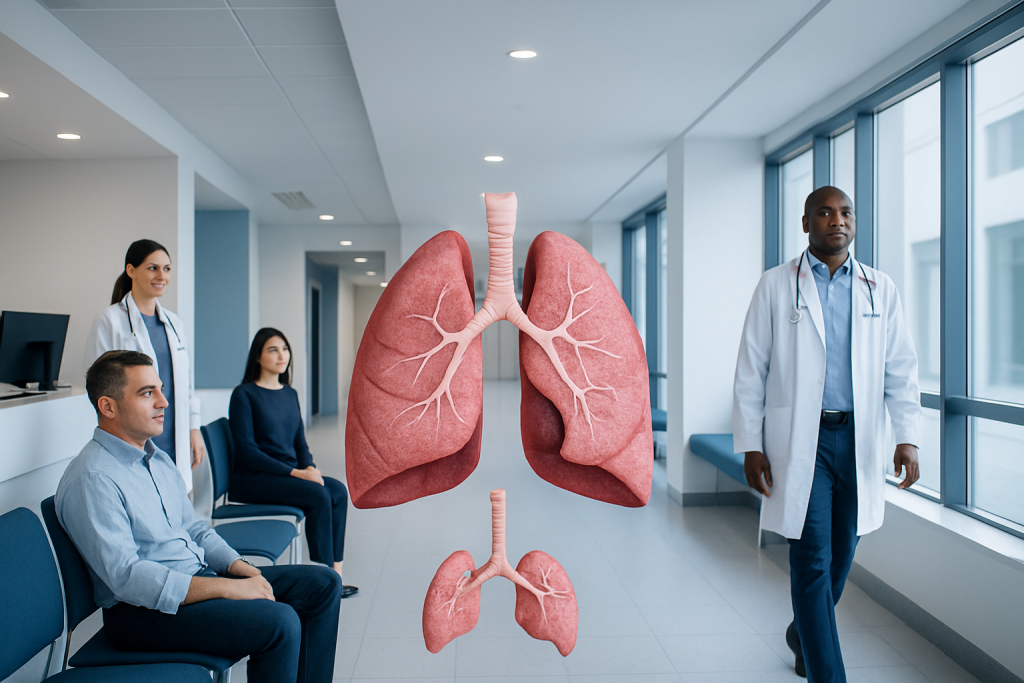
Centrilobular emphysema most often affects the upper lungs and is strongly associated with cigarette smoking. Common symptoms include shortness of breath, chronic cough, wheezing, and reduced exercise tolerance.
Key Takeaways
- Centrilobular emphysema most often affects the upper lungs and is strongly associated with cigarette smoking.
- Common symptoms include shortness of breath, chronic cough, wheezing, and reduced exercise tolerance.
- Diagnosis usually involves a medical history, lung function tests, and imaging such as chest CT.
- Stopping smoking is the most important step to slow further lung damage.
- Treatment may include inhaled medicines, pulmonary rehabilitation, oxygen therapy, and vaccines.
- Prompt medical review is important if breathing suddenly worsens or daily activities become harder.
Centrilobular emphysema is a type of emphysema, usually linked to long-term smoking, that damages the central parts of the lung’s smallest air units and makes breathing less efficient. It is a form of chronic obstructive pulmonary disease (COPD), and while the damage cannot be fully reversed, treatment and lifestyle changes can help control symptoms and slow progression.
Overview: What centrilobular emphysema means
Centrilobular emphysema is a form of emphysema in which damage begins around the central part of the lung lobule, especially near the respiratory bronchioles. Over time, the walls of nearby air sacs become damaged, which reduces the lung’s ability to move oxygen in and carbon dioxide out efficiently. This can lead to breathlessness, limited stamina, and other symptoms that may gradually become more noticeable.
In clinical practice, centrilobular emphysema is considered one of the main patterns of emphysema seen in people with chronic obstructive pulmonary disease. It is most strongly linked to tobacco smoke exposure, although long-term contact with workplace dusts, fumes, and air pollution may also contribute. The condition commonly affects the upper parts of the lungs more than the lower parts.
Patients often find the term unfamiliar because emphysema is more widely recognized than the specific subtype name. The practical meaning is that a doctor has identified a particular pattern of lung damage, usually on a CT scan, and this pattern helps explain symptoms and guide treatment decisions. Understanding the subtype can also reinforce the importance of reducing further lung irritation, especially by stopping smoking.
Symptoms and how they may progress
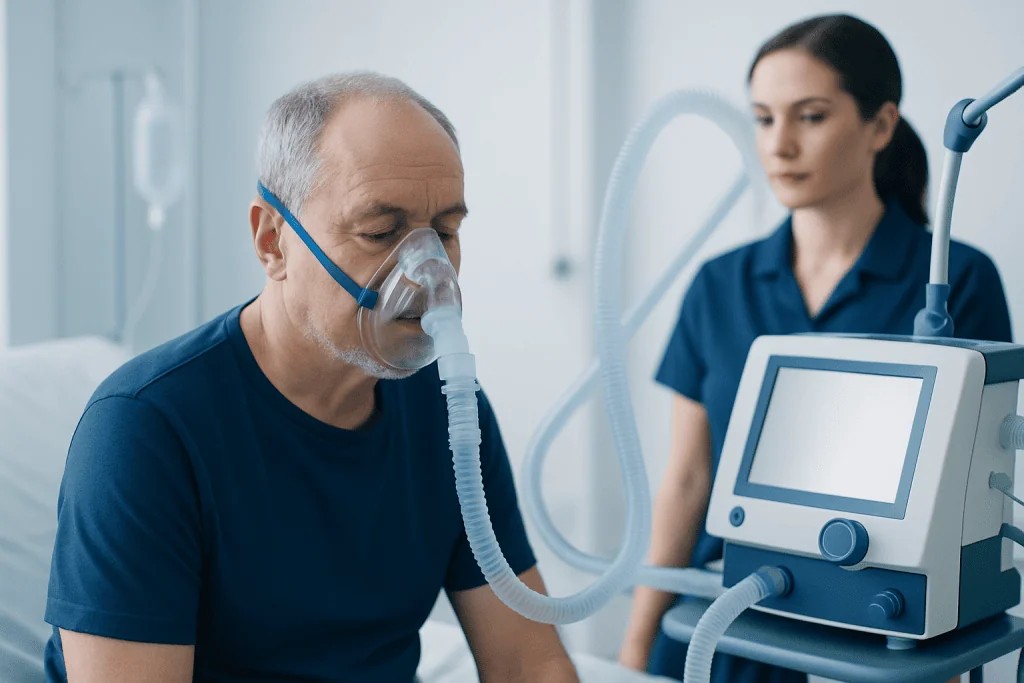
The symptoms of centrilobular emphysema can develop slowly. Many people first notice shortness of breath during exercise, climbing stairs, or walking uphill. A chronic cough, wheezing, chest tightness, or bringing up mucus may also occur, especially if chronic bronchitis is present at the same time.
As the condition progresses, daily tasks may become more tiring. Some people feel they cannot take a full breath, while others notice they need to stop and rest more often. Frequent respiratory infections, prolonged recovery after colds, and increasing fatigue can also be signs that airflow limitation is becoming more significant.
Not everyone experiences symptoms in the same way. The degree of symptoms depends not only on the amount of emphysema but also on whether there is airway inflammation, infection, coexisting asthma, heart disease, or reduced physical conditioning. This is why some people with visible emphysema on imaging have mild symptoms, while others feel more limited.
- Shortness of breath, especially with activity
- Chronic cough, with or without mucus
- Wheezing or a whistling sound when breathing
- Reduced exercise tolerance
- Frequent chest infections
- Fatigue or low energy related to breathing effort
Causes and risk factors

The leading cause of centrilobular emphysema is long-term exposure to cigarette smoke. Smoke irritates and inflames the airways and promotes destruction of the delicate walls between air sacs. This damage reduces the surface area available for gas exchange and can trap air in the lungs, making exhalation harder.
Other forms of inhaled exposure may also play a role. These include secondhand smoke, biomass fuel smoke, industrial fumes, mining dust, chemical vapors, and poor air quality over many years. Risk can be higher when these exposures occur together, such as smoking plus occupational dust exposure.
Age is another factor, because cumulative exposure and natural changes in lung elasticity can make symptoms more noticeable over time. A family history of lung disease, prior severe lung infections, asthma, and poor baseline lung health may increase vulnerability. Although alpha-1 antitrypsin deficiency is more commonly associated with a different emphysema pattern, doctors may still consider inherited causes in selected patients, especially if disease develops at a younger age or without a significant smoking history.
How doctors diagnose centrilobular emphysema
Diagnosis usually starts with a careful discussion of symptoms, smoking history, occupational exposures, and general health. A clinician listens to the lungs, asks how breathing affects daily life, and reviews past respiratory infections or flare-ups. Because symptoms can overlap with asthma, heart conditions, and other lung disorders, the assessment aims to understand the full picture rather than relying on one symptom alone.
Lung function testing is central to the diagnosis of airflow limitation. Spirometry measures how much air a person can exhale and how quickly they can do it, helping confirm COPD and assess severity. Additional pulmonary function tests may evaluate lung volumes and gas transfer, which can provide more detail about how emphysema is affecting the lungs.
Imaging can help identify the emphysema pattern. A chest X-ray may suggest hyperinflation, but a chest CT scan is more sensitive and can show the characteristic distribution of centrilobular emphysema, often in the upper lobes. In some cases, doctors may also order blood tests, oxygen level assessment, or screening for conditions that can mimic or worsen emphysema. When needed, more advanced evaluation may be part of a broader diagnostic imaging workup.
Treatment options and long-term management
Treatment for centrilobular emphysema focuses on relieving symptoms, improving quality of life, reducing flare-ups, and slowing progression. The most important step is smoking cessation. Quitting does not reverse established lung destruction, but it can meaningfully reduce ongoing damage and is the single most effective action for long-term lung health.
Many patients benefit from inhaled medications that open the airways and, in selected cases, reduce inflammation. Doctors may prescribe bronchodilators, inhaled corticosteroids, or combination inhalers depending on symptoms, flare-up history, and associated conditions. Vaccinations, including influenza and pneumococcal vaccines when appropriate, are also an important part of care because respiratory infections can trigger significant worsening.
Non-drug strategies are equally valuable. Pulmonary rehabilitation combines supervised exercise, breathing techniques, education, and energy-conservation strategies to help patients stay active with less discomfort. Some people with low blood oxygen levels may need oxygen therapy, and a smaller group with advanced disease may be assessed for procedures or surgery. If symptoms are severe or the diagnosis is complex, doctors may coordinate care with specialists experienced in COPD treatment.
Follow-up matters because emphysema can change over time. Regular review allows treatment to be adjusted, inhaler technique to be checked, and complications such as weight loss, anxiety related to breathlessness, or repeated infections to be addressed early. The goal is not only better lung numbers on a test, but also improved day-to-day function and confidence.
Prevention and self-care in daily life
Because centrilobular emphysema is commonly related to smoke exposure, prevention is strongly centered on avoiding tobacco. Not starting smoking, quitting if currently smoking, and reducing exposure to secondhand smoke can all help protect lung tissue. People who work around dusts or fumes should use appropriate protective equipment and follow workplace safety guidance.
Daily self-care can make breathing easier and support overall health. Gentle but regular activity helps maintain endurance and muscle strength, which can reduce the sensation of breathlessness during routine tasks. Good nutrition, adequate hydration, and enough sleep also support recovery and resilience.
Patients often benefit from practical breathing strategies, such as pacing activities and using pursed-lip breathing during exertion. It can also help to keep up with recommended vaccines, wash hands regularly, and avoid close contact with people who have respiratory infections. A written action plan from a healthcare professional can help patients recognize early signs of a flare-up and know when to seek help.
- Stop smoking and avoid secondhand smoke
- Stay physically active within personal limits
- Learn inhaler technique and use medications as prescribed
- Receive recommended vaccines
- Reduce exposure to dust, fumes, and polluted air
- Seek early treatment for chest infections or worsening symptoms
When to seek medical care
Medical review is important if symptoms such as breathlessness, wheezing, or cough are persistent, especially in someone with a history of smoking or long-term inhaled exposure. Early assessment can identify emphysema, confirm whether COPD is present, and help begin treatment before symptoms have a greater impact on daily activities. It is also sensible to seek medical advice if exercise tolerance is falling or routine tasks are becoming unusually tiring.
Urgent medical attention is needed for sudden or marked worsening of breathing, chest pain, blue or gray lips, confusion, high fever, or severe difficulty speaking in full sentences because of breathlessness. These symptoms may indicate a flare-up, infection, low oxygen levels, or another serious problem that needs prompt care.
Near the end of the care pathway, some patients may wish to be evaluated at centers with coordinated respiratory services. Acibadem International’s multidisciplinary specialists and JCI-accredited hospitals diagnose and treat lung conditions for international patients, particularly when a comprehensive review of imaging, lung function, and long-term management is needed.
Frequently asked questions
Is centrilobular emphysema the same as COPD?
Centrilobular emphysema is not the same thing as COPD, but it is commonly one part of COPD. COPD is a broader term that includes chronic airflow limitation, often caused by emphysema, chronic bronchitis, or both.
Can centrilobular emphysema be reversed?
The structural lung damage from emphysema is generally not reversible. However, stopping smoking, using treatment correctly, and staying physically active can slow progression and improve symptoms and daily function.
What is the most common cause of centrilobular emphysema?
The most common cause is long-term cigarette smoking. Other inhaled irritants, such as occupational dusts, chemical fumes, biomass smoke, and air pollution, may also contribute.
How is centrilobular emphysema found on tests?
Doctors usually diagnose it using a combination of symptoms, smoking or exposure history, lung function tests, and imaging. A CT scan is especially useful because it can show the characteristic pattern of emphysema in the lungs.
Does everyone with centrilobular emphysema need oxygen therapy?
No, oxygen therapy is not needed for everyone. It is usually recommended only for people whose blood oxygen levels are persistently low, based on medical assessment and testing.
When should someone with emphysema call a doctor?
A doctor should be contacted if breathing is getting worse, cough or mucus changes noticeably, or routine activities become harder than usual. Emergency care is needed for severe shortness of breath, chest pain, bluish lips, confusion, or signs of a serious infection.
References
- Global Initiative for Chronic Obstructive Lung Disease
- American Lung Association
- National Heart, Lung, and Blood Institute
- American Thoracic Society
- European Respiratory Society
This article is for general information only and is not a substitute for professional medical advice. Please consult a qualified doctor about your individual situation.
Emphysema in Turkey — costs, top hospitals & a free quote
JCI-accredited · board-certified surgeons · reply within 24h
Add us as a Preferred Source to see more of our trusted health content across Google Search, AI Overviews and Discover.

More from the Health Library

Insect Bite in the Eyelid: An Evidence-Based Guide for Patients

Lozenge: Symptoms, Causes, and Treatment — Complete Patient Guide

Lower Respiratory Tract Illnesses: An Evidence-Based Guide for Patients

Shea Butter — Explained by Medical Evidence, Not Myths

Bishops Scale: A Complete Medical Overview