Bishops Scale: A Complete Medical Overview

The bishops scale evaluates cervical readiness for labor using a bedside exam. It looks at cervical dilation, effacement, consistency, position, and the baby's station.
Key Takeaways
- The bishops scale evaluates cervical readiness for labor using a bedside exam.
- It looks at cervical dilation, effacement, consistency, position, and the baby's station.
- A higher Bishop score usually means induction is more likely to succeed.
- A lower score does not predict failure, but it may mean cervical ripening is recommended first.
- The score is only one part of decision-making and is interpreted alongside maternal and fetal health.
- Questions about induction or an unexpected score should be discussed with an obstetric clinician.
The bishops scale, also called the Bishop score, is a clinical tool used late in pregnancy to assess how ready the cervix is for labor. It helps obstetric teams decide whether labor induction is likely to work well and whether cervical ripening may be needed first.
Overview: what the bishops scale means
The bishops scale is a scoring system used in obstetrics to estimate how favorable the cervix is for labor, especially before induction. It is more commonly called the Bishop score. During a vaginal examination, a clinician assesses several features of the cervix and the baby’s position, then combines them into a number that helps guide labor planning.
In simple terms, the score reflects cervical “readiness.” A cervix that is softer, thinner, more open, and positioned in a way that suggests the body is preparing for birth is considered more favorable. In many cases, a higher score suggests that inducing labor is more likely to lead to vaginal delivery without a long delay.
The bishops scale does not decide care on its own. It is one tool among many used to support decisions in late pregnancy. A person’s medical history, gestational age, the reason for induction, fetal well-being, and factors such as prior births all matter too.
How the Bishop score is calculated
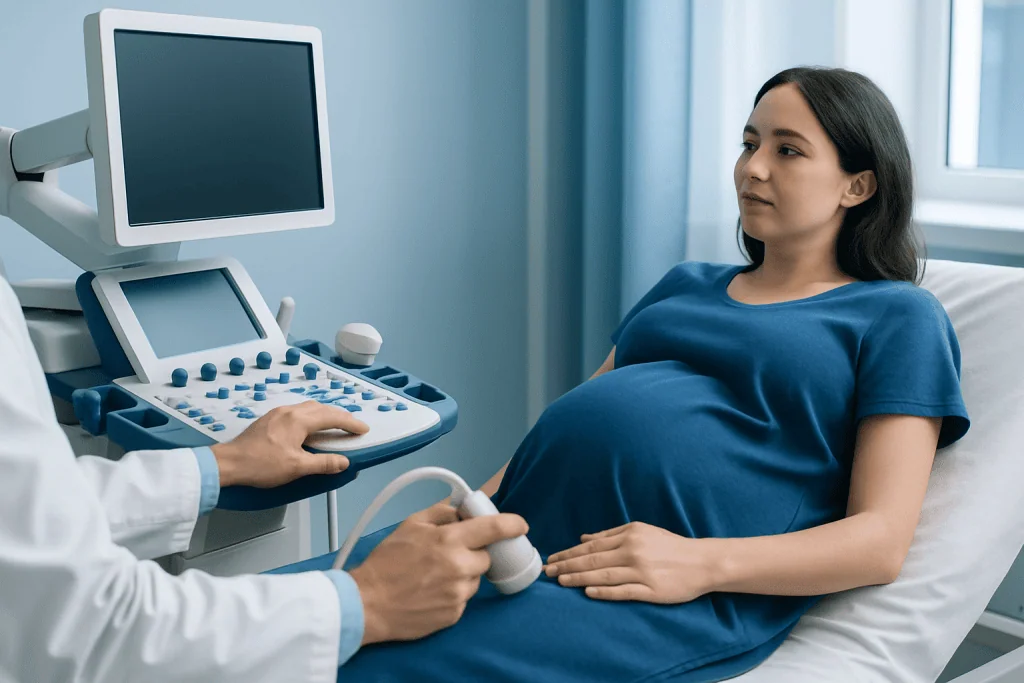
The score is based on five findings from a cervical exam. These are cervical dilation, cervical effacement, cervical consistency, cervical position, and fetal station. Each component is given a small number of points, and the points are added together to create the total score.
The five parts generally mean the following:
- Dilation: how open the cervix is
- Effacement: how thin or shortened the cervix has become
- Consistency: whether the cervix feels firm, medium, or soft
- Position: whether the cervix is posterior, mid-position, or anterior
- Fetal station: how low the baby’s presenting part sits in the pelvis relative to the ischial spines
Although exact cutoffs can vary slightly by clinical setting, a higher total score generally means the cervix is more favorable for induction. Many clinicians consider a score around 8 or more to suggest that induction is more likely to be successful, while lower scores often indicate an “unripe” cervix that may benefit from cervical ripening first.
The exam is usually brief and performed during prenatal assessment or at the hospital when labor induction is being considered. While it can be uncomfortable, it should be explained clearly, and patients can ask why it is being done and what the findings mean for their care plan.
Why clinicians use the bishops scale in labor planning

The main purpose of the bishops scale is to help predict how likely labor induction is to succeed. If the cervix already shows signs of natural preparation for labor, induction methods such as breaking the water or starting oxytocin may work more effectively. If the cervix is not yet favorable, the care team may first recommend medications or mechanical methods to soften and open it.
This makes the score especially useful when induction is being considered for medical reasons, such as high blood pressure in pregnancy, overdue pregnancy, rupture of membranes, or certain maternal or fetal concerns. It can also help frame a discussion about what to expect, including the possibility that induction may take time.
The score is also helpful because it provides a shared clinical language. Instead of describing the cervix in general terms only, the team can communicate a structured assessment. This can support more consistent decisions, although it still needs to be interpreted in context rather than used as a strict rule.
In some situations, doctors may also discuss related pregnancy conditions that affect delivery planning, such as preeclampsia or gestational diabetes. In those cases, the Bishop score helps guide timing and method of birth, but the overall pregnancy picture remains the priority.
What the score can and cannot tell you
The bishops scale is useful, but it has limits. It can estimate cervical readiness and help predict the response to induction, but it cannot guarantee how labor will unfold. Some people with a lower score still have a successful vaginal delivery, while some with a favorable score may still need a cesarean birth for reasons that arise during labor.
The score also depends on a physical exam, so there can be some variation between examiners. Differences in technique, patient comfort, and the stage of pregnancy can affect the findings. For that reason, the score should be viewed as a guide rather than a fixed prediction.
It is also important to know that the score does not measure everything involved in birth. It does not fully account for contraction strength, fetal size and position, pelvic anatomy, scar tissue, or how the mother and baby respond over time. Modern obstetric care combines the Bishop score with fetal monitoring, ultrasound when needed, and a broader assessment of risks and goals.
Patients sometimes worry if they are told they have a “low” score. Reassurance is important here: a low score usually means the cervix is not yet ready, not that something is wrong. It often simply changes the order of treatment steps and may lead to a discussion about labor and delivery care that includes cervical ripening before induction.
How a low or high Bishop score may affect treatment
If the Bishop score is high, clinicians may feel more confident that induction can proceed directly. Depending on the situation, this may involve medication to stimulate contractions, artificial rupture of membranes, or both. A favorable cervix generally means the body is already moving toward labor.
If the score is low, cervical ripening is often considered first. This can be done with prostaglandin medications or with mechanical methods such as a balloon catheter. These approaches aim to soften, shorten, and open the cervix so that induction is more likely to work and labor can progress more smoothly.
The best approach depends on the reason induction is needed, prior cesarean history, membrane status, fetal condition, and maternal health. For example, someone with certain uterine scars may be offered different options from someone who has not had previous uterine surgery. This is why treatment decisions should always be individualized.
When more advanced support is needed, the care plan may include high-risk pregnancy care or coordination with specialists in obstetrics and gynecology. Near the end of care planning, some international patients may also choose centers such as Acibadem International, where multidisciplinary specialists in JCI-accredited hospitals diagnose and treat pregnancy-related conditions.
Patient experience: questions to ask and how to prepare
For many pregnant patients, hearing about the bishops scale raises practical questions. Asking what the score is, why induction is being considered, and whether cervical ripening is recommended can make the process easier to understand. It is also reasonable to ask what alternatives exist if induction is not urgent.
Before a cervical exam, patients may want to know what the exam involves and whether any discomfort is expected. Emptying the bladder, practicing slow breathing, and asking the clinician to explain each step can help. If there is pain, anxiety, bleeding, or a history of trauma, mentioning this beforehand allows the team to proceed more gently and thoughtfully.
Preparing for induction is not only about the score. It can help to discuss expected timing, pain relief options, fetal monitoring, eating and drinking policies, and whether a support person can stay present. Understanding that induction sometimes takes many hours, especially when the cervix is not yet favorable, can reduce frustration and uncertainty.
It is also useful to remember that the score may change over time. A cervix that is unfavorable today can become more favorable later, either naturally or after ripening treatment. This dynamic nature is one reason labor planning often involves reassessment rather than a single one-time decision.
When to seek medical care
Questions about the bishops scale should be directed to a qualified obstetric clinician, especially if induction has been recommended. Prompt medical advice is important if there is reduced fetal movement, vaginal bleeding, fluid leakage, severe headache, vision changes, chest pain, fever, regular painful contractions before term, or signs that labor may be starting unexpectedly.
Anyone with a high-risk pregnancy should follow their clinician’s instructions closely regarding monitoring and timing of hospital evaluation. New or worsening symptoms should not be explained by the Bishop score alone, because the score only reflects cervical findings and does not assess all causes of pregnancy complications.
Emergency care is needed if there is heavy bleeding, severe abdominal pain, seizures, difficulty breathing, or concern that the baby is in distress. For less urgent concerns, contacting the prenatal care team is the safest next step.
Frequently asked questions
What is the bishops scale used for?
The bishops scale is used to assess how ready the cervix is for labor, especially before induction. It helps clinicians estimate whether induction is likely to work well right away or whether cervical ripening may be needed first.
Is a high Bishop score a sign that labor will definitely be easy?
No. A higher score suggests the cervix is more favorable, but it does not guarantee an easy or fast labor. Labor progress also depends on contractions, the baby’s position, maternal health, and how both mother and baby respond during birth.
What does a low Bishop score mean?
A low score usually means the cervix is still relatively closed, firm, or not yet thinned out. This does not mean there is a problem; it often means the care team may recommend ripening methods before starting full induction.
Is the Bishop score only used when labor is induced?
It is most often used before induction, but it can also help describe cervical status more generally late in pregnancy. In everyday practice, its main role is to support decisions about induction planning.
Can the Bishop score change quickly?
Yes. The cervix can change naturally over time, especially near the end of pregnancy. It can also change after cervical ripening treatments, which is why repeat assessment is common.
Is the exam for the bishops scale painful?
The vaginal exam may feel uncomfortable or cause pressure, but it is usually brief. Patients can ask the clinician to explain the process, go slowly, and stop if discomfort becomes difficult to tolerate.
References
- American College of Obstetricians and Gynecologists
- World Health Organization
- National Institute for Health and Care Excellence
- Society for Maternal-Fetal Medicine
This article is for general information only and is not a substitute for professional medical advice. Please consult a qualified doctor about your individual situation.
Explore treatments in Turkey — costs, top hospitals & a free quote
JCI-accredited · board-certified surgeons · reply within 24h
Add us as a Preferred Source to see more of our trusted health content across Google Search, AI Overviews and Discover.
Check your numbers in seconds
BMI, calories, due date, blood pressure and 30+ more clinical calculators — free, instant, doctor-reviewed ranges.