Best Exercises for Bone Health — Explained by Medical Evidence, Not Myths

Bones respond to regular loading, so exercise can help maintain or improve bone strength over time. Weight-bearing and resistance exercises have the strongest evidence for supporting bone health.
Key Takeaways
- Bones respond to regular loading, so exercise can help maintain or improve bone strength over time.
- Weight-bearing and resistance exercises have the strongest evidence for supporting bone health.
- Balance, posture, and mobility training help reduce falls, which is especially important for older adults.
- Exercise should be matched to fracture risk; high-impact movements are not right for everyone.
- Nutrition, vitamin D status, medications, and medical conditions also affect bone health.
The best exercises for bone health are those that place safe, regular load on the skeleton: weight-bearing aerobic activity, resistance training, and balance work. The right mix depends on age, current bone density, overall fitness, and whether a person already has osteoporosis or fractures.
Overview: Which exercises help bones most?
The best exercises for bone health are not a single workout or trend. Medical evidence supports a combination of weight-bearing activity, resistance training, and balance exercises because bones become stronger when they are regularly challenged by muscle pull and ground reaction forces.
In practical terms, this usually means activities such as brisk walking, stair climbing, dancing, jogging for some people, and strength training with weights, resistance bands, or body weight. Balance and posture exercises do not build bone as directly, but they play an important role by lowering the risk of falls and fractures.
The most effective plan is individualized. A younger adult trying to build peak bone mass may tolerate higher-impact exercise, while an older adult with osteoporosis or a past fracture may need a lower-impact, supervised program focused on strength, posture, and safe movement patterns.
How exercise supports bone strength
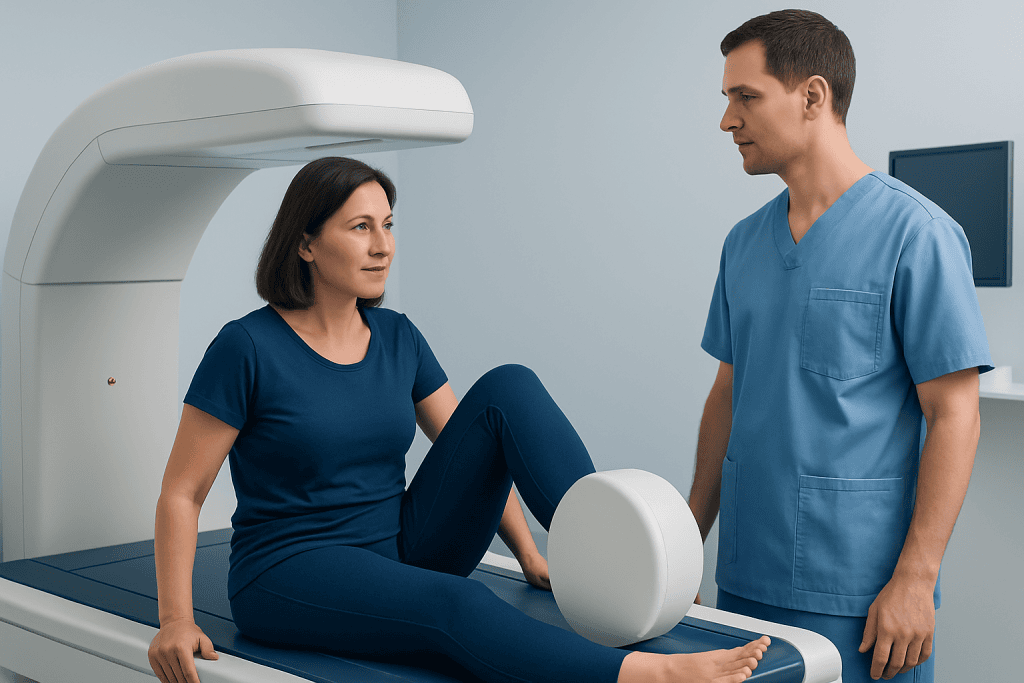
Bone is living tissue that constantly remodels itself. When a person performs activities that load the skeleton, specialized bone cells respond by maintaining or adding bone in the stressed areas. This process is why exercise is considered a key part of lifelong bone health.
Not all movement affects bone in the same way. Activities such as swimming and cycling are excellent for heart and muscle health, but because they provide less weight-bearing load, they are generally less effective for increasing bone density than walking, impact exercise, or resistance training.
Muscles matter too. Stronger muscles pull on bones during movement, and that mechanical tension helps stimulate bone adaptation. This is one reason resistance exercise is consistently recommended in prevention and management plans for low bone density.
Exercise also helps indirectly. Better coordination, balance, joint stability, and reaction time can reduce falls, which is a major goal in adults at risk for fragility fractures.
The exercise types with the best evidence
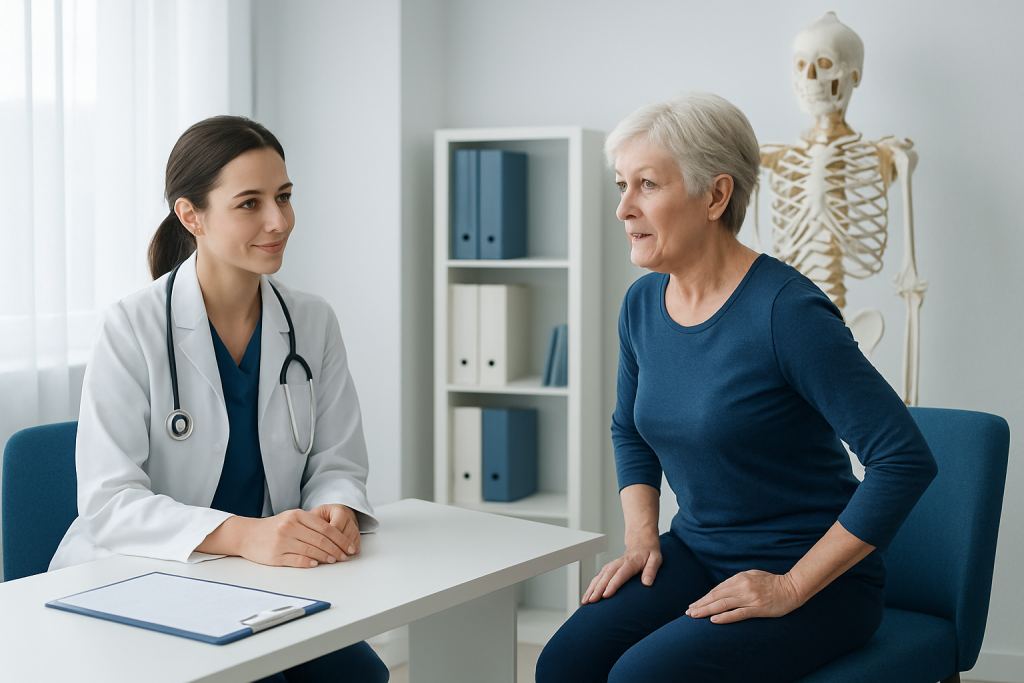
Research most strongly supports three categories of exercise for bone health: weight-bearing aerobic activity, resistance training, and balance or functional training. The ideal program usually combines all three rather than relying on one type alone.
- Weight-bearing exercise: These are activities done on the feet so the bones carry body weight. Examples include brisk walking, hiking, stair climbing, dancing, tennis, and for some people, jogging or low-volume jumping.
- Resistance training: This includes free weights, machines, resistance bands, or body-weight exercises such as squats, step-ups, wall push-ups, and modified lunges. Progressive overload, done safely, is important for benefit.
- Balance and functional exercise: Tai chi, single-leg standing, heel-to-toe walking, and supervised coordination drills can help lower fall risk, especially in older adults.
Higher-impact exercise may produce stronger bone-loading signals than low-impact activity, but it is not automatically better for every person. Someone with vertebral fractures, severe osteoporosis, significant joint pain, or poor balance may need a modified plan that avoids sudden or forceful loading.
For many adults, a realistic evidence-based routine includes weight-bearing aerobic exercise on most days and strengthening exercise two or more times per week. If symptoms, low bone density, or past fractures are present, medical assessment can help guide safer exercise choices.
Best exercise choices by age and bone-risk level
Children, teenagers, and younger adults benefit from activities that help build peak bone mass. Running, field sports, jumping, and strength training with proper technique can all support healthy bone development. The focus is on variety, skill, and regular participation rather than extreme training.
Midlife adults often aim to maintain bone density as hormonal changes, sedentary work, and muscle loss become more relevant. Brisk walking, stair climbing, resistance training, and regular impact activity if tolerated can be helpful. Postmenopausal women and older men may particularly benefit from a structured bone-strengthening program.
Older adults or people with diagnosed low bone mass may need more caution. Lower-impact weight-bearing exercise, supervised strengthening, posture training, and fall-prevention work are often appropriate. In some cases, formal evaluation and bone density testing can clarify risk and help shape an individualized program.
People recovering from fractures, living with chronic pain, or managing spinal changes may need expert guidance from orthopedics, rehabilitation, or physical therapy. This can be especially important if there is concern for spinal alignment problems or previous compression fractures that change exercise safety.
Common myths about bone health exercise
One common myth is that walking alone is enough for everyone. Walking is beneficial, especially for general health and mobility, but by itself it may not provide enough stimulus to preserve or improve bone density in higher-risk adults. Adding resistance training and, when appropriate, impact or stair-based exercise often gives a more complete bone-health program.
Another myth is that any exercise is equally good for bones. Non-weight-bearing activities such as cycling and swimming are valuable forms of exercise, yet they do not usually load the skeleton in the same way as weight-bearing or strength work. They can still be part of a healthy routine, but they should not be the only strategy if bone density is the main concern.
Some people also assume that exercise is unsafe after an osteoporosis diagnosis. In reality, appropriately prescribed exercise is often encouraged, but the type, intensity, and technique matter. People at higher fracture risk may need to avoid certain twisting, bending, or high-impact movements until they are assessed.
Finally, exercise cannot fully replace medical care when bone loss is significant. Bone health also depends on nutrition, hormones, medications, smoking status, alcohol intake, and underlying disease. Some people may need broader evaluation or treatment, including specialist assessment for conditions such as bone loss and osteoporosis.
How to exercise safely for stronger bones
Safety starts with matching exercise to current health status. A person with healthy bones and no major mobility limitations can often begin a gradual program of walking, resistance exercise, and simple impact progressions. Someone with known osteoporosis, recent fracture, severe back pain, or poor balance should speak with a clinician before starting a more demanding plan.
Technique matters. Good posture, controlled movement, and appropriate load are more important than doing advanced exercises. Resistance can be increased gradually over time, while pain, dizziness, or loss of form are signs to stop and reassess.
Some movements may need modification in people with spinal osteoporosis or prior vertebral fractures. Deep forward bending, forceful twisting of the spine, and sudden high-impact moves may increase injury risk in certain individuals. In these situations, supervised programs through physical therapy and rehabilitation can be helpful.
Supportive habits strengthen the benefits of exercise. Adequate protein, calcium intake from diet or supplements if advised, appropriate vitamin D status, sleep, and avoiding smoking all contribute to better bone health. If a person has persistent pain, reduced height, or suspected fracture, orthopedic assessment may be needed.
A practical weekly plan and how to stay consistent
An evidence-based week for many adults may include brisk walking or another weight-bearing aerobic activity most days, plus two or three sessions of resistance training. Balance work can be added for a few minutes on several days each week, especially in older adults. The goal is regular, progressive loading rather than occasional very intense exercise.
A simple routine might include stair climbing or brisk walking, lower-body strengthening such as sit-to-stand and step-ups, upper-body resistance work, and balance drills like tandem standing. Some people can progress to light jumping, jogging, or racquet sports, but this should depend on joint health, fracture risk, and fitness level.
Consistency improves when exercise is specific, enjoyable, and easy to repeat. Scheduling sessions, tracking progress, and combining bone-focused exercise with daily habits such as walking for errands or taking the stairs can help. If pain, fear of falling, or uncertainty is limiting activity, professional guidance often improves confidence and safety.
Near the end of a care journey, some people benefit from coordinated support across specialties. Acibadem International’s multidisciplinary specialists and JCI-accredited hospitals diagnose and treat bone and mobility conditions for international patients when further evaluation is needed.
When to seek medical care
Medical advice is important if a person has had a fracture from a minor fall, sudden back pain, noticeable loss of height, long-term steroid use, early menopause, an eating disorder, or a strong family history of osteoporosis. These factors can raise fracture risk and may change which exercises are safest.
A person should also seek medical care if exercise causes persistent pain, swelling, dizziness, chest symptoms, or repeated near-falls. New pain in the hip, groin, or spine should not be ignored, especially in older adults.
Doctors may recommend a clinical evaluation, lab tests, imaging, or bone density assessment depending on symptoms and risk factors. This can help rule out fractures, identify low bone density, and build a safer long-term plan for movement, nutrition, and treatment if needed.
Frequently asked questions
What are the best exercises for bone health overall?
The best exercises for bone health are usually weight-bearing activities, resistance training, and balance work combined in one routine. This mix supports bone strength directly while also helping reduce falls and fractures.
Is walking enough to improve bone density?
Walking is a good starting point and supports general health, but it may not be enough on its own for everyone, especially people at higher risk of bone loss. Adding strength training and other forms of safe bone-loading exercise usually provides greater benefit.
Can people with osteoporosis still exercise?
Yes, many people with osteoporosis can and should stay active, but the program should be tailored to fracture risk and physical ability. A doctor or physical therapist can help identify safe exercises and movements to avoid.
Are swimming and cycling good for bones?
Swimming and cycling are excellent for cardiovascular fitness, stamina, and joint-friendly movement. However, because they are not strongly weight-bearing, they usually offer less direct benefit for bone density than walking, impact exercise, or resistance training.
How often should someone exercise for bone health?
Many adults benefit from weight-bearing activity on most days and resistance training two or more times per week. The exact frequency and intensity should match age, fitness, medical history, and fracture risk.
Which exercises may be unsafe for people with fragile bones?
Some people with osteoporosis, especially spinal osteoporosis or past vertebral fractures, may need to avoid deep forward bending, forceful twisting, or high-impact exercise. Individual advice is important because safety depends on bone strength, balance, pain, and past injuries.
References
- National Institutes of Health
- National Institute of Arthritis and Musculoskeletal and Skin Diseases
- International Osteoporosis Foundation
- National Osteoporosis Foundation
- World Health Organization
This article is for general information only and is not a substitute for professional medical advice. Please consult a qualified doctor about your individual situation.
Bone Health in Turkey — costs, top hospitals & a free quote
JCI-accredited · board-certified surgeons · reply within 24h
Add us as a Preferred Source to see more of our trusted health content across Google Search, AI Overviews and Discover.

Check-up & Preventive Medicine
Comprehensive health screenings designed for early detection and prevention.
1 specialists in this unitMore from the Health Library

Watercress Benefits — Explained by Medical Evidence, Not Myths

Sensitive Skin: An Evidence-Based Guide for Patients

Teeth: A Complete Medical Overview
Sleeping Heart Rate: A Complete Medical Overview

Diastema: What Patients Need to Know
Vesicostomy: A Complete Medical Overview
Physical Medicine & Rehabilitation Specialists at Acibadem

Büşra Zeybek
Physical Medicine & Rehabilitation
Fzt. Çağlar Dal
Physical Medicine & Rehabilitation
Assoc. Prof. Dr. Çağrı Örs
Orthopedic Surgery & Traumatology
Fzt. Canberk Altan
Physical Medicine & Rehabilitation