

COVID Guidelines 2025: What Patients Need to Know

COVID guidance in 2025 is centered on symptom-based decisions, protecting vulnerable people, and reducing spread in daily life. Testing is most useful when symptoms begin, after a meaningful exposure, or before visiting someone at high risk.
Key Takeaways
- COVID guidance in 2025 is centered on symptom-based decisions, protecting vulnerable people, and reducing spread in daily life.
- Testing is most useful when symptoms begin, after a meaningful exposure, or before visiting someone at high risk.
- People at higher risk of severe illness may benefit from early medical assessment and antiviral treatment.
- Masks, ventilation, hand hygiene, and staying home when unwell still help lower transmission.
- Emergency warning signs such as trouble breathing, chest pain, confusion, or low oxygen need urgent care.
COVID guidelines 2025 emphasize practical steps: stay home when ill, test when symptoms or exposure make it useful, protect higher-risk people, and seek medical care for warning signs. For most patients, the right plan depends on symptoms, personal risk factors, vaccination status, and whether early treatment could help.
Overview: What COVID Guidelines 2025 Mean for Patients
COVID guidelines 2025 generally advise patients to take a practical, risk-based approach rather than treating every situation the same way. In simple terms, a person who develops symptoms should limit contact with others, consider testing, and pay attention to whether they or the people around them are at higher risk of serious illness. The goal is to reduce spread while also making sure those who may benefit from early treatment are identified quickly.
Current guidance also reflects that COVID-19 now behaves differently across individuals. Some people have mild cold-like symptoms and recover with rest and fluids, while others may be more vulnerable because of age, pregnancy, weakened immunity, chronic lung or heart disease, diabetes, cancer treatment, or other medical conditions. Because of this, decision-making often depends on personal risk, not just the test result alone.
For patients, the most useful questions are practical ones: Is this likely to be COVID or another respiratory infection? Is testing needed today? Should the person stay home from work, school, or travel? Could early treatment help? And are there any warning signs that mean a doctor should be contacted right away? Thinking through these questions can make the guidance easier to follow.
Symptoms and How Illness Can Present

COVID-19 can still cause a wide range of symptoms. Common ones include fever, sore throat, cough, runny nose, fatigue, headache, body aches, and nasal congestion. Some patients also have shortness of breath, nausea, vomiting, or diarrhea. Loss of taste or smell can occur, although it is less distinctive than it was earlier in the pandemic.
Symptoms may overlap with influenza, RSV, common colds, allergies, or other infections. That is one reason why testing can still be useful, especially if a patient is in contact with older adults, newborns, people with chronic illness, or anyone with a weak immune system. A mild start does not always predict the full course, so it is reasonable to monitor symptoms for several days.
Many people improve with home care, but some develop more serious lower respiratory symptoms such as increasing breathlessness, persistent high fever, or signs of dehydration. In some cases, COVID may also worsen existing conditions such as asthma, chronic obstructive pulmonary disease, or heart disease. Patients who have ongoing symptoms after the initial infection may need evaluation for long COVID if problems such as fatigue, shortness of breath, or concentration difficulties continue.
Testing, Exposure, and Everyday Decision-Making
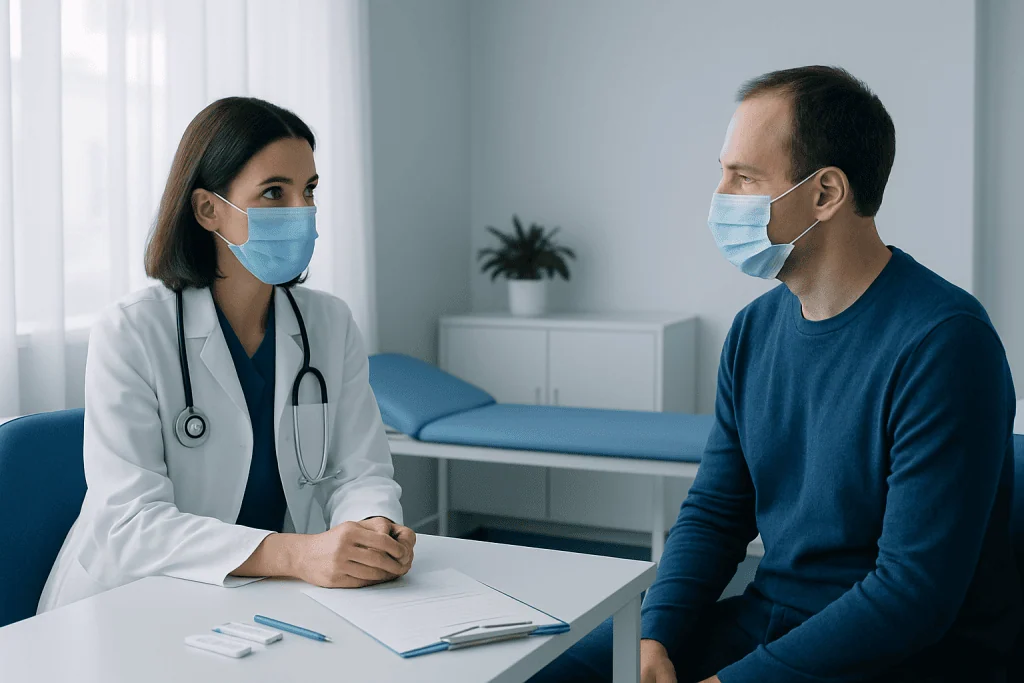
Under COVID guidelines 2025, testing is usually most valuable when symptoms begin, after a meaningful exposure, or before spending time with someone who is medically vulnerable. A test can help guide decisions about work, school, visitors, caregiving, and treatment timing. If an early test is negative but symptoms strongly suggest COVID, repeating the test after a short interval may be appropriate, especially when exposure is known.
A person with respiratory symptoms should generally try to avoid close contact with others while feeling unwell, particularly during the first few days when spread is often highest. Returning to normal activities is usually safer once fever has resolved without fever-reducing medication, symptoms are improving, and the person feels well enough for daily tasks. Extra precautions such as wearing a well-fitting mask for several more days can add protection for others.
Patients do not always need laboratory testing, but certain situations make it more important. These include living with someone at high risk, planning to visit a healthcare setting, considering antiviral treatment, or needing confirmation for work or travel policies. If symptoms are severe, testing should not delay medical attention.
- Test early if symptoms begin and treatment might be time-sensitive.
- Repeat testing if the first result is negative but suspicion remains high.
- Use added caution before contact with older adults or immunocompromised people.
- Stay home when sick, even if the exact virus is not yet confirmed.
Who Is at Higher Risk of Severe COVID
Although many infections are mild, some groups remain more likely to develop complications. Higher-risk patients may include older adults, pregnant people, individuals with obesity, diabetes, chronic kidney disease, chronic lung disease, cardiovascular disease, cancer, organ transplants, or conditions that weaken the immune system. Risk can also rise when a person has several health conditions at the same time.
For these patients, guidance in 2025 usually emphasizes early assessment rather than waiting for symptoms to become more intense. A clinician may review when symptoms started, vaccination history, current medications, oxygen levels if available, and whether antiviral therapy could be appropriate. Patients with relevant medical histories may also need monitoring if symptoms seem mild at first.
It is also important to remember that higher risk is not limited to age alone. A younger adult with significant chronic illness may need earlier support than a healthy older child or teenager with mild symptoms. Families caring for vulnerable relatives may also want to reduce household spread through masking, ventilation, hand hygiene, and separate sleeping or eating arrangements where possible.
Treatment Options and Supportive Care
Most people with uncomplicated COVID-19 recover with supportive care. This usually includes rest, fluids, regular meals if tolerated, and over-the-counter symptom relief chosen according to a doctor’s advice or product instructions. Monitoring for worsening fever, breathing difficulty, chest discomfort, dizziness, confusion, or reduced urination can help identify when home care is no longer enough.
Some patients, especially those at higher risk of severe disease, may be eligible for early antiviral treatment if they are evaluated within the recommended time window after symptoms begin. These medicines are not right for everyone, and clinicians may need to review kidney or liver function, other medications, and possible interactions. Patients should not start or stop prescription medicine without medical guidance.
If oxygen levels fall or breathing becomes difficult, hospital assessment may be needed. In more serious cases, care may include oxygen therapy, intravenous fluids, monitoring, and treatment for complications such as pneumonia or worsening of underlying disease. Depending on symptoms and test results, a doctor may also evaluate for related respiratory conditions such as pneumonia. In selected cases, additional support may involve oxygen therapy or advanced respiratory care such as intensive care.
Prevention and Self-Care in 2025
Prevention in 2025 is less about one single rule and more about layering sensible protections. Staying up to date with recommended vaccination remains an important way to reduce the risk of severe illness, hospitalization, and complications. Vaccination may be especially important before respiratory virus season and for those with chronic conditions or close contact with vulnerable family members.
Everyday actions still matter. Good ventilation, hand hygiene, covering coughs and sneezes, and wearing a mask in crowded indoor spaces or when recovering from illness can reduce spread. These measures can be especially helpful during travel, in clinics, and in households where one member is sick.
Self-care also includes planning ahead. Patients who know they are at higher risk may benefit from having a thermometer, home tests if available, a list of current medications, and a plan for whom to call if symptoms begin. Anyone with chronic respiratory symptoms may also want ongoing care for related conditions such as asthma, since well-controlled baseline health can make illness easier to manage.
- Keep recommended vaccines up to date.
- Improve airflow indoors when possible.
- Wear a mask in higher-risk settings or while recovering.
- Rest, hydrate, and avoid strenuous activity during acute illness.
- Check with a doctor early if severe-risk factors are present.
When to Seek Medical Care
Patients should contact a healthcare professional promptly if they test positive or develop symptoms and also have risk factors for severe disease, because treatment decisions may be time-sensitive. Medical advice is also appropriate if fever lasts several days, cough is getting worse, there is trouble keeping fluids down, or symptoms are not improving as expected.
Urgent or emergency care is needed for warning signs such as difficulty breathing, bluish lips or face, chest pain or pressure, sudden confusion, severe drowsiness, fainting, signs of low oxygen, or inability to stay awake. Infants, frail older adults, and people with significant underlying disease may need assessment sooner, even if symptoms appear moderate.
After the acute illness, a follow-up visit may help if fatigue, breathlessness, chest symptoms, brain fog, or exercise intolerance continue for weeks. A multidisciplinary evaluation can be useful when symptoms are prolonged or affect daily life. Near the end of the care journey, some international patients may choose centers such as Acibadem International, where multidisciplinary specialists in JCI-accredited hospitals evaluate and treat COVID-related complications and recovery needs.
Frequently asked questions
What do COVID guidelines 2025 recommend if a person has symptoms?
A person with symptoms should usually limit close contact with others, consider testing, and monitor how they feel over the next few days. If they are older, pregnant, immunocompromised, or have chronic medical conditions, they should contact a healthcare professional early because treatment may be time-sensitive.
Is testing still useful in 2025?
Yes. Testing can help confirm whether symptoms are likely due to COVID-19 and can guide decisions about work, school, travel, visiting vulnerable people, and possible antiviral treatment. If the first test is negative but symptoms strongly suggest COVID, repeating the test after a short interval may be helpful.
Should a person stay home if they think they have COVID?
In general, yes. Staying home while feeling unwell helps reduce spread of COVID and other respiratory infections, especially during the first days of illness. Returning to normal activities is safer once fever has resolved, symptoms are improving, and the person feels well enough for daily life.
Who is most likely to need early treatment?
People at higher risk of severe illness are most likely to benefit from early medical review. This may include older adults, pregnant people, those with chronic heart or lung disease, diabetes, kidney disease, obesity, cancer, or weakened immunity.
When should someone go to urgent care or the emergency department?
Urgent evaluation is needed for difficulty breathing, chest pain, confusion, bluish lips or face, fainting, or signs of low oxygen. Severe dehydration, inability to stay awake, or rapid worsening in a child, older adult, or medically fragile person also deserves prompt medical attention.
Can COVID still cause long-term symptoms?
Yes. Some people continue to have fatigue, shortness of breath, concentration problems, sleep issues, or reduced exercise tolerance after the initial infection has passed. If symptoms last for weeks or interfere with daily activities, a doctor can assess for post-COVID complications and guide recovery.
This article is for general information only and is not a substitute for professional medical advice. Please consult a qualified doctor about your individual situation.
Explore treatments in Turkey — costs, top hospitals & a free quote
JCI-accredited · board-certified surgeons · reply within 24h
Add us as a Preferred Source to see more of our trusted health content across Google Search, AI Overviews and Discover.

More from the Health Library

Autonomic Dysfunction: A Complete Medical Overview

Allopurinol — Explained by Medical Evidence, Not Myths

Endemic: An Evidence-Based Guide for Patients

Meaning of Welts — Explained by Medical Evidence, Not Myths

Eye Ops — Explained by Medical Evidence, Not Myths

Summer Cold: An Evidence-Based Guide for Patients
Infectious Diseases & Clinical Microbiology Specialists at Acibadem

Prof. Dr. Cihadiye Elif Öztürk
Infectious Diseases & Clinical Microbiology
Dr. Dilara Akman
Infectious Diseases & Clinical Microbiology
Dr. Ersen Hürmüzlü
Infectious Diseases & Clinical Microbiology
Dr. Fatma Erbay Apaydın
Infectious Diseases & Clinical Microbiology