

What Is the Colored Part of the Eye Called? Here Is What the Evidence Says
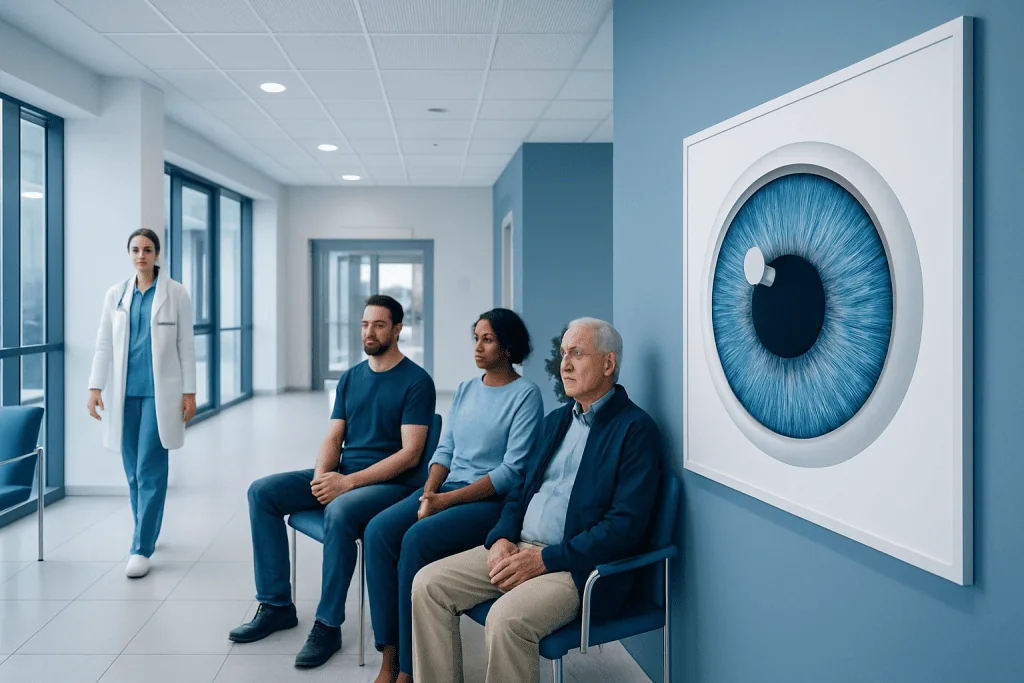
The colored part of the eye is the iris, a ring-shaped structure around the pupil. The iris helps control how much light enters the eye by changing the size of the pupil.
Key Takeaways
- The colored part of the eye is the iris, a ring-shaped structure around the pupil.
- The iris helps control how much light enters the eye by changing the size of the pupil.
- Eye color is mainly determined by genetics and the amount and distribution of pigment in the iris.
- Most natural eye color differences are harmless, but sudden changes need medical review.
- Redness, pain, light sensitivity, or reduced vision along with iris changes can signal an eye problem.
The colored part of the eye is called the iris. In most people, noticing eye color differences or learning about the iris is harmless, but sudden color change, pain, redness, or vision loss should be assessed by an eye doctor.
Overview: the colored part of the eye
If someone asks, what is the colored part of the eye called, the answer is the iris. The iris is the circular, colored structure that surrounds the black center of the eye, known as the pupil. For most people, eye color is simply a normal inherited trait and not a sign of illness.
The iris does more than provide eye color. It acts like a camera aperture, widening or narrowing the pupil to control how much light enters the eye. This helps protect the retina from excessive light and supports clearer vision in different lighting conditions.
Many people notice subtle differences in eye color between family members, between one eye and the other, or across the lifespan. These differences are often harmless. However, if the iris seems to change suddenly or symptoms such as pain, blurred vision, new sensitivity to light, or redness appear, medical evaluation is important.
What the iris does and how it works
The iris is made of thin tissue and small muscles located at the front of the eye. Its central opening is the pupil. When light is bright, the iris muscles make the pupil smaller. In dim light, they make the pupil larger so more light can enter.
This automatic response helps the eye adapt to changing environments. It also contributes to focus and comfort. Without normal iris function, a person may have difficulty in bright settings, glare may feel stronger, and vision quality can be affected.
The iris works closely with other parts of the eye, including the cornea, lens, retina, and optic nerve. If there are concerns about vision, an ophthalmologist may also check for related conditions such as glaucoma or other eye disorders that can affect pressure, light sensitivity, and visual function.
What determines eye color?

Eye color depends mainly on the amount and pattern of a pigment called melanin within the iris. Brown eyes usually have more melanin, while blue or green eyes usually have less. Hazel, gray, and mixed tones result from variations in pigment distribution and the way light scatters within the iris.
Genetics play the largest role in eye color. That is why eye color often runs in families, although inheritance can be complex. A child’s eye color may not exactly match either parent because multiple genes influence the final shade.
Eye color can appear to shift slightly in different lighting, with clothing color, or in photographs. This is usually an optical effect rather than a true structural change in the iris. In babies, eye color may also evolve over the first months of life as pigment develops.
Some people naturally have two different eye colors or a segment of different color in one iris, a variation called heterochromia. When present from birth and stable over time, it is often harmless. A new or changing difference should be examined to rule out injury, inflammation, or another eye condition.
When iris color or appearance may signal a problem
Most iris color is normal and does not require treatment. Still, doctors pay attention when the appearance of the colored part of the eye changes unexpectedly. Concerning changes include one pupil becoming irregular, part of the iris looking damaged, or one eye becoming a different color over a short period.
Inflammation inside the eye can affect the iris and may cause pain, redness, blurred vision, and sensitivity to light. This is sometimes seen in uveitis, which can involve structures near the iris and needs prompt medical care to help prevent complications.
Other causes of a changed iris appearance can include trauma, certain medications, previous surgery, bleeding in the front of the eye, or less commonly a growth involving the iris. Some neurological or pressure-related eye conditions can also change pupil shape or size rather than the iris color itself.
- Seek urgent assessment for sudden vision loss, severe eye pain, or a painful red eye.
- Arrange timely review for new light sensitivity, persistent blurred vision, or a visible change in iris shape or color.
- Get emergency help after an eye injury, especially if the pupil looks uneven or there is bleeding.
How doctors evaluate changes in the colored part of the eye
If a person reports an iris change, an eye doctor usually begins with a careful history. Questions often include when the change was first noticed, whether it happened suddenly or gradually, and whether there are symptoms such as pain, flashing lights, headache, redness, or reduced vision. Medication use, eye trauma, prior surgery, and family history are also relevant.
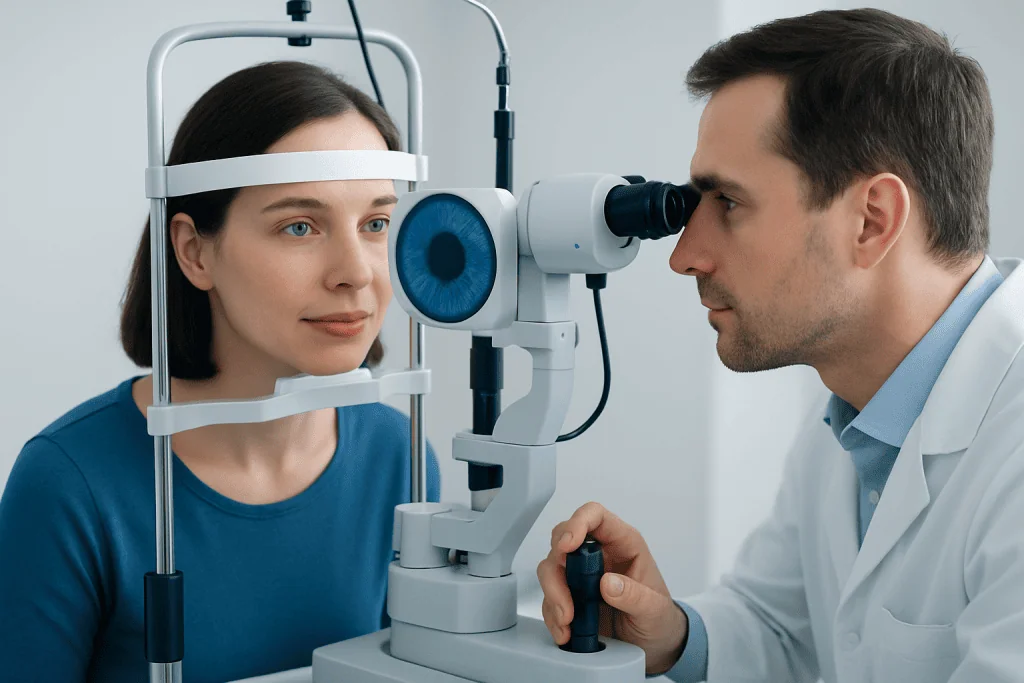
The examination typically includes checking visual acuity, pupil reactions, eye pressure, and the front structures of the eye using a slit-lamp microscope. This allows the doctor to inspect the iris in detail and look for inflammation, injury, pigment changes, or structural abnormalities.
Depending on the findings, additional tests may be needed. These can include dilated eye examination, photographs to document the iris, imaging of the eye, or tests to assess related structures. If treatment is needed, the plan depends on the cause and may range from observation to medicines or specialized procedures such as corneal treatment or glaucoma treatment when another eye disorder is involved.
Treatment and management
The iris itself usually does not need treatment unless there is an underlying problem. When eye color is simply a natural inherited trait, no medical care is required. Reassurance is often all that is needed.
If an iris change is linked to inflammation, injury, elevated eye pressure, infection, or another eye disease, treatment focuses on the cause. This may include medicated eye drops, anti-inflammatory treatment, pressure-lowering therapies, or close monitoring by an ophthalmologist. Any treatment should be guided by a qualified clinician rather than self-diagnosis.
In cases where a structural problem affects comfort or vision, procedural care may be considered. Management can overlap with broader eye treatment services depending on whether the issue involves the iris alone or other parts of the eye.
Near the end of the care pathway, some patients may benefit from multidisciplinary assessment, especially if symptoms are complex or linked to more than one condition. Acibadem International’s multidisciplinary specialists and JCI-accredited hospitals diagnose and treat eye conditions for international patients when further evaluation is needed.
Self-care, eye protection, and prevention
There is no safe way to permanently change natural iris color at home, and attempts to do so can damage the eye. Decorative contact lenses should only be used under professional guidance and with proper hygiene. Poorly fitted or non-prescribed lenses can cause infection, irritation, or injury.
Protecting the eyes from trauma is an important preventive step. Safety eyewear is recommended during sports, certain jobs, and home improvement tasks. Sunglasses that block ultraviolet light can also help protect overall eye health and reduce discomfort in bright conditions.
Routine eye examinations are useful even when there are no symptoms, especially for people with diabetes, a family history of eye disease, prior eye injury, or increasing age. Early review helps detect pressure problems, inflammation, and retinal disease before vision is affected.
When to seek medical care
Medical care is recommended if the colored part of the eye seems to change suddenly, if one pupil looks noticeably different from the other, or if there is new pain, redness, or blurred vision. These symptoms do not always mean something serious, but they do need professional assessment.
Urgent care is especially important for severe eye pain, sudden vision loss, a painful red eye, new flashes or floaters, or symptoms after trauma. A doctor can determine whether the problem involves the iris itself or another eye structure requiring prompt treatment.
If there is no pain or vision change, a stable lifelong difference in iris color is often benign. Even so, it is reasonable to mention any long-standing asymmetry at a routine eye exam so it can be documented and monitored over time.
Frequently asked questions
What is the colored part of the eye called?
The colored part of the eye is called the iris. It surrounds the pupil and helps control how much light enters the eye.
Is the black center of the eye the iris?
No. The black center is the pupil, which is an opening in the middle of the iris. The iris is the colored ring around it.
Why do people have different eye colors?
Eye color is mainly determined by genetics and the amount of melanin pigment in the iris. Differences in pigment and light scattering create brown, blue, green, hazel, gray, and other shades.
Can eye color change over time?
Small apparent changes can happen because of lighting, age, or photography, and babies' eye color may develop over the first months of life. A sudden true change in one eye or part of the iris should be checked by an eye doctor.
Is it normal to have two different colored eyes?
Some people naturally have two different eye colors or different colors within one iris, a variation called heterochromia. If it has been present a long time and there are no symptoms, it is often harmless, but a new change needs medical review.
When should someone worry about a change in the iris?
Medical attention is important if iris changes happen with pain, redness, light sensitivity, blurry vision, or after an eye injury. Sudden vision loss or severe eye pain needs urgent evaluation.
References
- American Academy of Ophthalmology
- National Eye Institute
- MedlinePlus
- Mayo Clinic
- Merck Manual Consumer Version
This article is for general information only and is not a substitute for professional medical advice. Please consult a qualified doctor about your individual situation.
Explore treatments in Turkey — costs, top hospitals & a free quote
JCI-accredited · board-certified surgeons · reply within 24h
Add us as a Preferred Source to see more of our trusted health content across Google Search, AI Overviews and Discover.

More from the Health Library



Related Specialists

Prof. Dr. Hakan Ağır
Aesthetic Plastic & Reconstructive Surgery
Assoc. Prof. Dr. Alper Eken
Urology
Assoc. Prof. Dr. Saygın Abalı
Pediatric Endocrinology
Prof. Dr. Başak Oyan Uluç
Medical Oncology