Decongestant for Kids: What Patients Need to Know

Most nasal congestion in children is caused by viral infections and improves with time and supportive care. Many cough and cold medicines, including some decongestants, are not recommended for young children without medical advice.
Key Takeaways
- Most nasal congestion in children is caused by viral infections and improves with time and supportive care.
- Many cough and cold medicines, including some decongestants, are not recommended for young children without medical advice.
- Saline drops, nasal suction, fluids, humidity, and rest are often safer first-line options.
- Medication labels matter because many products contain more than one active ingredient.
- A child with trouble breathing, dehydration, ear pain, high fever, or worsening symptoms should be assessed by a clinician.
A decongestant for kids may help some older children, but it is not recommended for every age group and is often unnecessary for routine colds. Parents and caregivers should focus on safe symptom relief, read labels carefully, and ask a doctor or pharmacist when unsure.
Overview: Is a Decongestant for Kids a Good Idea?
A decongestant for kids can sometimes reduce a stuffy nose, but it is not the first or safest choice for every child. For many children with a common cold, supportive care such as saline nose drops, gentle suction, fluids, rest, and humidified air provides enough relief while the illness runs its course.
Parents often look for quick symptom relief, especially when congestion affects sleep or feeding. However, children are more sensitive than adults to medication side effects, and some over-the-counter cold products are not recommended for young children. Age, weight, medical history, and the exact ingredients all matter.
Another important point is that “decongestant” may refer to different types of products, including oral medicines and nasal sprays. These products do not treat the cause of the illness; they only aim to ease swelling in the nasal passages for a limited time. That is why safe use starts with understanding what congestion is, what is causing it, and whether medicine is necessary at all.
What Nasal Congestion Means in Children
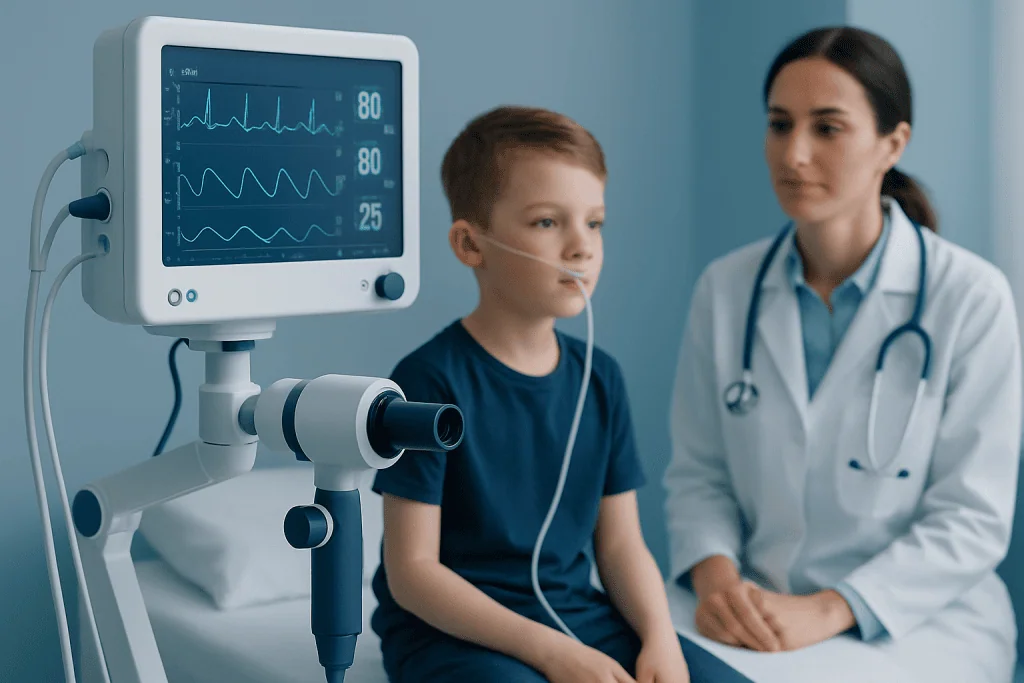
Nasal congestion happens when tissues lining the nose become swollen and produce extra mucus. In children, this often develops during a viral upper respiratory infection, but allergies, dry air, sinus irritation, enlarged adenoids, and exposure to smoke or other irritants can also play a role. Babies and young children may become especially uncomfortable because they breathe mainly through the nose while feeding or sleeping.
Common signs include a blocked or runny nose, noisy breathing through the nose, mouth breathing, snoring, cough from postnasal drip, and temporary difficulty sleeping. In infants, congestion may also make feeding slower or more tiring. Some children become irritable simply because they do not feel well and cannot rest comfortably.
Congestion is often short-lived, but the best approach depends on the likely cause. A cold usually improves gradually over several days. If symptoms keep returning at certain times of year, allergies may be part of the picture. If there is thick discharge, facial pain, bad breath, or prolonged symptoms, a doctor may consider sinus inflammation or another underlying problem, such as sinusitis.
When Decongestants May Help—and When They May Not

Decongestants work by narrowing blood vessels in the nasal passages, which can reduce swelling and help air move more freely for a while. In theory, this can make a child feel less blocked up. In practice, the benefit may be modest, and it does not shorten the illness or prevent complications.
These medicines may be considered in selected older children, depending on local guidance, the product label, and a clinician’s advice. They are generally not the preferred approach for infants and young children, particularly for routine colds. That is because side effects can outweigh the benefit, and many children improve with non-medicine measures alone.
Parents and caregivers should also know that some products marketed for colds combine a decongestant with antihistamines, cough suppressants, or pain relievers. This makes accidental double-dosing more likely if another medicine is given at the same time. If congestion is the main problem, choosing treatment should be as simple and targeted as possible rather than using multiple-ingredient products without guidance.
- Decongestants do not cure a cold or a viral infection.
- They may not help much if the blockage is caused by thick mucus rather than swollen tissue.
- They should not be used just to help a child sleep unless a clinician recommends them.
- Product labels and age restrictions should always be checked carefully.
Safety Concerns, Side Effects, and Label Reading
The main reason families should be cautious with a decongestant for kids is safety. Depending on the ingredient, side effects may include jitteriness, restlessness, irritability, fast heartbeat, trouble sleeping, nausea, or headache. In some children, especially those who are younger or more sensitive, these effects can be more noticeable than the congestion relief.
Nasal decongestant sprays deserve special care. They can sometimes help older children for very short-term relief, but frequent or prolonged use may lead to rebound congestion, where the nose feels even more blocked after the medicine wears off. For that reason, they are not a routine solution for repeated or ongoing symptoms without medical supervision.
Reading the label is essential. Parents should check the child’s age range, active ingredients, warnings, and directions for use. It is also important to avoid giving two medicines with overlapping ingredients. Children with high blood pressure, heart conditions, thyroid disease, glaucoma, or certain neurologic conditions may need extra caution, and any child already taking other medicines should be assessed by a pharmacist or doctor before using a decongestant.
If a caregiver is unsure whether congestion is due to a simple cold, an allergy problem, or another issue, professional advice is the safest next step. In some children, ongoing symptoms may fit better with allergic rhinitis or another condition that needs a different treatment plan.
Safer First-Line Options for a Stuffy Nose
For most children, supportive care is the safest place to start. Saline nose drops or saline spray can loosen mucus and moisturize the nasal passages without the risks linked to decongestant medicines. In babies and toddlers, gentle suction with a bulb syringe or nasal aspirator after saline can improve feeding and comfort, especially before sleep.
Humidified air, adequate fluids, and rest also help. A cool-mist humidifier may make breathing feel easier if indoor air is dry, though it should be cleaned regularly to avoid mold or bacteria buildup. Warm soups or other age-appropriate fluids can support hydration and soothe a sore throat caused by drainage. Elevating the head slightly during supervised rest for older children may also reduce nighttime discomfort.
If fever or aches are making a child more miserable, a clinician may suggest age-appropriate pain relief, but families should avoid guessing and follow professional advice and the product label. When congestion appears linked to allergy rather than infection, doctors may discuss options such as allergy management or, in some cases, allergy testing to identify triggers more clearly.
- Use saline drops or spray to thin secretions.
- Suction gently in infants when needed, especially before feeds.
- Offer fluids often and watch for signs of dehydration.
- Use a clean cool-mist humidifier if the air is dry.
- Reduce smoke and strong irritant exposure in the home.
How Doctors Evaluate Ongoing or Severe Congestion
Most children with congestion do not need tests. Doctors usually make an assessment by asking about symptoms, duration, fever, sleep, feeding, allergy history, and medication use. They may examine the nose, ears, throat, breathing pattern, hydration, and sometimes the chest to look for signs of a cold, ear infection, allergy, or a more significant respiratory illness.
If symptoms are prolonged, recurring, or unusual, the clinician may consider other causes. These can include allergies, sinusitis, enlarged adenoids, asthma-related symptoms, a foreign body in the nose, or structural issues in the nasal passages. In children with snoring, mouth breathing, or repeated infections, an ENT evaluation may be useful.
When symptoms suggest a more complex problem, the care plan may involve targeted treatment rather than a simple decongestant. Depending on the findings, this could include ENT evaluation and treatment or guidance from a pediatric specialist. The goal is to treat the actual cause of congestion and avoid unnecessary medication exposure.
When to Seek Medical Care
Parents and caregivers should seek medical advice promptly if a child has difficulty breathing, breathing that looks fast or labored, bluish lips, unusual sleepiness, poor feeding, or signs of dehydration such as very little urine, no tears when crying, or a very dry mouth. These symptoms need prompt attention because they can signal something more than a simple blocked nose.
A doctor should also assess a child with a high or persistent fever, significant ear pain, severe sore throat, a cough that is worsening, or congestion that is not improving after about 10 days. Thick discharge from one nostril only, especially with a bad smell, may suggest a foreign object in the nose. Repeated vomiting, worsening headache, facial swelling, or neck stiffness are also important reasons to seek care.
Infants deserve extra caution. A very young baby with congestion who is struggling to feed, seems lethargic, or has a fever should be evaluated quickly. If there is any doubt about whether an over-the-counter product is appropriate, a pediatrician or pharmacist can help families choose the safest next step.
Practical Guidance for Families
When considering a decongestant for kids, it helps to start with a few simple questions: How old is the child? What is the likely cause of the congestion? Is the medicine a single-ingredient product or a combination cold remedy? Could supportive care be enough? These questions often prevent unnecessary use and reduce the risk of side effects or duplicate ingredients.
Keeping a short symptom diary can be useful if congestion recurs. Families can note when symptoms happen, what makes them better or worse, whether there is fever, and whether triggers such as dust, pets, or seasonal pollen seem involved. This can help a clinician decide whether the child is dealing with repeated viral infections, allergies, or another issue.
If specialist support is needed, Acibadem International’s multidisciplinary specialists and JCI-accredited hospitals evaluate and treat children with nasal and sinus complaints, including allergy- and ENT-related causes. In selected cases, a doctor may discuss further options such as pediatric ENT care when symptoms are persistent, recurrent, or affecting sleep and daily life.
The most reassuring message for families is that most stuffy noses in children are temporary and improve with time, comfort measures, and careful observation. Medicine can sometimes play a role, but safe use always depends on the child’s age, symptoms, and medical history. When in doubt, a qualified healthcare professional is the best source of guidance.
Frequently asked questions
Can children take over-the-counter decongestants?
Some older children may be able to use certain decongestant products, but not every product is appropriate for every age. Many young children should not take over-the-counter cough and cold medicines unless a doctor specifically recommends them. Labels and professional advice are important.
What is the safest way to relieve a child's stuffy nose?
For many children, saline nose drops or spray, gentle suction for infants, fluids, rest, and a cool-mist humidifier are the safest first steps. These measures do not cure the illness, but they often improve comfort enough while the body recovers.
Are nasal decongestant sprays safe for kids?
They may be used in some older children if a clinician recommends them, but they are not a routine first choice. If used too often or for too long, some nasal sprays can cause rebound congestion and make symptoms worse.
How long should congestion from a cold last in children?
Congestion from a simple viral cold often improves gradually over several days, though some symptoms can last around a week or a little longer. If congestion is not improving after about 10 days, keeps coming back, or is getting worse, a doctor should evaluate the child.
When is a stuffy nose in a child an emergency?
Emergency care is needed if the child has trouble breathing, bluish lips, extreme sleepiness, signs of dehydration, or appears seriously unwell. In infants, poor feeding and breathing difficulty should be assessed promptly.
Could my child's congestion be allergies instead of a cold?
Yes. If congestion is recurring, seasonal, associated with sneezing or itchy eyes, or happens without fever, allergies may be more likely. A clinician can help distinguish between infection and allergy and recommend the right treatment.
This article is for general information only and is not a substitute for professional medical advice. Please consult a qualified doctor about your individual situation.
Explore treatments in Turkey — costs, top hospitals & a free quote
JCI-accredited · board-certified surgeons · reply within 24h
Add us as a Preferred Source to see more of our trusted health content across Google Search, AI Overviews and Discover.

More from the Health Library

Sickle Cell Trait: A Complete Medical Overview

Rolfing Massage: What Patients Need to Know

Pubic Symphysis: What Patients Need to Know

Pcsk9 Inhibitors: What Patients Need to Know

Mild Rosacea: An Evidence-Based Guide for Patients