Is Meningitis Contagious? Here Is What the Evidence Says

Meningitis means inflammation of the membranes around the brain and spinal cord, and its cause determines whether it is contagious. Some viral and bacterial causes can spread through close contact, coughing, kissing, or shared saliva, but fungal, parasitic, and noninfectious forms usually do not.
Key Takeaways
- Meningitis means inflammation of the membranes around the brain and spinal cord, and its cause determines whether it is contagious.
- Some viral and bacterial causes can spread through close contact, coughing, kissing, or shared saliva, but fungal, parasitic, and noninfectious forms usually do not.
- A severe headache, fever, stiff neck, confusion, sensitivity to light, rash, or seizures needs urgent medical review.
- Doctors diagnose meningitis with a medical exam and tests such as blood work, imaging in selected cases, and often a lumbar puncture.
- Vaccination, hand hygiene, and avoiding close contact when someone is ill can lower the risk of contagious forms.
Yes, meningitis can be contagious, but not every type spreads from person to person. The answer depends on what is causing the inflammation, and most headaches, fevers, and stiff necks are not meningitis—yet certain warning signs do need prompt medical attention.
Overview: the short answer
Is meningitis contagious? Sometimes, yes—but not always. Meningitis is not one single disease. It is a description of inflammation in the protective membranes around the brain and spinal cord, and whether it spreads depends on the underlying cause.
In many everyday situations, symptoms that people worry about—such as headache, fever, nausea, or neck discomfort—are much more often related to common viral illnesses, dehydration, migraine, or muscle strain than to meningitis. That is reassuring, but it is still important to know the warning signs because meningitis can become serious, especially when caused by certain bacteria.
The most contagious forms are usually some viral and bacterial types. These organisms often spread through respiratory droplets or close contact with saliva, rather than by casual contact such as walking past someone in public. Other forms, including fungal meningitis and meningitis linked to medications, autoimmune disease, or cancer, generally do not spread from person to person.
What meningitis is and how it spreads
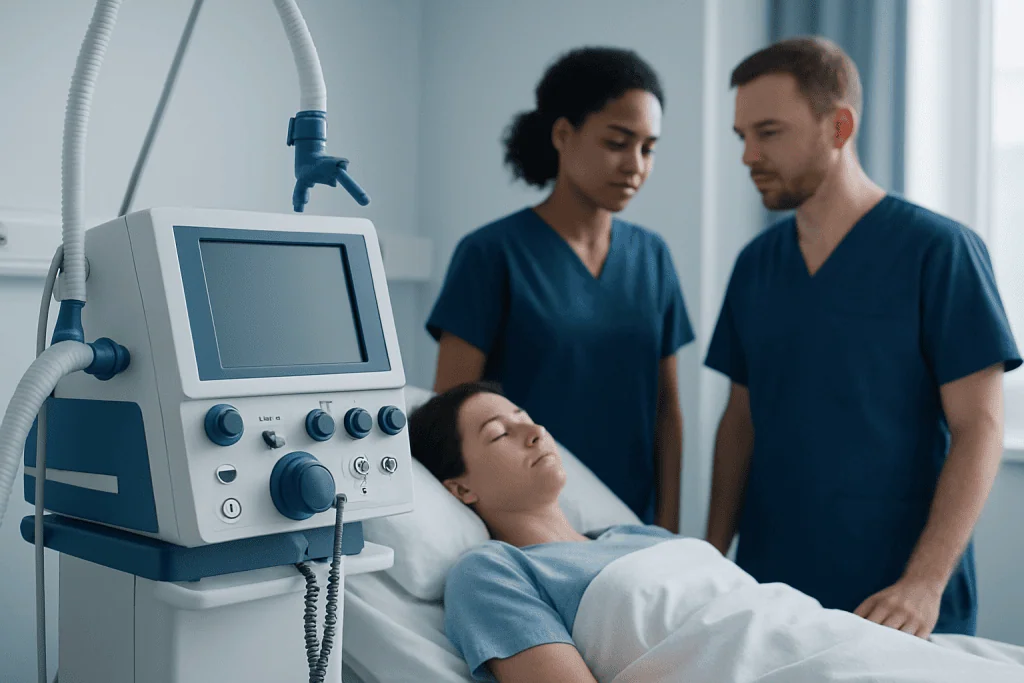
Meningitis affects the meninges, the thin layers of tissue surrounding the brain and spinal cord. Inflammation in this area can happen after an infection or, less commonly, from a noninfectious trigger. The main categories are viral, bacterial, fungal, parasitic, and noninfectious meningitis.
When meningitis is contagious, it is the germ that spreads—not the inflammation itself. A person may catch a virus or bacterium from someone else and then develop meningitis, but many people exposed to these germs do not get meningitis at all. Some may have only mild symptoms, while others may carry the organism without becoming noticeably ill.
Spread usually requires relatively close exposure. Examples include living in the same household, kissing, sharing utensils or drinks, or spending time in close quarters where coughing and sneezing occur. The exact pattern differs by organism:
- Viral meningitis: often linked to enteroviruses and can spread through respiratory secretions or contact with contaminated surfaces and stool, depending on the virus.
- Bacterial meningitis: some causes, such as meningococcal disease, can spread through close contact and saliva.
- Fungal meningitis: typically comes from environmental exposure rather than another person.
- Noninfectious meningitis: may be related to autoimmune conditions, medications, surgery, or cancer and is not contagious.
Because the causes vary so much, it helps to think less in terms of “Is all meningitis contagious?” and more in terms of “Which type is suspected?” That distinction guides both treatment and advice for family members or close contacts.
Which types are contagious and which are not

Viral meningitis is often the most common form overall, and many cases improve with supportive care. It can be contagious because the viruses that cause it may spread between people, but the infection is often milder than bacterial meningitis. Common seasonal viruses may cause fever, fatigue, sore throat, stomach upset, or rash in addition to meningitis symptoms.
Bacterial meningitis is less common but more urgent. Certain bacteria, including Neisseria meningitidis and sometimes Haemophilus influenzae type b or Streptococcus pneumoniae, can lead to serious illness. Some of these bacteria can spread in households, dormitories, military settings, or other close-contact environments. Doctors may recommend preventive antibiotics for close contacts in selected situations, especially with meningococcal disease.
By contrast, fungal meningitis usually arises after exposure to fungi in the environment or, more rarely, after a healthcare-associated contamination event. It does not usually pass from one person to another. Parasitic meningitis is also generally not spread through ordinary person-to-person contact. Noninfectious meningitis, including cases related to inflammatory disease or cancer, is not contagious.
If there is concern about a serious bacterial cause, doctors may also evaluate for related conditions such as encephalitis or broader central nervous system infection. These conditions can share symptoms, which is why prompt medical assessment matters when red flags are present.
Symptoms that matter most
Meningitis can begin with symptoms that resemble flu or a common viral illness, which is one reason it can be difficult to recognize early. Typical symptoms may include fever, headache, nausea, vomiting, sensitivity to light, neck stiffness, fatigue, and feeling generally unwell. In infants and young children, symptoms may be less specific and can include poor feeding, unusual sleepiness, irritability, or a bulging soft spot on the head.
Not every person has every symptom, and neck stiffness is not always present at the start. Older adults and people with weakened immune systems may also present differently, sometimes with confusion, reduced alertness, or fewer classic symptoms. That is why the overall pattern matters more than any single symptom alone.
Symptoms that need urgent medical care include:
- Severe or rapidly worsening headache
- Fever with a stiff neck
- Confusion, unusual drowsiness, or difficulty waking
- Seizures
- Sensitivity to light with vomiting or severe illness
- A new rash, especially one that looks purple or does not fade when pressed
- Breathing difficulty or signs of shock, such as cold extremities or fainting
These red flags do not confirm meningitis on their own, but they do signal the need for prompt evaluation. In bacterial meningitis, early treatment is especially important.
When to seek medical care
Many headaches and fevers are harmless and settle with rest, fluids, and time. However, a person should seek urgent medical care if meningitis is possible—especially when fever and severe headache occur together with neck stiffness, confusion, a rash, or sensitivity to light. Infants, older adults, pregnant people, and those with weakened immune systems should be assessed promptly if concerning symptoms appear.
If someone has been told they were closely exposed to a person with confirmed bacterial meningitis, it is important to contact a doctor or public health team for advice. In some situations, close contacts may need preventive treatment even if they feel well. This decision depends on the specific organism and the nature of the exposure.
Emergency care is particularly important if the person becomes hard to wake, has a seizure, develops a rapidly spreading rash, or seems seriously unwell. It is better to be evaluated and reassured than to delay care when clear warning signs are present.
How doctors diagnose meningitis
Doctors begin with a medical history and physical examination. They ask about the timing of symptoms, recent infections, vaccination status, travel, sick contacts, immune system problems, medications, and whether there has been close exposure to a known meningitis case. The physical exam looks for fever, rash, neck stiffness, changes in alertness, and signs that suggest infection affecting the nervous system.
If meningitis is suspected, testing may include blood tests and blood cultures. A lumbar puncture, sometimes called a spinal tap, is often the key test because it allows doctors to analyze cerebrospinal fluid for signs of infection and inflammation. This can help distinguish between viral, bacterial, fungal, and other causes.
Imaging such as MRI scan or CT scan may be used in selected cases, especially if there are concerns about increased pressure in the brain, seizures, focal neurologic symptoms, or another diagnosis that needs to be considered. Doctors may also send swabs or other infection tests depending on the likely cause.
Sometimes specialists are involved, particularly when symptoms overlap with other neurologic conditions. Evaluation in a center with expertise in neurology care can help coordinate diagnosis, monitoring, and treatment when the picture is complex.
Treatment and what happens to close contacts
Treatment depends entirely on the cause. Bacterial meningitis is treated urgently with antibiotics in the hospital, often before all test results are back if the suspicion is high. Viral meningitis may need rest, fluids, pain relief, and monitoring, although some viral causes require antiviral treatment. Fungal meningitis needs antifungal medication, and noninfectious meningitis is treated by addressing the underlying trigger.
Close contacts do not always need treatment. Public health guidance is most relevant for specific bacterial causes, especially meningococcal disease. In those cases, household members, intimate contacts, or others with significant saliva exposure may be offered preventive antibiotics. Casual contacts, such as coworkers in a large office or people who simply shared public space, usually are not considered at the same level of risk.
A person who is being evaluated for meningitis may be advised on infection-control measures until the cause is clearer. These can include avoiding shared drinks or utensils, covering coughs and sneezes, washing hands well, and limiting close contact if a contagious infection is suspected. The exact precautions depend on the identified organism.
For international patients who need coordinated assessment, Acibadem International’s multidisciplinary specialists and JCI-accredited hospitals diagnose and treat neurologic and infectious conditions, including suspected meningitis, with care plans tailored to the underlying cause.
Prevention and practical self-care
Prevention starts with understanding that many contagious forms spread during close contact, not by brief everyday contact. Good hand hygiene, avoiding sharing drinks, utensils, and toothbrushes, and staying home when ill can reduce transmission of common infections that may lead to viral meningitis. Cleaning frequently touched surfaces can also help in homes with children or during seasonal viral outbreaks.
Vaccination is one of the most important ways to reduce the risk of certain bacterial causes. Depending on age, health conditions, travel, and local recommendations, vaccines may include those for meningococcal disease, pneumococcal disease, and Haemophilus influenzae type b. Keeping routine immunizations up to date also lowers the risk of some viral infections that can affect the nervous system.
People with weakened immune systems should ask their doctor whether they have extra risk from certain infections and whether any additional preventive steps are appropriate. After a known exposure, it is sensible to seek individualized medical advice rather than self-diagnose. Most exposed people do not develop meningitis, but the right follow-up depends on the organism involved.
If symptoms are mild and there are no red flags, resting, drinking fluids, and monitoring for change may be reasonable while arranging medical advice. But if symptoms worsen, or if severe headache, fever, stiff neck, confusion, rash, or seizures develop, urgent evaluation is the safest next step.
Frequently asked questions
Can you catch meningitis from being near someone?
Usually, casual brief contact is not enough to spread the germs most commonly linked to meningitis. Risk is generally higher with close contact, such as living together, kissing, or sharing saliva-related items. Whether exposure matters also depends on the exact cause.
Is viral meningitis contagious?
Yes, the viruses that can cause viral meningitis may spread from person to person. However, many people exposed to those viruses do not develop meningitis and may only have a mild illness. Viral meningitis is often less severe than bacterial meningitis, though it still needs medical assessment if symptoms are concerning.
Is bacterial meningitis always contagious?
Not always in the same way, and not every bacterial cause spreads easily between people. Some forms, especially meningococcal meningitis, can spread through close contact and may require preventive treatment for close contacts. Others are less likely to spread person to person.
How long is a person with meningitis contagious?
That depends on the organism causing the infection. A doctor can advise based on the test results, the person’s treatment, and public health guidance. In bacterial cases, contagiousness often decreases after appropriate antibiotics have started, but the exact timing varies.
Do family members need antibiotics if someone has meningitis?
Only in certain situations. Preventive antibiotics are usually considered for close contacts of some bacterial cases, especially meningococcal disease. They are not routinely needed for every type of meningitis, so it is important to wait for medical advice about the specific cause.
What does meningitis feel like at the beginning?
Early symptoms may resemble flu or another viral illness, with headache, fever, tiredness, nausea, and body aches. As it progresses, symptoms such as stiff neck, light sensitivity, confusion, vomiting, rash, or unusual sleepiness may appear. Because early symptoms can be nonspecific, worsening illness or red flags should prompt medical review.
References
- Centers for Disease Control and Prevention
- World Health Organization
- National Institute of Neurological Disorders and Stroke
- National Health Service
- Meningitis Research Foundation
This article is for general information only and is not a substitute for professional medical advice. Please consult a qualified doctor about your individual situation.
Meningitis in Turkey — costs, top hospitals & a free quote
JCI-accredited · board-certified surgeons · reply within 24h
Add us as a Preferred Source to see more of our trusted health content across Google Search, AI Overviews and Discover.