Ibsrela — Explained by Medical Evidence, Not Myths

Ibsrela is a prescription medicine for adults with irritable bowel syndrome with constipation. Its active ingredient, tenapanor, helps increase fluid in the intestines to make stool easier to pass.
Key Takeaways
- Ibsrela is a prescription medicine for adults with irritable bowel syndrome with constipation.
- Its active ingredient, tenapanor, helps increase fluid in the intestines to make stool easier to pass.
- The most common side effect is diarrhea, which can sometimes be severe enough to require stopping the medicine.
- It is not a cure for IBS-C, but it may reduce constipation and improve related abdominal symptoms in some patients.
- A doctor should confirm the diagnosis and rule out other causes of constipation or abdominal pain before treatment starts.
Ibsrela is the brand name for tenapanor, a prescription medicine used in adults with irritable bowel syndrome with constipation (IBS-C). It works differently from many other constipation treatments, so understanding who it may help, how it is used, and what side effects to watch for can support more informed discussions with a doctor.
Overview: what Ibsrela is and what it is used for
Ibsrela is the brand name for tenapanor, a prescription medicine approved for adults with irritable bowel syndrome with constipation, commonly called IBS-C. In simple terms, it is used when a person has ongoing constipation together with symptoms such as belly pain, bloating, or discomfort linked to IBS-C. It is not meant for every type of constipation, and it should be used under the guidance of a qualified clinician.
Unlike stimulant laxatives or fiber supplements, Ibsrela works through a different pathway in the digestive tract. It helps the intestines hold more water, which can soften stool and support bowel movements. Because IBS-C involves both bowel habit changes and abdominal symptoms, treatment choices are usually based on the full symptom pattern rather than constipation alone.
Ibsrela is one option among several medicines that may be considered for people with persistent symptoms despite diet and lifestyle changes. Some people improve with changes in fiber intake, hydration, activity, and stress management, while others may need prescription treatment. A careful evaluation is important because symptoms that seem like IBS-C can overlap with irritable bowel syndrome or other digestive conditions.
How Ibsrela works in the body
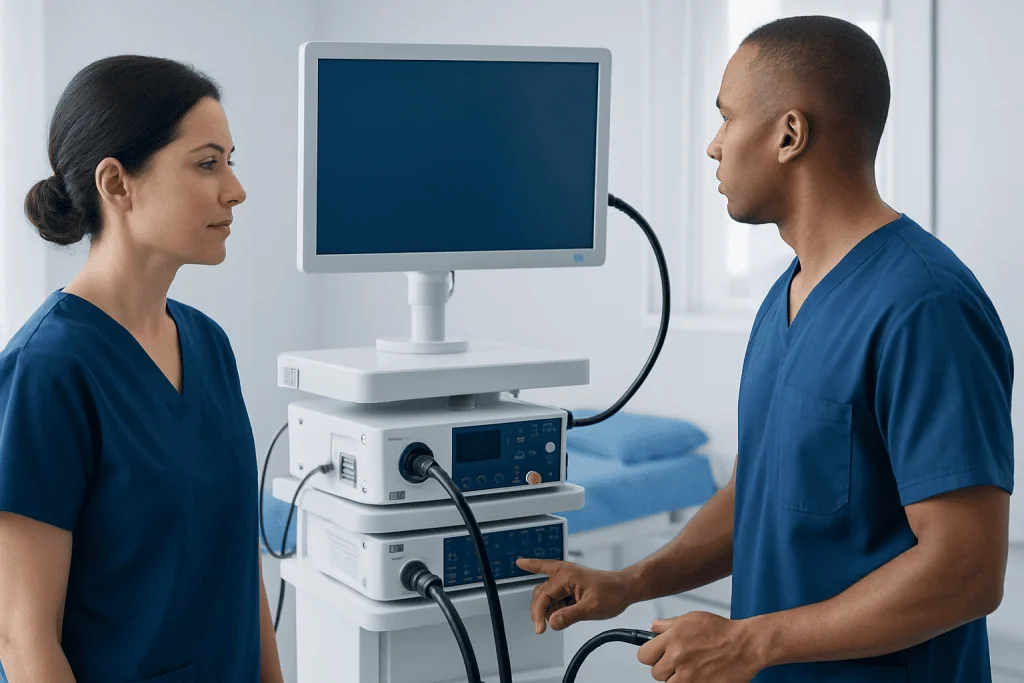
The active ingredient in Ibsrela, tenapanor, acts mainly in the gut. It reduces the absorption of sodium from the intestines. When less sodium is absorbed, more water stays inside the bowel, which helps stool move through the digestive tract more easily.
This local action in the intestines is one reason the medicine is discussed differently from some drugs that work through the nervous system or bloodstream. By increasing intestinal fluid, it may help with constipation and may also reduce some abdominal symptoms linked to IBS-C. However, response varies from person to person, and symptom improvement may not be immediate for everyone.
IBS-C is a functional gastrointestinal disorder, meaning symptoms are real but may not show a structural problem on routine tests. In many cases, treatment combines medication with broader symptom management. Depending on the overall digestive picture, a gastroenterologist may also discuss related evaluations or treatments such as gastroenterology care if symptoms are complex, severe, or long-standing.
Who may benefit and who should avoid it

Ibsrela is intended for adults with IBS-C. It may be considered when constipation is frequent, uncomfortable, and associated with abdominal pain, straining, hard stools, or a feeling of incomplete emptying. It is generally prescribed after a clinician has reviewed symptoms, medical history, and other possible causes of bowel changes.
It is not appropriate for everyone. It should not be used in children younger than 6 years because of the risk of serious dehydration, and it should generally be avoided in patients younger than 18 years unless a specialist specifically advises otherwise based on current guidance. It is also not suitable for people with known or suspected bowel obstruction.
Before starting treatment, a doctor may ask about alarm features such as blood in the stool, unexplained weight loss, fever, anemia, or symptoms that wake a person from sleep. These signs suggest the need for further evaluation rather than routine treatment for IBS-C. In some cases, tests may be recommended to look for other causes, including colon cancer or inflammatory bowel disease, especially when symptoms are new or atypical.
Possible benefits, side effects, and practical expectations
The main goal of Ibsrela is to improve IBS-C symptoms, especially constipation. Some patients may also notice less bloating, reduced straining, or improvement in abdominal discomfort. Still, no medicine works equally well for everyone, and IBS-C often requires ongoing management rather than a one-time fix.
The most commonly reported side effect is diarrhea. For some people, diarrhea is mild and temporary, but for others it can be severe enough to lead to dehydration or stopping the medicine. If severe diarrhea develops, medical advice is important. Other side effects may include abdominal distension, gas, or dizziness, though not everyone experiences these effects.
It helps to have realistic expectations. Symptom tracking can be useful during the first weeks of treatment, including bowel frequency, stool consistency, abdominal pain, bloating, and any side effects. Patients should take the medicine exactly as prescribed and should not change or stop it without speaking to their doctor unless they are told to do so because of a concerning reaction.
Since constipation has many causes, a clinician may compare Ibsrela with other options, including diet-based approaches, osmotic laxatives, or prescription therapies. For some patients, a broader workup is needed to rule out other digestive causes or to assess complications such as chronic constipation.
How doctors diagnose IBS-C before prescribing Ibsrela
A diagnosis of IBS-C is usually based on symptoms, symptom duration, and the absence of warning signs that point to another disease. Doctors often use established symptom criteria and ask whether abdominal pain is linked to bowel movements, stool form, or bowel frequency. They also review diet, medications, stress, and past digestive history.
Not every patient needs extensive testing, but evaluation may include blood tests, stool studies, or endoscopic assessment if symptoms are unusual or if alarm features are present. This is important because conditions such as celiac disease, inflammatory bowel disease, thyroid disorders, medication-related constipation, and colorectal disease can sometimes mimic IBS-C.
In selected cases, especially in older adults or those with red-flag symptoms, doctors may recommend colonoscopy to investigate the colon. If abdominal symptoms are persistent or there is concern about another digestive problem, imaging or additional specialist assessment may also be advised. The aim is to confirm that treatment is being used for the right condition.
Treatment planning: how Ibsrela fits into overall care
Ibsrela is usually part of a broader IBS-C care plan rather than the only step. Many patients are advised to review fluid intake, meal timing, physical activity, sleep quality, and stress levels. Some benefit from dietary adjustments, though this should be individualized because increasing fiber too quickly can worsen bloating in some people.
Doctors may also review other medicines and supplements that can contribute to constipation, such as certain pain medicines, iron, or some antidepressants. If symptoms are strongly tied to meals, pelvic floor dysfunction, or long-standing severe constipation, treatment may need to be tailored further. In some cases, care from a digestive specialist is the best next step.
For patients with persistent symptoms, other prescription therapies or supportive evaluations may be discussed. Depending on the clinical picture, this may include endoscopic evaluation or specialist-led management plans. Near the end of a patient journey, some international patients choose centers such as Acibadem International, where multidisciplinary specialists in JCI-accredited hospitals diagnose and treat digestive disorders with individualized care plans.
Self-care and when to seek medical care
Self-care measures can still matter even when prescription medicine is used. A person with IBS-C may benefit from regular meals, gradual dietary changes, gentle physical activity, enough fluids, and attention to stress triggers. Keeping a symptom diary may help identify foods or routines that worsen bloating, pain, or constipation.
Medical advice should be sought promptly if severe diarrhea develops while taking Ibsrela, especially if it causes weakness, lightheadedness, reduced urination, or signs of dehydration. A doctor should also be contacted if symptoms are not improving, if side effects are difficult to tolerate, or if there is uncertainty about how the medicine should be taken.
Urgent evaluation is important for red-flag symptoms such as blood in the stool, black stools, unexplained weight loss, persistent vomiting, fever, severe or worsening abdominal pain, or new constipation in an older adult. These symptoms do not necessarily mean something serious is present, but they do mean IBS-C should not be assumed without proper assessment.
Frequently asked questions
What is Ibsrela used for?
Ibsrela is used to treat irritable bowel syndrome with constipation in adults. It is prescribed for people whose symptoms include constipation along with abdominal pain, bloating, or discomfort linked to IBS-C.
Is Ibsrela a laxative?
It is not a traditional laxative, although it helps the bowels move more easily. Its active ingredient, tenapanor, works by increasing the amount of water in the intestines, which can soften stool and support bowel movements.
What is the most common side effect of Ibsrela?
The most common side effect is diarrhea. This can be mild for some people, but if it becomes severe or causes signs of dehydration, a doctor should be contacted promptly.
How quickly does Ibsrela work?
The timing can vary from person to person. Some people notice changes within days, while others may need longer to see whether the medicine is helping their bowel pattern and abdominal symptoms.
Can Ibsrela be used for regular constipation that is not IBS-C?
It is specifically approved for adults with IBS-C, not for every form of constipation. A clinician should confirm the cause of symptoms before treatment, because constipation can happen for many different reasons.
Who should not take Ibsrela?
It should not be used in children younger than 6 years and is generally avoided in people younger than 18 years unless a specialist advises otherwise. It should also not be taken by anyone with known or suspected bowel obstruction.
This article is for general information only and is not a substitute for professional medical advice. Please consult a qualified doctor about your individual situation.
Persistent digestive symptoms? Get evaluated in Turkey
JCI-accredited · board-certified surgeons · reply within 24h
Add us as a Preferred Source to see more of our trusted health content across Google Search, AI Overviews and Discover.

More from the Health Library

Pentobarbital — Explained by Medical Evidence, Not Myths

Cold Turkey: An Evidence-Based Guide for Patients

Creatinine: What Patients Need to Know

Isometric: What Patients Need to Know

Disorganized Behavior: What Patients Need to Know