Tingling in Face — Explained by Medical Evidence, Not Myths

Tingling in face can feel like pins and needles, burning, numbness, or altered sensation on one or both sides of the face. Common causes include nerve compression, migraine, stress-related hyperventilation, dental issues, infections, and skin conditions such as shingles.
Key Takeaways
- Tingling in face can feel like pins and needles, burning, numbness, or altered sensation on one or both sides of the face.
- Common causes include nerve compression, migraine, stress-related hyperventilation, dental issues, infections, and skin conditions such as shingles.
- Sudden facial tingling with weakness, drooping, trouble speaking, or vision changes can be a medical emergency.
- Diagnosis depends on the symptom pattern, associated signs, and sometimes blood tests, imaging, or neurological assessment.
- Treatment focuses on the underlying cause and may range from self-care to specialist treatment.
Tingling in face is a symptom, not a diagnosis. It is often related to temporary nerve irritation, migraine, anxiety, sinus or dental problems, but in some cases it can point to a condition that needs prompt medical evaluation.
Overview: what tingling in face usually means
Tingling in face usually means that the sensory nerves supplying the skin, muscles, or deeper tissues are being irritated, compressed, or affected in some way. People often describe it as pins and needles, prickling, crawling, burning, or mild numbness. In many cases the cause is temporary and not dangerous, especially if the feeling is brief and goes away on its own.
At the same time, facial tingling deserves attention because the face has a rich nerve supply and shares pathways with the brain, blood vessels, teeth, sinuses, eyes, and skin. That means the symptom can come from something local, such as a dental infection or jaw problem, or from the nervous system, such as migraine or a nerve disorder.
Medical evaluation focuses less on the tingling sensation alone and more on its pattern. Doctors consider where it occurs, how long it lasts, whether it comes and goes, and whether it is paired with weakness, headache, rash, pain, difficulty speaking, or other symptoms. This helps separate common explanations from causes that require urgent care.
How facial tingling can feel
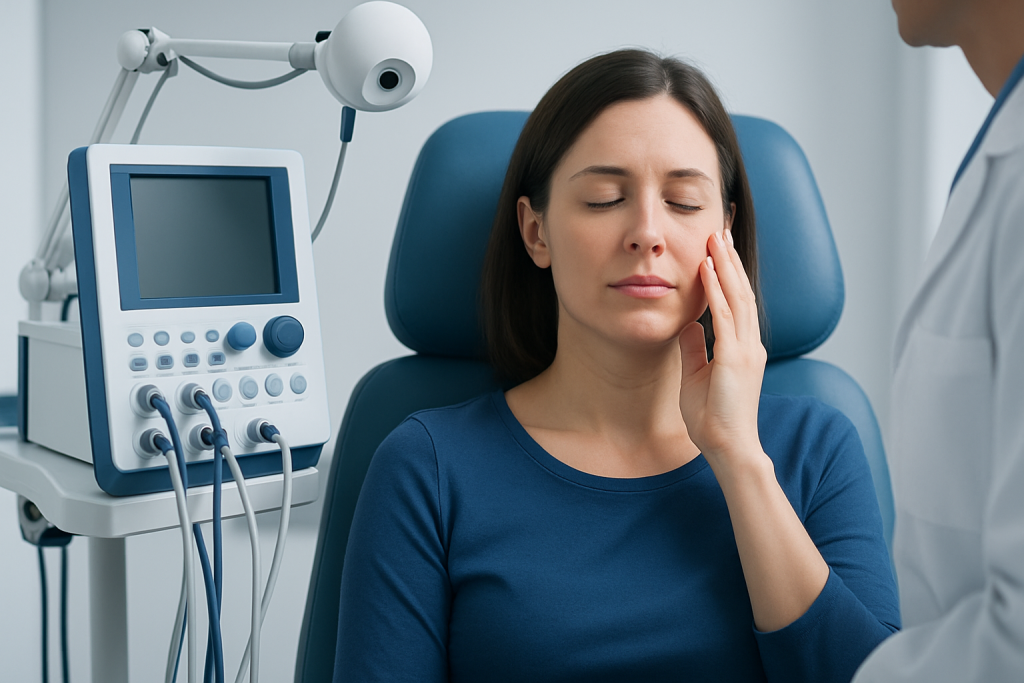
Facial tingling may affect one small area, such as the cheek, lips, jaw, or chin, or it may involve one whole side of the face. Some people notice it only for seconds or minutes, while others experience recurrent episodes or a more persistent altered sensation. The feeling may be subtle or distracting, and it can occur with or without visible changes.
It may appear alongside other sensory symptoms, including numbness, burning, sharp nerve-like pain, pressure, or increased sensitivity to touch. In some people it is linked to specific triggers such as stress, cold air, chewing, prolonged posture, neck tension, or headaches. In others, it follows a dental procedure, viral illness, or skin eruption.
Patterns that help guide diagnosis include:
- Sudden onset: raises concern for vascular or neurological causes, especially if combined with weakness or speech change.
- Intermittent episodes: can occur with migraine, anxiety, hyperventilation, or intermittent nerve irritation.
- Persistent symptoms: may suggest nerve inflammation, vitamin deficiency, chronic dental or sinus disease, or another underlying disorder.
- One-sided symptoms: are more typical of nerve, migraine, shingles, Bell’s palsy, or stroke-related causes.
- Bilateral symptoms: may be seen with anxiety-related breathing changes, metabolic causes, or generalized nerve problems.
Common causes and risk factors

One common explanation for tingling in face is irritation of the trigeminal nerve, the main sensory nerve of the face. This can happen with inflammation, pressure from surrounding tissues, or after procedures involving the teeth or jaw. Conditions affecting the neck, jaw joint, or posture may also contribute by increasing muscle tension and changing how nearby nerves are compressed or perceived.
Migraine is another important cause. Some people develop facial tingling as part of a migraine aura, with or without severe head pain. Stress and anxiety can also cause facial tingling, especially when rapid breathing changes carbon dioxide levels and leads to tingling around the mouth or in the hands and face. Although the sensation is real, it still needs proper assessment if it is new or recurrent.
Local problems in the face can also trigger symptoms. Examples include sinus inflammation, dental abscess, gum disease, impacted teeth, or temporomandibular joint problems. Viral infections such as shingles may affect facial nerves and can cause tingling before a rash appears. In some cases, facial tingling may occur with trigeminal neuralgia, although that condition is more classically known for brief, severe facial pain.
Less common but medically important causes include vitamin deficiencies, low calcium, diabetes-related nerve disease, multiple sclerosis, autoimmune conditions, and reduced blood flow to the brain. Sudden facial tingling can also appear with stroke or transient ischemic attack, especially if there is facial droop, arm weakness, confusion, trouble speaking, or vision loss. Risk factors for more serious causes include older age, smoking, high blood pressure, diabetes, high cholesterol, irregular heart rhythm, and a history of vascular disease.
How doctors diagnose the cause
Diagnosis begins with a careful history. A doctor will ask when the tingling started, whether it is one-sided, how long it lasts, what other symptoms occur with it, and whether there were recent dental treatments, infections, headaches, injuries, or periods of intense stress. This conversation often provides the most important clues.
The physical examination may include a neurological assessment of facial sensation, strength, reflexes, coordination, speech, balance, and eye movements. The doctor may also examine the ears, nose, throat, skin, jaw, teeth, and neck, depending on the suspected source. If facial weakness is present, the evaluation may include conditions such as facial paralysis or Bell’s palsy.
Further testing is tailored to the situation rather than done routinely for everyone. Depending on the findings, tests may include blood work to look for vitamin or metabolic problems, dental imaging, or advanced imaging such as MRI or CT scan if a structural, inflammatory, or vascular cause is suspected. In selected cases, patients may be referred to neurology, dentistry, ENT, or another specialist for a more focused evaluation.
Treatment options for tingling in face
Treatment depends on the underlying cause, so there is no single remedy that fits every case. When facial tingling is linked to a temporary and harmless trigger, such as brief pressure on a nerve or stress-related hyperventilation, symptoms may improve with reassurance, slower breathing, posture changes, hydration, rest, and avoidance of the trigger. If the symptom is caused by a dental or sinus problem, treating that source often resolves the tingling.
For migraine-related facial tingling, treatment focuses on migraine management, including trigger control and, when appropriate, medicines recommended by a physician. If a viral cause such as shingles is suspected, prompt medical treatment can reduce complications. Nerve pain syndromes may need medications, targeted procedures, or specialist follow-up, especially if pain is severe or recurrent.
When the cause is neurological or vascular, treatment becomes more urgent and specific. Sudden facial tingling with stroke-like symptoms requires emergency assessment and often rapid imaging such as brain MRI or other stroke evaluation tools. Persistent or unexplained symptoms may also need a multidisciplinary approach. Near the end of the diagnostic pathway, some patients choose centers such as Acibadem International, where multidisciplinary specialists in JCI-accredited hospitals assess and treat neurological, vascular, dental, and ENT causes for international patients.
Prevention and self-care
Not every cause of tingling in face can be prevented, but some practical measures may lower the chance of common triggers. Good sleep, regular meals, hydration, and stress management may help people whose symptoms are related to migraine or anxiety. Gentle attention to posture, neck strain, and jaw clenching can also be useful, especially for those who spend long periods at a desk or frequently tighten facial muscles under stress.
Dental care matters because infections and bite problems can contribute to facial symptoms. Routine checkups, prompt treatment of tooth pain, and protection against grinding when recommended by a dentist may reduce risk. People with sinus problems may also benefit from managing allergies or chronic nasal inflammation under medical guidance.
General health habits support nerve and vascular health as well. These include not smoking, keeping blood pressure and blood sugar under control, eating a balanced diet, and discussing persistent numbness or tingling with a clinician rather than self-diagnosing. Self-care is reasonable for mild, short-lived symptoms, but repeated episodes should still be reviewed by a qualified doctor.
When to seek medical care
Prompt medical care is important if tingling in face starts suddenly, especially when it involves only one side and is paired with facial drooping, arm or leg weakness, trouble speaking, severe headache, confusion, loss of balance, or vision changes. These symptoms can suggest a stroke or another urgent neurological problem and should be treated as an emergency.
Medical review is also recommended if facial tingling lasts more than a short time, keeps coming back, wakes a person from sleep, or spreads to other parts of the body. New symptoms such as rash, significant facial pain, hearing changes, fever, dental swelling, or difficulty chewing or swallowing should also be checked promptly.
If the symptom follows a dental procedure, facial injury, or infection and does not improve as expected, further assessment may be needed. A clinician can help determine whether the cause is likely to be local and temporary or whether it points to a nerve, brain, or vascular condition that needs more detailed testing.
Frequently asked questions
Is tingling in face always serious?
No. Tingling in face is often caused by temporary or treatable issues such as stress, migraine, a dental problem, or local nerve irritation. However, sudden symptoms or tingling with weakness, facial droop, or speech trouble should be treated urgently.
Can anxiety cause facial tingling?
Yes. Anxiety can contribute to facial tingling, especially when it leads to rapid breathing or muscle tension. Even so, new or recurrent symptoms should not automatically be blamed on anxiety without medical assessment.
What is the difference between facial tingling and numbness?
Tingling usually refers to pins-and-needles or prickling, while numbness means reduced or absent sensation. The two can occur together, and both may reflect nerve irritation or another underlying condition.
Can a tooth problem cause tingling in face?
Yes. Dental infection, nerve irritation from tooth disease, an impacted tooth, or even some dental procedures can affect facial sensation. If tingling is paired with toothache, gum swelling, or jaw pain, a dental cause should be considered.
How is tingling in face diagnosed?
Doctors diagnose it by combining symptom history, physical examination, and targeted tests when needed. Depending on the situation, this may include blood tests, dental evaluation, neurological assessment, or imaging such as CT or MRI.
When should someone go to the emergency room for facial tingling?
Emergency care is important if facial tingling begins suddenly and comes with facial drooping, weakness, trouble speaking, confusion, severe headache, or vision loss. These may be signs of stroke or another urgent neurological condition.
References
- National Institute of Neurological Disorders and Stroke
- American Stroke Association
- Mayo Clinic
- National Health Service
- Cleveland Clinic
This article is for general information only and is not a substitute for professional medical advice. Please consult a qualified doctor about your individual situation.
Explore treatments in Turkey — costs, top hospitals & a free quote
JCI-accredited · board-certified surgeons · reply within 24h
Add us as a Preferred Source to see more of our trusted health content across Google Search, AI Overviews and Discover.

More from the Health Library

Dark Inner Thighs with Blackheads: An Evidence-Based Guide for Patients

Stool Is Yellow Mucus: A Complete Medical Overview

Elisa Yao: Assessing Unverified Health Claims

Cyclosporine: A Complete Medical Overview

Sedentary: What Patients Need to Know