Why Does My Hair Hurt? Here Is What the Evidence Says

Hair pain usually means scalp tenderness rather than pain in the hair shaft itself. Common triggers include tight hairstyles, product buildup, skin irritation, headaches, and scalp conditions.
Key Takeaways
- Hair pain usually means scalp tenderness rather than pain in the hair shaft itself.
- Common triggers include tight hairstyles, product buildup, skin irritation, headaches, and scalp conditions.
- Red flags include swelling, pus, fever, patchy hair loss, a spreading rash, or pain that keeps returning.
- Doctors diagnose the cause by asking about symptoms, examining the scalp, and sometimes doing skin or blood tests.
- Treatment depends on the cause and may include removing triggers, treating inflammation or infection, and managing headache or nerve pain.
Hair itself does not contain pain nerves, so the feeling that “hair hurts” usually comes from the scalp, hair roots, or nearby nerves and muscles. In many cases it is harmless and short-lived, but persistent pain, rash, hair loss, or signs of infection should be checked by a doctor.
Overview: why hair can feel painful
When someone asks, why does my hair hurt, the most accurate answer is that the discomfort usually comes from the scalp, not the hair itself. Hair shafts are made of keratin and do not feel pain. The painful sensation tends to arise from the skin around the hair follicles, the tiny muscles attached to follicles, or nearby nerves and blood vessels in the scalp.
In everyday life, this sensation is often described as sore roots, pain when moving the hair, tenderness at the crown, or discomfort after wearing the hair up. In many people, the cause is minor and temporary, such as tension from a hairstyle, scalp irritation, sun exposure, or sensitivity during a headache. The discomfort often settles once the trigger is removed.
That said, scalp pain can also be a clue to a skin condition, inflammation, infection, or a headache disorder. The helpful question is not whether hair can hurt, but what is making the scalp feel painful. Looking at the pattern of symptoms, how long they last, and whether there are other changes such as itching, flaking, or hair loss can point to the cause.
What the sensation may feel like
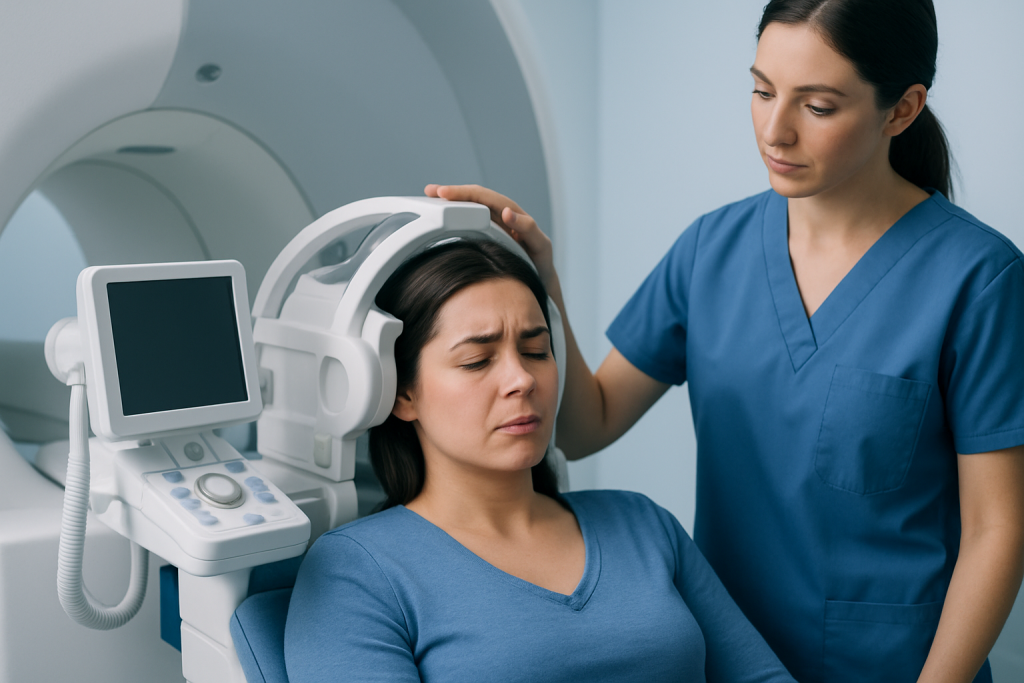
People describe hair pain in different ways. It may feel like tenderness when touching the scalp, stinging when moving the hair, burning, aching, tingling, or a bruised feeling at the roots. Some notice it only after a ponytail, braid, bun, wig, or extensions. Others feel it during a migraine or when the scalp is irritated by dye, dry shampoo, or strong hair products.
The timing can be useful. Discomfort that starts after a tight hairstyle and eases after the hair is let down commonly reflects traction or scalp tension. Pain paired with flakes, redness, or itching may suggest inflammation of the scalp. Pain with one-sided headache, light sensitivity, or nausea may fit a migraine pattern rather than a primary scalp problem.
Sometimes the scalp looks completely normal even though it feels sensitive. This can happen with tension-type headaches, migraine, stress-related muscle tightness, or nerve sensitivity. In other cases, visible findings such as bumps, scaling, pus-filled spots, or patchy thinning give more direct clues and should not be ignored.
- Tenderness when hair is moved
- Soreness after tight styling
- Burning or stinging scalp
- Pain with itching, redness, or flaking
- Scalp sensitivity during headaches
Common causes and risk factors
One of the most common causes is traction, meaning pull on the hair and scalp from tight hairstyles, hair extensions, heavy braids, or head coverings that create pressure. This can irritate hair follicles and the surrounding scalp. Repeated tension may also increase the risk of breakage and a form of hair loss called traction alopecia.
Scalp inflammation is another frequent reason. Conditions such as dandruff, seborrheic dermatitis, eczema, psoriasis, and contact dermatitis can make the scalp sore as well as itchy or flaky. Hair dye, bleach, fragranced products, and some shampoos may trigger irritation in sensitive skin. Folliculitis, which is inflammation or infection around hair follicles, can cause tender bumps or pustules.
Headache and nerve-related causes are also important. Migraine can make the scalp feel painful or overly sensitive, a symptom sometimes called allodynia. Tension in the scalp, forehead, neck, and shoulders may also contribute to soreness. In some people, scalp pain follows stress, poor sleep, illness, or prolonged pressure from helmets, hats, or hairstyles.
Less commonly, sunburn, shingles, fungal infection, autoimmune inflammation, or referred pain from the neck may be involved. Risk rises when there is very frequent heat or chemical styling, a history of skin sensitivity, recurrent headaches, immune suppression, or ongoing hair pulling or friction.
When a doctor may look for an underlying condition
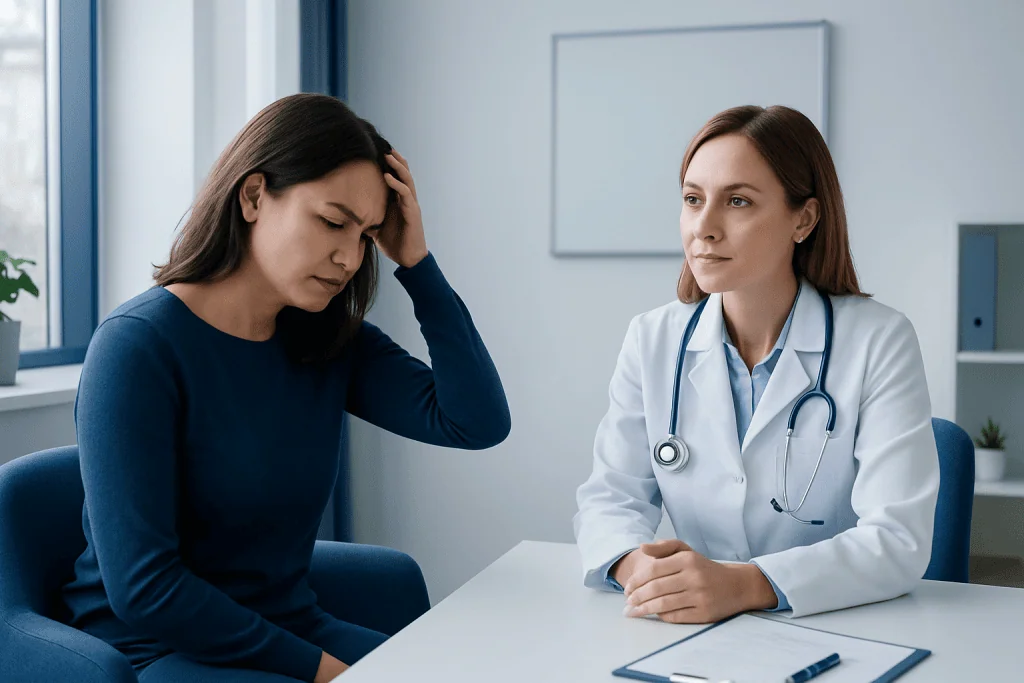
Most short-lived scalp tenderness is harmless, but some symptoms deserve medical review. A doctor should assess pain that lasts more than a few days without a clear trigger, keeps returning, or becomes more severe. Medical attention is also important if the scalp pain comes with a rash, swelling, oozing, fever, enlarged lymph nodes, or areas of noticeable hair loss.
Patchy hair shedding, broken hairs, scaling, or scarring can point to a dermatologic cause rather than simple irritation. Some inflammatory scalp disorders can damage follicles if left untreated. If the pain occurs with severe headaches, visual changes, dizziness, weakness, or facial symptoms, urgent assessment may be needed to rule out a neurological or vascular problem.
People with diabetes, immune suppression, recent chemotherapy, or a known skin disease should be especially careful with signs of infection or rapid scalp changes. Children with scalp pain and patchy hair loss also need assessment because fungal infections of the scalp can spread and usually need prescription treatment.
Acibadem International’s multidisciplinary specialists in dermatology, neurology, and related fields evaluate scalp pain and associated hair concerns for international patients in JCI-accredited hospitals when a cause is unclear or symptoms persist.
How doctors diagnose the cause
Diagnosis starts with a careful history. A doctor will usually ask when the pain began, whether it is constant or comes and goes, and whether there are triggers such as styling, hair products, headaches, stress, or illness. They may ask about itching, burning, dandruff, discharge, fever, hair shedding, and any family history of skin or hair disorders.
The scalp examination is often the most important step. The doctor looks for redness, scaling, tenderness, pustules, crusting, rash, signs of scratching, and patterns of hair thinning. They may gently move the hair to reproduce the discomfort, check the hairline for traction changes, and examine the neck, ears, and lymph nodes as well.
When needed, additional tests may be used. These can include dermoscopy or trichoscopy to view the scalp and follicles in detail, a swab or culture if infection is suspected, or blood tests if there are signs of inflammation, nutritional issues, or autoimmune disease. A dermatologist may evaluate unexplained scalp disorders in more depth, while persistent headache-related scalp pain may lead to neurology evaluation.
If significant hair loss is part of the picture, a doctor may investigate broader causes of hair loss rather than focusing only on pain. In unclear cases, patch testing for product allergy or, less commonly, a scalp biopsy may help confirm the diagnosis.
Treatment options and symptom relief
Treatment depends on the cause. If the problem is mechanical tension, the first step is to loosen hairstyles, remove extensions or tight clips, and avoid repeated pulling on the same areas. Scalp discomfort from this cause often improves within hours to a few days. Switching to gentler styling habits can also help prevent recurrence.
For inflammatory scalp conditions, treatment may include medicated shampoos, topical anti-inflammatory medicines, or other prescription therapies chosen by a doctor. If there is folliculitis or another infection, treatment may involve antiseptic care or prescription medicine depending on whether the cause is bacterial, fungal, or inflammatory. Patients should avoid picking or scrubbing the scalp aggressively, as this can worsen irritation.
If symptoms are linked to migraine or headache disorders, treating the underlying headache pattern is usually more effective than focusing on the scalp alone. A clinician may discuss hydration, sleep regulation, trigger management, and formal migraine treatment if symptoms fit that diagnosis. Nerve-related pain or persistent scalp sensitivity may occasionally need specialist review.
When hair loss and tenderness occur together, treatment may be directed at both the scalp inflammation and the thinning itself. Depending on the diagnosis, some patients may benefit from specialist hair restoration evaluation after active scalp disease is controlled, but only when it is appropriate and not during active inflammation or infection.
Self-care and prevention
Simple measures can reduce irritation and help the scalp recover. It often helps to wear hair down for a period, avoid tight braids or buns, and limit heavy extensions. Gentle cleansing with a mild shampoo may calm product buildup or sweat-related irritation. If a new product seems to trigger symptoms, stopping it and avoiding similar ingredients is sensible until a clinician advises otherwise.
Heat, bleach, frequent coloring, and harsh exfoliation can all increase scalp sensitivity. Using lower heat settings, spacing out chemical treatments, and not scratching the scalp can make a meaningful difference. People who are prone to dandruff or eczema may benefit from regular scalp care tailored to their skin type.
General health habits matter too. Adequate sleep, hydration, stress management, and headache control may lower scalp sensitivity in some people. Sun protection for the scalp, especially on thinning areas or a part line, may help prevent sunburn-related soreness.
- Avoid tight hairstyles and repeated pulling
- Use gentle shampoos and rinse thoroughly
- Pause irritating products if symptoms begin
- Protect the scalp from excess heat and sun
- Seek review if pain keeps returning or comes with hair loss
When to seek medical care
Medical care is worth seeking if scalp pain is severe, does not improve, or keeps coming back. A person should also arrange an assessment if there is visible rash, pus, crusting, swelling, bad odor, fever, or tenderness in only one area that is getting worse. These features may suggest infection or significant inflammation.
Urgent evaluation is more important if scalp tenderness happens with sudden severe headache, visual symptoms, confusion, weakness, numbness, or facial drooping. Although many cases are harmless, these symptoms are not typical of simple hair-root tenderness and should be assessed promptly.
Hair pain with progressive thinning, broken hairs, or patchy bald spots should also be checked, particularly if styling tension is involved or if there is known psoriasis, eczema, or recent chemical treatment. If symptoms are ongoing, a dermatologist may recommend a detailed dermatology assessment to identify the exact cause and guide treatment.
Frequently asked questions
Can hair itself actually hurt?
Hair shafts do not contain pain nerves, so the painful feeling usually comes from the scalp, hair follicles, or nearby nerves and muscles. That is why people often notice tenderness when moving the hair or touching the roots.
Why does my hair hurt after wearing it up?
This commonly happens because a tight ponytail, bun, braid, or extensions pull on the hair follicles and scalp. Once the tension is removed, the soreness often improves, but repeated tight styling can lead to ongoing irritation or traction-related hair loss.
Is scalp pain a sign of hair loss?
Not always. Many people have temporary scalp tenderness without losing hair. However, if pain occurs with shedding, broken hairs, or thinning patches, a doctor should assess for inflammation, traction alopecia, or another scalp disorder.
Can dandruff or psoriasis make the hair roots hurt?
Yes. Scalp conditions that cause inflammation can make the skin around the follicles tender as well as itchy or flaky. Treating the underlying scalp condition usually helps the soreness improve.
Should the scalp be washed more often when it feels sore?
It depends on the cause. Gentle washing may help if sweat, oil, or product buildup is irritating the scalp, but frequent harsh washing or scrubbing can worsen sensitivity. A mild routine is usually best until the cause is clearer.
When is sore scalp an emergency?
Most cases are not emergencies. Urgent care is important if scalp pain comes with a sudden severe headache, vision changes, weakness, confusion, fever, or a rapidly spreading rash or swelling.
References
- American Academy of Dermatology
- National Health Service
- Mayo Clinic
- National Institute of Arthritis and Musculoskeletal and Skin Diseases
- Cleveland Clinic
This article is for general information only and is not a substitute for professional medical advice. Please consult a qualified doctor about your individual situation.
Hair transplant in Turkey — costs, graft counts & a free assessment
JCI-accredited · board-certified surgeons · reply within 24h
Add us as a Preferred Source to see more of our trusted health content across Google Search, AI Overviews and Discover.

More from the Health Library



Related Specialists

Dr. Gülin Muradiye Öztürk
Radiology
Prof. Dr. Faik Acar Koç
Perinatology & High Risk Pregnancies
Dr. Şekip Şimşek
Internal Medicine
Prof. Dr. Salim Başol Tekin
Hematology