How to Get Rid of Whiteheads? Here Is What the Evidence Says

Whiteheads form when pores become blocked with oil and dead skin cells and the opening stays closed. Gentle cleansing and non-comedogenic skin care are the foundation of treatment.
Key Takeaways
- Whiteheads form when pores become blocked with oil and dead skin cells and the opening stays closed.
- Gentle cleansing and non-comedogenic skin care are the foundation of treatment.
- Over-the-counter ingredients such as salicylic acid, benzoyl peroxide, and adapalene may help, depending on skin type and acne pattern.
- Squeezing whiteheads can worsen inflammation, increase irritation, and raise the risk of marks or scarring.
- A doctor should assess persistent, widespread, painful, or scarring acne, or skin changes that do not clearly look like whiteheads.
Whiteheads are very common and are usually harmless, though they can be frustrating. The most effective way to get rid of whiteheads is to use gentle skin care, avoid picking, and choose evidence-based acne treatments that help keep pores from clogging.
Overview: what works for whiteheads
For most people, whiteheads can be improved with a consistent skin-care routine and treatments that prevent pores from clogging. In practical terms, that usually means washing gently, avoiding heavy or pore-clogging products, not picking at the bumps, and using ingredients such as salicylic acid or adapalene if the skin tolerates them.
Whiteheads are a mild form of acne. They are also called closed comedones because the pore opening remains covered at the surface of the skin. This traps oil, dead skin cells, and debris inside the pore, creating a small, pale or skin-colored bump.
They are often harmless and common on the face, forehead, chin, and sometimes the chest or back. Still, medical review is a good idea if the bumps are painful, rapidly worsening, causing scars, or if there is any doubt that they are actually whiteheads rather than another skin condition.
What whiteheads look like and why they happen
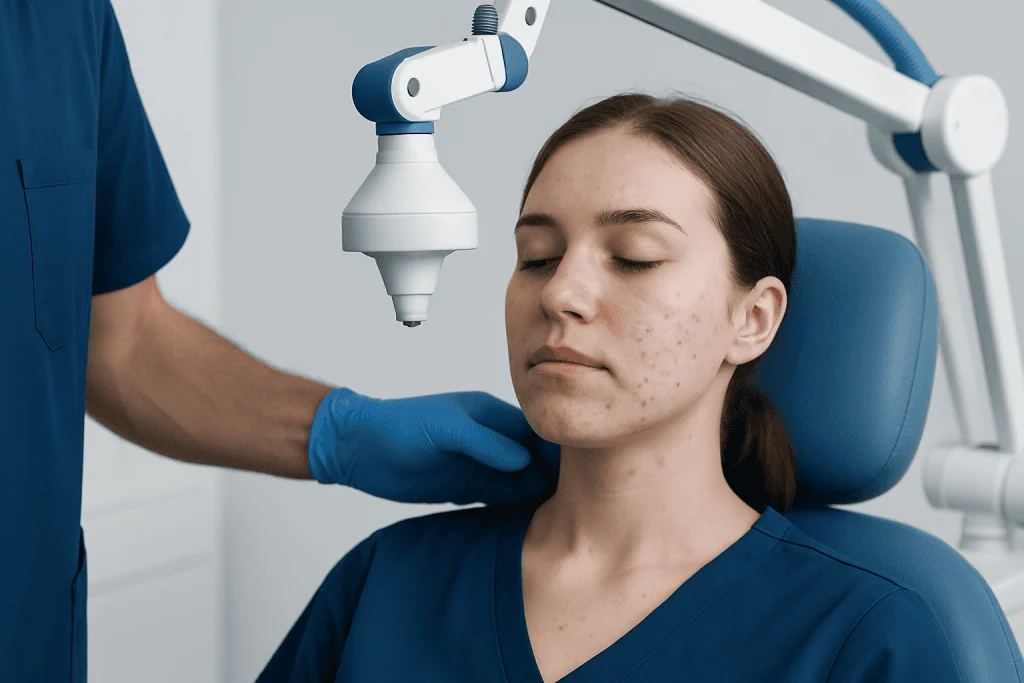
Whiteheads usually appear as tiny, firm bumps under the skin or just at the surface. Unlike blackheads, they do not have a dark center because the pore remains closed. They are not caused by poor hygiene, and scrubbing harder does not remove them.
The basic process begins when excess sebum, shed skin cells, and sometimes skin-care residue collect in a hair follicle. If the plug stays beneath a thin layer of skin, it forms a whitehead. This process is often influenced by hormones, skin sensitivity, and the type of products used on the skin or hair.
Whiteheads can occur on their own, but they may also be part of broader acne patterns that include blackheads, papules, pustules, or deeper nodules. Understanding the type of breakout matters because the best treatment plan depends on whether the problem is mostly clogged pores, inflammation, or both.
Common triggers and risk factors

Several factors can make whiteheads more likely. Oily skin, hormonal changes during puberty or adulthood, family history, sweating under tight clothing, and certain cosmetics or sunscreens can all contribute. Hair products, especially heavier oils and pomades, may trigger bumps along the hairline and forehead.
Friction and occlusion can also play a role. Masks, helmets, headbands, and frequent touching of the face may worsen clogged pores in some people. Stress does not directly cause whiteheads, but it can influence behaviors and hormones that make breakouts harder to control.
Some medicines may aggravate acne-like eruptions. In addition, products labeled as natural are not always acne-friendly; some botanical oils and thick creams can be highly occlusive. Helpful choices are usually described as non-comedogenic, oil-free, or designed for acne-prone skin.
- Hormonal fluctuations
- Oily or combination skin
- Heavy makeup or skin-care products
- Hair oils and pomades
- Heat, humidity, and friction
- Picking or aggressive exfoliation
How to get rid of whiteheads at home
The most effective home approach is steady, gentle care rather than harsh treatments. Washing the face twice daily with a mild cleanser can remove excess oil and residue without damaging the skin barrier. If makeup or sunscreen is worn, careful removal at the end of the day is important.
For treatment, salicylic acid can help loosen and clear clogged pores, while adapalene helps normalize skin cell turnover and prevent new comedones. Benzoyl peroxide may be more helpful when whiteheads occur alongside red, inflamed acne lesions. These products can irritate sensitive skin, so starting slowly and using a plain moisturizer can improve tolerance.
It is best not to squeeze whiteheads. Mechanical pressure can push material deeper, irritate surrounding skin, and increase the chance of post-inflammatory marks. Very rough scrubs, frequent peeling products, and home extraction tools can also make the skin more inflamed.
If whiteheads are persistent, a dermatologist may recommend acne treatment tailored to the skin type and acne severity. For some people, in-office options such as professional extraction or chemical peels may be appropriate when clogged pores do not improve with routine skin care alone.
How doctors assess whiteheads
Diagnosis is usually made by examining the skin. A doctor looks at the size, distribution, and type of bumps, asks how long they have been present, and reviews skin-care products, medicines, menstrual or hormonal patterns, and previous treatments. In many cases, no special tests are needed.
The aim of assessment is not only to confirm that the bumps are whiteheads, but also to rule out look-alike conditions. Milia, folliculitis, rosacea-related bumps, perioral dermatitis, and some allergic or irritant reactions can resemble whiteheads but need different treatment.
If acne is severe, scarring, or resistant to treatment, the doctor may explore hormonal factors or other contributing conditions. When symptoms suggest a more complex skin disorder, referral for dermatology care can help guide a safer and more effective plan.
Treatment options when whiteheads do not improve
If over-the-counter products are not helping after several weeks, prescription treatment may be considered. Topical retinoids are commonly used because they target clogged pores directly. Depending on the overall acne pattern, doctors may also recommend other topical medicines to reduce inflammation or bacterial overgrowth.
When hormonal factors seem important, especially in adults with recurring jawline breakouts, treatment may need a broader medical review. A doctor can decide whether prescription options are suitable and safe based on age, pregnancy considerations, skin sensitivity, and other health factors.
In-office treatments can sometimes help with stubborn comedones. These may include careful extraction, certain peels, or a wider plan for acne management if whiteheads are only one part of the problem. The goal is usually to reduce active lesions, prevent new ones, and lower the risk of marks and scars.
Near the end of a treatment journey, some people also ask about leftover texture changes or scars from past acne. In selected cases, doctors may discuss options linked to acne scars once active breakouts are under better control.
Prevention and skin-care habits that help
Preventing whiteheads often depends on simple habits repeated consistently. Gentle cleansing, regular but not excessive washing, and choosing non-comedogenic moisturizers and sunscreens help reduce pore blockage. Makeup brushes, pillowcases, and items that touch the face should be kept reasonably clean, though there is no need for excessive disinfection.
It may help to introduce only one new active product at a time. This makes it easier to tell what is helping and what is irritating the skin. Many people stop treatment too early, but acne care often needs patience because clogged pores can take weeks to improve.
Lifestyle changes alone do not cure whiteheads, but practical steps can support treatment. Showering after heavy sweating, keeping hair products off the face, and avoiding tight, occlusive gear when possible may reduce flare-ups. A balanced routine is usually more effective than frequent switching between products.
When to seek medical care
Whiteheads are usually not dangerous, but certain warning signs deserve professional attention. A doctor should assess bumps that are painful, swollen, widespread, leaving scars, or not improving after consistent home care. Review is also sensible when the diagnosis is uncertain or the lesions seem different from typical acne.
Urgent assessment may be needed if there is severe redness, spreading infection, fever, significant swelling around the eyes, or a sudden rash after starting a new product. These features suggest the problem may not be simple whiteheads.
Acibadem International’s multidisciplinary specialists and JCI-accredited hospitals diagnose and treat skin conditions for international patients. If whiteheads are persistent or part of more significant acne, a qualified doctor can help confirm the cause and build a treatment plan that fits the person’s skin and overall health.
Frequently asked questions
What is the fastest way to get rid of whiteheads?
There is rarely an instant fix, but the fastest safe approach is gentle cleansing, avoiding squeezing, and using a proven acne treatment such as salicylic acid or adapalene if appropriate. Professional extraction by a trained clinician may help selected stubborn whiteheads, but home picking often makes them worse.
Should whiteheads be popped?
In general, no. Popping whiteheads can irritate the skin, push material deeper into the pore, and increase the risk of dark marks, infection, or scarring. A safer option is consistent treatment and, if needed, professional evaluation.
How long do whiteheads take to go away?
Some whiteheads settle within days, but many improve gradually over several weeks with regular care. Treatments that prevent clogged pores usually need time, so it is common not to see full benefit immediately.
Why do I keep getting whiteheads even though I wash my face?
Whiteheads are not simply a hygiene problem. They often reflect oil production, skin cell turnover, hormones, and the effect of products on the skin, so washing alone may not prevent them. Overwashing can also irritate the skin and sometimes worsen breakouts.
Which ingredients help whiteheads most?
Ingredients commonly used for whiteheads include salicylic acid, adapalene, and sometimes benzoyl peroxide if inflamed acne is also present. The best choice depends on skin sensitivity, pregnancy considerations, and whether the breakouts are mostly clogged pores or mixed with redness and pustules.
Can moisturizer make whiteheads worse?
A heavy or occlusive moisturizer can contribute in some people, but many acne-prone skin types still need moisture. Non-comedogenic, fragrance-light formulas are often better tolerated and may reduce irritation from active treatments.
References
- American Academy of Dermatology
- National Institute of Arthritis and Musculoskeletal and Skin Diseases
- Mayo Clinic
- National Health Service
- Cochrane
This article is for general information only and is not a substitute for professional medical advice. Please consult a qualified doctor about your individual situation.
Explore treatments in Turkey — costs, top hospitals & a free quote
JCI-accredited · board-certified surgeons · reply within 24h
Add us as a Preferred Source to see more of our trusted health content across Google Search, AI Overviews and Discover.

More from the Health Library



Related Specialists

Özge Bölükbaşı
Physical Medicine & Rehabilitation
Prof. Dr. Kağan Tun
Neurosurgery
Prof. Dr. Hülya Hamzaoğlu
Gastroenterology
Assoc. Prof. Dr. Nuri Peker
Gynecology & Obstetrics