Pimples in the Stomach: What Patients Need to Know
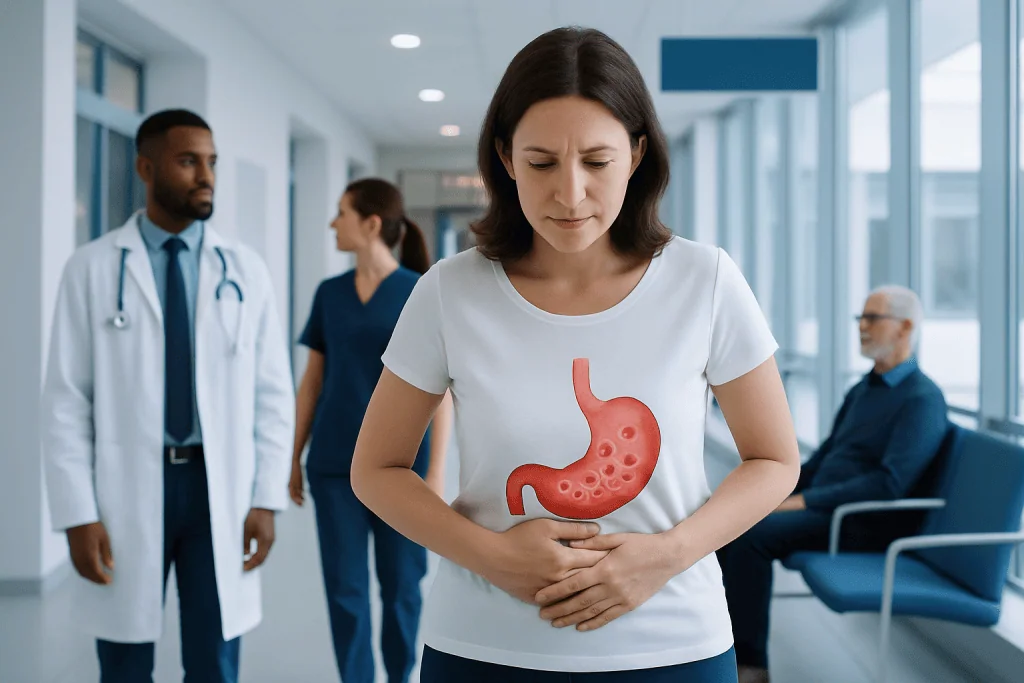
The phrase "pimples in the stomach" usually describes bumps on the abdominal skin rather than a problem inside the stomach. Common causes include folliculitis, acne, heat rash, contact irritation, and ingrown hairs.
Key Takeaways
- The phrase "pimples in the stomach" usually describes bumps on the abdominal skin rather than a problem inside the stomach.
- Common causes include folliculitis, acne, heat rash, contact irritation, and ingrown hairs.
- Painful, spreading, draining, or recurrent bumps should be assessed by a doctor.
- Gentle skin care, loose clothing, and avoiding squeezing the bumps can help prevent worsening.
- Diagnosis is often based on the appearance of the skin, but persistent cases may need further testing.
Pimples in the stomach usually means small acne-like bumps on the skin of the abdomen, not true pimples inside the stomach organ. These bumps are often linked to blocked hair follicles, irritation, sweat, friction, or mild skin infections, though some cases need medical evaluation.
Overview: what “pimples in the stomach” usually means
When people search for pimples in the stomach, they are usually describing small red, white, or pus-filled bumps on the skin of the abdomen. In most cases, these are not pimples inside the stomach organ. Instead, they are skin changes affecting hair follicles, sweat glands, or the outer skin layer of the belly.
This distinction matters because abdominal skin bumps and stomach pain are different medical concerns. Acne-like spots on the stomach area are commonly caused by irritation, blocked follicles, sweat, friction from clothing, or a mild bacterial or fungal overgrowth. Less often, they can be linked to inflammatory skin conditions or infections that need treatment.
Most abdominal pimples are not dangerous and improve with simple skin care. However, bumps that are very painful, rapidly spreading, associated with fever, or repeatedly returning should not be ignored. A clinician can help confirm whether the problem is acne, folliculitis, dermatitis, or another skin condition.
How these bumps can look and feel
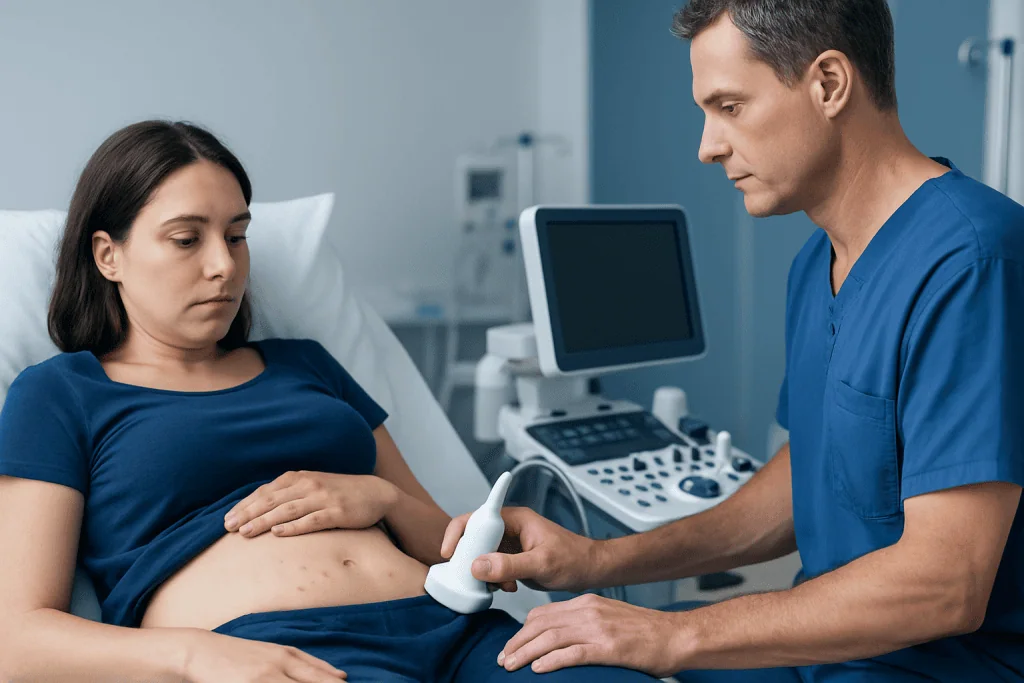
Pimples on the stomach can vary in appearance. Some are tiny red dots, while others look like whiteheads, tender pustules, or inflamed bumps centered around a hair follicle. The skin may feel itchy, sore, warm, or irritated, especially after sweating or shaving.
Symptoms often depend on the cause. Folliculitis usually appears as small red or pus-filled bumps around hairs. Heat rash tends to cause clusters of tiny itchy spots, especially in hot, humid conditions. Contact irritation from soaps, fabrics, or detergents may produce redness, burning, and scattered bumps rather than true acne.
People should pay attention to features that suggest a more significant problem. Warning signs include increasing redness, swelling, drainage of pus, crusting, a painful lump under the skin, or surrounding tenderness. A doctor may also consider other conditions such as eczema or fungal skin infections if the rash is itchy, patchy, or persistent.
- Small red or white bumps
- Itching or burning
- Tenderness or mild pain
- Pus-filled spots around hair follicles
- Rash that worsens with sweat or tight clothing
Common causes and risk factors
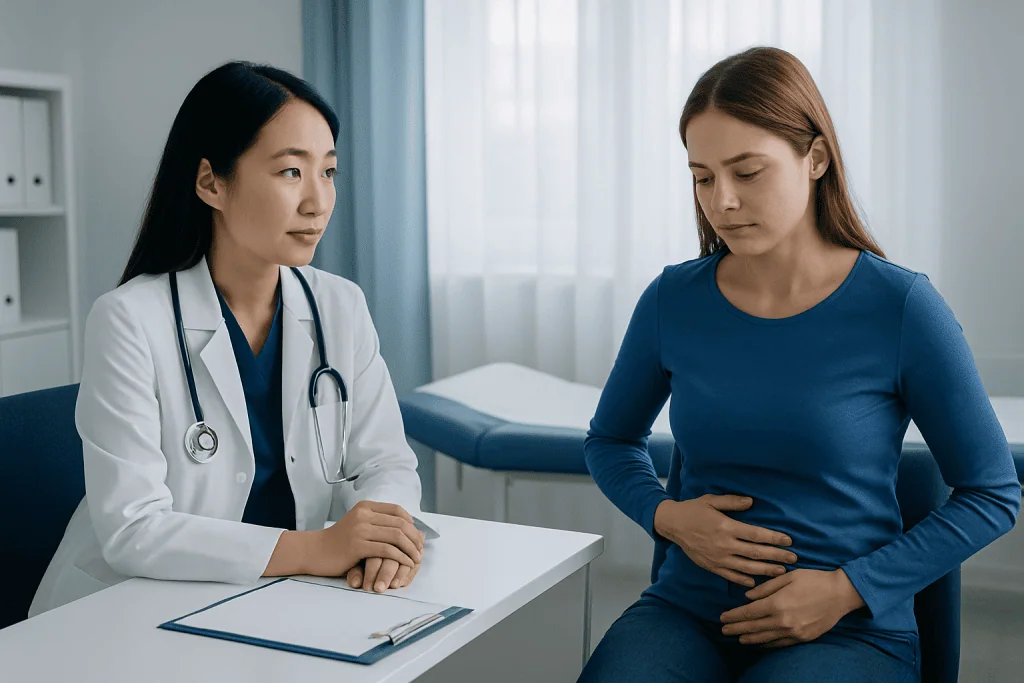
One of the most common causes of stomach pimples is folliculitis, which is inflammation of hair follicles. It can develop when follicles become blocked or irritated, or when bacteria or yeast multiply on the skin. This often happens after sweating, wearing tight clothes, shaving, or prolonged friction from waistbands and exercise clothing.
Acne can also affect the abdomen, although it is more common on the face, chest, and back. Excess oil, dead skin cells, and clogged pores may contribute to acne-like bumps on the stomach area. In some people, body lotions, occlusive creams, or heavy fabrics trap heat and moisture, making breakouts more likely.
Other possible causes include heat rash, ingrown hairs, insect bites, allergic or irritant contact dermatitis, and occasionally boils. Risk factors include humid weather, intense exercise, obesity, sensitive skin, recent antibiotic use, diabetes, and a weakened immune system. Some rashes may resemble pimples but actually represent other skin problems, including psoriasis or bacterial skin infection.
How doctors diagnose the cause
Diagnosis usually starts with a medical history and physical examination. A doctor will ask when the bumps started, whether they itch or hurt, if there has been recent shaving or sweating, and whether any new soaps, creams, or detergents were used. The location, pattern, and appearance of the bumps often give important clues.
In many cases, no complex tests are needed. If the rash is persistent, recurrent, or unusual, the clinician may take a skin swab or sample to check for bacteria or fungi. Rarely, a skin biopsy may be recommended when the diagnosis is unclear or when another inflammatory skin disease is suspected.
Doctors also look for signs that the bumps are part of a broader condition, such as diabetes-related skin infection, allergic dermatitis, or recurrent boils. If symptoms do not improve with basic measures, referral for dermatology evaluation can help identify the exact cause and guide treatment safely.
Treatment options for stomach pimples
Treatment depends on the underlying cause. Mild cases related to sweat, friction, or irritation often improve with gentle cleansing, keeping the skin dry, and avoiding tight clothing. Doctors may suggest fragrance-free skin care products and stopping harsh scrubs or oily creams that can block follicles.
If folliculitis is suspected, treatment may include antiseptic washes or prescription topical medicines. Bacterial cases may need antibiotic creams, while yeast-related folliculitis may respond to antifungal treatment. When inflamed acne-like bumps are more widespread, a clinician may recommend approaches similar to body acne care, sometimes through acne treatment.
For painful boils, deeper infection, or repeated flare-ups, oral medication or minor drainage procedures may occasionally be needed. It is best not to squeeze or pick at abdominal pimples, because this can worsen inflammation, spread infection, and increase the chance of scarring. If the rash is actually eczema or another inflammatory condition, treatment may focus on reducing irritation and restoring the skin barrier, sometimes with support from eczema treatment.
Self-care and prevention
Simple daily habits can lower the chance of developing pimples on the stomach. Showering after exercise, changing out of sweaty clothes promptly, and wearing loose, breathable fabrics can reduce friction and moisture buildup. Gentle cleansing once daily is usually enough; over-washing may irritate the skin further.
Choosing non-comedogenic and fragrance-free products may help people who are prone to body breakouts or skin sensitivity. Those who shave the abdomen should use clean tools and proper technique to reduce ingrown hairs and follicle irritation. It can also help to avoid heavy oils or thick creams on areas that sweat easily.
If bumps appear repeatedly, keeping a symptom diary may be useful. Patients can note whether flare-ups follow exercise, hot weather, a new laundry detergent, or certain skin products. If self-care does not lead to improvement within a reasonable time, medical advice is appropriate to prevent repeated inflammation and scarring.
- Shower after sweating
- Wear loose cotton or breathable fabrics
- Avoid squeezing or scratching the bumps
- Use mild, fragrance-free cleansers
- Change razors and avoid aggressive shaving
When to seek medical care
Medical review is a good idea if stomach pimples do not improve, keep coming back, or are getting worse. A doctor should also assess bumps that are very painful, large, warm, draining pus, or surrounded by spreading redness. These features can suggest deeper infection or another condition that needs targeted treatment.
Prompt medical care is especially important if skin bumps are accompanied by fever, significant swelling, or feeling generally unwell. People with diabetes, immune system disorders, or ongoing skin disease should be more cautious, since infections can become more complicated in these settings.
Specialist care may be helpful when the diagnosis is uncertain or standard treatment has not worked. Acibadem International’s multidisciplinary specialists and JCI-accredited hospitals diagnose and treat skin and related medical conditions for international patients, including complex or recurrent cases that may benefit from coordinated assessment.
Frequently asked questions
Can pimples really form inside the stomach?
No, true pimples do not form inside the stomach organ the way they do on skin. When people say "pimples in the stomach," they usually mean bumps on the skin of the abdomen or around the belly area.
Are stomach pimples a sign of poor hygiene?
Not usually. They are often related to sweat, friction, clogged follicles, shaving, or skin sensitivity rather than poor hygiene. In fact, scrubbing too hard can sometimes make the problem worse.
Should abdominal pimples be popped?
It is best not to pop them. Squeezing can push inflammation deeper, increase the risk of infection, and lead to marks or scarring. Gentle care and proper treatment are safer.
How long do pimples on the stomach usually last?
Mild bumps from irritation or folliculitis may settle within days to a couple of weeks once the trigger is removed. If they persist, spread, or keep returning, a doctor should assess them.
What is the difference between folliculitis and acne on the stomach?
Folliculitis is inflammation of hair follicles and often appears as small tender or itchy pustules centered around hairs. Acne is linked more to clogged pores, oil, and inflammation, and may include whiteheads, red bumps, or deeper lesions.
When should someone worry about bumps on the stomach?
Medical care is important if the bumps are painful, rapidly worsening, draining pus, or associated with fever or spreading redness. Recurrent or unexplained bumps also deserve professional evaluation to confirm the cause.
This article is for general information only and is not a substitute for professional medical advice. Please consult a qualified doctor about your individual situation.
Hair transplant in Turkey — costs, graft counts & a free assessment
JCI-accredited · board-certified surgeons · reply within 24h
Add us as a Preferred Source to see more of our trusted health content across Google Search, AI Overviews and Discover.

More from the Health Library

Peeled Finger: A Complete Medical Overview

Lymphatic System: A Complete Medical Overview

Grey Pubic Hair: What Patients Need to Know

Stomach Cramps Upper — Explained by Medical Evidence, Not Myths

Dpo: An Evidence-Based Guide for Patients