Burning Sensation While Intercourse: A Complete Medical Overview
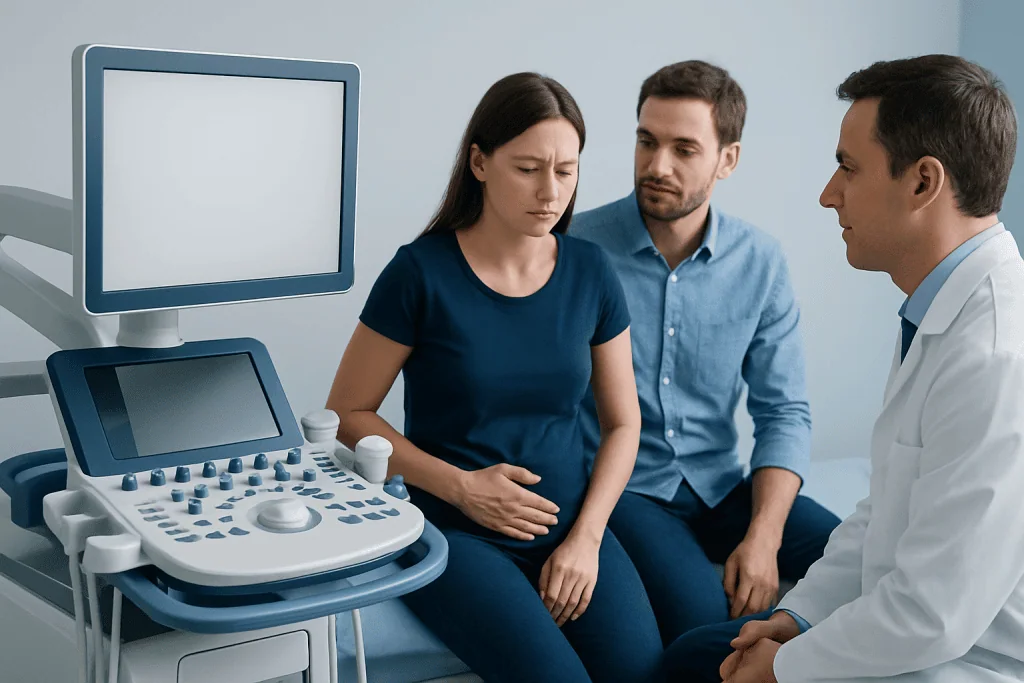
Burning during intercourse is a symptom, not a diagnosis, and it has several possible causes. Common reasons include vaginal dryness, skin irritation, infections, hormonal changes, and pelvic floor muscle tension.
Key Takeaways
- Burning during intercourse is a symptom, not a diagnosis, and it has several possible causes.
- Common reasons include vaginal dryness, skin irritation, infections, hormonal changes, and pelvic floor muscle tension.
- A medical evaluation may include a history, pelvic exam, and testing for infection or other underlying conditions.
- Treatment may involve lubricants, avoiding irritants, treating infection, hormone-based care, or pelvic floor therapy.
- New, worsening, or persistent pain should be discussed with a healthcare professional.
A burning sensation while intercourse is a common symptom that may be caused by vaginal dryness, irritation, infection, pelvic floor tension, or other gynecologic conditions. The best treatment depends on the cause, so persistent, severe, or recurrent symptoms should be assessed by a qualified doctor.
Overview
A burning sensation while intercourse often happens because the tissues of the vulva or vagina are irritated, dry, inflamed, or unusually sensitive. In some people, the discomfort is felt right at the vaginal opening, while in others it is deeper in the pelvis. Although it can be distressing, it is a symptom with many possible explanations, and many of them are treatable.
This symptom is sometimes grouped under the broader term dyspareunia, which means pain during sex. The burning may begin at penetration, during movement, or afterward. It may happen every time or only in certain situations, such as after childbirth, around menopause, during periods of stress, or after using a new soap or condom product.
Because several conditions can look similar, it helps to think about the details: whether there is dryness, itching, unusual discharge, pelvic pressure, skin changes, or pain at other times besides intercourse. Those clues often help a doctor identify the most likely cause and recommend the right treatment.
What the Symptom May Feel Like
People describe burning during intercourse in different ways. Some feel rawness, stinging, or friction at the entrance of the vagina. Others notice a deeper ache with a burning quality, especially during thrusting. The discomfort may stop soon after sex, linger for hours, or be followed by soreness when urinating if irritated tissue comes into contact with urine.
Burning may occur on its own or with other symptoms. These may include itching, redness, swelling, dryness, spotting after sex, unusual vaginal discharge, pelvic cramps, or a feeling of tightness. When symptoms involve the surrounding skin, the vulva may appear cracked, pale, or inflamed.
Symptom timing also matters. Burning that mainly follows friction may point toward dryness or irritation. Burning with discharge or odor may suggest infection. Pain that feels deep inside the pelvis, especially with periods or bowel symptoms, can sometimes be related to conditions such as endometriosis or other pelvic disorders.
Common Causes and Risk Factors
One of the most common causes is inadequate lubrication. Vaginal dryness may happen during breastfeeding, around menopause, after some cancer treatments, or as a side effect of certain medications. It can also happen when arousal is limited, even when there is no underlying disease. Dry tissue is more likely to become irritated by friction, leading to burning.
Irritation from products is another frequent reason. Scented soaps, bubble baths, detergents, vaginal sprays, douches, lubricants with irritating ingredients, latex sensitivity, and some condoms or spermicides can all trigger burning. Small tears in delicate tissue may also occur during sex, especially if the area is dry or inflamed.
Infections can also be responsible. Yeast infections may cause burning, itching, and thick discharge. Bacterial vaginosis can cause irritation and a change in odor. Sexually transmitted infections, including chlamydia, gonorrhea, herpes, and trichomoniasis, may cause pain, discharge, sores, or bleeding, though some people have few symptoms. A urinary tract infection can also cause burning that is noticed during or after sex.
Other medical causes include hormonal changes, vulvar skin conditions, pelvic floor muscle spasm, vulvodynia, and chronic pelvic disorders. In some people, fibroids or other uterine conditions may contribute to discomfort depending on where the pain is felt; when needed, evaluation for uterine fibroids or related conditions may be considered. Emotional stress, past painful experiences, and anxiety do not mean the pain is “just psychological,” but they can increase muscle tension and make symptoms more noticeable.
How Doctors Diagnose the Cause
Diagnosis starts with a careful conversation about symptoms. A doctor may ask where the burning occurs, when it started, whether it happens every time, and whether there are associated symptoms such as discharge, itching, bleeding, dryness, urinary discomfort, or pelvic pain. Questions about menstrual cycles, menopause, medications, childbirth, contraception, and previous infections can also be relevant.
A physical examination may include inspection of the vulva for redness, skin changes, sores, or tenderness, followed by a gentle pelvic exam if appropriate. The goal is to identify whether the pain seems to come from surface irritation, pelvic floor tightness, infection, or deeper pelvic structures. In some cases, a cotton-swab test may be used to map areas of sensitivity around the vaginal opening.
Additional tests depend on the suspected cause. A clinician may take vaginal swabs to check for yeast, bacterial vaginosis, or sexually transmitted infections. Urine testing may be ordered if a urinary tract infection is possible. If symptoms suggest a deeper gynecologic problem, imaging such as ultrasound may help assess the uterus, ovaries, or pelvis. Some patients may also need evaluation by specialists in gynecology, dermatology, urology, or pelvic floor rehabilitation.
Treatment Options
Treatment depends on the underlying cause. When dryness is the main issue, simple measures such as longer arousal time, avoiding friction, and using a gentle, unscented lubricant can help. Some people benefit from vaginal moisturizers used regularly. If hormone-related changes are contributing, a doctor may discuss options that support vaginal tissue health.
If there is an infection, treatment is directed at the specific organism. Yeast infections, bacterial vaginosis, and sexually transmitted infections each require different approaches, so self-treatment without a diagnosis is not always the best choice. If irritation is due to contact allergy or sensitivity, symptoms often improve by stopping the triggering product and using mild skin care.
For pelvic floor muscle tension or pain with penetration, pelvic floor physical therapy can be very helpful. Some patients also benefit from guided relaxation techniques, graduated vaginal dilators, or counseling when fear of pain has created a cycle of anticipation and tightening. When deeper conditions are suspected, treatment may be tailored after further gynecologic assessment, which can include gynecology evaluation and, in selected cases, laparoscopy.
Persistent pain should not be ignored or repeatedly managed with over-the-counter products alone. A clear diagnosis often leads to more effective relief and can help prevent ongoing discomfort, reduced intimacy, and anxiety around intercourse.
Self-care and Prevention
Self-care begins with protecting sensitive tissue. Choosing fragrance-free cleansers, avoiding douching, and rinsing with water rather than using harsh products on the vulvar area may reduce irritation. Cotton underwear, avoiding prolonged dampness, and changing out of sweaty exercise clothes can also support comfort.
During intercourse, adequate lubrication is important. Water-based or silicone-based lubricants are often better tolerated than heavily scented or warming products. If a particular condom, spermicide, or lubricant seems to trigger burning, switching products may help. It can also be useful to pause if pain starts rather than pushing through discomfort, which may worsen irritation or muscle tension.
General health habits matter as well. Managing chronic conditions such as diabetes, staying well hydrated, and discussing medication side effects with a clinician can be helpful. If symptoms are recurrent, keeping a simple record of timing, menstrual cycle changes, new products, and associated symptoms may make it easier to identify patterns before a medical visit.
When to Seek Medical Care
Medical care is advisable if the burning sensation while intercourse is new, keeps returning, lasts after sex, or interferes with daily life or intimacy. A doctor should also assess symptoms that occur together with unusual discharge, bad odor, sores, rash, fever, pelvic pain, urinary burning, or bleeding after sex. These features can point to infection or another condition that should not be guessed at home.
Prompt evaluation is especially important during pregnancy, after recent pelvic surgery, or if there may have been exposure to a sexually transmitted infection. Sudden severe pain, heavy bleeding, or pain with fever warrants urgent medical attention. It is also reasonable to seek care if over-the-counter lubricants or avoidance of irritants have not improved symptoms.
For international patients who need assessment, Acibadem International’s multidisciplinary specialists and JCI-accredited hospitals diagnose and treat gynecologic and pelvic health conditions with an individualized approach. The most helpful next step is a professional evaluation that identifies the cause rather than focusing only on the symptom.
Frequently asked questions
Is a burning sensation while intercourse always caused by infection?
No. Infection is one possible cause, but burning may also result from vaginal dryness, friction, skin irritation, hormonal changes, pelvic floor muscle tension, or vulvar pain conditions. Because symptoms can overlap, a medical assessment is often the best way to find the cause.
Can vaginal dryness cause burning during sex even in younger adults?
Yes. Although dryness is common around menopause, it can affect younger adults too. Stress, certain medications, breastfeeding, low arousal, and irritation from products can all reduce comfort and lubrication.
What kind of doctor should evaluate burning during intercourse?
A gynecologist is often the most appropriate starting point, especially if symptoms involve the vagina, vulva, periods, discharge, or pelvic pain. Depending on the findings, care may also involve a dermatologist, urologist, infectious disease specialist, or pelvic floor physical therapist.
Will lubricants solve the problem?
Lubricants can help when friction or dryness is the main issue, and many people find them useful. However, they do not treat infections, skin disorders, hormone-related tissue changes, or deeper pelvic conditions, so persistent symptoms still need evaluation.
Should intercourse be avoided until the cause is known?
If intercourse causes significant burning, it is usually sensible to pause and avoid activities that worsen the pain until the area has healed or a clinician has assessed the problem. Continuing through pain may increase irritation or muscle tension and can make symptoms harder to settle.
Can stress or anxiety contribute to burning during intercourse?
Yes, stress and anxiety can increase pelvic floor muscle tension and make the body more sensitive to pain. That does not mean the symptoms are imagined; it simply means physical and emotional factors can interact, and both may need attention in treatment.
This article is for general information only and is not a substitute for professional medical advice. Please consult a qualified doctor about your individual situation.
Explore treatments in Turkey — costs, top hospitals & a free quote
JCI-accredited · board-certified surgeons · reply within 24h
Add us as a Preferred Source to see more of our trusted health content across Google Search, AI Overviews and Discover.

More from the Health Library

Size Breasts — Explained by Medical Evidence, Not Myths

Quads: What Patients Need to Know

Jock Itch: An Evidence-Based Guide for Patients

Sleep Deprivation — Explained by Medical Evidence, Not Myths

Loss of Appetite: An Evidence-Based Guide for Patients

Drooling — Explained by Medical Evidence, Not Myths
Aesthetic Plastic & Reconstructive Surgery Specialists at Acibadem

Assoc. Prof. Dr. Erdem Güven (m)
Aesthetic Plastic & Reconstructive Surgery
Prof. Dr. Ersin Ülkür
Aesthetic Plastic & Reconstructive Surgery
Prof. Dr. Hakan Ağır
Aesthetic Plastic & Reconstructive Surgery
Dr. İlke Karagöz
Aesthetic Plastic & Reconstructive Surgery