How Long Should a Nap Be? A Doctor-Reviewed Answer

A 10- to 30-minute nap is usually the best balance between refreshment and avoiding grogginess. Longer naps may help after sleep loss, but they can lead to sleep inertia and may affect nighttime sleep.
Key Takeaways
- A 10- to 30-minute nap is usually the best balance between refreshment and avoiding grogginess.
- Longer naps may help after sleep loss, but they can lead to sleep inertia and may affect nighttime sleep.
- Daytime napping is often normal, especially after poor sleep, shift work, or temporary fatigue.
- Medical review is sensible if sleepiness is strong, persistent, or paired with snoring, breathing pauses, headaches, or trouble functioning.
- Doctors assess daytime sleepiness by reviewing sleep habits, medications, medical history, and sometimes ordering sleep studies.
For most adults, the best nap length is about 10 to 30 minutes. Napping is often harmless and helpful, but frequent unplanned naps, heavy daytime sleepiness, or naps that do not improve alertness can sometimes point to an underlying sleep or health issue.
Overview: what is the best nap length?
For most adults, a nap should usually be about 10 to 30 minutes. This is long enough to improve alertness, concentration, and mood, but short enough to reduce the chance of waking up groggy. Many people think of this as a “power nap.”
Longer naps are not always wrong. Someone recovering from poor sleep, night shifts, travel, illness, or a very demanding schedule may benefit from a longer rest. Even so, naps of 60 minutes or more are more likely to cause temporary sleep inertia, the heavy, foggy feeling that can happen after waking from deeper sleep.
Timing matters as much as length. Early to mid-afternoon is usually the easiest time to nap because it fits the body’s natural dip in alertness. Late afternoon or evening naps may make it harder to fall asleep at night, especially in people who already have insomnia or an irregular sleep schedule.
In many cases, napping is a normal response to a busy life or a short night of sleep. The main question is not only how long a nap should be, but also whether daytime sleepiness is occasional and manageable or frequent enough to interfere with daily life.
How nap length affects the body
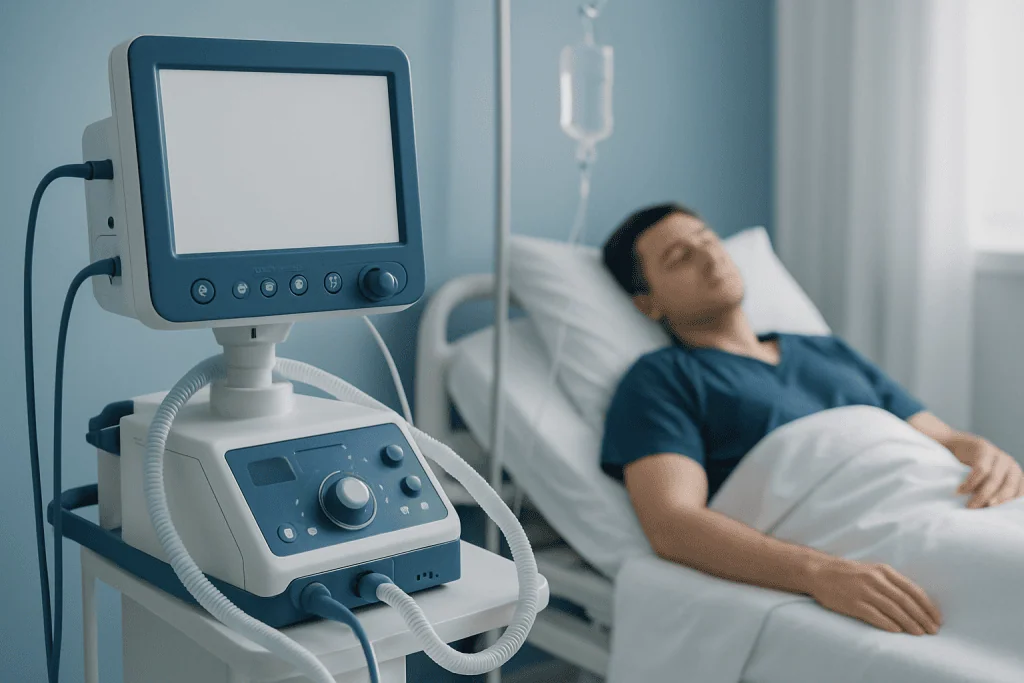
Sleep happens in stages, and nap length changes which stages the brain enters. Very short naps, around 10 to 20 minutes, usually stay in lighter sleep. These naps can sharpen attention and reaction time without much post-nap grogginess.
A 20- to 30-minute nap is still short enough for many people to wake fairly easily, and it may support learning, mental performance, and emotional steadiness. This range is often the most practical for adults who want a reset during the day.
Once a nap stretches beyond about 30 minutes, deeper sleep becomes more likely. Waking out of deep sleep can leave a person feeling confused, heavy, or slow for a while. That is why a longer nap may feel good while it is happening but less refreshing right after waking.
Some people intentionally take a longer nap, such as 60 to 90 minutes, to complete a full sleep cycle. This may be useful after major sleep loss, but it is not ideal as a routine strategy if nighttime sleep is already poor. Regularly needing long daytime naps can also be a sign that a person is not getting enough quality sleep overnight.
When napping is normal and when it may signal a problem

Napping is often harmless. It can be a sensible way to cope with temporary sleep loss, jet lag, shift work, stress, recovery from illness, or a naturally demanding day. Older adults may also notice changes in sleep timing and energy that make brief daytime rest more appealing.
What deserves attention is not simply the habit of napping, but the pattern around it. Daytime sleepiness may need medical review if naps are unplanned, happen daily, last a long time, or do not restore alertness. Falling asleep while reading, driving, working, or talking is especially important to discuss with a doctor.
Other clues can point to an underlying sleep disorder. Loud snoring, witnessed breathing pauses, choking during sleep, morning headaches, restless legs, unusual movements at night, or waking often may suggest a problem such as sleep apnea. Ongoing fatigue can also overlap with conditions such as insomnia if nighttime sleep is short or fragmented.
Excessive daytime sleepiness may also relate to medication side effects, depression, anxiety, chronic pain, thyroid disorders, anemia, infection, or neurologic conditions. In that setting, the question shifts from “how long should a nap be?” to “why is the body asking for so much daytime sleep?”
Signs that a doctor should evaluate daytime sleepiness
Most occasional naps are not a medical concern, but some red flags should not be ignored. A person should consider professional advice if daytime sleepiness lasts for weeks, disrupts work or school, affects driving safety, or causes repeated unplanned dozing.
Medical review is also important when sleepiness comes with symptoms such as loud snoring, pauses in breathing, waking up gasping, frequent nighttime awakenings, chest discomfort, palpitations, or morning headaches. Mood changes, memory problems, and poor concentration can also be related to insufficient or disordered sleep.
Parents should seek advice if a child regularly seems unusually sleepy, struggles to wake, snores heavily, or has behavior or school issues linked to poor sleep. In older adults, a new increase in sleepiness should be assessed rather than assumed to be a normal part of aging.
- Seek urgent care for sleepiness linked with fainting, new weakness, confusion, severe shortness of breath, or sudden neurologic symptoms.
- Arrange a routine medical visit for persistent fatigue, frequent naps, or sleepiness that affects safety or daily functioning.
- Bring a simple sleep diary, including bedtimes, wake times, naps, caffeine use, and symptoms such as snoring.
How doctors find the cause of excessive sleepiness
Doctors usually begin with a detailed history. They ask about sleep duration, bedtime habits, shift work, alcohol and caffeine use, stress, medications, and how often naps happen. They also look for clues that the problem may be due to poor sleep quantity, poor sleep quality, or another medical condition.
A physical examination may focus on weight, blood pressure, the nose and throat, breathing, and neurologic signs. Depending on the symptoms, blood tests may be used to look for conditions such as anemia, thyroid disease, vitamin deficiencies, or infection.
If a sleep disorder is suspected, testing may be recommended. This can include a sleep study to check breathing, oxygen levels, movements, and sleep stages, or other specialized tests when disorders of excessive sleepiness are being considered. In some cases, evaluation in a sleep laboratory provides the clearest answers.
When breathing-related sleep problems are found, treatment may involve lifestyle measures, sleep-position advice, oral devices, or sleep apnea treatment. If insomnia is the main issue, care may focus on sleep habits, behavioral therapy, and other approaches tailored to the individual. The goal is to improve night sleep so the need for daytime sleep decreases naturally.
Practical nap guidance for adults
For most people, the simplest answer is this: aim for 10 to 30 minutes, and try to nap earlier in the afternoon rather than late in the day. This gives the best chance of feeling more alert without making nighttime sleep harder. Setting an alarm before lying down can help keep the nap from drifting too long.
The nap environment also matters. A quiet, dim, comfortable place usually works best. Some people find that using a sleep mask, reducing screen exposure, and allowing a few minutes to relax before the nap improves how restorative it feels.
If naps are needed often, it helps to review the bigger sleep picture. Adults usually function best when they keep a steady sleep schedule, allow enough time for overnight sleep, and limit caffeine late in the day. Regular exercise, light exposure in the morning, and a consistent wind-down routine can also support better nighttime rest.
People with chronic sleep issues should be cautious about relying on naps as the main solution. Naps can be useful, but they do not fully replace healthy nighttime sleep. If a person is routinely trying to “catch up” during the day, it is worth looking for the underlying reason.
When to avoid or limit naps
Naps are not ideal for everyone. People with trouble falling asleep at night may notice that even a short daytime nap weakens sleep drive and makes bedtime more difficult. In that situation, reducing or skipping naps may be part of a broader plan to improve nighttime sleep.
Long naps can also be unhelpful if they leave a person disoriented or if they create a cycle of late bedtime, poor overnight sleep, and more daytime fatigue. Someone who works nights or rotating shifts may need a more individualized plan because their internal body clock is being challenged.
Certain symptoms should not be managed only with naps. If there is concern for a sleep disorder, mood disorder, medication side effect, or medical illness, daytime rest may temporarily mask the problem rather than solve it. Proper evaluation matters more than finding the perfect nap formula.
For people with complex sleep concerns, specialist care may be useful. Acibadem International’s multidisciplinary specialists and JCI-accredited hospitals diagnose and treat sleep-related conditions for international patients, including evaluation through neurology care when symptoms suggest a broader nervous system cause.
Frequently asked questions
How long should a nap be for most adults?
For most adults, 10 to 30 minutes is the best nap length. This range often improves alertness without causing much grogginess after waking.
Is a 2-hour nap too long?
A 2-hour nap is longer than most people need and may make waking feel harder. It can also interfere with nighttime sleep, especially if it happens late in the day or becomes a regular habit.
Why do longer naps make some people feel worse?
Longer naps increase the chance of waking from deeper sleep. That can cause sleep inertia, a temporary period of sluggishness, confusion, or heavy-headedness after waking.
What time of day is best for a nap?
Early to mid-afternoon is usually best because it matches a natural dip in alertness for many people. Napping too late may make it harder to fall asleep at bedtime.
Should someone nap every day?
A short daily nap may be fine for some people, especially if it does not affect nighttime sleep. But if daily naps feel necessary just to get through the day, it is wise to look at sleep habits and possible medical causes.
When is daytime sleepiness a sign of a medical problem?
Daytime sleepiness deserves medical attention if it is persistent, affects work or driving, or happens along with snoring, breathing pauses, morning headaches, or repeated unplanned dozing. A doctor can assess whether the cause is sleep deprivation, a sleep disorder, medication effects, or another health issue.
References
- American Academy of Sleep Medicine
- National Heart, Lung, and Blood Institute
- Centers for Disease Control and Prevention
- National Institute of Neurological Disorders and Stroke
- Mayo Clinic
This article is for general information only and is not a substitute for professional medical advice. Please consult a qualified doctor about your individual situation.
Explore treatments in Turkey — costs, top hospitals & a free quote
JCI-accredited · board-certified surgeons · reply within 24h
Add us as a Preferred Source to see more of our trusted health content across Google Search, AI Overviews and Discover.

More from the Health Library



Related Specialists

Dr. Şekip Şimşek
Internal Medicine
Prof. Dr. Türkan Öztürk Topcu
Medical Oncology
Fzt. Hanife Durak
Physical Medicine & Rehabilitation
Assoc. Prof. Dr. Mehmet Sürmeli
Otorhinolaryngology