How to Get Rid of Back Fat? Causes, Explanations, and Next Steps

Back fat is usually related to normal body-fat distribution, genetics, age, and lifestyle habits. It cannot be reduced from one area alone, but overall fat loss and resistance exercise can improve the appearance of the back.
Key Takeaways
- Back fat is usually related to normal body-fat distribution, genetics, age, and lifestyle habits.
- It cannot be reduced from one area alone, but overall fat loss and resistance exercise can improve the appearance of the back.
- Poor posture, tight clothing, and low muscle tone can make back folds more noticeable even without major weight changes.
- A medical review is important if there is a new lump, pain, skin changes, rapid unexplained change, or hormonal symptoms.
- Doctors may evaluate weight history, medications, hormones, and soft-tissue causes before recommending treatment.
For most people, back fat is a common and harmless pattern of fat storage rather than a sign of illness. The most effective approach is usually gradual overall fat loss through nutrition, exercise, and muscle-building, while a doctor can help if the change is sudden, one-sided, painful, or associated with other symptoms.
Overview: What Back Fat Usually Means
When people ask how to get rid of back fat, the answer is usually reassuring: in most cases, it is a normal pattern of fat storage, not a disease. The body stores fat according to genetics, hormones, age, sex, and overall energy balance. On the back, fat may collect around the upper bra line, below the shoulder blades, or at the lower back and waist.
Back fat can become more noticeable with weight gain, reduced muscle tone, posture changes, or clothing that compresses soft tissue. This is why some people see folds or bulges even when their weight has not changed very much. The appearance may also vary throughout the day depending on hydration, bloating, posture, and what is being worn.
Because body fat cannot be reliably reduced from only one spot, lasting change usually comes from overall fat loss and improved muscle support. That means habits such as regular physical activity, strength training, and sustainable eating patterns matter more than targeted “fat-burning” exercises alone. However, if the fullness looks like a distinct lump or has changed quickly, a doctor may need to rule out another cause such as a benign soft-tissue growth.
Why Back Fat Happens
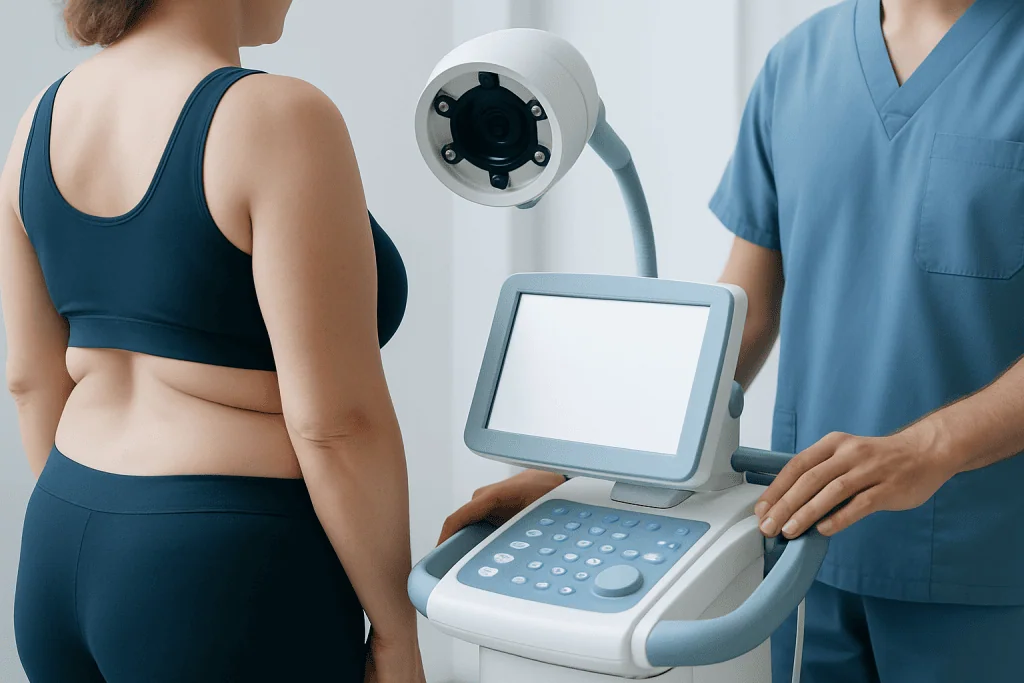
Back fat develops for several overlapping reasons. The most common is overall body fat increase, but the visible pattern is strongly influenced by genetics. Some people naturally store more fat on the trunk, including the upper and lower back, while others store more in the hips or abdomen. This distribution can change over time with aging, menopause, or shifts in activity level.
Muscle tone also matters. The back is supported by many muscles, including the upper back, shoulders, and core. When these areas become deconditioned, soft tissue may appear less firm. Poor posture can round the shoulders and compress the upper back, making folds more prominent. Tight undergarments or clothing may create lines that draw attention to tissue that is otherwise normal.
Hormonal and medical factors can contribute in some cases. Weight gain related to sleep problems, stress, some medications, insulin resistance, or endocrine disorders may change fat distribution. A visible bulge may also occasionally be a separate issue rather than body fat, such as a lipoma, which is a usually benign fatty lump under the skin.
- Genetic body-fat distribution
- Overall weight gain or reduced activity
- Loss of muscle tone with age or inactivity
- Posture changes and soft-tissue compression from clothing
- Hormonal shifts, certain medicines, or metabolic conditions
What Helps Reduce Back Fat

The most effective plan for how to get rid of back fat combines overall fat loss with exercises that strengthen the back and improve posture. Spot reduction is a common myth. Doing many repetitions of one movement may strengthen nearby muscles, but it does not selectively melt fat from the back. Instead, body fat decreases gradually across the whole body when energy intake and expenditure are balanced over time.
Nutrition is often the foundation. A sustainable eating pattern with adequate protein, fiber-rich foods, vegetables, fruits, whole grains, and appropriate portion sizes can support gradual fat loss. Extreme diets may lead to short-term changes, but they are hard to maintain and can increase the risk of regaining weight. For people who struggle with obesity or weight-related health conditions, a clinician may discuss structured medical weight management or, in selected cases, obesity surgery.
Exercise works best when it includes both aerobic activity and resistance training. Walking, cycling, swimming, or other cardiovascular exercise can help increase overall energy use. Strength work for the upper back, shoulders, chest, and core may improve shape and posture. Helpful examples include rows, lat pull-down variations, reverse fly movements, band pull-aparts, and supervised core training. Some people also explore body-contouring after major weight loss; if excess skin or contour concerns remain, a specialist may discuss options such as liposuction or abdominoplasty when appropriate.
Small daily changes often matter more than perfection. Better sleep, stress reduction, regular movement during the day, and realistic goals can all support gradual change. Taking progress photos, checking how clothing fits, and tracking strength gains may be more useful than focusing only on the scale.
When Back Fullness May Need Medical Attention
Most back fat is harmless, but some changes deserve a medical review. A person should seek care if the area is new, one-sided, painful, firm, rapidly enlarging, or associated with redness, warmth, or skin changes. These features can suggest something other than ordinary fat distribution and should not be self-diagnosed.
Other reasons to speak with a doctor include unexplained weight gain, major fatigue, easy bruising, weakness, menstrual changes, increased thirst, or new symptoms of hormone imbalance. Certain medicines, including some steroid treatments, can affect body shape and fat storage. In addition, a visible hump at the upper back or neck should be assessed if it appears suddenly or comes with other health changes.
If there is concern about a soft-tissue mass, specialists may evaluate whether it could be a benign fatty growth or another lesion. In rare situations, clinicians may need to distinguish routine fat deposits from conditions involving abnormal tissue growth or swelling. Red flags are not a reason to panic, but they are a good reason to arrange a timely professional assessment.
How Doctors Evaluate the Cause
Medical evaluation usually starts with a history and physical examination. A doctor may ask when the change was first noticed, whether it is symmetrical, whether weight or medications have changed, and whether there are associated symptoms such as pain, numbness, skin changes, or signs of hormonal imbalance. They may also ask about family history, exercise habits, sleep, and previous weight-loss attempts.
During the physical exam, the clinician looks at the location, texture, and mobility of the tissue. A diffuse, soft, symmetrical area is more consistent with ordinary fat distribution. A distinct mass under the skin may raise the question of a lipoma or another soft-tissue lesion. If the issue appears related to obesity, body composition, or metabolic health, the doctor may assess blood pressure, waist circumference, and other risk factors.
Tests are not always needed. Depending on the findings, a doctor may order blood tests to look at glucose, thyroid function, or other metabolic and hormonal factors. If there is a lump or uncertainty about the tissue, imaging such as ultrasound may help clarify whether it is diffuse fat, a cyst, or a soft-tissue mass. The goal is to identify the cause clearly so that treatment is appropriate and not based on guesswork.
Treatment Options Beyond Lifestyle Changes
Treatment depends on the cause. If the fullness is due to general fat storage, the main approach is a personalized plan for nutrition, physical activity, sleep, and long-term weight management. A doctor or dietitian may help set realistic targets and address barriers such as emotional eating, joint pain, or medication-related weight gain. If there are signs of an endocrine condition, treatment focuses on that underlying problem.
If the concern is a localized lump rather than generalized back fat, management may be different. For a harmless lipoma that does not cause symptoms, observation may be enough. If a lump is painful, growing, or cosmetically bothersome, a specialist may discuss removal. If contour is the main issue after stable weight loss, selected aesthetic procedures may be considered only after a proper assessment of health, expectations, and skin quality.
Some people benefit from a structured rehabilitation approach as well. Guided exercise can improve posture, strengthen the upper back and core, and make the area look smoother even before major fat loss occurs. Near the end of the care pathway, patients who need multidisciplinary evaluation may choose centers such as Acibadem International, where JCI-accredited hospitals and specialist teams diagnose and treat both medical and aesthetic causes for international patients.
Self-Care Tips and When to See a Doctor
Useful self-care begins with a realistic plan rather than a quick fix. A person may aim for regular weekly exercise, including both cardio and resistance training, along with balanced meals that are satisfying and sustainable. Supportive bras or clothing that fit well can reduce skin compression lines, and posture work may improve the look of the upper back.
It is sensible to arrange a medical review if back fullness appears suddenly, changes rapidly, forms a discrete lump, or comes with pain, weakness, numbness, fever, or skin changes. Medical attention is also important if body-shape changes occur with fatigue, menstrual irregularity, or other possible hormonal symptoms. Early review can provide reassurance when the cause is harmless and guide next steps when it is not.
In day-to-day life, gradual progress is the goal. Back fat usually improves through whole-body health habits, not through harsh restriction or endless targeted repetitions. A qualified doctor can help if the pattern is unusual, the diagnosis is uncertain, or lifestyle efforts are not leading to expected results.
Frequently asked questions
Can back fat go away with exercise alone?
Exercise helps, but back fat usually improves best with a combination of regular physical activity, strength training, and sustainable eating habits. Because the body loses fat overall rather than from one chosen spot, a full lifestyle approach is usually more effective than exercise alone.
Is it possible to target back fat with specific workouts?
Targeted workouts can strengthen the muscles under the area and improve posture, which may change how the back looks. However, they do not reliably remove fat from only that location, so overall fat loss is still the main strategy.
Why do I have back fat even though I am not very overweight?
Body-fat distribution is strongly influenced by genetics, hormones, age, and posture. Some people naturally store more fat on the back or trunk, and tight clothing or reduced muscle tone can also make the area appear more noticeable.
When is back fat not just normal fat?
It may need medical attention if there is a distinct lump, pain, redness, rapid growth, one-sided swelling, or associated symptoms such as weakness or unexplained weight change. In those cases, a doctor can examine the area and decide whether tests are needed.
Could a back bulge be a lipoma?
Yes, sometimes what looks like back fat is actually a lipoma, which is a usually benign fatty lump under the skin. A clinician can often suspect this during an exam and may recommend imaging or removal if it is painful, growing, or uncertain.
Do hormones affect back fat?
They can. Hormonal changes related to aging, menopause, stress, insulin resistance, thyroid disorders, or certain medications may affect where the body stores fat. If body shape changes suddenly or are accompanied by other symptoms, medical evaluation is appropriate.
References
- World Health Organization
- National Institutes of Health
- Centers for Disease Control and Prevention
- American Academy of Dermatology
- Endocrine Society
This article is for general information only and is not a substitute for professional medical advice. Please consult a qualified doctor about your individual situation.
Medical weight-loss options in Turkey — costs & eligibility
JCI-accredited · board-certified surgeons · reply within 24h
Add us as a Preferred Source to see more of our trusted health content across Google Search, AI Overviews and Discover.
Check your numbers in seconds
BMI, calories, due date, blood pressure and 30+ more clinical calculators — free, instant, doctor-reviewed ranges.

More from the Health Library



Related Specialists

Dr. Sevim Buzkan Ertuğrul
Acibadem Life Clinical Service
Prof. Dr. Süleyman Çetinkünar
General Surgery
Prof. Dr. Beril Akman
Internal Medicine
Dr. Volkan Fürüzan
Emergency Service