Food Supplement for Eye Health: What the Clinical Research Actually Says

The strongest clinical evidence supports AREDS2-style supplements for some people with intermediate or advanced age-related macular degeneration. Most eye supplements have not been proven to prevent eye disease in healthy people or to improve normal vision.
Key Takeaways
- The strongest clinical evidence supports AREDS2-style supplements for some people with intermediate or advanced age-related macular degeneration.
- Most eye supplements have not been proven to prevent eye disease in healthy people or to improve normal vision.
- Ingredients such as lutein, zeaxanthin, vitamin C, vitamin E, zinc, and copper have more evidence than many newer marketed blends.
- Supplements can cause side effects or interact with medicines, especially blood thinners and treatments affected by vitamin or mineral intake.
- People who smoke or used to smoke should be cautious with beta-carotene-containing formulas.
- Sudden vision changes, eye pain, flashes, or a dark curtain over vision need prompt medical assessment rather than self-treatment with supplements.
A food supplement for eye health is not a proven shortcut to better vision for everyone. Clinical research shows benefit mainly in specific situations—especially certain people with age-related macular degeneration—while evidence for routine use in healthy adults is mixed or limited.
Overview: what a food supplement for eye health can and cannot do
A food supplement for eye health may be helpful in certain clinical settings, but it is not a universal way to protect vision. The clearest research support comes from large studies of specific nutrient combinations for people with particular stages of age-related macular degeneration, not for everyone with tired eyes, blurred vision, or a family history of eye disease.
In practice, eye supplements are sold for several goals: supporting the retina, reducing “screen-related” eye strain, helping dry eye symptoms, or preserving vision with age. These claims are not equally supported. Clinical evidence is strongest for AREDS2-type formulas in selected patients with age-related macular degeneration, while evidence for preventing cataracts, glaucoma, diabetic eye disease, or general vision loss in otherwise healthy people is much weaker or inconsistent.
This distinction matters because supplements are often marketed broadly, even though the effect depends on the ingredient, dose, eye condition, and the person taking it. A patient-friendly way to think about them is this: they may be part of eye care for some people, but they do not replace a proper eye examination, a balanced diet, or treatment for diagnosed eye disease.
Which ingredients have the best clinical evidence
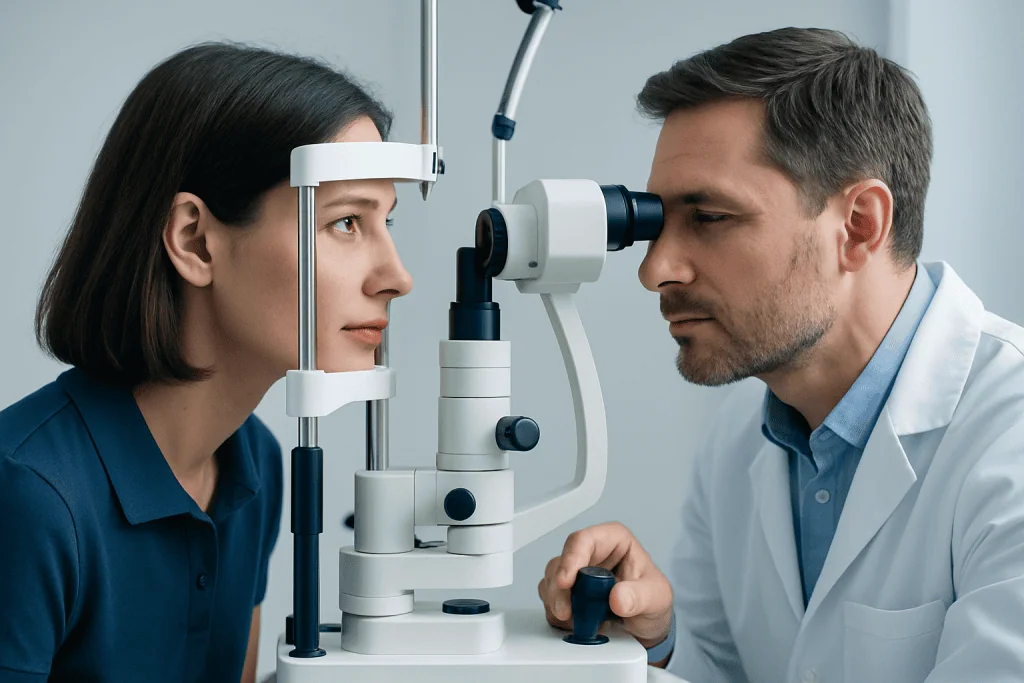
The best-studied ingredients in eye supplements include vitamin C, vitamin E, zinc, copper, lutein, and zeaxanthin. These are the nutrients used in the Age-Related Eye Disease Study 2, often called AREDS2. In people with intermediate age-related macular degeneration, or advanced disease in one eye, this formula can lower the risk of progression to advanced disease. It does not cure macular degeneration or restore lost vision, but it may help slow worsening in the right patients.
Lutein and zeaxanthin are carotenoids found in leafy greens and other foods. They are concentrated in the macula, the part of the retina used for detailed central vision. Their biological role makes them plausible candidates for eye support, and clinical research suggests they are reasonable substitutes for beta-carotene in AREDS-type formulas, especially because beta-carotene is not appropriate for many current or former smokers.
Omega-3 fatty acids have also been studied because the retina contains high levels of these fats and because of their anti-inflammatory effects. However, research has not shown a clear added benefit of omega-3s within AREDS2 for slowing age-related macular degeneration. Omega-3 intake from food may still support overall health, but supplement claims specifically for eye disease should be interpreted cautiously.
Other common ingredients include bilberry, astaxanthin, saffron, vitamin A, selenium, and various herbal blends. Some have early or small-scale research behind them, but they do not have the same level of evidence as AREDS2 nutrients. This does not mean they never help; it means the benefit is not established strongly enough to make broad clinical claims.
What research supports—and does not support
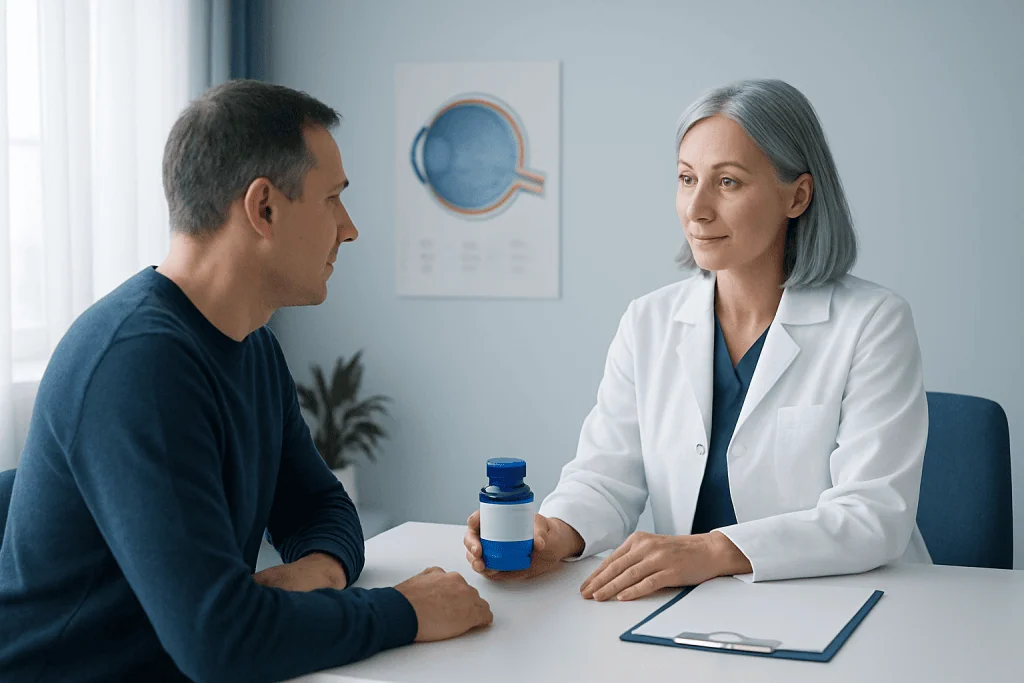
The most important point from the clinical literature is that supplements work differently depending on the condition. For age-related macular degeneration, especially intermediate AMD, AREDS2-type formulas have meaningful evidence. This is why ophthalmologists may recommend them after a retinal exam confirms the stage of disease. They are not usually advised simply because someone is older or worried about future vision problems.
For cataracts, observational studies sometimes suggest that people with healthier diets have a lower risk, but this does not prove that pills prevent cataracts. Randomized trials have not consistently shown that routine vitamin supplementation prevents cataract formation or avoids cataract surgery in the general population. If cataracts are affecting daily life, proper evaluation and treatment are more relevant than self-prescribing supplements.
For dry eye disease, some people ask about omega-3 capsules or antioxidant blends. Research results are mixed. A few patients report symptom improvement, but high-quality studies have not shown uniform benefit for everyone. Dry eye is a broad condition with several causes, so treatment is often tailored and may include environmental changes, lubricating drops, or other medical care such as dry eye treatment.
For glaucoma, diabetic retinopathy, floaters, or screen fatigue, no supplement has become standard treatment based on strong evidence alone. Nutrition remains important for general health, but supplements should not delay assessment for conditions such as glaucoma or retinal disease. In other words, some products are evidence-based for a narrow indication, while many broader eye-health claims remain unproven.
How supplements fit into diet and daily eye care
Clinical evidence on supplements is easiest to understand when placed in context: food first, supplements second. A varied diet rich in leafy vegetables, colorful fruits, legumes, nuts, fish, and whole grains supports overall vascular and retinal health. These eating patterns may matter because many eye diseases are linked to aging, inflammation, and blood vessel health, not just to one isolated vitamin deficiency.
Supplements may be considered when a person has a diagnosed eye condition, a medically confirmed deficiency, difficulty meeting nutritional needs, or a clinician’s recommendation based on exam findings. They are not usually a substitute for a healthy lifestyle. Smoking cessation, blood pressure control, diabetes management, UV protection, and regular eye exams often have clearer benefit than adding a supplement without a diagnosis.
Some people also take supplements because they spend long hours on digital devices. It is worth noting that “digital eye strain” usually relates more to reduced blinking, dryness, glare, poor ergonomics, and prolonged focus than to a nutrient problem. Breaks, lighting changes, artificial tears when appropriate, and treatment of underlying vision issues often help more than eye vitamin blends marketed for screens.
If a patient is already under ophthalmic care, a supplement should be discussed as part of the full plan. In some cases, doctors may recommend monitoring with retinal imaging or referral to ophthalmology services rather than relying on over-the-counter products alone.
Side effects, interactions, and who should avoid them
Even though many eye supplements are sold without prescription, they are not risk-free. Vitamins and minerals can cause side effects such as stomach upset, nausea, constipation, or a metallic taste. Zinc may be hard on the stomach for some people, especially in higher-dose formulas. Fat-soluble vitamins, such as vitamin A and vitamin E, can build up in the body if taken in excess.
Interactions also matter. Some supplements may affect blood clotting or interact with medicines, including blood thinners. High-dose vitamin E and some herbal ingredients can be a concern before surgery or in people with bleeding risk. People with kidney disease, liver disease, malabsorption, or a history of certain nutrient toxicities should be especially careful with over-the-counter combination products.
Current or former smokers should avoid eye formulas containing beta-carotene unless a clinician specifically advises otherwise, because beta-carotene supplementation has been linked to increased lung cancer risk in smokers in major trials. This is one reason AREDS2 replaced beta-carotene with lutein and zeaxanthin in the commonly recommended formula.
Pregnant or breastfeeding individuals, children, and anyone taking multiple supplements should review labels carefully. “More” is not always better, especially when several products contain the same nutrients. A doctor or pharmacist can help check for duplication, excessive intake, or medicine interactions before starting a food supplement for eye health.
How to choose a product and use it safely
Choosing a supplement starts with the reason for taking it. If the goal is support for diagnosed age-related macular degeneration, the most evidence-based approach is to ask whether an AREDS2-style product is appropriate rather than choosing a generic “vision booster.” The label should be checked for the actual ingredients and amounts, because products marketed similarly may have very different formulations.
Quality is also important. Dietary supplements are not evaluated in the same way as prescription medicines before sale in many countries. That means ingredient accuracy and purity can vary. Using well-established manufacturers and discussing the product with an eye specialist or pharmacist can reduce confusion, especially if the person has chronic conditions or takes several medications.
A supplement should also be judged by realistic expectations. It is unlikely to sharpen a glasses prescription, reverse cataracts, or treat sudden blurred vision. If a person has bothersome visual symptoms, a comprehensive eye exam is more useful than switching from one supplement brand to another. Depending on the cause, the solution may involve treatment of refractive error, retinal disease, cataract, or dry eye rather than nutrition alone.
For patients who need specialist assessment, care may include retinal evaluation, imaging, or condition-specific management such as cataract surgery when cataracts are the cause of visual decline. Near the end of the care pathway, Acibadem International’s multidisciplinary specialists and JCI-accredited hospitals also diagnose and treat eye conditions for international patients when appropriate.
When to seek medical care
A supplement should not be used as first-line self-care for sudden or significant eye symptoms. Prompt medical attention is important if there is sudden vision loss, a new dark curtain or shadow over vision, flashes of light, a sudden increase in floaters, severe eye pain, eye injury, or redness with light sensitivity. These symptoms can signal urgent problems that need examination rather than nutritional support.
A non-urgent eye appointment is also advisable if vision gradually becomes blurred, straight lines appear wavy, colors seem less vivid, reading becomes harder, or one eye sees less clearly than the other. These symptoms can occur with retinal disease, cataracts, or macular changes and are not reliably addressed by supplements alone.
People with diabetes, a strong family history of glaucoma or macular degeneration, or previous eye disease should have regular eye checks even if they feel well. A clinician can advise whether a supplement has a role based on actual findings, rather than marketing claims or internet lists of ingredients.
Frequently asked questions
Do eye supplements improve vision in healthy adults?
Usually not in a proven way. Most supplements have not been shown to sharpen normal vision or prevent eye disease in healthy people without a diagnosed condition. Their best-supported use is in selected patients with certain stages of age-related macular degeneration.
What is the difference between AREDS and AREDS2?
AREDS and AREDS2 are research-based supplement formulas studied for age-related macular degeneration. AREDS2 replaced beta-carotene with lutein and zeaxanthin, which is generally preferred, especially for people who smoke or used to smoke. A doctor can advise whether this type of formula fits a person's eye findings.
Can a food supplement for eye health prevent cataracts?
Current evidence does not clearly show that routine supplements prevent cataracts in the general population. A healthy diet is still important, but supplements have not consistently reduced cataract risk in major clinical research. If vision is affected by cataracts, an eye examination is the right next step.
Are omega-3 supplements good for dry eyes?
Some people feel better when taking omega-3 supplements, but research results are mixed. They are not a guaranteed treatment for dry eye symptoms, and dry eye often has multiple causes. A clinician may suggest other measures such as lubricating drops, environmental changes, or condition-specific treatment.
Are eye supplements safe to take every day?
Not always for everyone. Daily use may be reasonable for some people, but safety depends on the ingredients, the dose, other supplements being taken, and any medical conditions or medications. It is sensible to review the label with a doctor or pharmacist before long-term use.
Who should avoid certain eye supplements?
People who smoke or used to smoke should avoid formulas containing beta-carotene unless a clinician advises otherwise. Those taking blood thinners, those with kidney or liver disease, pregnant or breastfeeding individuals, and anyone already taking multiple vitamins should also be cautious and seek medical advice first.
References
- National Eye Institute
- American Academy of Ophthalmology
- National Institutes of Health Office of Dietary Supplements
- Cochrane
- World Health Organization
This article is for general information only and is not a substitute for professional medical advice. Please consult a qualified doctor about your individual situation.
Explore treatments in Turkey — costs, top hospitals & a free quote
JCI-accredited · board-certified surgeons · reply within 24h
Add us as a Preferred Source to see more of our trusted health content across Google Search, AI Overviews and Discover.

More from the Health Library

Low Carb High Fiber Foods: Benefits, Risks, and Safe Use

Supplements to Reduce Cortisol: Evidence-Based Benefits, Risks, and Practical Guidance

Reduce Potassium Diet: Benefits, Risks, and Safe Use

Beet juice and: Benefits, Side Effects, and What the Evidence Shows

Black Beans Nutrition: Evidence-Based Benefits, Risks, and Practical Guidance