Bone Doctor: A Complete Medical Overview

A bone doctor is commonly an orthopedic doctor, though other specialists may also treat bone conditions. Bone doctors diagnose fractures, joint pain, arthritis, sports injuries, spine problems, and bone infections or tumors.
Key Takeaways
- A bone doctor is commonly an orthopedic doctor, though other specialists may also treat bone conditions.
- Bone doctors diagnose fractures, joint pain, arthritis, sports injuries, spine problems, and bone infections or tumors.
- Evaluation may include a physical exam, imaging tests, and sometimes blood tests or bone density testing.
- Treatment can range from rest, medicine, and physical therapy to injections or surgery when needed.
- Prompt medical assessment is important for severe pain, deformity, inability to bear weight, fever with bone pain, or sudden swelling after injury.
A bone doctor is most often an orthopedic specialist who evaluates and treats problems affecting bones, joints, muscles, ligaments, and related tissues. They help with injuries, fractures, arthritis, back or joint pain, bone weakness, and many other musculoskeletal conditions.
Overview: What Is a Bone Doctor?
A bone doctor is usually an orthopedic doctor, also called an orthopedist. This specialist focuses on the musculoskeletal system, which includes bones, joints, muscles, tendons, ligaments, and related soft tissues. In everyday use, people often say “bone doctor” when they mean the doctor who evaluates bone pain, fractures, arthritis, sports injuries, or problems with movement.
Not every bone-related problem is treated by the same type of physician. Depending on the issue, care may also involve a rheumatologist for inflammatory joint disease, an endocrinologist for osteoporosis, a physiatrist for rehabilitation, or an emergency physician for acute injuries. Still, orthopedics is the main specialty most people associate with bone care.
Bone doctors treat both sudden injuries and long-term conditions. Some focus on general orthopedics, while others subspecialize in areas such as hand surgery, pediatric orthopedics, trauma, sports medicine, spine care, or joint replacement. This team-based approach helps match each patient to the most appropriate expertise.
What Conditions Does a Bone Doctor Treat?
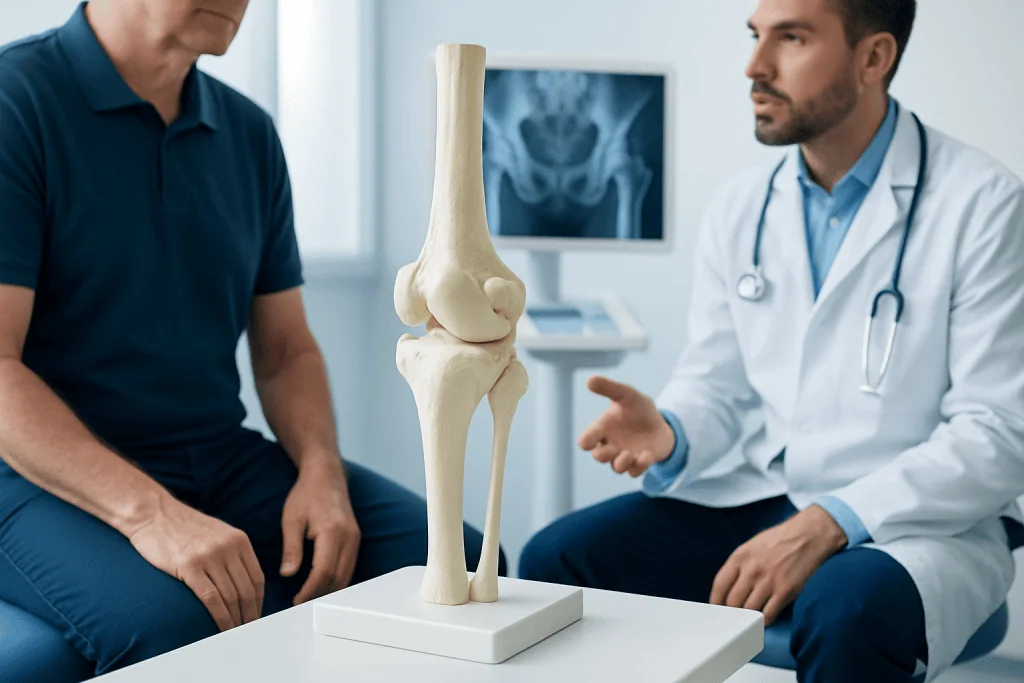
A bone doctor evaluates a wide range of conditions, from simple sprains to complex fractures and chronic joint disease. Common reasons for referral include broken bones, persistent bone or joint pain, stiffness, swelling, reduced range of motion, and difficulty walking or using a limb. They also assess injuries caused by falls, accidents, repetitive strain, or sports activity.
Many bone doctors care for degenerative and inflammatory conditions that affect daily function. These may include osteoarthritis, tendon injuries, bursitis, rotator cuff tears, meniscus injuries, and age-related bone loss. A patient with symptoms of osteoporosis may need evaluation for bone strength and fracture risk, especially after a low-impact fracture.
They may also diagnose and treat spine-related problems, including neck pain, back pain, disc disorders, and some causes of nerve compression. In addition, bone doctors can help identify less common but important concerns such as bone infections, congenital limb problems, stress fractures, or suspicious bone lesions that require further testing.
- Fractures and dislocations
- Joint pain and arthritis
- Sports and overuse injuries
- Back, neck, and spine-related pain
- Bone weakness and fragility fractures
- Limb deformities or movement problems
Signs and Symptoms That May Need Assessment
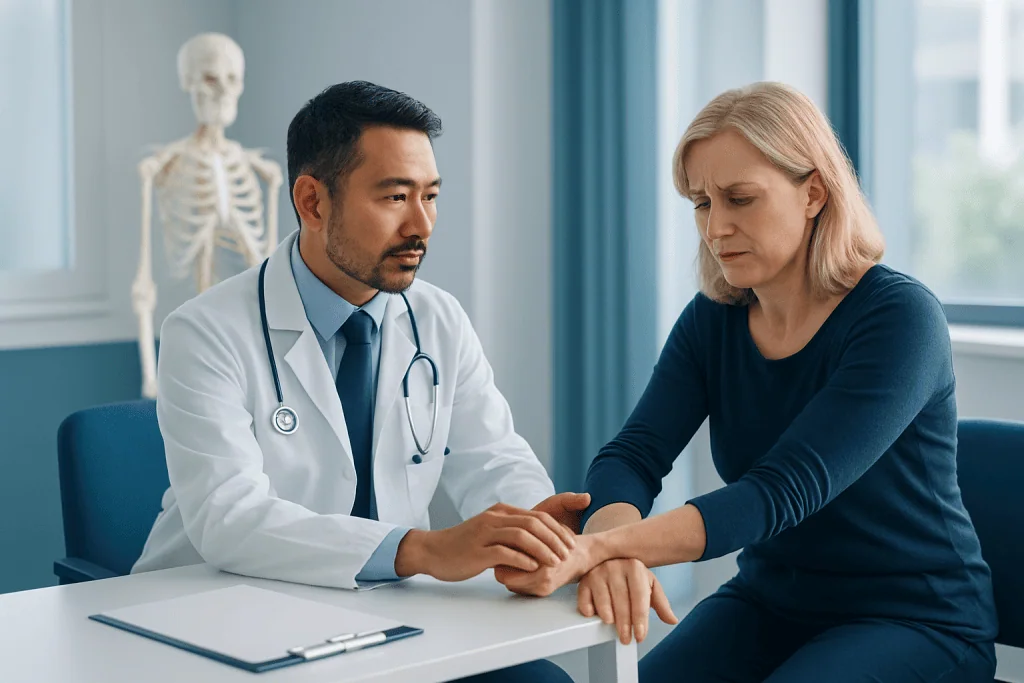
Bone and joint symptoms can range from mild discomfort to sudden, severe pain. Pain that continues for days or weeks, keeps returning, or limits normal activity may need medical evaluation. A bone doctor may be helpful when there is swelling, stiffness, a clicking or locking joint, reduced movement, or pain that worsens with walking, lifting, or exercise.
Symptoms after an injury deserve special attention. These include visible deformity, bruising, inability to bear weight, tenderness over a bone, or a popping sensation at the time of injury. Numbness, weakness, or coldness in the affected limb can suggest a more urgent problem and should not be ignored.
Some symptoms may point to underlying disease rather than injury. Bone pain with fever, unexplained weight loss, night pain, or repeated fractures can require prompt assessment. Children with limping, persistent pain, or changes in growth or posture should also be examined by a qualified clinician.
How a Bone Doctor Makes a Diagnosis
Diagnosis usually starts with a careful medical history and physical examination. The doctor asks when symptoms began, whether there was an injury, what makes the pain better or worse, and how the problem affects movement, work, sleep, or exercise. Medical conditions such as diabetes, autoimmune disease, previous fractures, or long-term steroid use can also influence bone health.
The physical examination often includes checking alignment, swelling, tenderness, muscle strength, joint stability, and range of motion. The doctor may observe walking, posture, or how a patient uses the affected limb. This hands-on assessment helps narrow down whether the problem involves bone, cartilage, tendon, ligament, muscle, or nerves.
Imaging tests are commonly used to confirm the diagnosis. X-rays are often the first test for fractures, arthritis, or alignment problems. Depending on the situation, the doctor may also request MRI, CT, ultrasound, or bone density testing. For selected cases, blood tests can help evaluate infection, inflammation, vitamin deficiencies, or metabolic bone disease.
If symptoms suggest a condition outside general orthopedics, the bone doctor may coordinate care with other specialists. This can be important when evaluating suspected inflammatory arthritis, bone tumors, infection, or complex trauma. The goal is to reach an accurate diagnosis before choosing treatment.
Treatment Options a Bone Doctor May Recommend
Treatment depends on the diagnosis, the severity of symptoms, the patient’s age and activity level, and whether there is an acute injury. Many bone and joint conditions improve with non-surgical care. This may include rest, short-term activity modification, splints or braces, pain-relieving medicines, anti-inflammatory treatment, ice or heat, and supervised exercise.
Physical therapy is a common part of treatment because it can improve flexibility, strength, balance, and joint mechanics. In some cases, a doctor may recommend injections to reduce inflammation or pain in a specific area. When needed, coordinated physical therapy and rehabilitation can support recovery after injury, surgery, or chronic musculoskeletal conditions.
Surgery is usually considered when conservative measures do not provide enough relief, when a fracture is unstable, or when there is severe joint damage or structural injury. Procedures may include fracture fixation, tendon or ligament repair, arthroscopic surgery, or knee replacement and hip replacement for advanced joint disease. The exact plan is individualized, with attention to function, safety, and recovery goals.
For bone weakness, treatment may also involve addressing underlying causes such as low calcium or vitamin D intake, hormonal factors, or medicines that affect bone density. A doctor may recommend fall prevention measures and long-term follow-up to reduce the risk of future fractures.
How to Protect Bone Health and Support Recovery
Healthy bones depend on more than injury treatment alone. Daily habits such as regular weight-bearing exercise, adequate calcium and vitamin D intake, and avoiding smoking support bone strength over time. Muscle-strengthening exercise also helps balance and coordination, which can reduce fall risk and protect joints.
Recovery from a bone or joint problem is often gradual. Following the doctor’s advice about rest, safe movement, braces, or rehabilitation exercises can improve healing. Returning to sports or heavy activity too soon may worsen symptoms or delay recovery, especially after fractures, tendon injuries, or surgery.
Joint protection matters as well. Maintaining a healthy weight can reduce strain on the hips, knees, and spine. Proper footwear, safe lifting technique, ergonomic work habits, and warm-up before exercise may lower the chance of injury. People with osteoporosis or a history of falls may benefit from home safety measures such as better lighting, handrails, and removing tripping hazards.
When to Seek Medical Care
Medical care should be sought promptly for severe bone or joint pain, inability to move a limb, obvious deformity, or inability to stand or bear weight after an injury. Urgent assessment is also important for numbness, sudden weakness, heavy swelling, or skin color changes after trauma. These signs may indicate a fracture, dislocation, nerve injury, or circulation problem.
It is also wise to seek care for persistent pain that lasts more than a few weeks, repeated swelling, a joint that locks or gives way, or symptoms that interfere with sleep or daily function. Fever with bone pain, redness, or warmth around a joint can suggest infection and needs medical attention. Unexplained bone pain at night or repeated fractures should also be evaluated.
For patients who need specialist assessment, a multidisciplinary team can help clarify the diagnosis and choose the best next step. Acibadem International’s specialists in orthopedics, rehabilitation, and related fields diagnose and treat bone and joint conditions for international patients in JCI-accredited hospitals.
Frequently asked questions
Is a bone doctor the same as an orthopedic doctor?
Usually, yes. In most cases, “bone doctor” refers to an orthopedic doctor who treats bones, joints, muscles, tendons, and ligaments. The exact specialist may vary depending on the problem.
Do I need a referral to see a bone doctor?
That depends on the health system and insurance plan. Some patients can book directly with an orthopedic specialist, while others first see a primary care doctor. A primary doctor can also help decide which type of specialist is most appropriate.
What tests might a bone doctor order?
Common tests include X-rays to look at fractures, alignment, or arthritis. Depending on symptoms, the doctor may also request MRI, CT, ultrasound, blood tests, or a bone density scan. Testing is chosen based on the suspected cause.
Can a bone doctor treat osteoporosis?
A bone doctor can help evaluate fractures, bone loss, and the impact of osteoporosis on movement and safety. Management may also involve an endocrinologist or primary care physician, especially when long-term treatment for bone density is needed. Team-based care is common.
When should joint or bone pain be considered serious?
Pain is more concerning when it follows an injury and causes swelling, deformity, inability to bear weight, numbness, or severe loss of motion. Ongoing pain that disturbs sleep, keeps returning, or comes with fever or unexplained weight loss also deserves medical evaluation. Early assessment can help prevent complications.
Do all bone problems need surgery?
No. Many bone and joint problems improve with non-surgical treatment such as rest, medication, bracing, and physical therapy. Surgery is usually reserved for unstable fractures, severe structural damage, advanced joint wear, or symptoms that do not improve with other treatments.
This article is for general information only and is not a substitute for professional medical advice. Please consult a qualified doctor about your individual situation.
Joint and spine care in Turkey — expert assessment & treatment
JCI-accredited · board-certified surgeons · reply within 24h
Add us as a Preferred Source to see more of our trusted health content across Google Search, AI Overviews and Discover.

More from the Health Library

Liquid IV Ingredients: An Evidence-Based Guide for Patients

Pressure Points to Cause Labor: An Evidence-Based Guide for Patients
Timed Get Up and Go: A Complete Medical Overview

Golfer’s Elbow: A Complete Medical Overview
Bristol Stool Chart: What Patients Need to Know

Catecholamines: What Patients Need to Know
Orthopedic Surgery & Traumatology Specialists at Acibadem

Assoc. Prof. Dr. Bertan Cengiz
Orthopedic Surgery & Traumatology
Dr. Betül Toygar
Physical Medicine & Rehabilitation
Fzt. Beyza Nur Gündüz
Physical Medicine & Rehabilitation
Dr. Buğra Alpan
Orthopedic Surgery & Traumatology