Chills Without Fever: A Complete Medical Overview

Chills without fever can result from simple causes such as cold exposure, anxiety, dehydration, or low blood sugar. They may also be linked to medical conditions including anemia, thyroid disorders, infections, or hormonal changes.
Key Takeaways
- Chills without fever can result from simple causes such as cold exposure, anxiety, dehydration, or low blood sugar.
- They may also be linked to medical conditions including anemia, thyroid disorders, infections, or hormonal changes.
- Persistent, recurrent, or unexplained chills should be evaluated by a doctor, especially if other symptoms are present.
- Helpful self-care includes warming the body, staying hydrated, eating regularly, and monitoring for new symptoms.
- Urgent medical care is needed if chills occur with chest pain, confusion, shortness of breath, severe weakness, or signs of serious infection.
Chills without fever are common and do not always mean infection. They can happen when the body is cold, under stress, low on energy, or responding to an underlying medical condition, so the best next step depends on the pattern of symptoms and any other warning signs.
Overview
Chills without fever describe a sensation of coldness, shaking, or shivering even though body temperature is normal. In many cases, this happens because the body is trying to conserve heat or respond to stress, rather than because of a true fever. A person may notice goosebumps, trembling, or a sudden need for warmth.
This symptom can have many explanations. Some are temporary and harmless, such as being in a cold room, not eating enough, or feeling anxious. Others can point to an underlying medical issue, including anemia, thyroid problems, changes in blood sugar, hormonal shifts, or an infection that has not yet caused fever.
Because chills are a symptom rather than a disease, the most important question is what else is happening at the same time. The timing, triggers, associated symptoms, and a person’s medical history often help doctors narrow down the cause and decide whether testing is needed.
What chills without fever can feel like
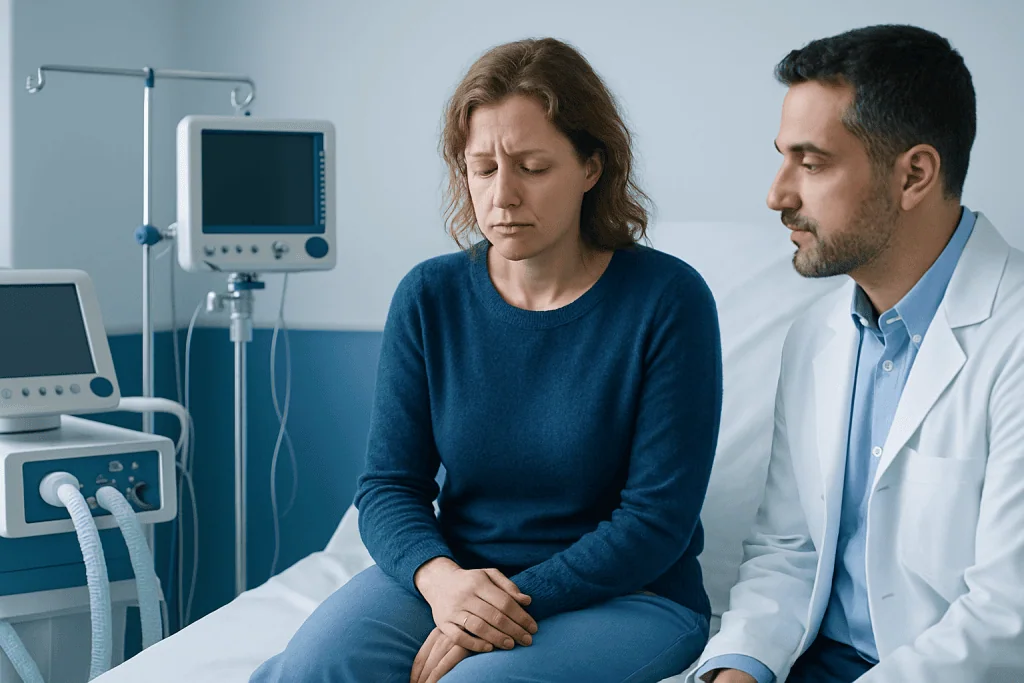
People describe chills in different ways. Some feel a wave of cold moving through the body, while others experience visible shaking, trembling, or muscle tightening. The skin may feel cool, and there may be goosebumps even when the surrounding temperature seems comfortable.
Chills may come on suddenly or build gradually. They can last only a few minutes or continue for hours, especially if the trigger is ongoing. Some people notice them after exercise, during emotional stress, after missing meals, or at night when the body naturally cools.
It also helps to notice symptoms that occur alongside chills. These may include fatigue, dizziness, sweating, nausea, weakness, paleness, body aches, weight changes, or trouble concentrating. This broader symptom pattern often gives useful clues about whether the cause is related to temperature regulation, metabolism, circulation, hormones, or infection.
Common causes and possible risk factors

One of the most common causes of chills without fever is simple cold exposure. Wet clothing, air conditioning, winter weather, or spending too long in cool water can lower skin temperature enough to trigger shivering. Dehydration and exhaustion can make this response more noticeable because the body is less able to regulate temperature efficiently.
Low blood sugar is another frequent explanation. When the body does not have enough readily available fuel, a person may feel shaky, sweaty, cold, weak, or lightheaded. This may happen after skipping meals, intense exercise, heavy alcohol use, or in people with diabetes who use glucose-lowering medication. If diabetes is a concern, medical evaluation may include blood tests and guidance related to diabetes.
Chills can also be linked to anxiety or panic. During stress, the body releases hormones that increase alertness and can cause trembling, rapid breathing, sweating, and a cold sensation. Although these symptoms can feel alarming, they do not always signal a dangerous illness. However, recurring episodes should still be discussed with a healthcare professional.
Other medical causes include anemia, underactive thyroid, poor circulation, malnutrition, medication side effects, and viral or bacterial infections in early stages. Hormonal changes during menstruation, pregnancy, or menopause can also alter how warm or cold a person feels. In some situations, persistent chills may occur with infections such as urinary tract infection even before a clear fever appears.
When chills may point to a medical condition
Doctors become more concerned when chills are frequent, unexplained, or associated with other symptoms. For example, ongoing fatigue, shortness of breath, dizziness, and pale skin may suggest anemia. Feeling cold all the time together with weight gain, constipation, dry skin, and slowed thinking can fit an underactive thyroid pattern.
Infections do not always begin with fever. Some people first notice chills, weakness, body aches, or localized symptoms such as cough, burning with urination, sinus pain, or abdominal discomfort. In older adults or people with weakened immune systems, a serious infection may present subtly, without a strong fever response. Respiratory symptoms may overlap with conditions such as pneumonia and should not be ignored.
Circulation problems may also create a feeling of coldness or shivering, especially in the hands and feet. Less commonly, autoimmune conditions, endocrine disorders, or neurologic issues can disturb temperature regulation. These possibilities are not the most common explanation, but they may be considered when symptoms are persistent or other findings are present.
Medication use matters as well. Some drugs can affect blood sugar, circulation, thyroid function, or the nervous system and indirectly lead to chills. Recent surgery, blood loss, poor sleep, and extreme dieting can also contribute. A careful history often helps identify these triggers.
How doctors diagnose the cause
Diagnosis starts with a detailed medical history and physical examination. A doctor usually asks when the chills began, how often they happen, whether they are related to meals or cold environments, and what other symptoms are present. Temperature, blood pressure, pulse, hydration status, and signs of infection or anemia are often checked.
Testing depends on the suspected cause. Common options include a complete blood count to look for anemia or infection, blood glucose testing, thyroid function tests, and urine tests if urinary symptoms are present. If there is concern about a chest infection, imaging may be needed, and symptom assessment may be supported by a general medical check-up and targeted testing.
Sometimes the evaluation is straightforward, such as identifying low blood sugar after skipped meals or dehydration after exertion. In other cases, chills are one part of a larger picture that takes time to understand. Keeping a record of episodes, meals, stress, medications, and associated symptoms can help make the cause clearer.
Treatment options and what usually helps
Treatment for chills without fever depends on the cause. If the reason is environmental cold, the solution may be as simple as moving to a warmer place, changing out of damp clothing, drinking warm fluids, and resting. If the trigger is low food intake, eating a balanced meal or snack may help symptoms settle.
When an underlying condition is found, treatment is directed at that problem. Anemia may require dietary advice or further investigation, thyroid disorders may need medical management, and infections may need specific treatment depending on whether they are viral or bacterial. For some people, support from endocrinology and metabolic disease specialists is useful when hormone or blood sugar issues are suspected.
Anxiety-related chills often improve with slower breathing, reassurance, hydration, sleep, and addressing the source of stress. If anxiety is frequent or significantly affects daily life, a doctor may recommend structured support. Persistent or unexplained symptoms should not be self-treated for long periods without medical guidance.
When infection is suspected, home remedies should not replace proper assessment if symptoms are significant or worsening. Depending on the symptom pattern, doctors may recommend blood work, urine testing, or internal medicine evaluation to identify the cause and choose the most appropriate care.
Self-care, prevention, and when to seek medical care
Simple measures can reduce occasional chills without fever. Dressing in layers, staying dry, eating regular meals, drinking enough fluids, and getting adequate rest all support normal temperature regulation. After exercise, a person should cool down gradually and replace fluids and energy. Those who notice symptoms after long gaps between meals may benefit from a consistent eating schedule.
It is also helpful to watch for patterns. Chills that happen during stress, after missed meals, or only in cold environments often have a clear explanation. However, if episodes become more frequent, last longer, wake a person from sleep, or come with weight changes, fatigue, persistent pain, or repeated infections, medical review is appropriate.
A person should seek prompt medical care if chills occur with chest pain, shortness of breath, fainting, confusion, severe weakness, persistent vomiting, blue lips, or signs of dehydration. Medical care is also important if there is a known immune problem, pregnancy, advanced age, or a chronic illness that raises the risk of complications.
Near the end of a diagnostic pathway, some people benefit from coordinated specialist care. Acibadem International’s multidisciplinary specialists and JCI-accredited hospitals evaluate and treat patients with symptoms such as unexplained chills, especially when internal medicine, endocrinology, or infection assessment is needed.
Frequently asked questions
Can chills without fever be normal?
Yes. Chills without fever can happen after cold exposure, emotional stress, poor sleep, dehydration, or skipping meals. If they are brief and improve once the trigger is corrected, they are often not serious.
Why do chills happen if there is no fever?
Chills are caused by the body’s temperature regulation and stress responses, not only by fever. Shivering can occur when the body is trying to generate heat or reacting to low blood sugar, anxiety, hormonal shifts, or illness.
Can anxiety cause chills without fever?
Yes, anxiety and panic can cause shaking, trembling, sweating, and a cold sensation even when body temperature is normal. If these episodes are recurring or hard to manage, a doctor can help rule out other causes and suggest support.
Should a person worry about chills without fever at night?
Nighttime chills can happen if the room is cool, bedding is damp, blood sugar drops, or hormones fluctuate. They should be evaluated if they happen repeatedly, interrupt sleep, or occur with weight loss, cough, pain, sweats, or fatigue.
Can low iron cause chills without fever?
Low iron can contribute to anemia, which may make a person feel cold, tired, weak, or short of breath. Chills are not the only symptom, so blood testing is often needed to confirm whether anemia is involved.
When should someone see a doctor for chills without fever?
Medical review is sensible if chills are persistent, unexplained, or come with dizziness, weakness, urinary symptoms, cough, abdominal pain, weight changes, or unusual fatigue. Urgent care is needed for severe symptoms such as chest pain, confusion, trouble breathing, or fainting.
This article is for general information only and is not a substitute for professional medical advice. Please consult a qualified doctor about your individual situation.
Explore treatments in Turkey — costs, top hospitals & a free quote
JCI-accredited · board-certified surgeons · reply within 24h
Add us as a Preferred Source to see more of our trusted health content across Google Search, AI Overviews and Discover.

More from the Health Library

Muscle Quiver in Leg: What Patients Need to Know

Paranoia: What Patients Need to Know

Guarana: An Evidence-Based Guide for Patients

Lump on Shaft of Penus: A Complete Medical Overview
Stinky Bowel: An Evidence-Based Guide for Patients

Abducens Nerve Palsy: What Patients Need to Know
Infectious Diseases & Clinical Microbiology Specialists at Acibadem

Dr. Nevin Sarıgüzel
Infectious Diseases & Clinical Microbiology
Dr. Rehile Zengin
Infectious Diseases & Clinical Microbiology
Dr. Sedef Başgönül
Infectious Diseases & Clinical Microbiology
Dr. Semra Kavas
Infectious Diseases & Clinical Microbiology