Low Testosterone in Women: What Patients Need to Know

Testosterone is a normal and important hormone in women, though levels are much lower than in men. Low testosterone in women may affect libido, energy, mood, and muscle mass, but symptoms can have many causes.
Key Takeaways
- Testosterone is a normal and important hormone in women, though levels are much lower than in men.
- Low testosterone in women may affect libido, energy, mood, and muscle mass, but symptoms can have many causes.
- There is no single symptom or blood test that confirms the diagnosis without a broader clinical assessment.
- Doctors usually evaluate other hormones, medications, medical conditions, and life stages such as menopause.
- Treatment depends on the cause and may include addressing underlying conditions, lifestyle factors, and sometimes specialist-guided hormone therapy.
Low testosterone in women can contribute to reduced sexual desire, fatigue, lower muscle strength, and changes in mood or well-being, but symptoms are often nonspecific and may overlap with other conditions. A careful medical evaluation is important because diagnosis depends on both symptoms and hormone testing interpreted in context.
Overview: what low testosterone in women means
Low testosterone in women refers to testosterone levels that may be lower than expected for a woman’s age and life stage, together with symptoms that suggest the body is not getting the hormonal support it needs. Testosterone is often thought of as a male hormone, but women also produce it in the ovaries and adrenal glands in much smaller amounts. It plays a role in sexual desire, energy, bone and muscle health, and general sense of well-being.
One important point for patients is that low testosterone in women is not always straightforward to diagnose. Symptoms are commonly subtle and can overlap with stress, poor sleep, thyroid disorders, depression, side effects of medications, and the hormonal shifts of perimenopause or menopause. For this reason, doctors do not rely on one symptom alone or on a single lab number taken out of context.
In many cases, the most helpful approach is a full hormonal and general health assessment rather than assuming testosterone is the only issue. Depending on symptoms, a doctor may also consider related hormone problems, including hormone imbalance or conditions that affect sexual function and reproductive health.
Symptoms and possible effects
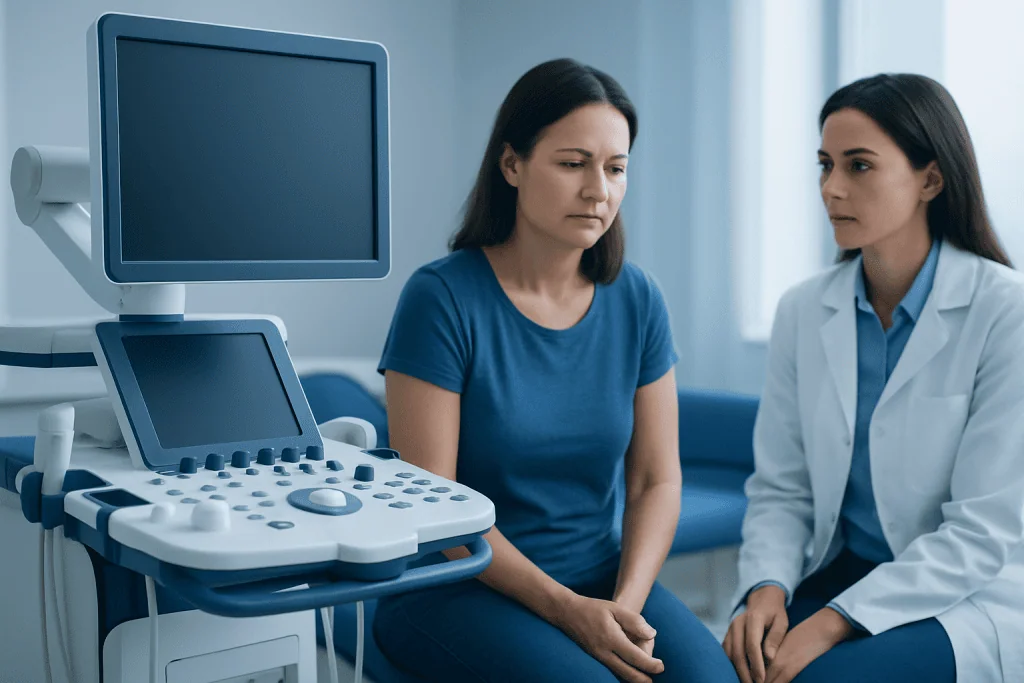
The symptoms of low testosterone in women can vary from person to person. Some women notice a reduced interest in sex or fewer sexual thoughts, while others are more aware of physical or emotional changes such as fatigue, reduced stamina, or loss of motivation. Symptoms may develop gradually, which can make them easy to dismiss as part of aging or a busy lifestyle.
Common symptoms that may be discussed with a doctor include:
- Reduced sexual desire or decreased sexual satisfaction
- Persistent tiredness or low energy
- Lower mood, reduced motivation, or a sense of diminished well-being
- Loss of muscle strength or difficulty maintaining muscle mass
- Possible reduction in bone strength over time
- Problems with concentration or mental clarity in some cases
These symptoms are not specific to testosterone deficiency. For example, low mood may relate to depression or anxiety, fatigue may stem from anemia or sleep problems, and sexual concerns may be linked to pain, relationship factors, medications, or estrogen changes around menopause. If symptoms occur alongside hot flashes, vaginal dryness, or menstrual changes, a doctor may also evaluate whether menopause-related hormone changes are playing a larger role.
Because symptoms are broad, self-diagnosis is unreliable. A medically guided evaluation helps identify whether testosterone is likely involved or whether another explanation is more likely.
Causes and risk factors

Several factors can contribute to low testosterone in women. Natural aging is one of the most common reasons. Testosterone levels generally decline over time, and some women notice symptoms during the menopausal transition or after menopause. Surgical removal of the ovaries can also lower testosterone production more abruptly because the ovaries are one of the main sources of this hormone.
Other possible causes include disorders affecting the pituitary gland, hypothalamus, ovaries, or adrenal glands. Certain chronic illnesses may influence hormone production, and some medications can affect testosterone levels or sexual function. Oral estrogen therapy, corticosteroids, opioids, and some antidepressants are examples of medicines that may be reviewed if symptoms are present.
Nutritional issues, very low body weight, intense physical stress, and significant emotional stress may also affect hormonal balance. In some women, the main issue is not truly low testosterone but another hormonal pattern that produces similar symptoms. Doctors may therefore assess for menopause, thyroid disease, depression, sleep disorders, or gynecologic concerns before concluding that testosterone deficiency is the primary cause.
Risk factors that may increase the chance of a hormonal evaluation include:
- Perimenopause or menopause
- Removal of the ovaries
- Adrenal or pituitary disorders
- Long-term use of certain medications
- Chronic illness, poor nutrition, or major stress
- Ongoing sexual symptoms that affect quality of life
How doctors make the diagnosis
Diagnosing low testosterone in women usually begins with a detailed medical history. A doctor asks about sexual symptoms, energy levels, mood, sleep, menstrual history, menopause status, medications, pregnancy history, and any chronic health conditions. The aim is to understand the whole picture rather than focus on a lab result alone.
Blood testing may be used, but interpreting testosterone levels in women can be challenging. Levels are much lower than in men, they can vary, and laboratory methods are not always equally precise at the low ranges seen in women. A doctor may order total testosterone and sometimes free testosterone or related tests, often along with thyroid function, estrogen status, and other hormone markers depending on the situation.
Because symptoms can overlap with many conditions, testing may also be directed toward likely alternatives or contributing causes. This may include evaluation for anemia, metabolic conditions, or reproductive hormone changes. If imaging or specialist assessment is needed, doctors may use broader endocrine or gynecologic workups, and in selected cases they may recommend a comprehensive check-up to assess possible contributing health issues.
A diagnosis is usually made only when symptoms are consistent with androgen deficiency and other likely explanations have been considered. This cautious approach helps avoid unnecessary treatment and supports more personalized care.
Treatment options and what to expect
Treatment for low testosterone in women depends on the cause, the severity of symptoms, and the woman’s overall health. If another condition is identified, the first step is usually to address that issue. For example, improving sleep, reviewing medication side effects, treating thyroid disease, or managing menopause-related symptoms may relieve the problem without direct testosterone treatment.
When symptoms are significant and a specialist believes testosterone deficiency is contributing, hormone therapy may be considered in carefully selected patients. In current practice, this is most often discussed for women with distressing low sexual desire after other causes have been evaluated. Treatment decisions should always be individualized, and patients should be informed about expected benefits, limitations, and the need for follow-up monitoring.
Hormone treatment is not appropriate for everyone. A doctor will weigh medical history, cancer risks, cardiovascular considerations, reproductive plans, and other hormones before recommending it. Follow-up is important because too much testosterone can cause side effects such as acne, increased body hair, scalp hair thinning, or voice changes.
Depending on a patient’s symptoms and stage of life, doctors may also discuss hormone therapy in a broader sense or involve specialists in gynecology and endocrinology to guide diagnosis and management. The goal is symptom relief and improved quality of life, not simply reaching a target number on a lab report.
Self-care and everyday support
Self-care cannot replace medical evaluation, but it can support overall hormonal and sexual health. Regular physical activity, especially strength training, may help preserve muscle mass, improve energy, and support mood. Good sleep habits, stress reduction, and a balanced eating pattern also matter because fatigue, low mood, and low libido are often influenced by lifestyle as well as hormones.
Women who notice changes in sexual desire may benefit from thinking broadly about sexual health. Relationship concerns, pain during sex, vaginal dryness, anxiety, body image, and chronic stress can all affect desire. Open discussion with a qualified clinician can help identify these contributors and lead to practical solutions.
Simple steps that may help support well-being include:
- Prioritizing consistent, restorative sleep
- Including resistance exercise and regular movement
- Eating enough protein and maintaining balanced nutrition
- Managing stress through relaxation techniques or counseling
- Reviewing medications with a doctor if symptoms started after a new prescription
- Seeking support for mood, relationship, or sexual pain concerns
Patients should be cautious with over-the-counter hormone boosters or supplements marketed for libido or energy. These products may not be well studied, may interact with medications, and may not address the real cause of symptoms.
When to seek medical care
Medical advice is appropriate when symptoms such as low libido, ongoing fatigue, low mood, or loss of strength persist for weeks or months and begin to affect daily life or relationships. It is especially reasonable to seek assessment if symptoms are new, worsening, or accompanied by menstrual changes, hot flashes, sleep disturbance, or sexual discomfort.
More urgent evaluation is important if there are signs that suggest another medical problem, such as unexplained weight loss, severe depression, fainting, marked weakness, new headaches with hormonal symptoms, or sudden changes after surgery or a medication change. These features do not necessarily mean a serious condition is present, but they should not be ignored.
A clinician may recommend evaluation by a primary care doctor, gynecologist, or endocrinologist depending on the symptom pattern. Near the end of the care pathway, if specialized assessment is needed, Acibadem International’s multidisciplinary specialists in JCI-accredited hospitals evaluate and treat hormonal conditions for international patients.
Frequently asked questions
Is low testosterone in women real?
Yes. Women naturally make testosterone in smaller amounts than men, and this hormone contributes to sexual desire, energy, and musculoskeletal health. However, diagnosing low testosterone in women is more complex than checking one lab value because symptoms and test interpretation must be considered together.
What are the most common symptoms of low testosterone in women?
Reduced sexual desire is one of the most commonly discussed symptoms. Some women also report fatigue, low mood, lower motivation, and reduced muscle strength, but these symptoms can also have many other causes.
Can menopause cause low testosterone in women?
Testosterone levels tend to decline with age, and symptoms may become more noticeable around perimenopause and menopause. At the same time, estrogen changes during this stage can cause similar symptoms, so a doctor usually evaluates the overall hormonal picture rather than focusing on testosterone alone.
How is low testosterone in women tested?
Doctors usually begin with a medical history and symptom review, followed by targeted blood tests if appropriate. Testing may include testosterone and other hormones, but results must be interpreted carefully because normal ranges vary and symptoms are not specific.
Is testosterone treatment safe for women?
It may be appropriate for selected women under medical supervision, especially when symptoms are significant and other causes have been considered. Treatment requires careful follow-up because excessive testosterone can lead to side effects and because not every patient will benefit from hormone therapy.
Can lifestyle changes help if testosterone is low?
Lifestyle changes may not directly correct a hormone deficiency, but they can improve many overlapping symptoms such as fatigue, low mood, and reduced strength. Regular exercise, good sleep, balanced nutrition, and stress management are often useful parts of a broader treatment plan.
This article is for general information only and is not a substitute for professional medical advice. Please consult a qualified doctor about your individual situation.
Explore treatments in Turkey — costs, top hospitals & a free quote
JCI-accredited · board-certified surgeons · reply within 24h
Add us as a Preferred Source to see more of our trusted health content across Google Search, AI Overviews and Discover.

More from the Health Library

Kola Nut: What Patients Need to Know

Svt Ablation: A Complete Medical Overview

Nsaids: What Patients Need to Know

Type 3 Diabetes: What Patients Need to Know

Monoclonal Antibodies: What Patients Need to Know