Head Itches and Hair Loss: What Patients Need to Know

An itchy scalp does not always cause hair loss directly, but both symptoms often share the same underlying scalp condition. Common causes include dandruff, seborrheic dermatitis, psoriasis, fungal infection, allergic reactions, and stress-related scratching.
Key Takeaways
- An itchy scalp does not always cause hair loss directly, but both symptoms often share the same underlying scalp condition.
- Common causes include dandruff, seborrheic dermatitis, psoriasis, fungal infection, allergic reactions, and stress-related scratching.
- Patchy hair loss, scaling, redness, pustules, or broken hairs may point to a specific diagnosis that needs treatment.
- Diagnosis may involve a scalp examination and sometimes skin scrapings, fungal tests, blood tests, or a biopsy.
- Early treatment can reduce inflammation, control symptoms, and help protect hair follicles from longer-term damage.
Head itches and hair loss can happen together when the scalp is irritated, inflamed, infected, or affected by a skin condition. In many cases the cause is treatable, but a medical assessment is important if symptoms are persistent, patchy, painful, or associated with visible scalp changes.
Overview: Why an Itchy Head and Hair Loss May Happen Together
Head itches and hair loss can occur together for several reasons, most commonly because the scalp is inflamed or irritated. The itching may come from dandruff, eczema-like scalp inflammation, psoriasis, allergy to hair products, or an infection. Hair shedding may happen at the same time because inflammation can disrupt the normal hair cycle, frequent scratching can damage fragile hairs, and some scalp diseases can affect the hair follicle itself.
Importantly, itching does not always mean that hair loss is permanent. Many people have temporary shedding linked to treatable scalp problems. However, some conditions can scar the scalp or damage follicles if they are not recognized early, which is why persistent symptoms deserve medical attention rather than repeated self-treatment alone.
This combination can also be confusing because not all hair loss starts in the scalp. Stress, hormonal changes, nutritional issues, and autoimmune conditions may lead to shedding while a separate scalp problem causes itching. A careful medical evaluation helps determine whether both symptoms come from one cause or from two overlapping issues.
How Symptoms May Present
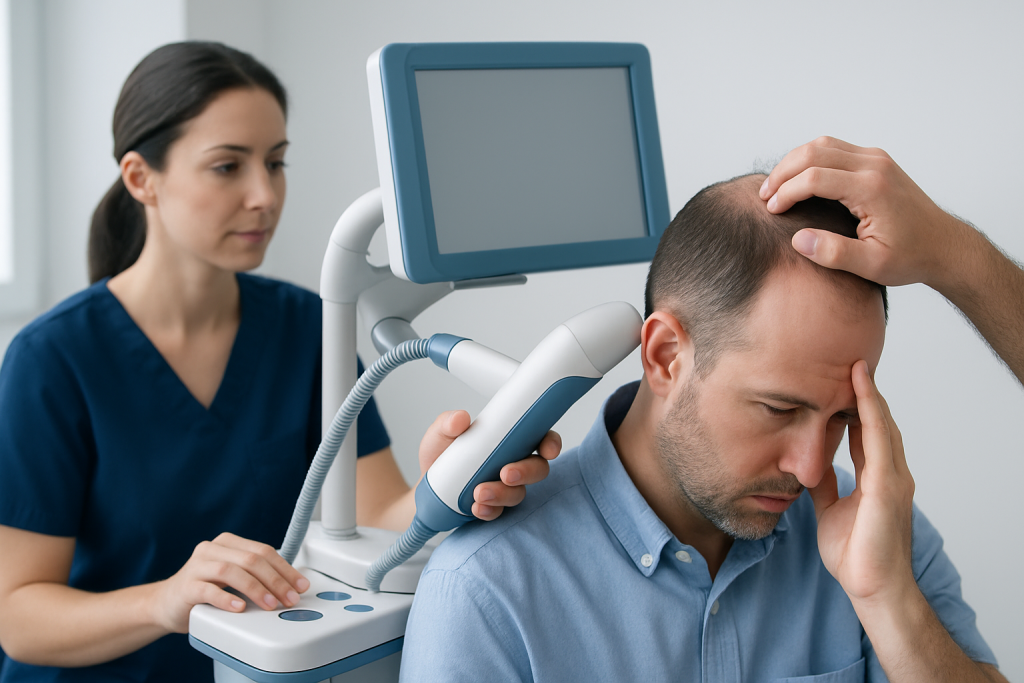
The symptoms vary depending on the underlying cause. Some people notice mild flaking and a general itchy feeling across the scalp, while others develop intense itching, patchy hair loss, redness, or sore areas. Hair may come out gradually during washing and brushing, or there may be a more sudden appearance of thinning or bald patches.
Details in the pattern can offer clues. Fine white or yellow flakes are common in dandruff and seborrheic dermatitis. Thick silvery scale may suggest psoriasis. Round patches with broken hairs can occur with fungal infection or alopecia areata. Tender bumps, crusting, oozing, or pus may point to infection or significant inflammation.
Other features that may accompany head itches and hair loss include:
- Burning, stinging, or scalp tenderness
- Dryness or a tight feeling of the scalp
- Visible redness or darker inflamed areas
- Greasy scale or buildup
- Hair breakage rather than true shedding from the root
- Itching around the ears, eyebrows, or beard area
Noticing these associated signs can help guide a doctor toward the right diagnosis and the most suitable treatment plan.
Common Causes and Risk Factors
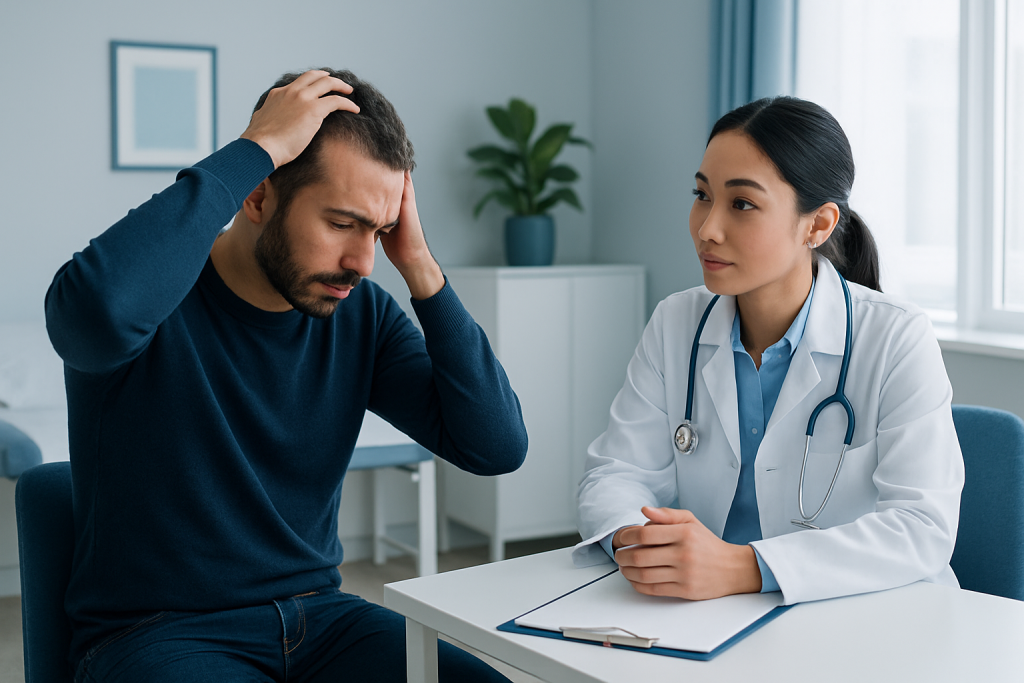
One of the most common explanations for head itches and hair loss is dandruff or seborrheic dermatitis. These conditions can lead to flaking, itchiness, and scalp inflammation. Although they do not usually destroy hair follicles, ongoing irritation and scratching may increase shedding. Another frequent cause is contact dermatitis, where the scalp reacts to hair dye, fragrance, shampoo ingredients, or styling products.
Inflammatory skin conditions can also affect the scalp. Psoriasis may cause thick plaques and temporary shedding in affected areas. Atopic dermatitis can lead to itch, dryness, and scratching-related breakage. Fungal infection of the scalp is especially important because it can cause scaling, broken hairs, and patchy hair loss; in some cases it requires prescription antifungal treatment. Some people with scalp symptoms may also have related skin disorders such as psoriasis.
In other cases, the main problem is a hair disorder rather than a surface scalp issue. Conditions such as alopecia can lead to patchy hair loss, and itching may occur before or during the process in some patients. Traction from tight hairstyles, frequent heat styling, and harsh chemical treatments can inflame the scalp and weaken hair shafts. Stress does not usually create scalp disease by itself, but it can worsen scratching, trigger shedding, and intensify awareness of discomfort.
Risk factors include a history of eczema or psoriasis, recent product changes, close contact with fungal infections, tight hairstyles, overuse of chemical treatments, and delayed treatment of scalp inflammation. Age, hormones, immune changes, and family history may also influence which diagnosis is most likely.
How Doctors Diagnose the Cause
Diagnosis starts with a detailed history and scalp examination. A doctor will usually ask when the itching and hair loss began, whether the hair is shedding diffusely or in patches, and whether there is flaking, pain, scaling, or discharge. Questions about recent stress, illness, pregnancy, medications, diet, hair care practices, and new products are also important.
During the examination, the scalp and hair shafts are assessed closely. The doctor may look for broken hairs, miniaturization, inflamed follicles, scales, plaques, or signs of scarring. In some cases, a dermatoscope is used to magnify the scalp and help distinguish between inflammatory, infectious, and autoimmune causes.
Additional tests are sometimes needed when the diagnosis is unclear or when symptoms are severe. These may include:
- Skin scrapings or fungal tests
- Swabs if bacterial infection is suspected
- Blood tests for thyroid, iron, or other contributing factors
- Patch testing for allergic contact dermatitis
- A scalp biopsy when scarring alopecia or another complex condition is suspected
Because different causes can look similar at first, accurate diagnosis matters. Treating presumed dandruff with over-the-counter products, for example, may delay care if the true problem is a fungal infection or an inflammatory hair disorder.
Treatment Options and What to Expect
Treatment depends on the underlying cause rather than the symptom alone. Medicated shampoos may help control dandruff and seborrheic dermatitis, while prescription anti-inflammatory lotions or foams are often used for more significant inflammation. If an allergic reaction is suspected, stopping the triggering product is essential. Fungal infections generally need antifungal medicine, and bacterial infections may require targeted treatment after medical assessment.
When a specific hair-loss condition is identified, treatment may focus on preserving follicles and supporting regrowth. For example, management of inflammatory scalp disease may be paired with a structured plan for hair loss treatment when appropriate. If there is an associated skin disorder, dermatology care can help address both the itch and the hair shedding at the same time.
Some patients with persistent scalp changes benefit from evaluation by specialists in dermatology or, when needed, further assessment with advanced imaging or laboratory work. In selected situations, doctors may also discuss supportive options such as hair transplant after the scalp condition is stable and active inflammation has been controlled.
Improvement may take time. Itching often settles before visible hair density returns because hair regrowth follows a slower cycle. Patients should use treatments exactly as directed and avoid stopping early if the scalp starts to feel better, since incomplete treatment can allow symptoms to return.
Self-Care, Prevention, and Scalp-Friendly Habits
Gentle scalp care can reduce irritation and support recovery, but it should complement rather than replace medical advice. Fragrance-free or mild shampoos may be helpful for sensitive scalps, while medicated shampoos should be used according to a doctor’s or pharmacist’s instructions. Scratching should be minimized as much as possible because it can worsen inflammation, increase breakage, and introduce bacteria through small skin injuries.
It is also sensible to review hair practices. Tight braids, heavy extensions, frequent bleaching, aggressive brushing, and high heat from styling tools can all add stress to an already irritated scalp. Washing habits matter as well: too little cleansing can allow scale and oil to build up, while overly harsh cleansing may worsen dryness and itch.
Helpful self-care steps include:
- Choosing gentle hair products and avoiding known irritants
- Limiting scratching and keeping nails short
- Avoiding tight hairstyles that pull on the roots
- Reducing harsh chemical treatments until the scalp heals
- Following prescribed treatment consistently
- Seeking advice before using multiple over-the-counter products at once
When symptoms continue despite basic scalp care, further evaluation is the safest approach. Near the end of the care pathway, some international patients may choose centers such as Acibadem International, where multidisciplinary specialists in JCI-accredited hospitals assess and treat scalp disorders and hair loss.
When to Seek Medical Care
Medical care is advisable if head itches and hair loss persist for more than a short period, return repeatedly, or interfere with daily life. A doctor should also assess symptoms that are worsening despite home care or over-the-counter shampoo, especially if the scalp looks inflamed or the hair loss becomes more noticeable.
Prompt evaluation is particularly important if there are bald patches, pain, swelling, thick scale, crusting, oozing, fever, or broken hairs. These features may suggest infection, significant inflammation, or a condition that could damage hair follicles if treatment is delayed. Children with patchy hair loss and scalp scaling should also be examined because fungal scalp infection can spread and needs specific treatment.
Anyone who notices scarring, smooth shiny areas of scalp, or loss of eyebrow or body hair should arrange a professional evaluation. A qualified doctor can determine whether the problem is temporary shedding, a treatable scalp disorder, or a more complex hair condition requiring specialist care.
Frequently asked questions
Can itching itself cause hair loss?
Itching alone does not usually damage hair follicles permanently. However, repeated scratching can break hairs, irritate the scalp, and worsen shedding. The underlying condition causing the itch is often the main reason both symptoms occur together.
Is dandruff a common reason for head itches and hair loss?
Yes, dandruff and seborrheic dermatitis are common causes of an itchy scalp and may be associated with temporary shedding. Inflammation and scratching can make hair fall more noticeable. Proper treatment usually helps control symptoms and may reduce excess shedding.
Does an itchy scalp mean the hair will not grow back?
Not necessarily. Many causes of itchy scalp lead to temporary hair loss, and hair often regrows once the scalp condition is treated. Regrowth may take weeks to months, depending on the cause and the stage of the hair cycle.
Could a fungal infection be responsible?
Yes, fungal infection of the scalp can cause itching, scaling, broken hairs, and patchy hair loss. It usually requires medical diagnosis and prescription treatment. It is best not to rely only on standard dandruff shampoos if fungal infection is possible.
When should someone worry about scarring hair loss?
Concern is higher if the scalp looks shiny, scarred, very inflamed, painful, or if hair loss is patchy and progressive. These signs can suggest conditions that may injure hair follicles more permanently. Early dermatology assessment is important in this situation.
Can stress cause both scalp itching and hair shedding?
Stress can contribute to hair shedding and may make scalp discomfort feel worse, but it is not always the whole explanation. Many people with stress-related shedding also have a separate scalp condition such as dandruff or irritation from products. A doctor can help sort out these overlapping causes.
References
- American Academy of Dermatology
- National Institute of Arthritis and Musculoskeletal and Skin Diseases
- National Health Service
- Mayo Clinic
- MedlinePlus
This article is for general information only and is not a substitute for professional medical advice. Please consult a qualified doctor about your individual situation.
Hair transplant in Turkey — costs, graft counts & a free assessment
JCI-accredited · board-certified surgeons · reply within 24h
Add us as a Preferred Source to see more of our trusted health content across Google Search, AI Overviews and Discover.

More from the Health Library
Pictures of Bumps on Gums — Explained by Medical Evidence, Not Myths

Cellcept — Explained by Medical Evidence, Not Myths

Deviated Septum — Explained by Medical Evidence, Not Myths

Labral Tear: A Complete Medical Overview
CRP — Explained by Medical Evidence, Not Myths