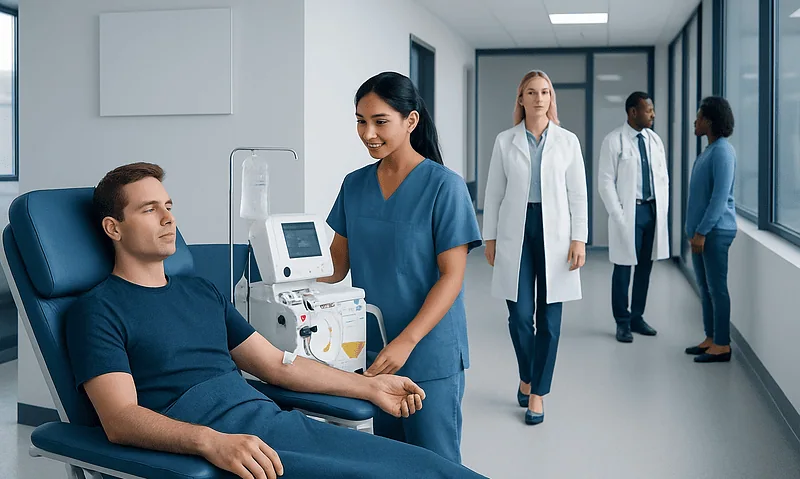
Seeing Stars — Explained by Medical Evidence, Not Myths

Seeing stars is a common description for visual flashes, sparkles, or bright spots, medically often called photopsia. Short episodes can happen after rubbing the eyes, standing up quickly, coughing, or minor strain.
Key Takeaways
- Seeing stars is a common description for visual flashes, sparkles, or bright spots, medically often called photopsia.
- Short episodes can happen after rubbing the eyes, standing up quickly, coughing, or minor strain.
- Migraine, low blood pressure, eye conditions, and less commonly head injury or retinal problems can also cause it.
- New flashes with many floaters, a curtain over vision, eye pain, or vision loss need urgent medical attention.
- A doctor may assess the eyes, blood pressure, medications, and nervous system to find the cause.
Seeing stars usually refers to brief flashes, sparkles, or bright spots in vision. It is often harmless and short-lived, but persistent, one-sided, or sudden symptoms can sometimes point to an eye, blood pressure, or neurological problem that needs medical assessment.
Overview: what “seeing stars” usually means
Seeing stars is a non-medical phrase people use for flashes, sparkles, streaks, or bright dots in their vision. In medical terms, these symptoms are often called photopsia. They may appear after pressure on the eye, a sudden change in blood flow, a migraine, or changes inside the eye itself.
In many cases, seeing stars lasts only seconds and is not dangerous. For example, a person may notice brief sparkles after standing up too fast, coughing hard, or rubbing the eyes. The visual effect happens because the retina, optic nerve, or visual parts of the brain are being stimulated in an unusual way.
However, not all episodes are the same. New or repeated flashes, especially in one eye, deserve more attention than a short, familiar episode after minor strain. If seeing stars comes with a shower of floaters, loss of side vision, severe headache, weakness, or recent trauma, a healthcare professional should evaluate it promptly.
What seeing stars can look and feel like
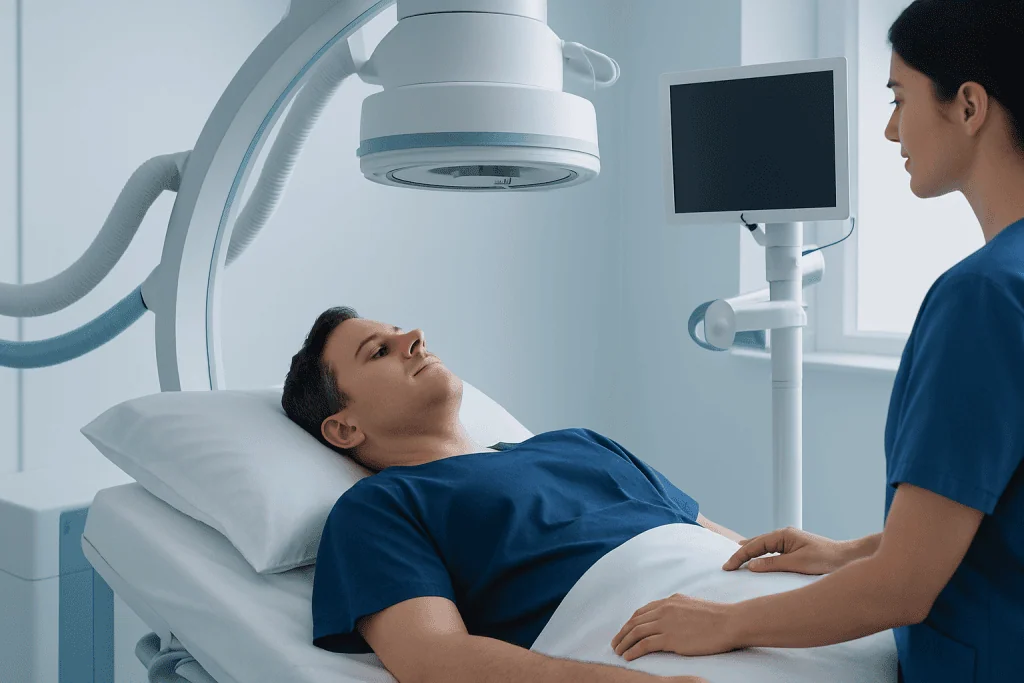
People describe seeing stars in different ways. Some notice tiny twinkling lights, while others see arcs, zigzags, silver sparks, or camera-flash effects. The symptom may affect one eye or seem to involve both eyes, and this difference can give clues about where the problem starts.
When the source is in the eye, the flashes are often most noticeable in darkness or with eye movement. When the source is in the brain’s visual pathways, the lights may appear more patterned, such as shimmering lines or expanding shapes, as can happen with migraine aura. Some people also notice blurred vision, dizziness, nausea, or a headache at the same time.
Helpful details include how long the episode lasts, whether it is triggered by position change or exertion, and whether there are other eye symptoms. A clinician may ask about:
- Whether the flashes affect one eye or both
- How long the symptom lasts
- Whether it happens after standing up, exercise, coughing, or rubbing the eyes
- Whether there are floaters, blurred vision, or a shadow in the visual field
- Any history of migraine, eye disease, injury, or recent medication changes
Common causes of seeing stars

A brief episode of seeing stars is often caused by harmless mechanical or circulation-related changes. Pressing or rubbing the eye can stimulate the retina and create momentary flashes. Standing up quickly may briefly lower blood flow to the brain, leading to lightheadedness and visual sparkles. Straining during coughing, sneezing, vomiting, or heavy lifting can produce a similar effect in some people.
Migraine is another common cause. A migraine aura can create flashing lights, zigzags, or shimmering blind spots, sometimes even without a strong headache. These episodes usually develop over several minutes and then fade. People who have repeated visual symptoms may benefit from assessment for migraine or other headache-related conditions.
Eye-related causes are important because some need urgent treatment. Changes in the gel inside the eye, called the vitreous, can tug on the retina and create flashes. This may happen with aging and can be benign, but sometimes retinal traction can lead to a tear or detachment. In that setting, flashes may be accompanied by many new floaters or a curtain-like shadow. A person with sudden eye symptoms may need evaluation in ophthalmology and, in some cases, detailed eye examination.
Less commonly, seeing stars can be linked to head injury, low blood pressure, dehydration, anemia, or medication effects. Cardiovascular rhythm problems or fainting episodes can also reduce blood flow enough to produce visual dimming or sparkles. Because the symptom has several possible sources, its meaning depends on the full pattern rather than the phrase alone.
Risk factors and clues that help identify the cause
Certain factors make some causes more likely. Migraine often runs in families and may be triggered by poor sleep, stress, dehydration, or certain hormonal changes. Age-related vitreous changes become more common over time, and some eye conditions are more likely in people who are highly nearsighted or who have had eye surgery or injury.
Medications can also contribute indirectly if they affect blood pressure, hydration, or vision. A clinician may review prescription medicines, supplements, and recent changes in dosage. People with diabetes, vascular disease, or a history of stroke may need broader evaluation if visual symptoms are unusual, prolonged, or paired with neurological complaints.
Timing is especially useful. Seeing stars immediately after standing up points toward a temporary blood pressure drop. Flashes triggered by eye movement can suggest vitreoretinal traction. Visual symptoms that slowly spread over 10 to 30 minutes fit better with migraine aura than with a retinal emergency. The pattern does not confirm the diagnosis on its own, but it helps guide the next steps safely.
How doctors diagnose seeing stars
Diagnosis starts with the history. A doctor will ask what the person sees, whether the flashes affect one or both eyes, how long they last, what triggers them, and whether there are floaters, vision loss, headache, dizziness, or fainting. Even simple details, such as whether covering one eye changes the symptom, can be useful.
The examination may include vision testing, pupil responses, eye movement assessment, blood pressure measurement, and a neurological review. If an eye cause is suspected, the pupils may be dilated so the retina can be examined carefully. This is important when there are warning signs for a retinal tear or detachment. Depending on the findings, the person may be referred for neurology or specialist eye care.
Additional tests are chosen based on the likely cause rather than done routinely for everyone. These may include retinal imaging, optical coherence tomography, blood tests for anemia or metabolic problems, heart rhythm assessment, or brain imaging when neurological symptoms suggest a central cause. The goal is to identify serious conditions quickly while avoiding unnecessary testing when the symptoms are clearly benign and self-limited.
Treatment depends on the underlying cause
There is no single treatment for seeing stars because it is a symptom, not a diagnosis. If the cause is temporary eye pressure or a brief circulation change, no specific medical treatment may be needed beyond avoiding triggers and staying well hydrated. Episodes related to standing up too quickly may improve with slower position changes and attention to fluid intake, especially in hot weather or during illness.
When migraine is responsible, treatment focuses on migraine management. That may include identifying triggers, improving sleep habits, and using clinician-recommended medicines for acute attacks or prevention. If low blood pressure, anemia, dehydration, or a medication side effect is contributing, treatment addresses that problem directly.
Eye-related causes vary widely. Benign age-related vitreous changes may simply be monitored, while retinal tears or detachment need urgent specialist treatment to protect vision. Visual symptoms after head trauma may require emergency evaluation. Because the correct treatment depends on the source, self-diagnosis is not reliable when symptoms are new, frequent, or changing.
Near the end of the diagnostic pathway, some people may need coordinated care from more than one specialty. Acibadem International’s multidisciplinary specialists and JCI-accredited hospitals evaluate visual symptoms for international patients when eye, neurological, or general medical causes need to be considered together.
Prevention and self-care for brief, harmless episodes
Not every episode can be prevented, but some practical steps may reduce recurrence. Rising slowly from bed or from a chair can help if symptoms are related to a sudden drop in blood pressure. Drinking enough fluids, eating regularly, and avoiding prolonged overheating may also lower the chance of lightheadedness and visual sparkles.
For people with migraine-related visual symptoms, keeping a symptom diary can be useful. Tracking sleep, stress, meals, hydration, menstrual timing, and screen exposure may reveal patterns. Eye comfort also matters: avoiding vigorous eye rubbing and managing eye strain with breaks during close work may reduce transient symptoms in some individuals.
Self-care should not replace medical assessment when warning signs are present. It is reasonable to monitor a very brief, familiar episode after obvious strain, but recurrent or unexplained flashes should be discussed with a qualified doctor. Protecting overall health through blood pressure management, regular checkups, and prompt attention to vision changes supports both eye and brain health.
When to seek medical care
Urgent medical care is important if seeing stars is new and comes with many floaters, a dark curtain or shadow over vision, sudden vision loss, eye pain, or recent eye or head injury. These features can signal a retinal tear, retinal detachment, bleeding, or another problem that should be assessed without delay.
Same-day or emergency assessment is also important if the symptom comes with fainting, chest pain, severe headache, weakness, numbness, trouble speaking, confusion, or symptoms suggestive of a neurological disorder or stroke-like event. Although many cases are not emergencies, visual symptoms should never be ignored when they are accompanied by broader neurological or cardiovascular warning signs.
A non-urgent medical appointment is appropriate if the symptom keeps returning, is different from past episodes, or is affecting daily activities. A clinician can help determine whether the cause is related to migraine, blood pressure, medication effects, aging changes in the eye, or another condition. Early evaluation is reassuring when the cause is benign and especially valuable when treatment is needed.
Frequently asked questions
Is seeing stars usually serious?
Usually not. Many short episodes happen after rubbing the eyes, standing up too quickly, or with migraine aura. It becomes more concerning when it is sudden, persistent, one-sided, or accompanied by floaters, vision loss, pain, fainting, or neurological symptoms.
Can low blood pressure make someone see stars?
Yes. A sudden drop in blood pressure, especially after standing up quickly, can briefly reduce blood flow to the brain and cause lightheadedness with sparkles or dimming of vision. If this happens often, a doctor should assess hydration, medications, and circulation.
What is the difference between seeing stars and floaters?
Seeing stars usually means flashes, sparkles, or brief bright phenomena. Floaters are small moving specks, threads, or cobweb-like shapes that drift across the visual field. New flashes together with many new floaters should be checked promptly because they can occur with retinal problems.
Can migraine cause seeing stars without a headache?
Yes. Some people have migraine aura without a strong headache, and the visual symptoms can include shimmering lights, zigzags, or blind spots. Even so, new visual symptoms should not automatically be assumed to be migraine until a clinician has considered other causes.
Should someone go to the emergency room for seeing stars?
Emergency care is appropriate if seeing stars comes with sudden vision loss, a curtain over vision, severe eye pain, eye or head injury, fainting, chest pain, weakness, numbness, or trouble speaking. These features can suggest a retinal emergency, stroke-like event, or another urgent condition.
Can dehydration cause seeing stars?
Yes, dehydration can contribute by lowering blood pressure or making a person feel faint, which may lead to brief visual sparkles or dimming. Rehydration may help, but repeated episodes still deserve medical review, especially if other symptoms are present.
This article is for general information only and is not a substitute for professional medical advice. Please consult a qualified doctor about your individual situation.
Explore treatments in Turkey — costs, top hospitals & a free quote
JCI-accredited · board-certified surgeons · reply within 24h
Add us as a Preferred Source to see more of our trusted health content across Google Search, AI Overviews and Discover.
Check your numbers in seconds
BMI, calories, due date, blood pressure and 30+ more clinical calculators — free, instant, doctor-reviewed ranges.

More from the Health Library
Weight Loss Patch: An Evidence-Based Guide for Patients

Ear Piercings — Explained by Medical Evidence, Not Myths

Sleep Hygiene: What Patients Need to Know
Ectopy — Explained by Medical Evidence, Not Myths
Cold Sore in Nose — Explained by Medical Evidence, Not Myths