Sleep Hygiene: What Patients Need to Know

Sleep hygiene refers to behaviors and environmental habits that support consistent, restorative sleep. A regular sleep-wake schedule is one of the most effective sleep hygiene strategies.
Key Takeaways
- Sleep hygiene refers to behaviors and environmental habits that support consistent, restorative sleep.
- A regular sleep-wake schedule is one of the most effective sleep hygiene strategies.
- Caffeine, alcohol, late heavy meals, screens, and an uncomfortable sleep environment can all interfere with sleep quality.
- Persistent insomnia, loud snoring, breathing pauses, or excessive daytime sleepiness may signal an underlying sleep disorder.
- Sleep hygiene works best when it is practiced consistently rather than only on difficult nights.
Sleep hygiene is the set of daily habits and bedroom routines that help the body fall asleep more easily and stay asleep more consistently. Good sleep hygiene does not treat every sleep problem on its own, but it is a practical foundation for better sleep, daytime energy, and overall health.
Overview: what sleep hygiene means
Sleep hygiene is a term used for the habits, routines, and surroundings that make healthy sleep more likely. In simple terms, it means setting up the day and the bedroom in ways that help the brain and body recognize when it is time to rest. This includes sleep timing, light exposure, food and drink choices, activity patterns, and the sleep environment itself.
Good sleep hygiene is not a single trick or product. It is a group of practical behaviors that support the body’s natural sleep-wake rhythm. For many people, these steps improve how quickly they fall asleep, how often they wake during the night, and how refreshed they feel in the morning.
It is also important to set realistic expectations. Sleep hygiene can be very helpful, but it is not a cure for every sleep complaint. If poor sleep is driven by conditions such as chronic insomnia, sleep apnea, depression, anxiety, pain, or certain medications, medical evaluation may still be needed. Even then, sleep hygiene remains an important part of care.
Why sleep hygiene matters for health
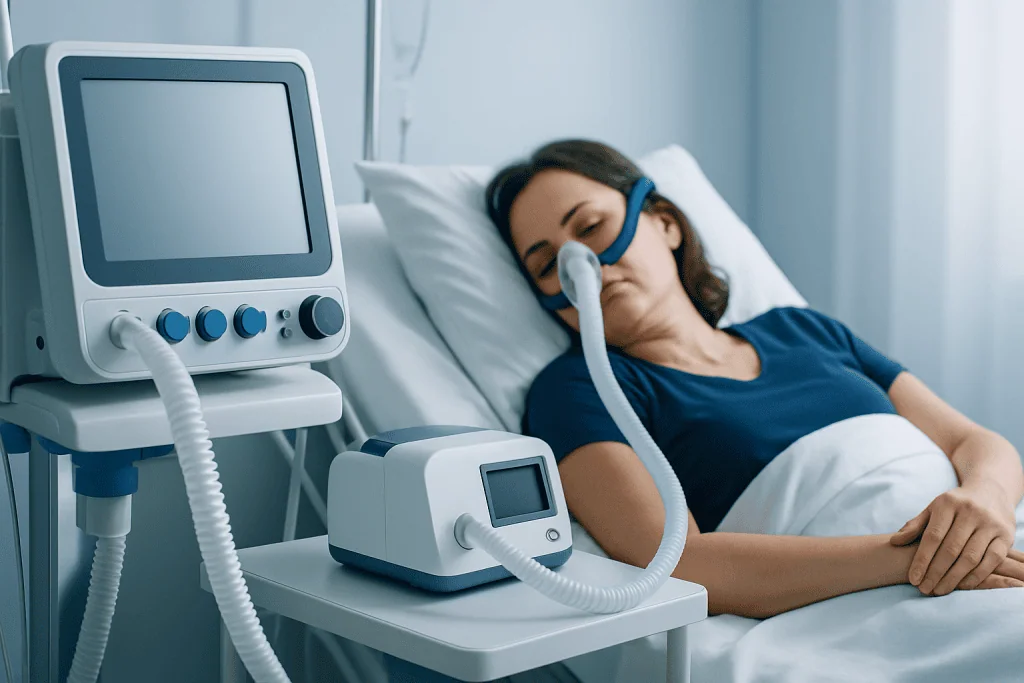
Sleep affects attention, mood, memory, immune function, metabolism, and cardiovascular health. When sleep is short, fragmented, or poor in quality, a person may feel irritable, foggy, or less productive during the day. Over time, ongoing poor sleep can also affect emotional well-being and make existing health problems harder to manage.
Sleep hygiene matters because the body responds strongly to routine. Regular sleep and wake times help support the internal body clock, also called the circadian rhythm. Light in the morning, reduced stimulation at night, and a calm sleep setting all send clear signals that strengthen this rhythm.
Better sleep hygiene can benefit people of many ages and lifestyles, including students, shift workers, parents of young children, older adults, and people recovering from illness. It is especially useful when sleep has become irregular due to travel, stress, excess screen time, or a crowded daily schedule.
Sleep hygiene is best understood as prevention and support, not perfection. Occasional poor nights happen to everyone. The goal is to build steady habits that make good sleep more likely most nights, rather than trying to control every detail of sleep.
Signs that sleep habits may be part of the problem

Not every sleep difficulty is caused by poor habits, but some patterns suggest that sleep hygiene may be contributing. These include going to bed and waking up at very different times each day, spending long periods in bed awake, falling asleep with the television or phone on, drinking caffeine late in the day, or taking long daytime naps that delay bedtime.
Common symptoms linked to disrupted sleep habits can include trouble falling asleep, frequent night waking, feeling unrefreshed in the morning, daytime fatigue, poor concentration, and irritability. Some people also notice that they sleep better on weekends than on workdays, which may point to an inconsistent schedule.
It is still important to look beyond habits when symptoms are more severe. Loud snoring, pauses in breathing, gasping during sleep, restless legs, sleepwalking, morning headaches, or overwhelming daytime sleepiness may suggest a medical sleep disorder rather than a simple routine problem. In those situations, assessment by a qualified clinician is appropriate.
People with long-lasting insomnia may also benefit from structured treatment such as sleep therapy, particularly when worry about sleep itself has become part of the cycle.
What can disrupt healthy sleep
Many factors can work against healthy sleep, even when a person feels tired. Stimulants such as caffeine and nicotine can delay sleep onset. Alcohol may make a person drowsy at first, but it often fragments sleep later in the night. Heavy meals close to bedtime, especially if they trigger reflux or discomfort, can also interfere with rest.
Light and stimulation are major contributors. Bright overhead lighting, phone use, late-night gaming, emotionally activating conversations, and work brought into bed can all keep the brain alert. Bedrooms that are noisy, too warm, too bright, or uncomfortable may lead to repeated awakenings and lighter sleep.
Daily routines also play a role. Irregular schedules, shift work, jet lag, low daytime activity, little natural light exposure, and long naps can all confuse the circadian rhythm. Stress is another common factor. When the mind stays busy with planning, worry, or replaying the day, the body may remain in a more activated state at bedtime.
Finally, underlying medical issues sometimes disrupt sleep even when habits are good. Examples include chronic pain, thyroid problems, menopause symptoms, depression, anxiety, and breathing-related sleep disorders. Some people may require tests such as a sleep study if a clinician suspects a condition beyond lifestyle factors.
Core sleep hygiene habits that help
The most effective sleep hygiene approach is usually a simple, consistent one. Going to bed and waking up at about the same times every day helps anchor the body clock. Keeping the same wake time is often especially helpful, even after a poor night, because sleeping in can make the next bedtime harder.
A short wind-down routine can also be useful. This may include dimming lights, stopping work, putting away screens, taking a warm shower, reading something calming, gentle stretching, or quiet breathing exercises. The goal is to help the body shift from daytime activity into nighttime rest.
Helpful sleep hygiene habits often include:
- Getting morning daylight exposure when possible
- Being physically active during the day
- Avoiding caffeine later in the day if it affects sleep
- Limiting alcohol close to bedtime
- Keeping naps short and earlier in the day, if naps are needed
- Making the bedroom dark, quiet, and comfortably cool
- Using the bed mainly for sleep and intimacy rather than work or scrolling
If a person cannot fall asleep after a while, it may help to leave the bed briefly and do a quiet, low-light activity until sleepiness returns. This can prevent the bed from becoming associated with frustration or wakefulness. Over time, these habits can support a stronger connection between bed and sleep.
How doctors evaluate ongoing sleep problems
When sleep problems continue despite good sleep hygiene, medical assessment can help clarify the cause. A doctor will usually ask about the sleep schedule, time needed to fall asleep, nighttime awakenings, snoring, breathing pauses, movement during sleep, medication use, stress, and daytime symptoms such as sleepiness or difficulty concentrating.
A sleep diary kept for one to two weeks can be very useful. It may show patterns involving bedtime, naps, caffeine, or variable wake times. In some cases, questionnaires are used to assess insomnia severity, daytime sleepiness, or the likelihood of a breathing-related disorder.
If there are signs of a specific sleep condition, further testing may be recommended. For example, people with loud snoring, witnessed pauses in breathing, morning headaches, or unrefreshing sleep may need evaluation for insomnia or other sleep conditions, and some may be referred for sleep medicine assessment. Testing depends on the symptoms and is not necessary for every patient.
Treatment is guided by the diagnosis. Some people improve with education and behavior changes alone, while others need more targeted care. Depending on the problem, this may include multidisciplinary rehabilitation support for associated neurologic or functional concerns, mental health care, medication review, or management of a specific sleep disorder.
Prevention and self-care in everyday life
Good sleep hygiene is easiest to maintain when it fits into real life rather than feeling rigid. Small changes are often more sustainable than a complete routine overhaul. For example, a person may start by setting a consistent wake time, reducing evening caffeine, and creating a 20-minute wind-down period before bed.
Bedroom conditions matter more than many people realize. A supportive mattress and pillow, reduced noise, limited light, and a comfortable room temperature can improve sleep continuity. If outside noise is a problem, simple steps such as white noise, earplugs, or heavier curtains may help some people.
Digital boundaries are also increasingly relevant. Phones can delay sleep not only because of light exposure, but because messages, news, and social media keep the mind engaged. Charging devices outside the bedroom or setting a nightly screen cutoff can make bedtime feel calmer and more predictable.
For international patients who need specialist evaluation, Acibadem International’s multidisciplinary teams in JCI-accredited hospitals diagnose and treat sleep-related conditions with a personalized approach. Self-care remains valuable, but persistent symptoms deserve professional guidance rather than self-diagnosis.
When to seek medical care
A person should consider medical advice if sleep problems last for several weeks, interfere with daytime functioning, or continue despite consistent sleep hygiene. Trouble staying alert at work or while driving, waking with headaches, or relying regularly on alcohol or sleep aids to sleep are also reasons to speak with a clinician.
Prompt evaluation is especially important if there is loud snoring, choking or gasping during sleep, witnessed pauses in breathing, unusual movements, sleepwalking, severe restless sensations in the legs, or sudden episodes of falling asleep unintentionally. These symptoms may point to a sleep disorder that needs diagnosis and treatment.
Children, older adults, pregnant individuals, and people with chronic medical or mental health conditions may need tailored advice. Sleep can also be affected by medications, pain, hormonal changes, and neurological conditions. A qualified doctor can help determine whether lifestyle changes are enough or whether further testing is needed.
Frequently asked questions
What is sleep hygiene in simple terms?
Sleep hygiene means the daily habits and nighttime routines that support good sleep. It includes keeping a regular sleep schedule, creating a restful bedroom, and avoiding things that make sleep harder, such as late caffeine or too much screen time before bed.
Can sleep hygiene cure insomnia?
Sleep hygiene can improve sleep for many people, but it does not cure every case of insomnia. If insomnia is persistent or linked to anxiety, depression, pain, or another sleep disorder, a doctor may recommend additional treatment.
How long does it take for sleep hygiene to work?
Some people notice improvement within days, but for many, meaningful change takes several weeks of consistent practice. The body’s sleep rhythm usually responds better to steady routines than to occasional efforts.
Is it bad to use a phone in bed?
Using a phone in bed can make sleep more difficult for some people. The light, mental stimulation, and habit of continuing to scroll can delay sleep onset and reduce the association between bed and rest.
Are naps good or bad for sleep hygiene?
Naps are not always harmful, but long or late naps can make it harder to fall asleep at night. If a nap is needed, keeping it shorter and earlier in the day is often more sleep-friendly.
When should someone worry that poor sleep is more than a habit problem?
Medical advice is appropriate when poor sleep lasts for weeks, affects daytime function, or happens alongside loud snoring, breathing pauses, gasping, unusual movements, or severe daytime sleepiness. These features may suggest an underlying sleep disorder rather than sleep hygiene alone.
References
- American Academy of Sleep Medicine
- National Heart, Lung, and Blood Institute
- Centers for Disease Control and Prevention
- National Institute of Neurological Disorders and Stroke
- World Health Organization
This article is for general information only and is not a substitute for professional medical advice. Please consult a qualified doctor about your individual situation.
Explore treatments in Turkey — costs, top hospitals & a free quote
JCI-accredited · board-certified surgeons · reply within 24h
Add us as a Preferred Source to see more of our trusted health content across Google Search, AI Overviews and Discover.

More from the Health Library

Trismus: A Complete Medical Overview

It Band Stretches: What Patients Need to Know

It Band: A Complete Medical Overview

Red Blood Cells: What Patients Need to Know

Dry Eyelids: A Complete Medical Overview