Gallbladder Rupture: A Complete Medical Overview

Gallbladder rupture usually happens as a complication of acute gallbladder inflammation, often related to gallstones. Common warning signs include severe upper abdominal pain, fever, nausea, vomiting, and worsening illness.
Key Takeaways
- Gallbladder rupture usually happens as a complication of acute gallbladder inflammation, often related to gallstones.
- Common warning signs include severe upper abdominal pain, fever, nausea, vomiting, and worsening illness.
- Doctors diagnose it with a physical exam, blood tests, and imaging such as ultrasound or CT scan.
- Treatment often includes urgent hospital care, antibiotics, drainage in some cases, and surgery to remove the gallbladder.
- Prompt medical attention improves outcomes and lowers the risk of widespread infection and abdominal complications.
Gallbladder rupture is a tear or perforation in the gallbladder wall, most often linked to severe inflammation, infection, or blocked bile flow. It is a medical emergency because leaking bile or infection can spread into the abdomen and lead to serious complications if not treated promptly.
Overview
Gallbladder rupture, also called gallbladder perforation, means that a hole or tear develops in the wall of the gallbladder. The gallbladder is a small organ under the liver that stores bile, a digestive fluid that helps break down fats. When the gallbladder wall becomes severely inflamed, infected, or loses its blood supply, it can weaken and eventually rupture.
This condition is uncommon, but it is serious and requires urgent medical care. A rupture can allow bile, pus, or infected fluid to leak into the abdomen. In some people, the leak stays localized and forms an abscess. In others, it can spread more widely and cause peritonitis or sepsis, which are medical emergencies.
Gallbladder rupture most often develops as a complication of acute cholecystitis, which is sudden inflammation of the gallbladder. This usually begins when a gallstone blocks the cystic duct and traps bile. Readers who want background on this related condition may find cholecystitis helpful to review.
How gallbladder rupture develops
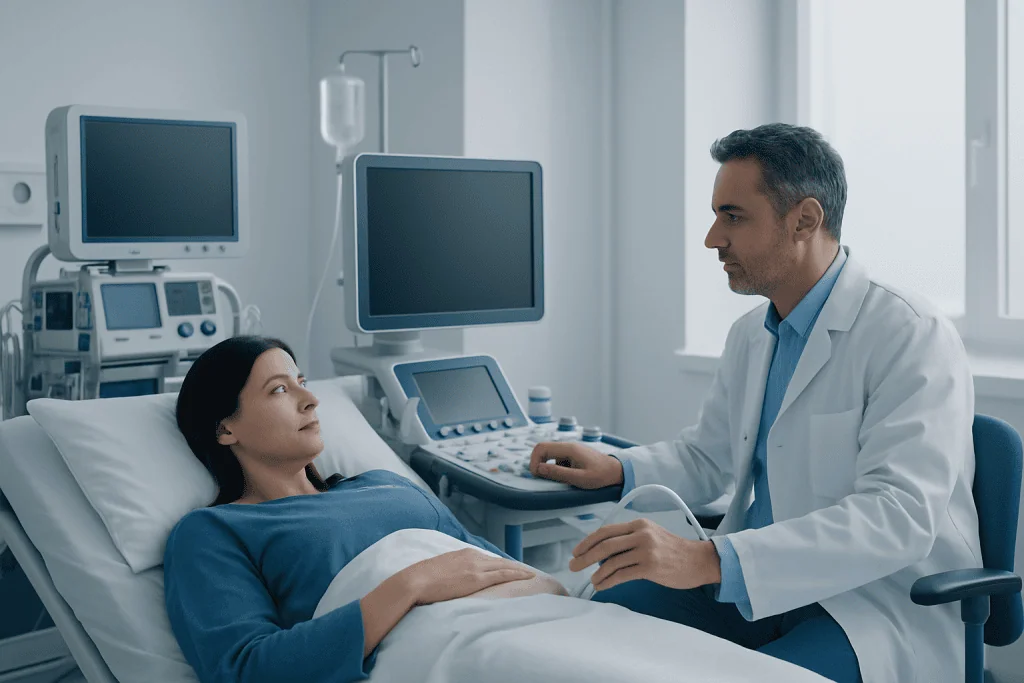
In many cases, gallbladder rupture does not happen suddenly without warning. It typically develops after hours or days of ongoing inflammation inside the gallbladder. When bile cannot drain normally, pressure rises inside the organ. The wall becomes swollen, irritated, and vulnerable to damage.
If this process continues, blood flow to part of the gallbladder wall may decrease. Reduced blood supply can lead to tissue death, called necrosis. Once the tissue becomes weak enough, it may tear. The tear can be small and contained or larger and more dangerous.
Doctors sometimes describe rupture patterns as localized, free, or chronic. A localized perforation may be surrounded by nearby tissues, limiting the spread. A free perforation spills contents into the abdominal cavity and usually causes more severe illness. Chronic perforation may create an abnormal connection, called a fistula, between the gallbladder and another organ such as the intestine.
Because the early symptoms may resemble a severe gallbladder attack, diagnosis can be delayed. This is one reason persistent or worsening symptoms should not be ignored, especially in someone already known to have gallstones.
Symptoms and warning signs
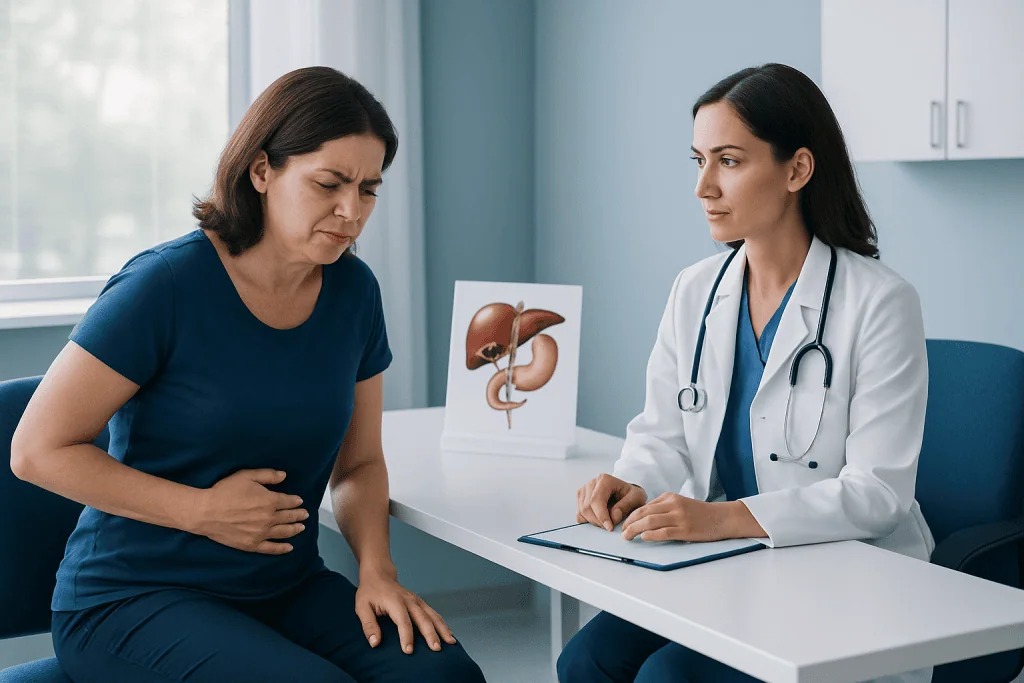
The symptoms of gallbladder rupture can vary depending on whether the leak is small and contained or more widespread. Many people first experience symptoms similar to acute gallbladder inflammation. These often include steady pain in the upper right abdomen, tenderness, nausea, vomiting, fever, and a general feeling of being unwell.
If rupture occurs, symptoms may suddenly worsen or fail to improve after an apparent gallbladder attack. Pain may become more intense, spread across the abdomen, or be accompanied by abdominal swelling. Some people develop chills, fast heart rate, weakness, confusion, or signs of dehydration.
Possible symptoms and signs include:
- Severe pain in the upper right or middle abdomen
- Fever or chills
- Nausea and vomiting
- Abdominal tenderness or guarding
- Bloating or a rigid abdomen
- Jaundice in some cases
- Low blood pressure, dizziness, or faintness in severe infection
Older adults, people with diabetes, and those with weakened immune systems may not show classic symptoms early on. They may have less obvious pain but become progressively weaker or more confused. Because of this, any concerning change in condition deserves medical assessment.
Causes and risk factors
The most common cause of gallbladder rupture is acute cholecystitis caused by gallstones. A stone can block bile outflow, leading to pressure, inflammation, bacterial infection, and eventual breakdown of the gallbladder wall. Less commonly, rupture can happen without stones, especially in critically ill patients; this form is known as acalculous cholecystitis.
Other possible causes include severe infection, trauma to the abdomen, tumors affecting the gallbladder, and reduced blood supply to the organ. In rare cases, gallbladder injury may occur after a procedure or in the setting of widespread serious illness. Although uncommon, these situations can also lead to perforation.
Risk factors that may increase the chance of rupture include:
- Untreated or severe gallbladder inflammation
- Delayed diagnosis of a gallbladder attack
- Gallstones or repeated biliary colic
- Advanced age
- Diabetes
- Weakened immune function
- Major trauma or critical illness
- Circulation problems that affect blood flow
Not everyone with gallstones or inflammation will develop rupture. However, when symptoms are severe, prolonged, or associated with fever, urgent medical evaluation is important because complications can develop quickly.
How doctors diagnose it
Diagnosis begins with the person’s symptoms, medical history, and physical examination. A doctor will ask about the location and duration of abdominal pain, prior gallbladder problems, fever, vomiting, and any sudden worsening. On examination, there may be marked tenderness in the upper right abdomen or signs that the whole abdomen has become irritated.
Blood tests can support the diagnosis and help assess severity. These may show signs of infection or inflammation, abnormal liver tests, or changes related to dehydration and organ stress. However, blood tests alone cannot confirm rupture, so imaging is usually essential.
Ultrasound is often the first imaging test because it can quickly evaluate the gallbladder and look for stones, wall thickening, fluid around the gallbladder, or features suspicious for perforation. A CT scan may provide a clearer view of leakage, abscess formation, or inflammation spreading in the abdomen. In selected situations, additional imaging may be used to evaluate the bile ducts or rule out related problems.
Because gallbladder rupture can resemble other urgent abdominal conditions, doctors may also consider appendicitis, pancreatitis, perforated ulcer, bowel obstruction, or liver-related disease. If symptoms overlap with pancreatic inflammation, background information on pancreatitis may also be relevant, though only a clinician can make the correct diagnosis.
Treatment options
Gallbladder rupture needs hospital-based treatment. The first steps usually include intravenous fluids, pain control, monitoring, and antibiotics to treat or prevent infection. If the person has signs of sepsis or widespread abdominal contamination, treatment is started urgently and may involve intensive monitoring.
Definitive treatment often involves surgery to remove the gallbladder, called cholecystectomy. The exact timing and approach depend on the person’s condition, the extent of the rupture, and whether there is an abscess or generalized infection. In some cases, minimally invasive surgery is possible; in others, open surgery is safer.
If someone is too unwell for immediate surgery, doctors may first place a drain to remove infected fluid or decompress the gallbladder. This can help stabilize the person before surgery or serve as temporary treatment in high-risk cases. If stones or blockage in the bile ducts are also suspected, evaluation with ERCP may be considered in selected patients.
After treatment, recovery depends on how early the rupture was recognized and whether infection had spread. Follow-up care may include wound care, short-term dietary adjustments, and review of pathology or imaging results. At the end of the care pathway, some patients also undergo gallbladder surgery planning and follow-up with general surgery and gastroenterology teams.
Recovery, prevention, and self-care
Once a gallbladder rupture has been treated, recovery usually focuses on healing, regaining strength, and preventing further complications. The medical team may recommend rest, gradual return to normal eating, hydration, and follow-up appointments. People who have had surgery should watch for fever, worsening pain, redness around the incision, or digestive symptoms that do not improve.
There is no reliable home treatment for a ruptured gallbladder, and self-care should never replace urgent medical attention. Prevention mainly means recognizing and treating gallbladder disease before it becomes complicated. Repeated attacks of upper abdominal pain, especially after meals, should be assessed rather than ignored.
General steps that may support gallbladder health include keeping regular medical follow-up for known gallstones, discussing persistent digestive symptoms with a doctor, and following advice on weight management and balanced eating if appropriate. Rapid weight loss can sometimes increase the risk of gallstones, so medically supervised approaches are preferred.
For international patients who need specialist evaluation, Acibadem International’s multidisciplinary teams and JCI-accredited hospitals diagnose and treat complex gallbladder conditions using coordinated surgical and imaging services.
When to seek medical care
Medical care should be sought promptly for severe or persistent pain in the upper right abdomen, especially when it is accompanied by fever, vomiting, or jaundice. These symptoms can suggest acute gallbladder inflammation or another urgent abdominal problem that should be evaluated quickly.
Emergency care is especially important if the pain becomes sudden and intense, spreads across the abdomen, or is followed by weakness, confusion, fainting, a fast heartbeat, or difficulty staying hydrated. These may be signs of rupture, spreading infection, or sepsis.
It is safer not to wait for symptoms to pass when a person looks significantly unwell. Early diagnosis can make treatment more straightforward and may reduce the risk of major complications.
Frequently asked questions
Is gallbladder rupture the same as a gallbladder attack?
No. A gallbladder attack usually refers to pain caused by gallstones or acute inflammation. Gallbladder rupture is a more serious complication in which the wall of the gallbladder tears or perforates.
Can a gallbladder rupture heal on its own?
A ruptured gallbladder should not be expected to heal without medical treatment. Because bile or infected fluid can leak into the abdomen, urgent hospital care is needed to reduce the risk of severe infection and other complications.
What does ruptured gallbladder pain feel like?
Pain is often severe and felt in the upper right abdomen, though it can spread across the abdomen as the condition worsens. It may be accompanied by fever, nausea, vomiting, abdominal tenderness, or a feeling of rapidly becoming more ill.
How is gallbladder rupture confirmed?
Doctors usually confirm it through a combination of physical examination, blood tests, and imaging. Ultrasound and CT scans are especially useful for identifying gallbladder inflammation, fluid leakage, abscesses, or other signs of perforation.
Does everyone with gallstones risk a ruptured gallbladder?
No. Most people with gallstones do not develop gallbladder rupture. The risk rises when gallstones cause ongoing blockage, severe inflammation, delayed treatment, or infection.
Will the gallbladder need to be removed?
In many cases, yes. Surgical removal of the gallbladder is commonly recommended because it treats the damaged organ and helps prevent further leakage or repeated attacks, although the exact plan depends on the person’s condition.
This article is for general information only and is not a substitute for professional medical advice. Please consult a qualified doctor about your individual situation.
Explore treatments in Turkey — costs, top hospitals & a free quote
JCI-accredited · board-certified surgeons · reply within 24h
Add us as a Preferred Source to see more of our trusted health content across Google Search, AI Overviews and Discover.
Check your numbers in seconds
BMI, calories, due date, blood pressure and 30+ more clinical calculators — free, instant, doctor-reviewed ranges.

More from the Health Library

Thyroid Peroxidase Antibodies: What Patients Need to Know

Polymorphonuclear Leukocytes: An Evidence-Based Guide for Patients

Haemoglobin Hemoglobin: A Complete Medical Overview

Black Discharge — Explained by Medical Evidence, Not Myths

Sunflower Lecithin: An Evidence-Based Guide for Patients