Haemoglobin Hemoglobin: A Complete Medical Overview

Haemoglobin hemoglobin is essential for oxygen delivery throughout the body. Low hemoglobin often points to anemia, blood loss, iron deficiency, or chronic illness.
Key Takeaways
- Haemoglobin hemoglobin is essential for oxygen delivery throughout the body.
- Low hemoglobin often points to anemia, blood loss, iron deficiency, or chronic illness.
- High hemoglobin may occur with dehydration, smoking, high altitude exposure, or certain medical disorders.
- A complete blood count is the main test used to measure hemoglobin levels.
- Treatment depends on the cause, not just the number on the blood test.
- Medical review is important if symptoms such as fatigue, breathlessness, dizziness, or chest pain occur.
Haemoglobin, also spelled hemoglobin, is the iron-containing protein in red blood cells that carries oxygen from the lungs to the body and helps return carbon dioxide to the lungs. When haemoglobin hemoglobin is too low or too high, it can reflect common issues such as anemia, dehydration, or underlying heart, lung, kidney, or blood conditions.
Overview: what haemoglobin hemoglobin does
Haemoglobin, commonly written as hemoglobin in American English, is the protein inside red blood cells that binds oxygen and carries it from the lungs to tissues throughout the body. It also helps transport part of the carbon dioxide produced by cells back to the lungs, where it can be breathed out. This constant movement of gases is essential for energy, organ function, and overall health.
Because haemoglobin hemoglobin is so central to oxygen delivery, even modest changes in its level can affect how a person feels. Low levels can reduce the amount of oxygen reaching tissues and may lead to tiredness, weakness, or shortness of breath. High levels can make the blood more concentrated or reflect an underlying condition that increases red blood cell production.
Hemoglobin is measured as part of a routine blood test called a complete blood count. The result is interpreted alongside age, sex, medical history, symptoms, hydration status, altitude exposure, and other laboratory findings. A single number rarely tells the full story, so doctors look at the broader clinical picture before recommending treatment.
How hemoglobin levels are measured and what is normal
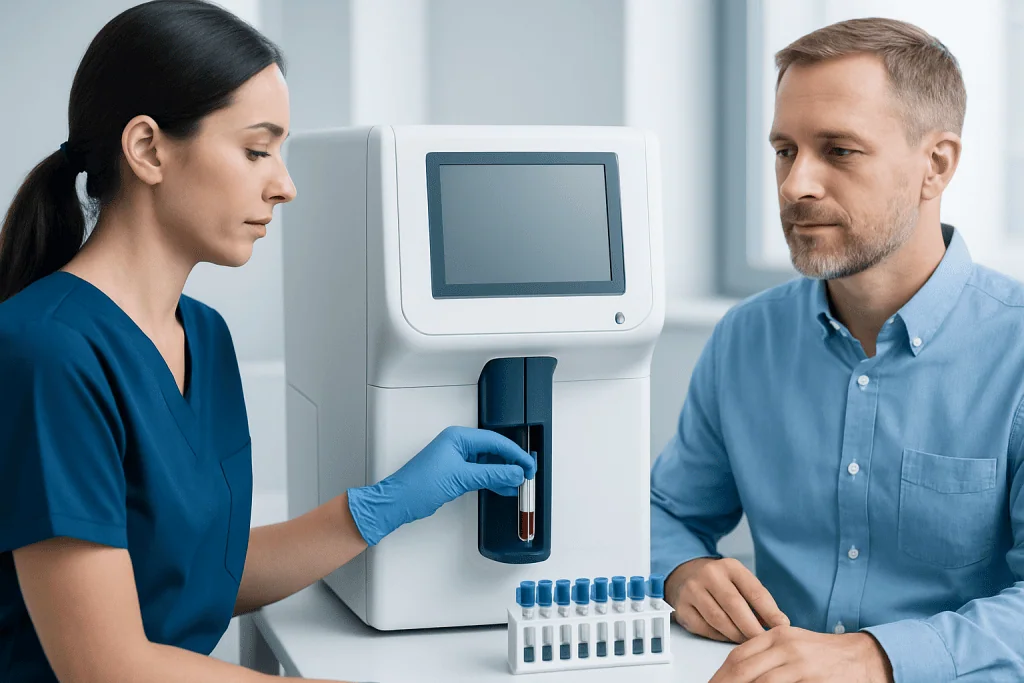
A hemoglobin test is usually part of a complete blood count, often shortened to CBC. This simple blood test measures the amount of hemoglobin in the blood and also provides information about red blood cells, white blood cells, and platelets. It is commonly ordered during health checkups, before surgery, during pregnancy, or when symptoms such as fatigue or unexplained weakness need evaluation.
Normal ranges vary by laboratory and by factors such as age and sex. In general, adults assigned male at birth tend to have slightly higher hemoglobin levels than adults assigned female at birth. Children, older adults, pregnant people, people living at high altitude, and those with long-term medical conditions may have different expected ranges.
Doctors usually do not interpret a result in isolation. They may review related measures such as hematocrit, mean corpuscular volume, ferritin, vitamin B12, folate, kidney function, and oxygen levels. This helps identify whether the issue is iron deficiency, blood loss, chronic disease, dehydration, or a bone marrow problem.
If a result is only mildly outside the reference range, it does not always mean there is a serious illness. Temporary factors such as hydration, recent bleeding, exercise, illness, or pregnancy can influence the number. Repeat testing may be advised if the result does not match the person’s symptoms or medical history.
Symptoms of low or high haemoglobin hemoglobin

Symptoms depend on whether hemoglobin is too low, too high, or changing quickly. Low hemoglobin often causes fatigue, reduced exercise tolerance, weakness, dizziness, headaches, paleness, cold hands and feet, or shortness of breath. Some people also notice a fast heartbeat, poor concentration, or feeling unusually tired during everyday activities.
When low hemoglobin develops slowly, the body can adapt for a time, so symptoms may be subtle at first. In contrast, sudden blood loss can cause more obvious signs such as faintness, rapid pulse, chest discomfort, or severe shortness of breath. Children may show irritability, poor feeding, or reduced growth and school performance rather than classic adult symptoms.
High hemoglobin may not cause symptoms at all, especially if it is discovered during routine testing. When symptoms do occur, they can include headaches, dizziness, facial flushing, blurred vision, itching, or a feeling of fullness in the head. In some cases, thicker blood can increase the risk of clotting problems, although the significance depends on the underlying cause.
- Low hemoglobin often suggests anemia or blood loss.
- High hemoglobin may relate to dehydration, smoking, low oxygen states, or blood disorders.
- Symptoms should always be interpreted together with medical history and examination findings.
Common causes and risk factors
Low hemoglobin has many possible causes. The most common include iron deficiency, heavy menstrual bleeding, gastrointestinal blood loss, poor nutrition, pregnancy, chronic inflammation, kidney disease, inherited blood disorders, and reduced production of red blood cells in the bone marrow. Doctors may also consider vitamin B12 or folate deficiency, infections, autoimmune disease, and side effects of some medicines.
Iron deficiency is a particularly common reason for low hemoglobin and a frequent cause of anemia. It may result from inadequate intake, poor absorption, increased need during pregnancy or growth, or hidden blood loss from the stomach or intestines. In older adults, unexplained anemia may need careful evaluation to rule out chronic disease or bleeding in the digestive tract.
High hemoglobin can occur when the body has less plasma volume, as in dehydration, or when it makes more red blood cells in response to lower oxygen levels. This can happen in smokers, people living at high altitude, or those with chronic lung or heart disease. Sleep-related breathing disorders may also contribute, and in selected cases a doctor may investigate for sleep apnea.
Less commonly, high hemoglobin is linked to disorders of blood cell production such as polycythemia. Kidney disease, certain tumors, and use of performance-enhancing substances can also raise levels. The person’s age, smoking status, medications, travel history, and family history all help guide further testing.
Diagnosis and evaluation
When haemoglobin hemoglobin is outside the expected range, diagnosis focuses on finding the reason. The process usually starts with a review of symptoms, diet, menstrual history, medications, chronic illnesses, family history, and any signs of bleeding. A physical examination may check for paleness, jaundice, enlarged spleen, dehydration, breathing problems, or signs of heart strain.
Laboratory tests often include repeat complete blood count, iron studies, ferritin, vitamin B12, folate, kidney function, liver tests, inflammatory markers, and a reticulocyte count, which shows how actively the bone marrow is making red blood cells. If blood loss is suspected, stool testing and gastrointestinal evaluation may be considered. Depending on the pattern of results, doctors may look for hemolysis, inherited conditions, or bone marrow disease.
If a low-oxygen state is suspected in someone with high hemoglobin, evaluation may include pulse oximetry, lung function testing, or imaging. In selected patients, doctors may recommend a comprehensive check-up to assess broader cardiovascular, metabolic, and respiratory health. Imaging such as MRI scanning is not routine for hemoglobin abnormalities alone, but it may be useful when investigating related conditions or complications.
The aim is not simply to label a number as high or low, but to identify whether the change is temporary, nutritional, inherited, inflammatory, or linked to another organ system. That cause-directed approach leads to safer and more effective treatment.
Treatment options and ongoing care
Treatment depends on the cause of the abnormal hemoglobin level. If the problem is iron deficiency, care may involve dietary changes, iron supplements, and treatment of the source of blood loss. When vitamin B12 or folate deficiency is present, replacing the missing nutrient is usually effective. If chronic kidney disease, inflammation, or another long-term illness is involved, management focuses on the underlying condition as well as the blood results.
Some people with significant anemia need more urgent treatment, especially if symptoms are severe or blood loss is ongoing. This can include hospital-based care, intravenous iron, or blood transfusion in selected situations. Transfusions are not automatically needed for all low hemoglobin results; the decision depends on symptoms, the cause, the rate of change, and overall medical status.
For high hemoglobin, treatment may be as simple as correcting dehydration or addressing smoking, altitude exposure, or low oxygen levels. If lung or heart disease is contributing, specialist care may be needed, and some patients benefit from evaluation with a cardiology check-up when symptoms suggest circulation or heart-related strain. If a blood disorder is suspected, referral to a hematologist is appropriate.
Follow-up testing is often important after treatment begins. Hemoglobin levels may take time to improve, and doctors usually want to confirm that the number is moving in the right direction and that the underlying cause has been properly addressed. This also helps reduce the chance of recurrence.
Prevention and self-care
Not every hemoglobin problem can be prevented, but many common causes can be reduced through practical self-care. A balanced diet that includes iron-rich foods, protein, vitamin B12, folate, and vitamin C can support healthy red blood cell production. Sources of iron include lean meats, legumes, leafy green vegetables, and fortified grains, while vitamin C-rich foods may help iron absorption.
People with heavy menstrual bleeding, known digestive conditions, pregnancy, vegetarian or vegan diets, or previous anemia may benefit from periodic medical review. Taking iron supplements without medical advice is not ideal, because excess iron can also be harmful and the real cause of symptoms may be something else. Anyone with long-term fatigue should not assume it is simply due to a busy lifestyle.
For people with high hemoglobin linked to lifestyle or environment, useful steps may include staying well hydrated, avoiding smoking, and discussing snoring or poor sleep with a doctor. Management of chronic heart, lung, or kidney disease also supports more stable oxygen levels and blood health. Regular follow-up can be especially helpful after a previous abnormal result.
Near the end of the care journey, some patients may need coordinated input from internal medicine, hematology, cardiology, gastroenterology, or nutrition specialists. Acibadem International’s multidisciplinary specialists and JCI-accredited hospitals diagnose and treat conditions related to abnormal hemoglobin levels for international patients when more detailed evaluation is needed.
When to seek medical care
Medical advice is appropriate if there are symptoms that could be related to abnormal hemoglobin, especially ongoing fatigue, shortness of breath, dizziness, paleness, rapid heartbeat, fainting, headaches, or reduced exercise tolerance. A person should also speak with a doctor if routine blood tests show low or high hemoglobin, even if they feel well, because some causes need timely assessment.
Urgent medical care is important for chest pain, severe breathlessness, confusion, black or bloody stools, vomiting blood, heavy uncontrolled bleeding, or symptoms that appear suddenly and are intense. These symptoms do not always mean the problem is hemoglobin-related, but they do need prompt attention.
Children, older adults, pregnant people, and anyone with cancer, kidney disease, heart disease, or chronic lung disease may need earlier review because abnormal hemoglobin can affect them more significantly. If a person has repeated abnormal results or treatment is not improving symptoms, specialist evaluation may be recommended.
Frequently asked questions
What is the difference between haemoglobin and hemoglobin?
There is no medical difference. Haemoglobin is the British spelling, and hemoglobin is the American spelling for the same oxygen-carrying protein in red blood cells. Test interpretation and treatment are the same regardless of spelling.
What does low haemoglobin hemoglobin usually mean?
Low hemoglobin often suggests anemia, which can happen due to iron deficiency, blood loss, vitamin deficiency, chronic disease, or problems with red blood cell production. The exact meaning depends on symptoms, medical history, and other blood test results. A doctor usually looks for the cause before recommending treatment.
Can high hemoglobin be dangerous?
Sometimes, yes, but it depends on why it is high. Mild elevations may be related to dehydration or living at high altitude, while more significant or persistent elevations can point to low oxygen levels or a blood disorder. A healthcare professional can determine whether follow-up is needed.
How is hemoglobin tested?
It is usually measured with a complete blood count, a standard blood test taken from a vein. The test is quick and commonly done during checkups or when symptoms such as tiredness or shortness of breath need evaluation. Additional tests may be added if the result is abnormal.
Can diet improve low hemoglobin?
Diet can help if low hemoglobin is related to iron, vitamin B12, or folate deficiency. Iron-rich foods, adequate protein, and nutrient-dense meals may support recovery, but diet alone is not enough for every cause. Medical advice is important, especially if symptoms are significant or persistent.
When should someone worry about hemoglobin results?
A person should seek medical advice if results are outside the normal range or if symptoms such as fatigue, breathlessness, dizziness, chest pain, or fainting are present. It is especially important to get reviewed if the change is sudden, severe, or associated with bleeding. The number matters, but the cause and symptoms matter just as much.
This article is for general information only and is not a substitute for professional medical advice. Please consult a qualified doctor about your individual situation.
Explore treatments in Turkey — costs, top hospitals & a free quote
JCI-accredited · board-certified surgeons · reply within 24h
Add us as a Preferred Source to see more of our trusted health content across Google Search, AI Overviews and Discover.

More from the Health Library

Optometrist — Explained by Medical Evidence, Not Myths

Petechiae: What Patients Need to Know

Hyperaldosteronism: What Patients Need to Know

Evolocumab: What Patients Need to Know

Mounjaro Weight Loss: What Patients Need to Know