Ache in Eyebrow Explained: Common Triggers and Red Flags

An ache in eyebrow can come from nearby structures, including the sinuses, eyes, forehead muscles, skin, and facial nerves. Common triggers include sinus inflammation, tension headaches, migraine, eye strain, and irritation from hair removal or skin conditions.
Key Takeaways
- An ache in eyebrow can come from nearby structures, including the sinuses, eyes, forehead muscles, skin, and facial nerves.
- Common triggers include sinus inflammation, tension headaches, migraine, eye strain, and irritation from hair removal or skin conditions.
- The pattern of pain matters: one-sided throbbing, pressure with congestion, or tenderness of the skin can each suggest different causes.
- Simple self-care may help mild symptoms, but persistent, worsening, or recurrent pain should be medically evaluated.
- Urgent care is important if eyebrow pain occurs with vision loss, a red eye, fever, facial swelling, confusion, or a severe sudden headache.
An ache in eyebrow is often caused by sinus congestion, tension-type headaches, migraine, eye strain, or minor local irritation in the skin, muscles, or nerves around the eye. It is usually not serious, but pain with vision changes, fever, swelling, severe headache, or symptoms after an injury should be assessed promptly.
What an Ache in Eyebrow Usually Means
An ache in eyebrow usually means pain is being referred from structures just beneath or around the brow rather than from the eyebrow hair itself. The area sits over the frontal sinus, above the eye socket, and near small nerves, blood vessels, skin, and muscles used for facial expression. Because several tissues meet in the same place, different health issues can feel similar at first.
In many people, the discomfort is related to sinus pressure, a common headache type, or eye strain after prolonged screen use. Others notice soreness after plucking, waxing, or skin irritation. Less often, eyebrow pain may reflect nerve irritation, an eye problem, shingles, or inflammation affecting nearby tissues.
The exact description of the pain can offer clues. Pressure or fullness may point toward sinus disease, while throbbing pain with nausea or light sensitivity may suggest migraine. Tender skin, a rash, or pain when touching the brow can indicate a local skin or nerve cause rather than a deep headache.
Common Causes of Eyebrow Pain
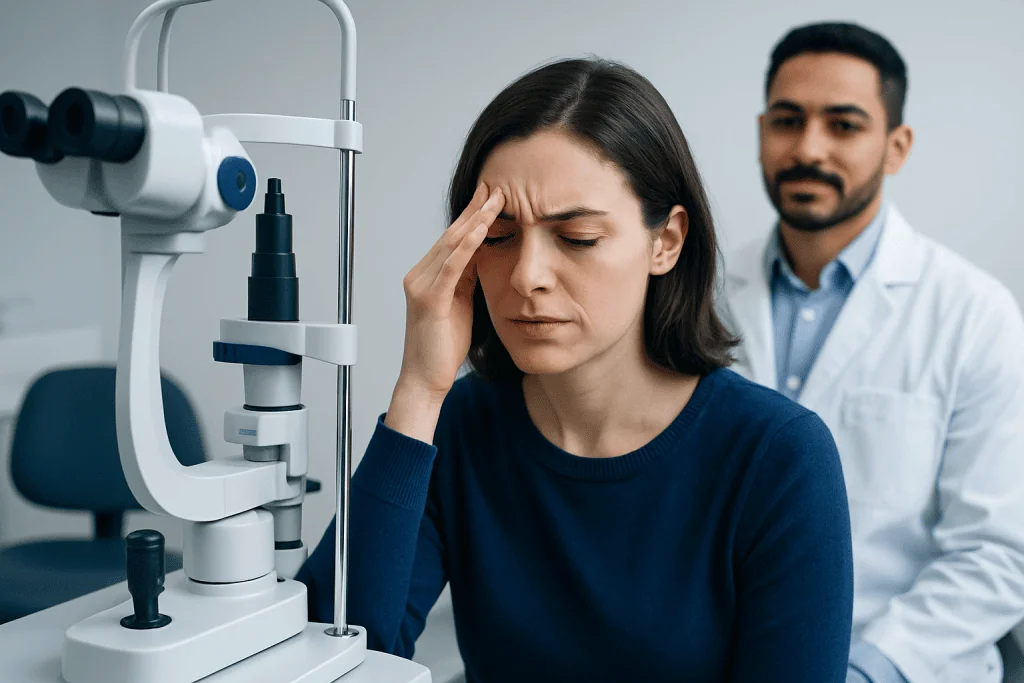
One of the most common reasons for an ache in eyebrow is sinus inflammation. The frontal sinuses sit behind the lower forehead, close to the brow. When these spaces become congested from a cold, allergies, or sinus infection, the pressure may be felt above one or both eyes. People may also have a blocked nose, facial fullness, mucus drainage, reduced sense of smell, or worsening discomfort when bending forward.
Headache disorders are another frequent cause. Tension-type headache can create a band-like ache across the forehead and brow, often after stress, poor sleep, or long periods of concentrating. Migraine may cause one-sided eyebrow or eye-area pain along with throbbing, nausea, and sensitivity to light or sound. Some people with cluster headache feel severe pain around one eye and brow, often with tearing or nasal stuffiness on the same side.
Eye-related causes can also refer pain to the brow. Eye strain from uncorrected vision problems, prolonged reading, or heavy screen use can lead to an aching feeling above the eye. Dry eye, inflammation of the eyelids, and some eye infections may contribute as well. In certain cases, pain above the eye can accompany more serious eye conditions, so persistent pain with vision symptoms deserves assessment by an ophthalmology team such as those caring for glaucoma and other eye disorders.
Local problems around the skin, hair follicles, and nerves should also be considered. Ingrown hairs, folliculitis, contact dermatitis from cosmetics, and irritation after threading or waxing may all make the eyebrow area sore or tender. Nerve-related pain, including irritation of the supraorbital nerve or early shingles, can cause burning, sharp, or electric-like discomfort in a small area of the forehead or brow.
How Symptoms and Triggers Can Help Narrow the Cause

The context of the pain often matters as much as the pain itself. If the ache appears after a long day on a computer, after driving, or while reading, eye strain becomes more likely. If it comes with nasal congestion, recent cold symptoms, or seasonal allergies, sinus pressure may be responsible. If it occurs after cosmetic products, eyebrow grooming, or skin treatments, local irritation should be considered.
Patterns over time can be useful. Recurrent one-sided episodes, especially with light sensitivity, nausea, or visual aura, can fit migraine. Morning pressure with congestion may point to sinus issues. Brief stabbing pains triggered by touching the area, wind, or facial movement may suggest irritation of a sensory nerve.
Associated symptoms should never be ignored. A red eye, double vision, drooping eyelid, facial weakness, fever, rash, or swelling changes the picture and may suggest a problem that needs prompt medical attention. Pain after a blow to the face may reflect bruising, a fracture, or injury around the eye socket.
- Pressure and congestion: often sinus-related
- Throbbing with nausea or light sensitivity: often migraine-related
- Tight ache after stress or screen time: often tension headache or eye strain
- Tender skin, bump, rash, or irritation: often local skin or follicle cause
- Sudden severe pain with eye symptoms: needs urgent evaluation
How Doctors Diagnose an Ache in Eyebrow
Diagnosis starts with a careful history. A clinician usually asks where the pain is located, how long it lasts, whether it is one-sided or both-sided, and what makes it better or worse. They also ask about congestion, fever, allergies, vision changes, headache history, injuries, skin symptoms, and use of cosmetics or eyebrow treatments.
The physical examination may include checking the forehead and eyebrow for tenderness, redness, swelling, rash, or signs of infection. The doctor may examine the nose and sinuses, test eye movements and vision, and look for signs of eye inflammation. In some cases, pressure points or the pattern of skin sensitivity can suggest whether a nerve is involved.
Tests are not needed for every mild case. However, doctors may recommend an eye examination if there are visual complaints, or imaging if symptoms suggest sinus complications, injury, or another structural cause. Depending on the findings, patients may be referred for a detailed eye exam, MRI, or CT scanning to clarify the source of the pain.
Treatment Options Depend on the Cause
Treatment is guided by the underlying reason for the ache. If the pain is related to tension, posture, dehydration, or screen overuse, simple measures such as rest, hydration, regular breaks, and correcting visual strain may help. A doctor may also suggest general pain relief options if appropriate for the person’s health history.
When sinus congestion is involved, care may focus on the nose and sinuses rather than the eyebrow itself. Saline rinses, humidified air, and treatment for allergies may reduce pressure. If a bacterial sinus infection is suspected, a clinician decides whether other treatment is needed. People with recurring sinus-related symptoms may benefit from specialist assessment, especially when symptoms overlap with sinusitis.
For migraine or other headache disorders, management may include identifying triggers, improving sleep and hydration, and using a treatment plan tailored by a physician. Recurrent headaches should not be self-diagnosed repeatedly, because several causes of pain around the eye and brow can mimic each other. Neurology, ENT, or ophthalmology input may be needed when symptoms are frequent or atypical.
If the source is local skin irritation, treatment may involve avoiding the triggering product or procedure, keeping the area clean, and managing inflammation or infection if present. Nerve-related pain, shingles, or an eye problem requires professional evaluation and cause-specific care. In more complex cases, a multidisciplinary approach can be helpful; Acibadem International’s specialists in JCI-accredited hospitals assess and treat patients with eye, sinus, neurologic, and facial pain conditions.
Self-Care and Prevention
Prevention starts with understanding personal triggers. People who notice eyebrow aching during screen use may benefit from regular visual breaks, adequate lighting, and updated prescription lenses when needed. Good sleep, hydration, and stress management can also reduce some headache-related symptoms.
For those prone to nasal allergies or sinus congestion, avoiding known triggers and following a clinician’s advice for allergy control may lower the chance of pressure-related brow pain. During colds, keeping the nasal passages moist with saline and staying well hydrated may help with comfort. Smoking and secondhand smoke can irritate the nose and sinuses and may worsen symptoms.
Skin and grooming habits matter too. Gentle eyebrow care, clean tools, patch testing new cosmetics, and avoiding harsh products on sensitive skin can reduce the risk of local irritation. If eyebrow pain appears repeatedly after waxing, threading, or plucking, it is sensible to stop the trigger and seek advice before continuing the same routine.
When to Seek Medical Care
Most mild cases improve once the trigger is addressed, but some symptoms should be evaluated promptly. Medical care is important if the ache in eyebrow is severe, keeps returning, lasts more than a few days without a clear reason, or interferes with normal activities. An appointment is also appropriate when over-the-counter measures and rest do not help.
Urgent assessment is needed if eyebrow pain comes with vision loss, a new red eye, double vision, marked swelling around the eye, fever, confusion, a rash that could be shingles, or a severe sudden headache. Pain after an injury to the forehead or eye area should also be checked. These features may point to eye disease, infection, nerve involvement, or another condition that should not be managed at home.
Parents should seek care for children with eyebrow pain if there is fever, lethargy, eye swelling, worsening headache, vomiting, or unusual behavior. In any age group, it is safer to speak with a qualified clinician when the pattern is new, unclear, or progressively worsening.
Frequently asked questions
Is an ache in eyebrow usually serious?
Usually not. Many cases are related to sinus congestion, tension headache, migraine, eye strain, or mild skin irritation. It becomes more concerning if it is severe, persistent, or linked with vision changes, fever, swelling, or a sudden intense headache.
Can sinus problems cause pain in the eyebrow area?
Yes. The frontal sinuses are located behind the lower forehead, close to the eyebrows, so inflammation there can feel like pressure or aching above the eye. This is more likely when pain occurs with congestion, mucus, reduced smell, or worsening discomfort when bending forward.
Can eye strain make the eyebrow hurt?
Yes. Prolonged screen use, reading, poor lighting, or an uncorrected vision problem can strain the muscles around the eyes and cause an aching sensation near the brow. If symptoms happen often, an eye exam may be helpful.
Why does only one eyebrow hurt?
One-sided pain can happen with migraine, cluster headache, a local skin problem, nerve irritation, or sinus pressure that is worse on one side. The exact cause depends on accompanying symptoms such as nausea, tearing, congestion, rash, or tenderness.
What can someone do at home for mild eyebrow pain?
Rest, hydration, screen breaks, gentle skin care, and avoiding known triggers may help mild cases. Saline nasal rinses may be useful if congestion is part of the problem. Home care is not a substitute for medical assessment when symptoms are strong, unusual, or persistent.
When should eyebrow pain be checked urgently?
Urgent care is needed if pain is paired with vision loss, double vision, a red or swollen eye, fever, confusion, a shingles-like rash, or a sudden severe headache. Pain after facial trauma also deserves prompt evaluation.
References
- American Academy of Ophthalmology
- American Migraine Foundation
- Centers for Disease Control and Prevention
- National Institute of Neurological Disorders and Stroke
- American Academy of Otolaryngology–Head and Neck Surgery
This article is for general information only and is not a substitute for professional medical advice. Please consult a qualified doctor about your individual situation.
Hair transplant in Turkey — costs, graft counts & a free assessment
JCI-accredited · board-certified surgeons · reply within 24h
Add us as a Preferred Source to see more of our trusted health content across Google Search, AI Overviews and Discover.

More from the Health Library


Related Specialists
Prof. Dr. Osman Bilgin Timuralp
Cardiology
Prof. Dr. Yurtkuran Sadıkoğlu
Interventional Radiology
Dr. Seçkin Bayar
Clinical Laboratory
Prof. Dr. Özlem Çelik
Endocrinology