

Cryotherapy Benefits: A Complete Medical Overview

Cryotherapy means using cold temperatures for medical or recovery purposes, and it includes both local and whole-body approaches. Some cryotherapy benefits are well established for specific medical treatments, while others are still being studied.
Key Takeaways
- Cryotherapy means using cold temperatures for medical or recovery purposes, and it includes both local and whole-body approaches.
- Some cryotherapy benefits are well established for specific medical treatments, while others are still being studied.
- Cold-based therapies may help with temporary pain relief, swelling control, and recovery after certain injuries or procedures.
- Cryotherapy is not suitable for everyone, especially people with certain circulation, nerve, or heart-related conditions.
- Medical evaluation is important when symptoms persist, worsen, or suggest an injury or an underlying disease.
Cryotherapy benefits can include short-term pain relief, reduced inflammation in some settings, and targeted treatment of certain skin lesions or abnormal tissues. The value of cryotherapy depends on how it is used, why it is recommended, and whether it is performed under proper medical supervision.
Overview: what cryotherapy benefits may include
Cryotherapy refers to the controlled use of cold temperatures for health, recovery, or medical treatment. In everyday care, this can mean an ice pack placed on a painful area. In clinical settings, it can also mean precise freezing of abnormal tissue, such as a wart or certain skin lesions, or exposure to very cold air for a short period in a specialized chamber.
When people ask about cryotherapy benefits, the answer depends on the type of cryotherapy being discussed. Local cryotherapy is often used to ease pain, limit swelling, and support early recovery after minor injuries. Medical cryotherapy can destroy unwanted tissue in a controlled way. Whole-body cryotherapy is promoted for recovery and wellness, but its benefits are less firmly established than many standard medical uses of cold therapy.
A clear medical overview is important because “cryotherapy” is a broad term rather than a single treatment. It can help in selected situations, but it is not a cure-all. The safest and most useful approach is to match the method to the person’s symptoms, diagnosis, and overall health.
Types of cryotherapy and how they work
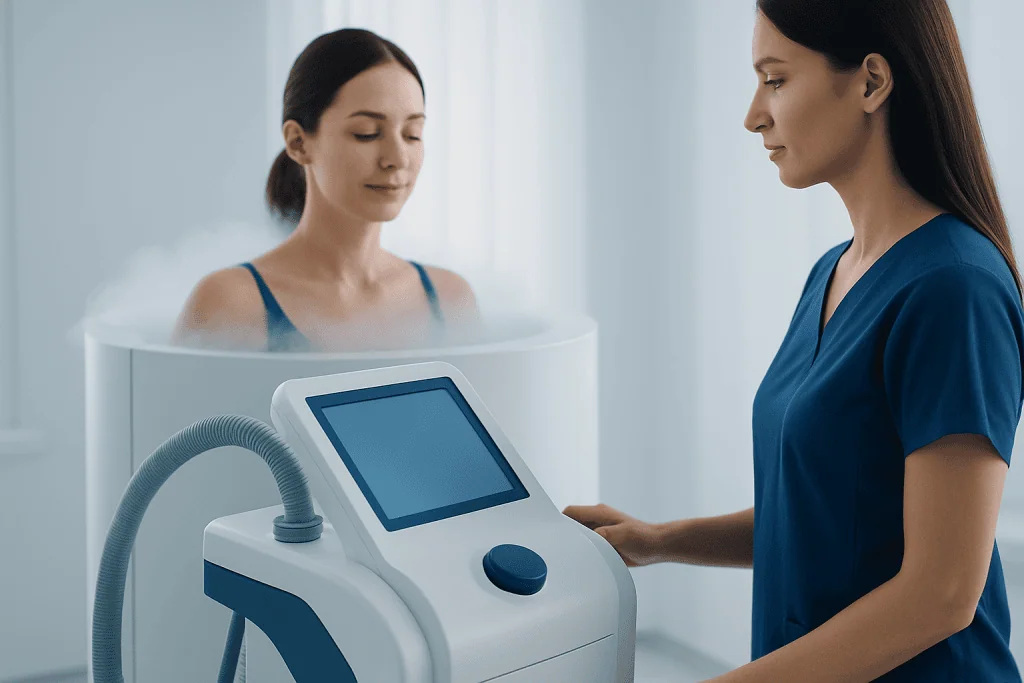
The main forms of cryotherapy include local cold therapy, cryosurgery, and whole-body cryotherapy. Local cold therapy uses ice, cold packs, cooling wraps, or chilled sprays on one body area. It works by narrowing blood vessels for a period of time, reducing local blood flow, slowing nerve signals, and limiting some inflammatory responses. These effects may reduce pain and swelling in the short term.
Cryosurgery, sometimes called cryoablation or tissue freezing depending on the setting, is a medical procedure performed by trained professionals. It uses extreme cold to destroy abnormal cells or tissue. Common examples include treatment for some skin growths, precancerous skin changes, and certain internal lesions. This is very different from wellness-focused cold exposure because it is a targeted medical treatment based on a specific diagnosis.
Whole-body cryotherapy usually involves standing in a chamber or booth with very cold air for a few minutes. Some people use it after exercise or for a sense of recovery. Research is ongoing, and while some users report reduced soreness or improved well-being, results vary. In contrast, standard treatments such as physical therapy and rehabilitation often have a stronger evidence base for long-term recovery goals.
Potential benefits for pain, swelling, and recovery

One of the most widely recognized cryotherapy benefits is temporary pain relief. Cold can numb sore tissues and reduce the speed of pain signals traveling through nearby nerves. This may help after a mild sprain, strain, bruise, or overuse injury. It is commonly used early after an injury alongside rest, gradual movement, and other supportive measures.
Cold therapy may also help limit swelling in the first phase after soft tissue injury or after some procedures. By reducing blood flow and slowing inflammatory activity for a time, it can make an injured area feel more comfortable and easier to protect. However, cold alone does not repair damaged tissue. Recovery still depends on the nature of the injury and appropriate medical management.
In sports and exercise settings, some people use cryotherapy to ease post-exercise soreness. This may be helpful for short-term comfort, especially after intense activity. Even so, recovery is broader than soreness reduction. Sleep, nutrition, hydration, and a structured rehabilitation plan remain central, especially for tendon, muscle, and joint problems such as sports injuries.
For chronic pain conditions, benefit is less predictable. Some people find cold helpful during flare-ups, while others feel better with heat, movement, or combined approaches. A healthcare professional can help determine whether cryotherapy is likely to help and whether it fits into a wider pain management plan.
Medical uses beyond recovery and wellness
Some of the strongest evidence for cryotherapy comes from its use as a medical procedure rather than a wellness technique. Dermatologists and other specialists commonly use freezing methods to treat warts, actinic keratoses, and certain benign skin lesions. By freezing and damaging the targeted tissue, the body can gradually remove it and allow healing to occur.
In other specialties, cryotherapy may be used for selected abnormal tissues inside the body, depending on the location and diagnosis. These procedures are planned carefully because they aim to destroy specific tissue while preserving as much healthy tissue as possible. Imaging, examination, and pathology results may guide whether cryotherapy is appropriate.
Cold therapy can also be part of aftercare following musculoskeletal problems, especially when pain and swelling limit movement. In those cases, it is usually only one component of treatment. Depending on the problem, the care plan may also include exercise therapy, medication, bracing, or specialist evaluation for conditions involving muscles, tendons, or joints, such as arthritis.
Limitations, risks, and who should be cautious
Although cryotherapy can be helpful, it also has limits. Relief from cold is often temporary, and using it too often or for too long may irritate the skin or delay comfort without addressing the real cause of symptoms. People may mistakenly rely on repeated cold exposure while overlooking fractures, severe sprains, infections, or worsening joint disease that need proper diagnosis.
Risks depend on the type of cryotherapy. Local cold therapy can cause skin irritation, cold burns, frostbite, or numbness if ice is applied directly to the skin or left in place too long. Whole-body cryotherapy may cause dizziness, skin injury, breathing discomfort in sensitive people, or worsening of certain medical conditions. Cryosurgery can lead to blistering, pain, pigment changes, scarring, or damage to nearby healthy tissue, depending on the site treated.
People with poor circulation, cold sensitivity disorders, significant nerve damage, uncontrolled high blood pressure, certain heart conditions, or reduced ability to sense temperature should be especially cautious. Medical advice is also important during pregnancy, in older adults with frailty, and in children when using more intensive forms of cold exposure. Any cryotherapy used at home should follow safe timing, skin protection, and product instructions.
What to expect during evaluation and treatment planning
Before recommending cryotherapy, a clinician usually considers the underlying reason for symptoms rather than focusing only on the cold treatment itself. Questions often include when symptoms began, whether there was an injury, what makes the problem better or worse, and whether there are warning signs such as weakness, severe swelling, fever, or loss of function. This helps separate simple overuse or minor injury from conditions that require imaging or specialist care.
If the issue involves a skin lesion or abnormal tissue, the clinician may examine the area closely and sometimes arrange tests or a biopsy before treatment. If the problem involves a joint, muscle, tendon, or spine, assessment may include a physical examination and, when needed, imaging studies. In some cases, symptoms that seem musculoskeletal may need a broader workup through diagnostic imaging or laboratory tests.
Treatment planning also includes deciding whether cold is the best option, how long it should be used, and what should be combined with it. For example, a painful knee may improve more from a structured plan that includes activity modification and orthopedics and traumatology input than from cryotherapy alone. This is one reason medically supervised care is often more effective than trying multiple cold-based treatments without a diagnosis.
Safe self-care and practical use at home
For minor strains, sprains, or soreness, home cold therapy is usually simple and short term. A wrapped cold pack can be placed on the affected area for brief intervals, allowing the skin to return to normal temperature between applications. A cloth barrier should always be used to protect the skin. If pain increases, the skin becomes pale or excessively numb, or symptoms do not improve, the cold pack should be removed and medical advice considered.
Cold therapy works best as part of a sensible self-care plan. Gentle protection of the area, avoiding aggravating activities, and returning to movement gradually are often more helpful than prolonged rest alone. If swelling and pain persist beyond the early phase, reassessment may be needed because not all injuries benefit from continued cold use.
People considering commercial cryotherapy sessions should ask about supervision, screening for contraindications, and the intended goal of treatment. It is reasonable to discuss whether a standard treatment may be more appropriate. Near the end of a care journey, some patients may also seek multidisciplinary assessment; Acibadem International’s JCI-accredited hospitals and specialists evaluate and treat a wide range of musculoskeletal, skin, and wellness-related concerns for international patients.
When to seek medical care
Medical care is advisable if pain is severe, swelling is marked, a joint cannot bear weight, or there is visible deformity after an injury. These features can suggest a fracture, major ligament injury, or tendon damage that needs prompt evaluation. Ongoing symptoms for more than a few days, repeated flare-ups, or symptoms that interfere with sleep, walking, or daily tasks also deserve attention.
Urgent assessment is important if there is fever, spreading redness, increasing warmth, drainage, shortness of breath, chest pain, fainting, or new weakness or numbness. Skin treated with cold should also be checked if it develops severe blistering, dark discoloration, or persistent loss of sensation. These signs may indicate complications or a problem unrelated to simple soreness.
It is also sensible to seek medical advice before starting whole-body cryotherapy or frequent cold exposure if there is a history of heart disease, circulation problems, nerve disorders, or cold intolerance. A doctor can help decide whether cryotherapy is appropriate and what safer or more effective options may be available.
Frequently asked questions
What are the main cryotherapy benefits?
The main cryotherapy benefits are usually short-term pain relief, reduced swelling in some situations, and targeted treatment of certain abnormal tissues when used medically. The benefit depends on the type of cryotherapy and the reason it is being used.
Is whole-body cryotherapy the same as using an ice pack?
No. An ice pack is a form of local cold therapy applied to one area, while whole-body cryotherapy exposes most of the body to very cold air for a brief period. Their goals, risks, and level of medical evidence are not the same.
Can cryotherapy help after exercise?
It may help some people feel less sore after intense exercise. However, it does not replace good recovery habits such as sleep, hydration, nutrition, and an appropriate training plan.
Are there any risks with cryotherapy?
Yes. Risks can include skin irritation, cold burns, frostbite, numbness, blistering, and, in some settings, worsening of underlying circulation or nerve problems. Medical procedures that use cryotherapy can also cause scarring or pigment changes depending on the area treated.
Who should avoid or be cautious with cryotherapy?
People with poor circulation, cold sensitivity, nerve damage, certain heart conditions, or reduced ability to sense temperature should be cautious. It is best to speak with a healthcare professional before trying more intensive forms such as whole-body cryotherapy.
How long should cold therapy be used at home?
Home cold therapy is usually used for short periods with a cloth barrier to protect the skin. The exact timing can vary, so it is safest to follow product instructions or a clinician's advice and stop if the skin becomes overly numb, painful, or discolored.
This article is for general information only and is not a substitute for professional medical advice. Please consult a qualified doctor about your individual situation.
Cryotherapy in Turkey — costs, top hospitals & a free quote
JCI-accredited · board-certified surgeons · reply within 24h
Add us as a Preferred Source to see more of our trusted health content across Google Search, AI Overviews and Discover.

Medical Oncology Department
Medical treatment of cancer with chemotherapy, immunotherapy and targeted therapies under a multidisciplinary tumor board.
60 specialists in this unitMore from the Health Library
Hemothorax — Explained by Medical Evidence, Not Myths

Cardiorespiratory Endurance — Explained by Medical Evidence, Not Myths
Purple Coloured Feet — Explained by Medical Evidence, Not Myths

Preventive Health Screenings by Age: What Adults Should Consider and When
Jaw Hurts Heart Attack: What Patients Need to Know

Seed Ticks: A Complete Medical Overview
Medical Oncology Specialists at Acibadem

Prof. Dr. Gülsan Sucak
Hematology
Assoc. Prof. Dr. Gürbüz Görümlü
Medical Oncology
Prof. Dr. Handan Onur Topuzlu
Medical Oncology
Assoc. Prof. Dr. Hasan Üstün
Medical Oncology